Since its quiet launch in March, Slay the Spire 2 has rapidly ascended to become one of the most-played titles on Steam, marking a significant milestone for indie developer Mega Crit. Even in its nascent early access phase, the sequel has surpassed its critically acclaimed predecessor in both player engagement and the sheer volume of content available, though the developers emphasize it is far from a finished product. The ongoing journey of Slay the Spire 2 is characterized by a distinctive development philosophy that eschews rigid timelines in favor of creative freedom and a healthy work-life balance for its small team, a strategy that has resonated with many while also posing unique challenges in community management.
The Legacy and Anticipation for a Sequel
To fully appreciate the impact and trajectory of Slay the Spire 2, it is crucial to understand the groundbreaking success of the original Slay the Spire. Released in early access in 2017 and fully launched in 2019, the first game revolutionized the deck-building roguelike genre. It masterfully blended strategic card combat with the procedural generation and persistent progression elements characteristic of roguelikes, creating an addictive and infinitely replayable experience. Its innovative design, tight mechanics, and charming aesthetic garnered widespread critical acclaim, earning numerous awards and selling millions of copies across various platforms. Slay the Spire wasn’t just a successful indie game; it inspired a wave of imitators and solidified a new subgenre, proving that a small team could innovate and compete with larger studios.
The announcement of Slay the Spire 2 therefore arrived with immense anticipation. Players eagerly awaited how Mega Crit would evolve the formula, introduce new characters, mechanics, and challenges while retaining the core essence that made the original so beloved. The sequel’s early access launch on Steam in March was met with immediate enthusiasm, quickly drawing in a massive player base eager to dive into the new content and contribute to its development. This rapid adoption underscores the powerful brand loyalty and genre dominance Mega Crit had cultivated with its initial offering.
Slay the Spire 2’s Early Access Performance and Content
Upon its early access debut, Slay the Spire 2 swiftly climbed Steam’s concurrent player charts, often rivaling or even surpassing established AAA titles. This organic growth, fueled largely by word-of-mouth and the reputation of its predecessor, demonstrates the game’s instant appeal. Data from Steam tracking sites indicates consistent daily peak player counts well into the tens of thousands, a remarkable feat for an early access title, especially one that hasn’t undertaken extensive marketing campaigns typical of larger releases. The initial content package, while incomplete, introduced new characters, relics, and enemies, offering a fresh yet familiar experience that captivated both veterans and newcomers to the series. The developers have teased a continuous stream of incoming additions, signaling a robust roadmap for expansion throughout its early access period.
The development team at Mega Crit has confirmed that Slay the Spire 2 is already "a bigger game than the original" in terms of current content and its immediate popularity. This expansion includes not only new playable characters with distinct card sets and strategies but also new enemy types, event rooms, and overarching meta-progression systems designed to deepen replayability. The foundation laid in early access suggests a commitment to evolving the genre, rather than simply iterating on the previous game’s success.
Mega Crit’s Unconventional Development Philosophy
Central to Mega Crit’s approach with Slay the Spire 2 is a development philosophy articulated by co-founder Casey Yano, which deliberately sidesteps traditional industry pressures for strict deadlines. In a recent developer update, Yano addressed the inevitable player query regarding development timelines, stating, "My response is: It’s not what works for us." This candid declaration highlights a conscious decision to prioritize quality, team well-being, and creative exploration over adhering to predetermined release schedules.
Yano elaborated on this approach, emphasizing that Mega Crit operates as a small, tightly-knit team where each member possesses a clear understanding of their responsibilities and a close working relationship with colleagues. This environment fosters a "healthy pace" of work, mitigating the risk of burnout common in the video game industry’s notorious "crunch culture." The team evaluates tasks weekly, focusing on what is deemed most impactful, a flexible methodology that facilitates "spontaneous experimentation." This approach has, according to Yano, led to unique game elements such as the interactive dialogues with "the Ancients" or the whimsical "Room Full of Cheese"—features that might not emerge from a more rigid, deadline-driven development cycle.
The decision not to "massively expand the size of the studio to finish the game faster" is another critical tenet of their philosophy. Mega Crit believes that "exacting deadlines produce sloppy uninspired work," and their ultimate goal is to deliver "Slay the Spire 2," not "Sloppy Spire 2." This commitment to craftsmanship over speed is a core value proposition for the studio and one that many players, especially those who appreciate the polished experience of the first game, seem willing to endorse. This patient, quality-first strategy aligns with a growing trend among successful indie developers who have found that a slower, more deliberate pace can ultimately lead to a more refined and enduring product, fostering long-term player satisfaction.
Community Engagement and the Beta Branch: A Double-Edged Sword
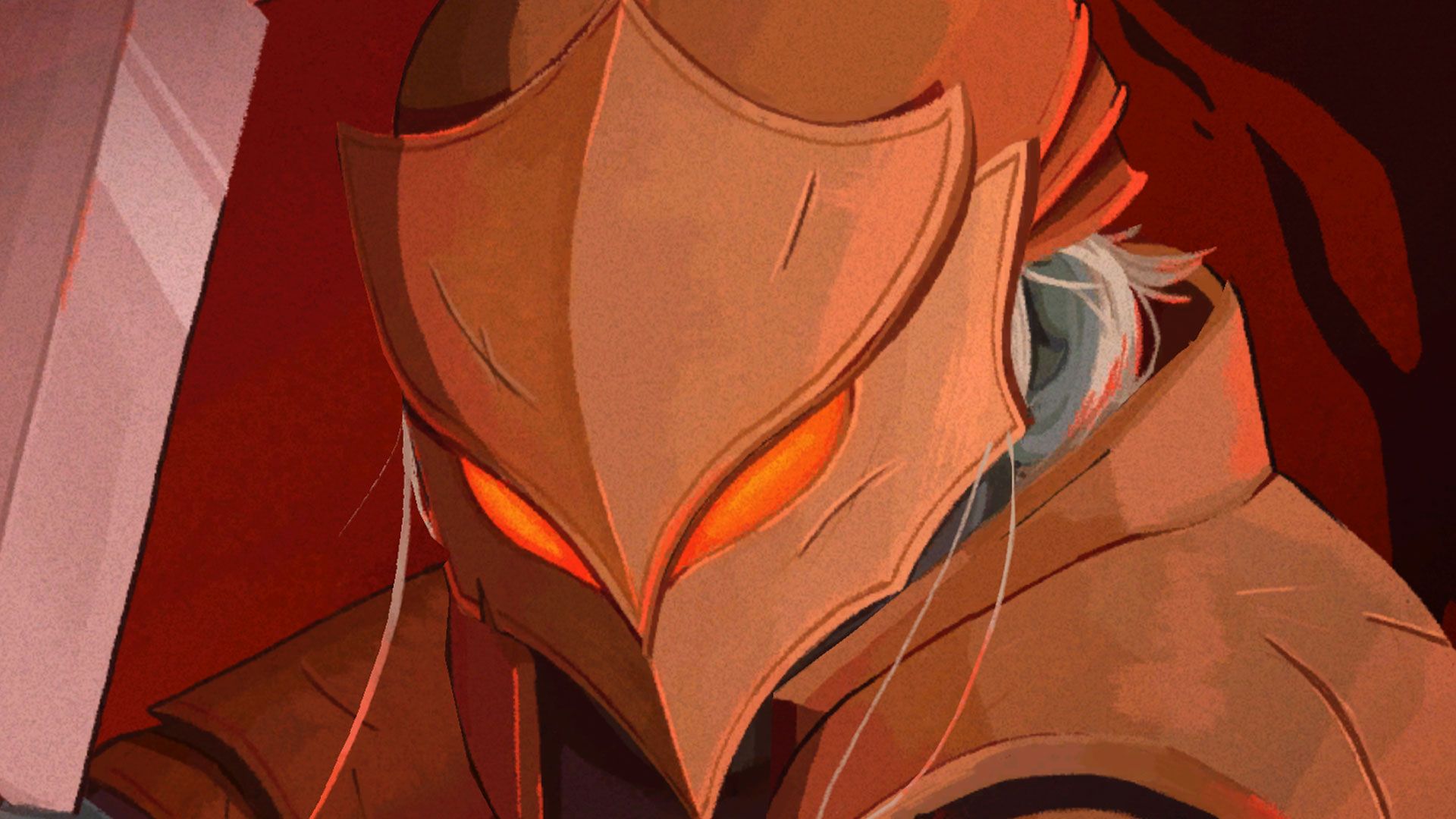
Mega Crit actively encourages community participation through a public beta branch on Steam, allowing players to test experimental changes and provide direct feedback. While this fosters a strong sense of community ownership and allows for iterative improvements based on player experience, it also exposes the development process to intense scrutiny and, at times, significant backlash. A notable incident occurred recently when proposed balance changes, specifically a card nerf, in the beta branch led to a surge of over 9,000 negative Steam reviews in a single day.
This wave of negative feedback, largely from players in China, underscored the passionate and sometimes volatile nature of a dedicated player base. The original article noted that China’s Steam restrictions might have contributed to the volume of reviews, suggesting a potential channel for collective action or a cultural difference in expressing dissatisfaction. Regardless of the geopolitical context, the incident served as a stark reminder of the challenges inherent in open development. Balance changes in card-based games are notoriously contentious, as they directly impact player strategies and perceived power levels. Even experimental changes in a beta environment can provoke strong reactions, demonstrating the delicate balance developers must strike between incorporating feedback and maintaining their creative vision.
Despite the controversy, the developers proceeded with the balance changes, integrating them into the game’s first "Major Update" for the main branch. This decision reflects Mega Crit’s commitment to continuous iteration and refinement, even when faced with vocal opposition. It also highlights the distinction between beta testing and final release: beta branches are for testing, and not all feedback will necessarily dictate final implementation. Yano notes that the team values experimentation, and this often means pushing boundaries that might initially be unpopular with segments of the player base.
Supporting Data and Broader Industry Trends
The success of Slay the Spire 2 in early access is not an isolated phenomenon but rather indicative of broader trends within the gaming industry. The roguelike and deck-building genres have experienced a significant boom over the past decade, with titles like Hades, Monster Train, and inscryption demonstrating the commercial and critical viability of these niche genres. These games often thrive on community engagement during early access, using player feedback to refine mechanics, balance content, and discover unforeseen design possibilities.
Steam’s early access program itself has matured significantly, evolving from a sometimes-risky venture into a legitimate pathway for independent developers to secure funding, build a community, and iteratively develop their games. Success stories like Factorio, Valheim, and Deep Rock Galactic have shown that a transparent, community-driven early access period can lead to exceptionally polished and beloved final products. Slay the Spire 2‘s performance further solidifies this model, showcasing that a well-executed early access strategy can create sustained momentum and a highly engaged player base.
Financially, early access provides indie studios with crucial capital to fund development without external pressures from publishers, allowing them to retain creative control. This financial independence is a key enabler of Mega Crit’s "no fixed dates" philosophy, as they are not beholden to investor-driven deadlines. The ability to iterate and refine based on real-world player data also minimizes the risk of launching a poorly received product, ultimately contributing to a healthier and more sustainable development cycle.
Implications and Future Outlook
The trajectory of Slay the Spire 2 carries several significant implications for Mega Crit, the gaming industry, and players alike.
For Mega Crit, this early success reinforces their brand as innovators in the roguelike genre and validates their unconventional development philosophy. By prioritizing quality and team well-being, they are not only creating a potentially superior product but also setting a precedent for sustainable game development. Their commitment to "whimsy," as Casey Yano declared to be the one non-negotiable principle, ensures that Slay the Spire 2 will retain the charm and creative spark that defined its predecessor, preventing it from becoming a sterile, overly optimized experience. This dedication to creative integrity and a healthy work environment could also attract top talent to the studio, further bolstering their capabilities.
For the Gaming Industry, Slay the Spire 2‘s performance highlights the continued power of the indie sector and the viability of alternative development models. It demonstrates that passion, innovation, and a strong relationship with the community can outweigh the marketing budgets and development scale of AAA studios. The game serves as a case study for the benefits and pitfalls of highly transparent early access development, offering lessons on managing community expectations, handling feedback, and maintaining a creative vision amidst public scrutiny. It also underscores the enduring appeal of well-crafted, replayable experiences in an increasingly saturated market.
For Players, the ongoing development of Slay the Spire 2 promises a highly refined and expansive game, built with direct input from its dedicated community. While the "no fixed dates" approach requires patience, it assures them that the final product will be a labor of love, free from the compromises often imposed by tight schedules. The active beta branch provides a unique opportunity for enthusiasts to shape the game’s evolution, fostering a deeper connection between players and developers. However, it also demands a certain level of understanding and tolerance for iterative changes and occasional controversial adjustments inherent in the early access process.
In conclusion, Slay the Spire 2 is not just another sequel; it is a continuation of a legacy, a testament to a unique development philosophy, and a vibrant example of the dynamic interplay between developers and their community in the early access era. Its impressive performance on Steam and Mega Crit’s steadfast commitment to quality and creative freedom suggest a bright future for the game, promising an enriched and whimsical experience that will undoubtedly leave its mark on the roguelike genre for years to come.