Home Assistant has officially rolled out its September 2026 software update, version 2026.9, bringing a significant array of structural upgrades, interface refinements, and expanded hardware compatibility to the open-source home automation ecosystem. Spearheaded by core developer Paul "Frenck" Van Haastrecht and supported by the Open Home Foundation, this latest iteration tackles long-standing technical debt while introducing modern capabilities designed to lower the barrier of entry for complex protocols and assistive technologies.
Among the most impactful changes in version 2026.9 is the modernization of Modbus. Historically, integrating Modbus-driven infrastructure—such as solar inverters, commercial heat pumps, and high-precision energy meters—required users to manually write exhaustive register maps in YAML. This technical hurdle effectively walled off vast categories of renewable energy and HVAC hardware from casual users. The 2026.9 release introduces native, UI-driven integration support for Modbus devices through a modernized, strongly typed Python library known as tmodbus. Leading manufacturers like Fronius, Sofar, and Flexit now benefit from first-class connection sharing, allowing multiple integrations to communicate seamlessly over a single Modbus TCP or serial connection without resource contention.
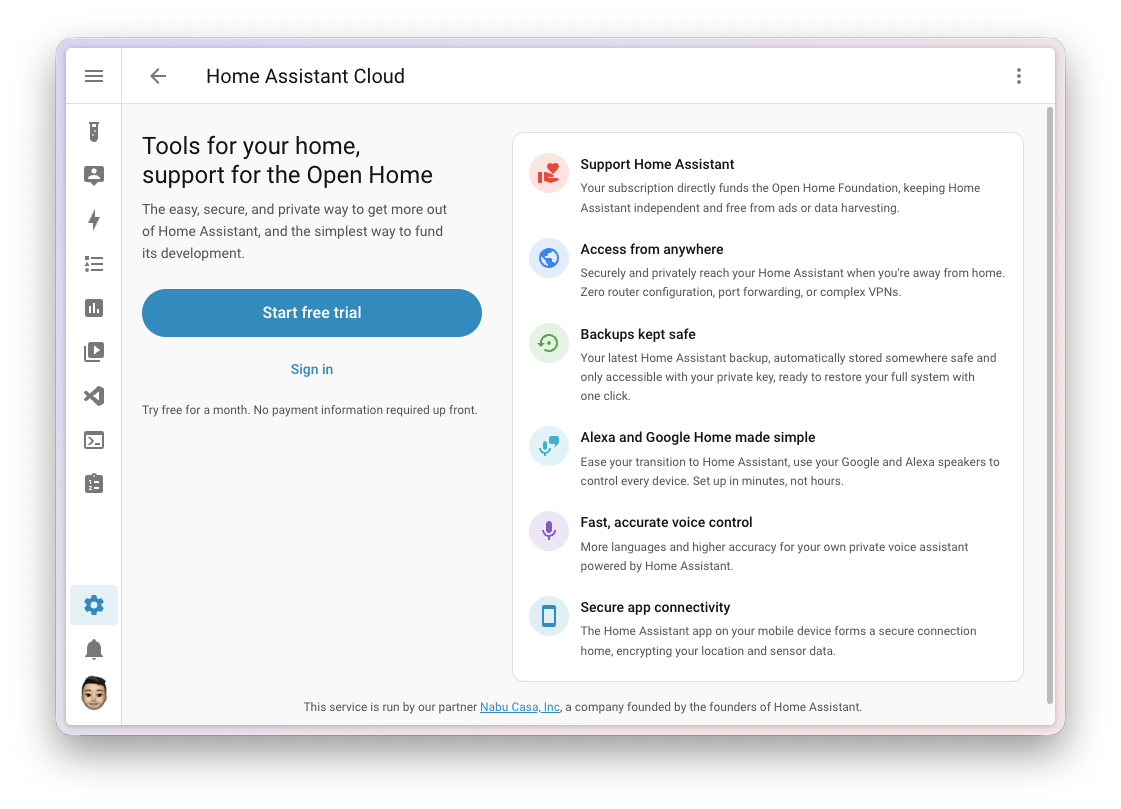
Simultaneously, the platform has rolled out an optional, high-performance speech-to-text engine for Home Assistant Cloud subscribers through a new partnership with Soniox. Designed to address common pain points in private local voice processing, the upgraded engine specifically targets acoustic challenges such as heavy accents, overlapping background noise, and non-English vernacular. This addition represents a crucial step forward for the Home Assistant Voice Preview Edition hardware ecosystem, narrowing the performance gap between self-hosted voice assistants and proprietary commercial offerings from major technology conglomerates like Amazon and Google.
Interface and Navigation Refinements
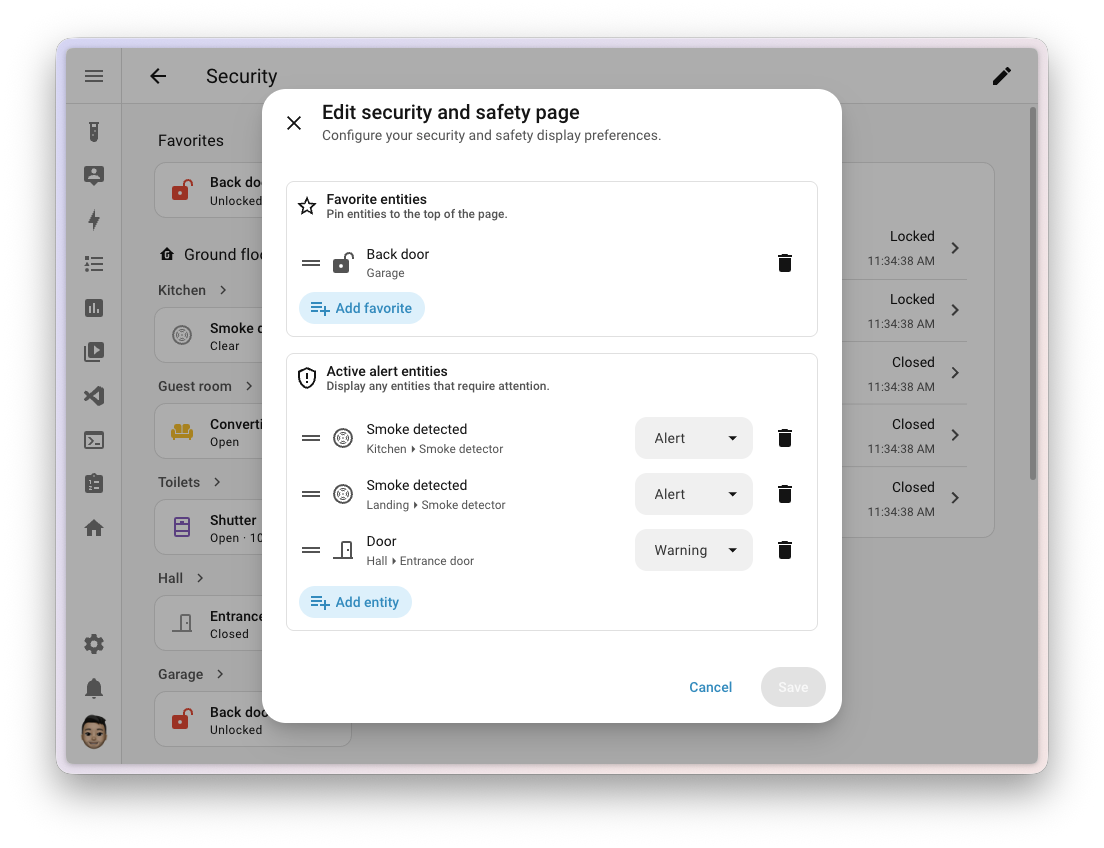
The user interface across various dashboards has received a substantial overhaul, focusing heavily on operational clarity and targeted information filtering. The built-in Security dashboard now incorporates a dynamic "Active alerts" section alongside a "Favorites" pinning utility. Drawing inspiration from community-driven design principles submitted via GitHub, the Active alerts module remains hidden during normal operations, surfacing only when critical safety entities—such as open perimeter doors or active smoke detectors—require immediate user intervention. Severity levels are visually communicated through distinct color-coding and subtle animations, separating high-priority emergencies from minor warnings.
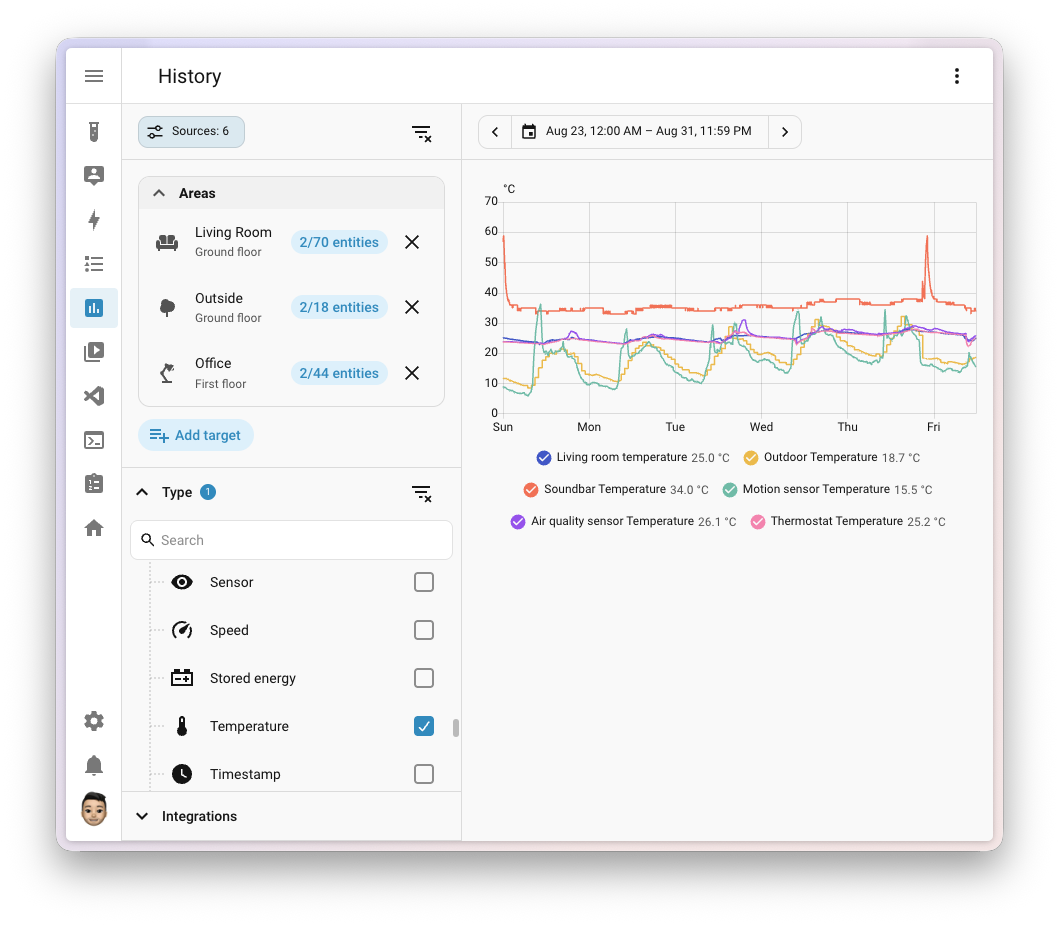
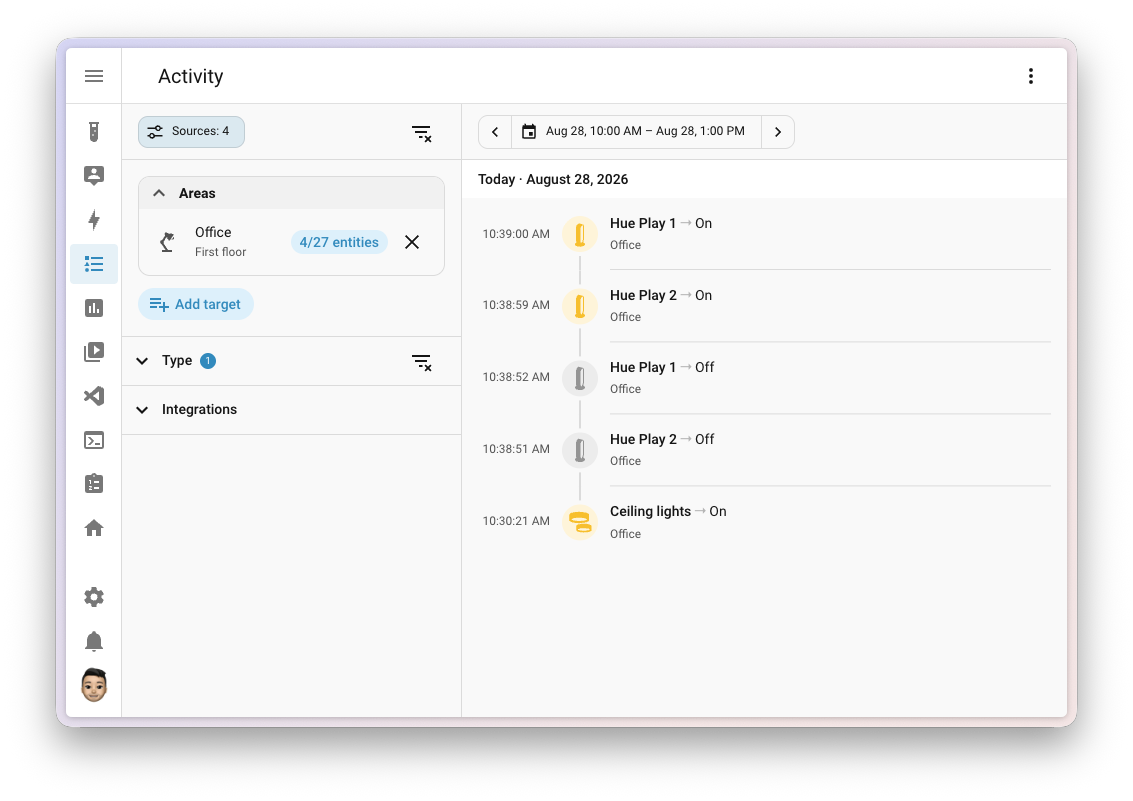
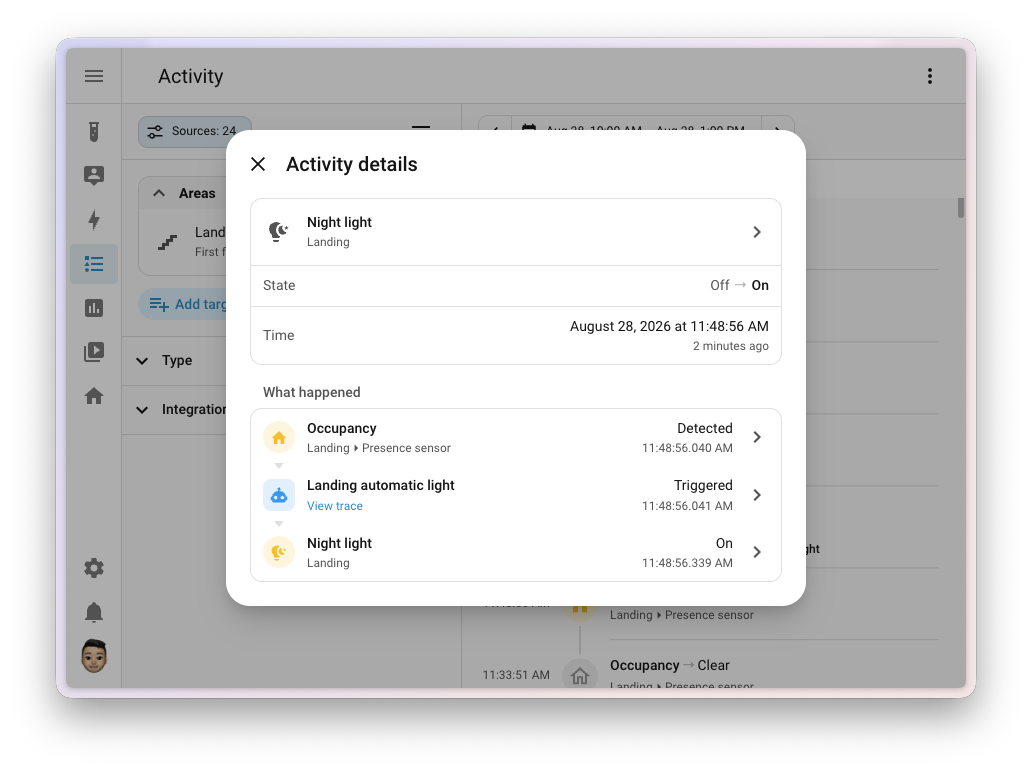
In parallel, the History and Activity logging interfaces have been unified under a shared "Sources pane." Situated on the left side of the display, this consolidated panel enables operators to filter data streams dynamically by floor, area, device, class, or integration domain. Furthermore, the Activity log has evolved from reporting merely what changed to explaining why it changed. Selecting any log entry now triggers an interactive chronological trace dialog that details the exact causal chain—ranging from human inputs and time-based schedules to specific automation triggers and script executions—complete with millisecond-level timestamps and direct navigation links to underlying configurations.
Ecosystem Expansion and Network Diagnostics
Protocol-level visibility has been similarly enhanced with the introduction of a graphical network mapper for Matter. Similar to pre-existing diagnostic tools for Zigbee and Z-Wave, the new Matter map visually represents the complex mesh topologies of Thread and Wi-Fi devices, mapping out border routers, access points, and battery-powered end nodes.
To streamline physical hardware management, the platform has established dedicated connectivity panels under the settings menu. Serial device management now occupies a primary space alongside Infrared and Radio Frequency controls, categorizing USB dongles and serial ports into active, connected-idle, and missing device states. Concurrently, the MQTT integration has received a dedicated settings page featuring an integrated packet publisher, live topic subscription logging, and connection status monitoring.
Accessibility has also taken a major leap forward, specifically addressing data visualization constraints. Line and bar charts within Home Assistant—including device breakdowns on the Energy dashboard—are now fully interactive via keyboard navigation and screen readers. As users traverse data points using directional arrow keys, the interface emits pitch-modulated audio tones that sonically represent the numerical trends, allowing visually impaired users to perceive data shapes audibly.
Deployment, Public Engagement, and Breaking Changes
The release coincides with the Open Home Foundation’s physical presence at IFA Berlin 2026, where development teams showcased the platform’s interoperability capabilities in Hall 1.2. As with all major updates, version 2026.9 includes several backward-incompatible changes that require administrative attention. Notably, management actions for system updates and Z-Wave lock credentials are now strictly restricted to administrator accounts. Furthermore, LLM tool names have been prepended with integration domain specifiers, requiring updates to custom conversational prompts.
Routine patch releases are scheduled weekly throughout September 2026 to address emerging bug reports. Users managing complex enterprise or residential automations are encouraged to review individual integration documentation and backup their configurations prior to initiating the upgrade through the Home Assistant user interface.