The modern landscape of residential security has shifted dramatically over the last decade, transitioning away from analog closed-circuit television toward connected Internet Protocol (IP) cameras and subscription-based cloud services. While cloud storage platforms offered by brands like Google Nest and Amazon Ring popularized consumer-grade home security through easy installation and remote accessibility, they introduced ongoing subscription costs, bandwidth consumption concerns, and legitimate privacy vulnerabilities associated with off-site data retention. In response to consumer demand for greater data ownership and uninterrupted round-the-clock surveillance, hardware manufacturers have increasingly turned toward Network Video Recorder (NVR) systems utilizing Power-over-Ethernet (PoE) infrastructure. Among the latest entries into this robust market segment is the Eufy Security NVR System E50, an all-in-one surveillance bundle designed to deliver enterprise-grade local monitoring capabilities directly to residential consumers without the burden of monthly cloud fees.
Core Architecture and System Specifications
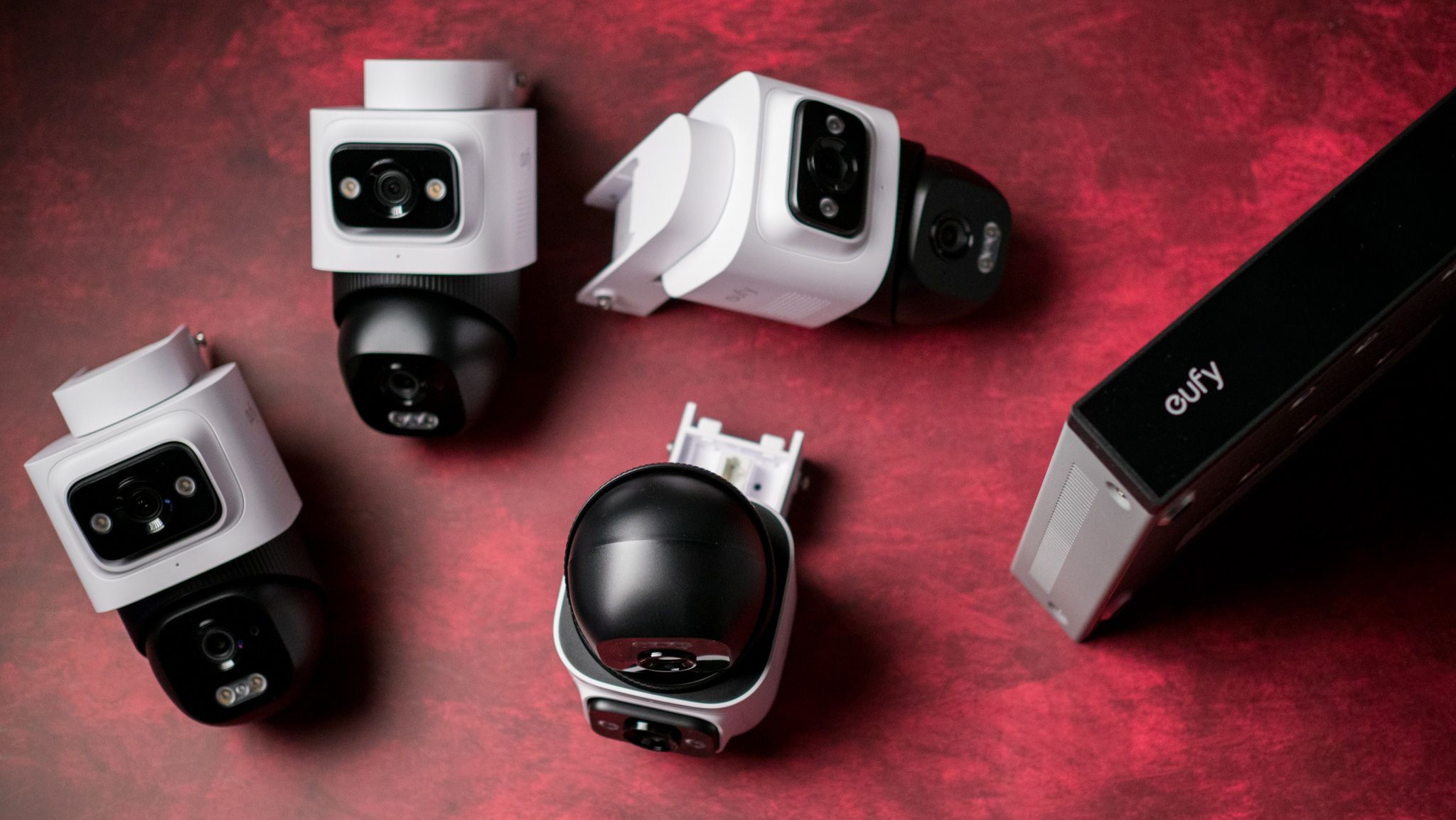
The Eufy Security NVR System E50 is packaged as a comprehensive, out-of-the-box solution, retailing for an MSRP of $1,199, though promotional pricing and retail discount codes frequently position the bundle closer to the $839 threshold. At the center of the hardware ecosystem is the E5 NVR hub, a dedicated recording and management appliance featuring a 3.5-inch hard drive bay pre-installed with a 2TB surveillance-grade hard drive. For households requiring extended retention periods or higher camera counts, the NVR accommodates storage upgrades up to a maximum capacity of 16TB. According to manufacturer estimates, the standard 2TB drive comfortably stores approximately three months of continuous, 24/7 footage captured across a standard four-camera deployment before initiating data overwrites.
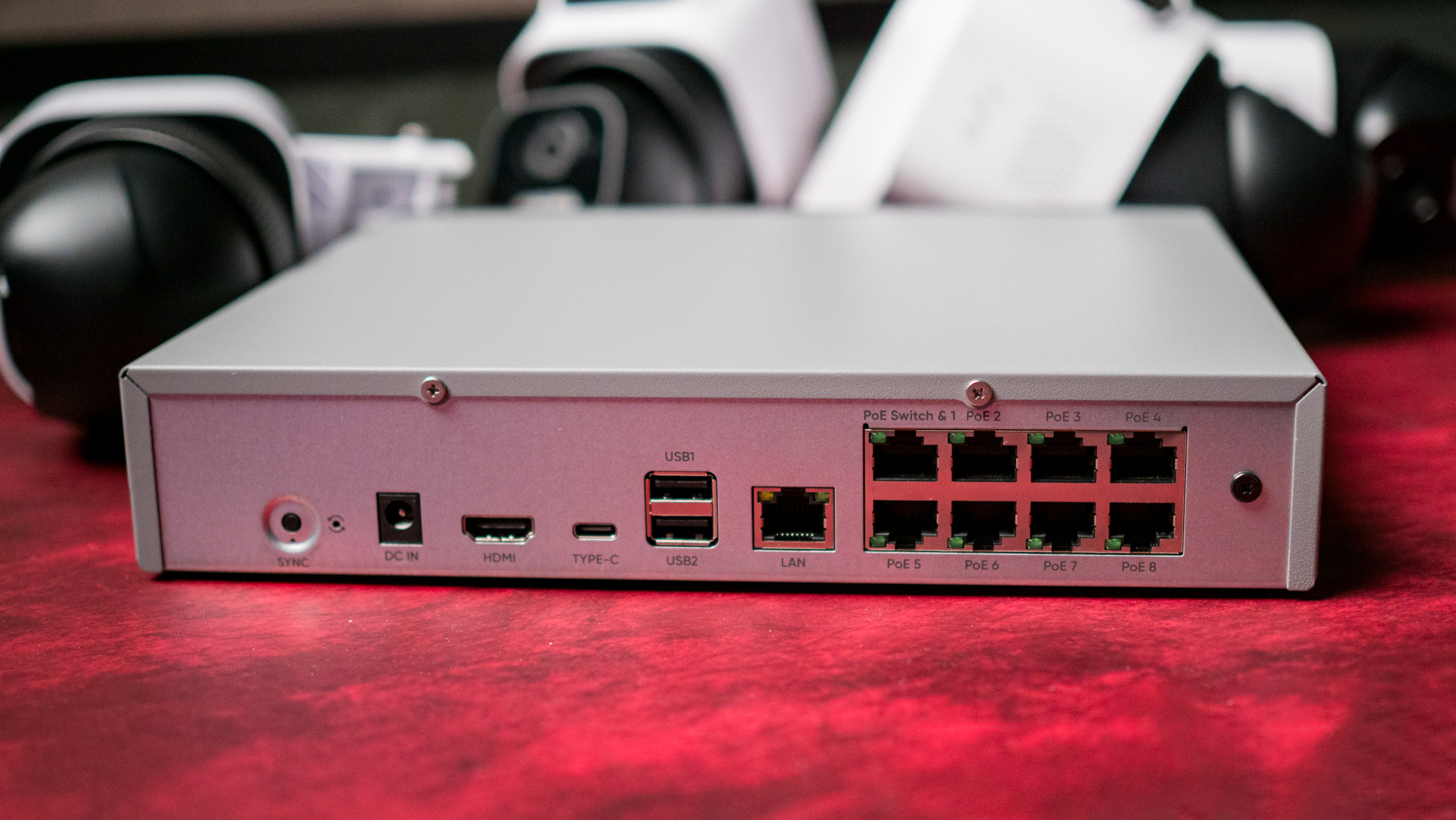
The physical hardware of the NVR unit is well-equipped with connectivity options designed to facilitate stable, wired network transmission. The rear panel incorporates an Ethernet port for local network and internet routing, an HDMI output for direct monitor display, one USB-C port, and two USB-A ports. A standout hardware feature is the inclusion of eight integrated PoE ports driven by an external 90W power brick. This architecture enables the NVR to deliver both data transmission and electrical power to up to eight individual cameras through a single run of Ethernet cabling, eliminating the need for independent power adapters at each camera installation site. The bundle includes a standard optical mouse, allowing users to configure settings and review footage locally by connecting the NVR directly to an external monitor or television via HDMI, bypassing the mandatory requirement for a mobile application during initial setup.
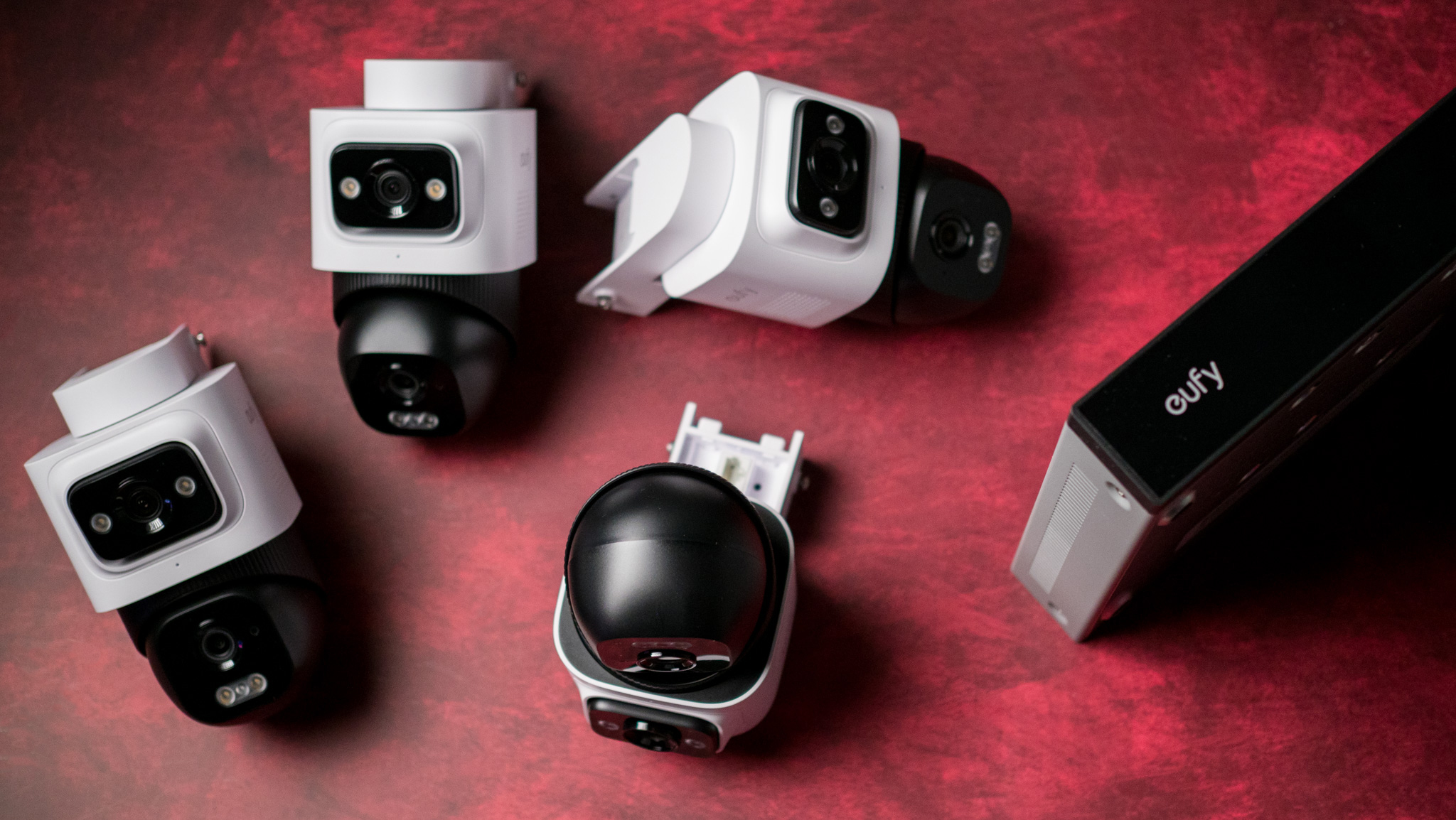
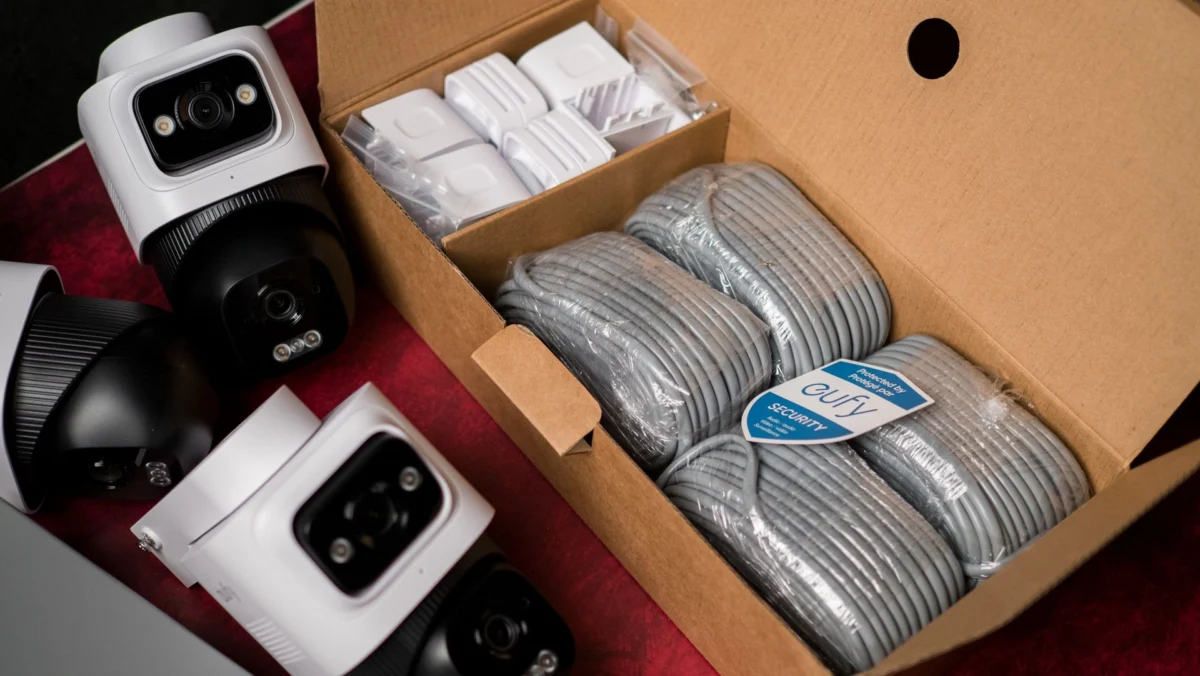
Complementing the central recording hub are four E50 pan-tilt-zoom (PTZ) PoE cameras, accompanied by comprehensive mounting hardware, weather-resistant housing components, alignment stickers, and four pre-cut 59-foot (18-meter) Ethernet cables. The inclusion of these dedicated cabling lengths simplifies the deployment process for users who do not have pre-existing structured wiring running along the exterior perimeters of their properties.
Advanced Optics, Tracking, and On-Device Intelligence
The Eufy E50 cameras adopt a dual-lens optical configuration designed to eliminate blind spots while maintaining high-resolution detail capture. Each unit pairs a 2K fixed-position lens boasting a wide 180-degree field of view with a secondary 4K movable lens capable of 360-degree horizontal rotation, a 65-foot operational range, and 5x optical zoom magnification. This dual-system approach allows the camera to maintain a broad, persistent overview of a designated perimeter while simultaneously deploying its secondary movable lens to investigate localized motion events.
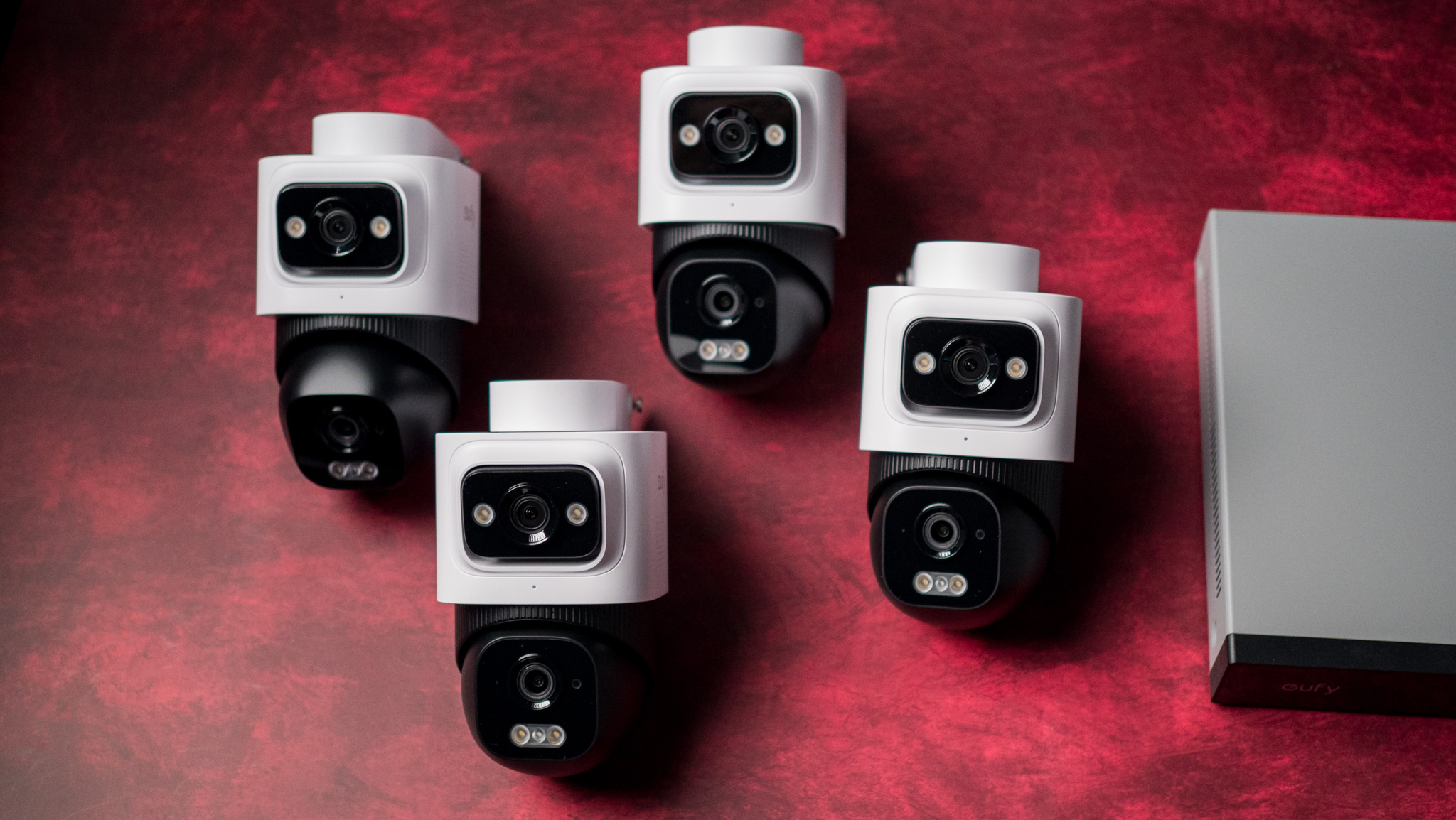
Integration of localized artificial intelligence enables on-device data processing, which handles automated subject detection, facial recognition profiling for familiar individuals, and customized motion exclusion zones. Rather than relying on cloud-based server farms to parse video feeds for motion triggers, the Eufy E50 performs processing locally within the hardware ecosystem. This edge-computing approach ensures faster notification delivery and reinforces data security by keeping biometric and visual analytics within the local network boundary.
Furthermore, the system incorporates proprietary features such as OmniTrack, which automatically commands the motorized lens to follow a detected subject across the camera’s field of view. Cross-camera tracking and multi-device view options allow the NVR software to stitch together perspectives from multiple perimeter points, providing homeowners with continuous visual monitoring as a person or vehicle moves across different zones of a property.
Installation Logistics and Software Ecosystem
Deploying a PoE-based security infrastructure requires a higher degree of initial physical labor compared to battery-operated Wi-Fi cameras. Running Ethernet cables through exterior walls, soffits, or conduits represents a labor-intensive, one-time chore that contrasts sharply with the tool-free magnetic mounts common in consumer wireless cameras. However, industry professionals widely regard wired PoE connections as vastly superior in terms of signal reliability, bandwidth stability, and immunity to wireless interference or jamming.
Once the physical hardware is mounted and connected, system configuration is managed primarily through the Eufy mobile application. While the app provides an extensive suite of customization tools—including alert scheduling, sensitivity adjustments, and multi-camera live feeds—industry purists have noted the current absence of a dedicated browser-based web portal for desktop management, requiring users to rely either on the mobile app or a direct HDMI monitor connection to the NVR.

Addressing previous security concerns that impacted the smart home industry, Eufy has implemented robust end-to-end encryption protocols across its data transmission pipelines, ensuring that remote viewing streams accessed outside the home are heavily encrypted. Despite these positive security measures, one notable limitation identified during extensive technical evaluations is the current lack of native Real-Time Streaming Protocol (RTSP) support. RTSP integration is frequently sought by advanced smart home enthusiasts who wish to bridge proprietary camera hardware into open-source or third-party Network Video Recorders, such as Synology Surveillance Station or Home Assistant setups. Eufy representatives have indicated that an official RTSP firmware enablement is planned for future rollout, which will significantly broaden the system’s compatibility with broader home automation ecosystems.
Market Implications and Long-Term Value Proposition
The evaluation of high-end home security infrastructure inevitably involves balancing upfront capital expenditure against long-term operational costs. At its standard retail price of $1,199—or the promotional rate of $839—the Eufy E50 system represents a significant financial investment for the average homeowner. When measured against popular subscription-based Wi-Fi alternatives, however, the financial calculus shifts over time.

Cloud-dependent ecosystems commercialized by major tech conglomerates typically charge monthly per-camera subscription fees ranging from $3 to $10, which quickly accumulate over a multi-year ownership lifecycle. By shifting storage entirely to a local 2TB hard drive—with expandability up to 16TB—the E50 eliminates recurring cloud fees entirely. This local storage model guarantees that recorded evidence remains accessible even during internet service outages, shielding homeowners from external server vulnerabilities and third-party data breaches.
For consumers seeking a robust, subscription-free, and weather-resilient surveillance apparatus capable of delivering high-definition continuous recording, the Eufy Security NVR System E50 establishes a compelling benchmark. While physical cabling requirements and the current absence of native RTSP integration present minor hurdles for advanced networking enthusiasts, the core performance, dual-lens optics, on-device intelligence, and expandability cement its position as a leading contender in the residential PoE security market.