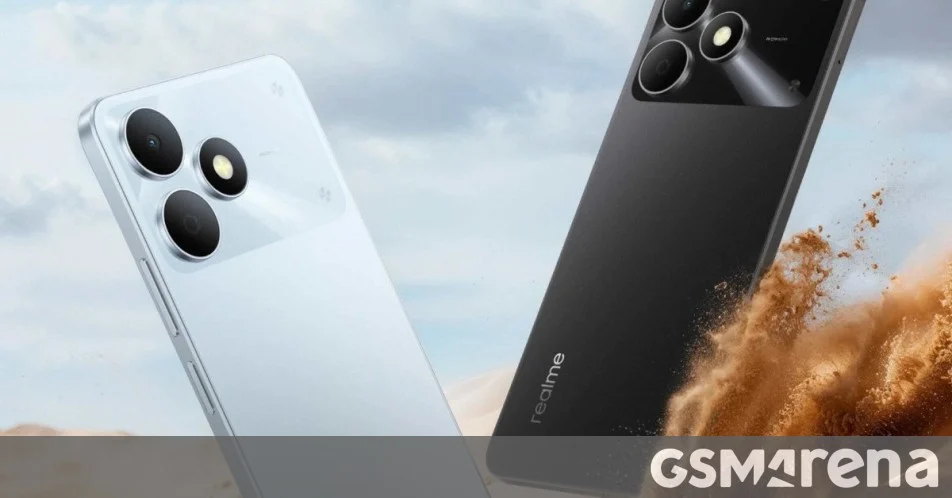
The imminent arrival of the Realme C81 is generating significant industry buzz, with a recent report strongly suggesting that the device is poised to launch as a rebranded version of the Realme Note 80, which made its debut just last month. This strategic move, if confirmed, underscores a common practice within the competitive smartphone industry to optimize product distribution and market penetration across diverse geographical regions. The revelation stems from a leak detailing the C81’s memory configurations, color options, and, crucially, its identical model number to the Note 80, providing a compelling foundation for the rebranding theory.
The Genesis of the Leak: Model Numbers and Retailer Insights
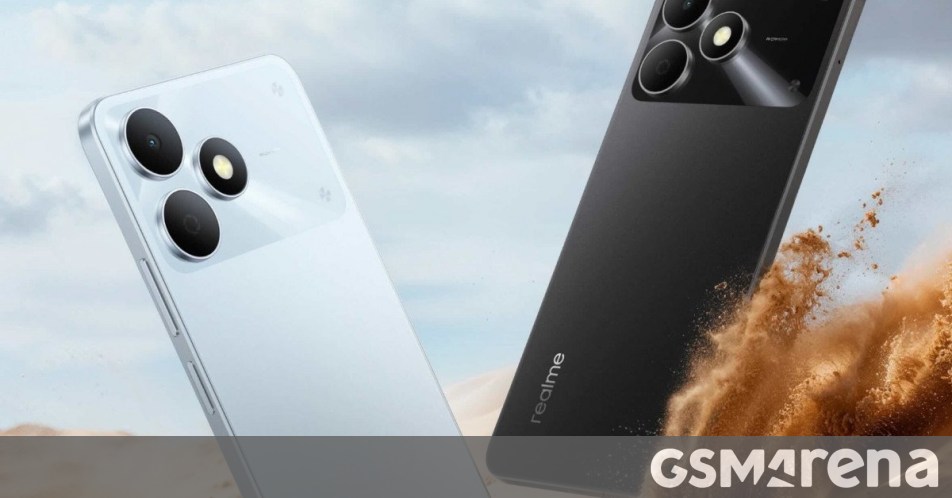
The primary evidence supporting the Realme C81’s identity as a rebranded Realme Note 80 lies in the shared model number: RMX5388. In the highly organized and regulated world of consumer electronics manufacturing, unique model numbers are assigned to distinct products for tracking, certification, and inventory management. The recurrence of the RMX5388 designation across both devices is a strong indicator of their fundamental identicality. Further corroboration comes from a leaked screenshot, reportedly originating from an internal retailer or carrier system, which not only reveals the C81’s model number but also its anticipated memory and storage configurations. According to this screenshot, the Realme C81 will be available with 4GB of RAM, coupled with options for either 64GB or 128GB of internal storage. The leak also specifies two distinct color variants for the device: Storm Black and Glacier Blue, aligning with popular aesthetic choices in the entry-level and mid-range smartphone segments. These leaks provide a concrete, albeit unofficial, glimpse into Realme’s upcoming product strategy.
Chronology of Key Developments and Realme’s Budget Strategy
The narrative surrounding the Realme C81 begins with the recent launch of the Realme Note 80. While the exact date varies by region, the device generally became available in the preceding month, establishing its specifications and market positioning. The Note 80 was introduced as a budget-friendly option, designed to cater to cost-conscious consumers seeking essential smartphone functionalities with a focus on battery life and display size. Its launch set the stage for the subsequent emergence of the C81.
Realme’s C-series has historically been a cornerstone of its strategy to capture the entry-level smartphone market. Launched initially to compete aggressively in emerging markets, the C-series devices are characterized by their affordability, robust build quality, and often, large batteries – features highly valued by users in these segments. Devices like the Realme C11, C20, C30, and subsequent iterations have consistently aimed to deliver maximum value for money, making them popular choices for first-time smartphone buyers or those upgrading from feature phones. The potential introduction of the C81 as a rebranded Note 80 fits perfectly within this established pattern, allowing Realme to leverage an existing product design and supply chain to rapidly expand its C-series offerings in different regions without incurring significant additional research and development costs. This approach enables faster time-to-market and optimizes resource allocation, crucial factors in the highly competitive budget smartphone arena.
Anticipated Specifications: A Deep Dive into the Realme C81 (Realme Note 80)
Should the rebranding theory hold true, the Realme C81 is expected to inherit the full suite of specifications from the Realme Note 80. This provides a comprehensive picture of what consumers can anticipate from the upcoming device.
Display Technology: The C81 is slated to feature a substantial 6.74-inch LCD touchscreen. This large display size is a significant draw for consumers who prioritize screen real estate for media consumption, browsing, and gaming. The resolution will be 720×1600 pixels, commonly referred to as HD+ (High Definition Plus). While not Full HD, this resolution is standard for many entry-level devices and is adequate for casual use, contributing to lower manufacturing costs and better battery efficiency. A key highlight for this price segment is the 90Hz refresh rate. This higher refresh rate, compared to the standard 60Hz found in many competitors, promises a smoother scrolling experience and more fluid animations, enhancing the overall user interface interaction. The display is also expected to offer a peak brightness of 450 nits, ensuring reasonable visibility indoors and in moderately bright outdoor conditions.
Processing Power: Under the hood, the Realme C81 will reportedly be powered by the Unisoc T7250 SoC (System-on-Chip). Unisoc processors have gained traction in the budget segment, offering a cost-effective alternative to chipsets from Qualcomm and MediaTek. The T7250 is designed for everyday tasks, handling social media, web browsing, light gaming, and productivity applications with reasonable efficiency. While not a powerhouse, it represents a competent solution for its intended market, balancing performance with power consumption to extend battery life. This choice of SoC is indicative of the C81’s positioning as a reliable daily driver rather than a high-performance gaming device.
Camera System: Photography capabilities on the C81 are expected to be functional for casual use. The rear camera setup will likely feature an 8-megapixel primary sensor. This resolution is sufficient for capturing basic photos and videos in well-lit conditions, suitable for sharing on social media or for personal records. For selfies and video calls, a 5-megapixel front-facing camera is anticipated. Both cameras are characteristic of entry-level smartphones, focusing on essential functionality rather than advanced photographic features. Users should expect decent performance for quick snaps, but perhaps not for demanding photography scenarios.
Battery and Charging: One of the most compelling features, particularly for the C-series lineage, is the robust 6,300 mAh battery. This massive battery capacity is a significant selling point, promising extended usage times that could easily last a full day, or even two, for moderate users. Such a large battery addresses a critical pain point for many smartphone users – battery anxiety. Complementing this, the device will support 15W wired charging, which, while not the fastest available, is a practical speed for recharging a battery of this size. Additionally, the inclusion of 6W reverse wired charging is a notable feature for a budget device. This allows the C81 to act as a power bank, capable of charging other small gadgets or accessories via a USB cable, adding a layer of utility for users.
Memory and Storage: As revealed by the leak, the C81 will come with 4GB of RAM. In the Android ecosystem, 4GB of RAM is generally considered the minimum for smooth multitasking and app management in the budget segment. Paired with this, users will have a choice between 64GB and 128GB of internal storage. The 64GB variant offers ample space for essential apps and a moderate amount of media, while the 128GB option provides more breathing room for larger app libraries, photos, videos, and documents. The availability of two storage tiers caters to different user needs and price points within the entry-level segment.
Operating System and Software: While not explicitly mentioned in the leak, it is highly probable that the Realme C81 will run on a recent version of Android, likely Android 13 or 14, overlaid with Realme UI. Realme UI is known for its clean interface, customization options, and a suite of useful features designed to enhance user experience without being overly heavy or resource-intensive, ensuring optimal performance on budget hardware.
Broader Market Implications and Realme’s Strategic Rationale
The potential rebranding of the Realme Note 80 as the Realme C81 is a textbook example of a multi-market strategy employed by global smartphone manufacturers. This approach offers several advantages:
Market Segmentation: Different regions often have distinct consumer preferences, brand perceptions, and competitive landscapes. By launching the same hardware under different names, Realme can tailor its marketing messages and positioning to resonate with specific local audiences. For instance, the "Note" series might target a slightly different demographic or market segment than the "C" series in certain territories, even if the underlying device is identical.
Cost Efficiency and Supply Chain Optimization: Developing a new smartphone from scratch involves substantial investment in R&D, design, testing, and manufacturing. Rebranding allows a company to amortize these costs over a larger sales volume across multiple markets, improving profitability and efficiency. It streamlines the supply chain, as components and manufacturing processes for a single device can be scaled globally.
Faster Time-to-Market: With an existing product already launched and certified, bringing a rebranded version to market is significantly faster. This agility allows Realme to respond quickly to market demands or competitive pressures in specific regions.
Avoiding Cannibalization: In some instances, a brand might have strong recognition for a particular series in one market, but want to introduce the same device in another market where a different series is more established. Rebranding helps prevent internal competition between products and leverages existing brand equity.
Competitive Landscape and Value Proposition:
The entry-level smartphone market is fiercely competitive, with players like Xiaomi (Redmi), Samsung (Galaxy A-series entry models), Infinix, and Tecno vying for market share. The Realme C81, with its anticipated specifications, positions itself as a strong contender primarily due to its large display, 90Hz refresh rate, and particularly, its massive 6,300 mAh battery. These features offer a compelling value proposition that stands out in a segment where battery life and screen experience are often primary purchase drivers. The Unisoc T7250, while not leading in raw power, is an economical choice that allows for aggressive pricing. The inclusion of reverse wired charging also adds a unique selling point not commonly found at this price tier.
Inferred Statements and Official Stance
As is customary with pre-release leaks and speculation, Realme has not issued any official statement regarding the existence of the Realme C81 or the theory of its rebranding from the Note 80. Corporate policy for most technology companies dictates that they do not comment on rumors or unreleased products. Official details, including confirmation of specifications, pricing, and availability, are typically reserved for formal product launch events. However, industry analysts often interpret such strategic rebranding as a calculated move to maximize market reach and operational efficiency. If approached for comment, a typical response from Realme would likely be a variation of, "Realme does not comment on speculation regarding unannounced products. We will share official details regarding our new devices at the appropriate time." This maintains corporate discretion while acknowledging the ongoing public interest.
Conclusion: A Calculated Move in a Dynamic Market
The emergence of the Realme C81 as a potential rebranded Realme Note 80 is more than just a product launch; it’s a window into the strategic thinking of a global smartphone brand. It highlights the intricate dance between product development, market segmentation, and competitive positioning in a rapidly evolving industry. By leveraging existing designs and specifications, Realme can efficiently expand its footprint, offering compelling features like an expansive 90Hz display and an exceptional battery life to a broader audience under a familiar and trusted budget series. As the official launch approaches, consumers and industry observers will be keen to see how the Realme C81 is priced and positioned, and how effectively it carves out its niche in the ever-challenging entry-level smartphone market. This move solidifies Realme’s commitment to delivering accessible technology to a wide range of users, reinforcing its reputation as a significant player in the global smartphone arena.