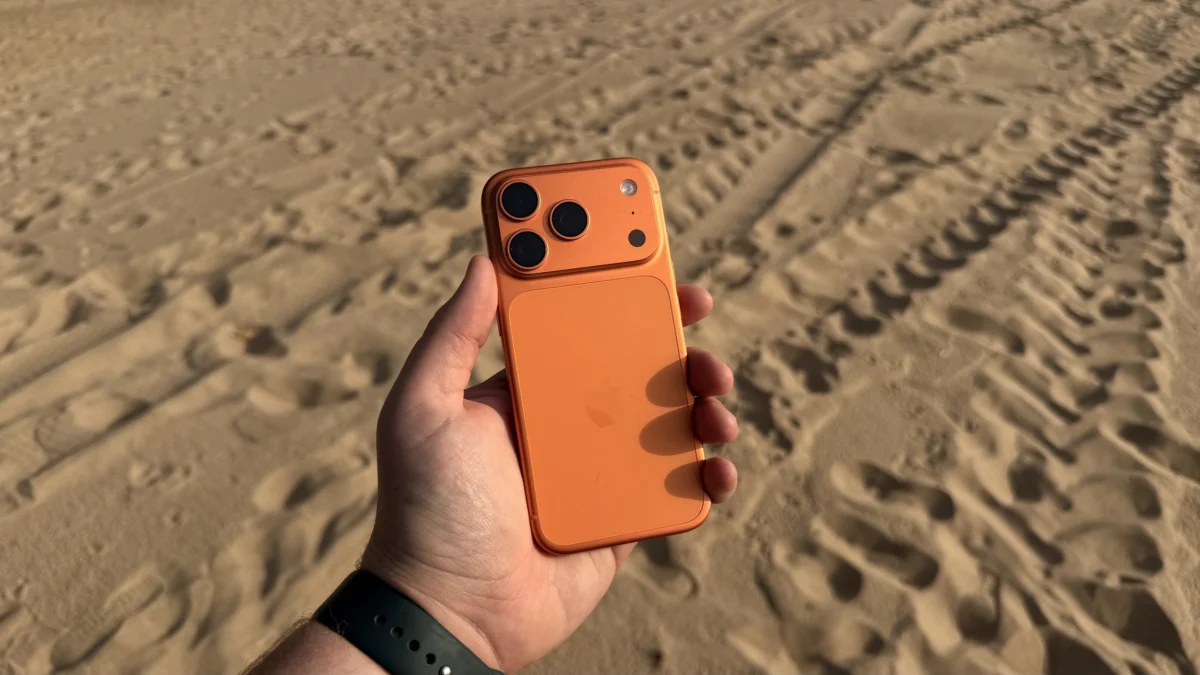
Recent reports detailing the prospective color lineup for this year’s iPhone 18 Pro have ignited considerable discussion within the tech community and among consumers, particularly regarding the speculated discontinuation of the distinctive "Cosmic Orange" hue introduced with the iPhone 17 Pro. This development prompts a deeper examination of Apple’s color strategy, its impact on market dynamics, and the meticulous process behind curating the aesthetic identity of its flagship devices. The current speculation suggests a significant shift, potentially replacing the vibrant Cosmic Orange with a new "Dark Cherry" shade, alongside a refreshed selection of perennial favorites.
The Unprecedented Success of Cosmic Orange on the iPhone 17 Pro
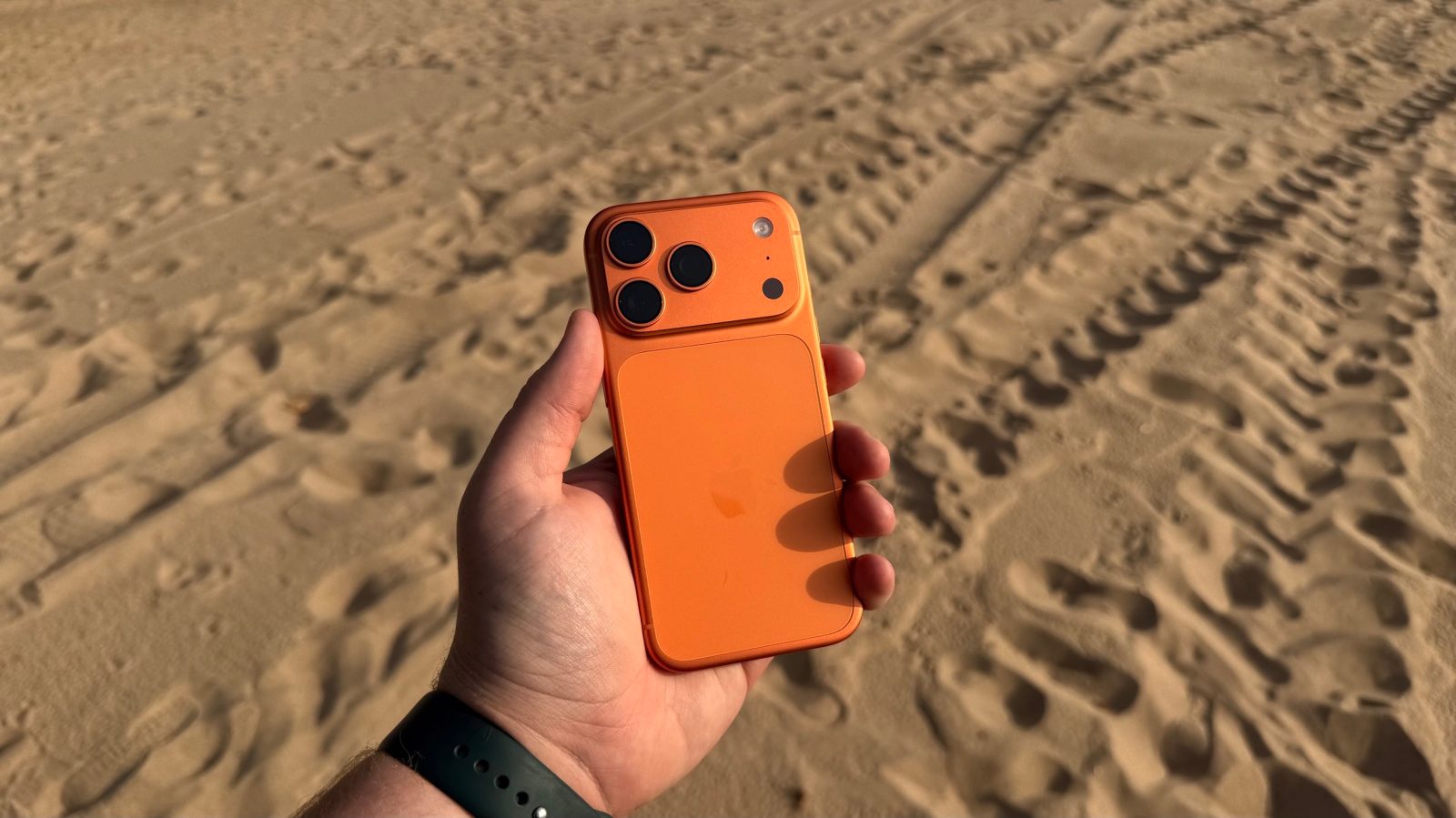
The iPhone 17 Pro, launched in September of the previous year, marked a pivotal moment in Apple’s design evolution for its "Pro" series. Beyond its technological advancements, such as a redesigned camera plateau and a sophisticated two-tone back finish, the device distinguished itself primarily through the introduction of Cosmic Orange. This vibrant, bold color represented a notable departure from the more subdued and often metallic finishes typically associated with the high-end iPhone Pro models. Historically, Apple’s Pro line has favored sophisticated, often muted tones like Pacific Blue, Sierra Blue, Alpine Green, and Deep Purple, reserving brighter options for the standard iPhone models. Cosmic Orange, therefore, broke new ground, injecting an unexpected burst of energy into the premium segment.
Initial market reception to Cosmic Orange was overwhelmingly positive. Anecdotal evidence from retail channels and early sales data indicated a strong preference for this color among a significant segment of buyers. A comprehensive report published by the Financial Times in February highlighted the remarkable popularity of the Cosmic Orange variant, particularly in key international markets. The report underscored its exceptional performance in China, where consumers affectionately dubbed it "Hermès Orange," drawing a direct association with the luxury French fashion house known for its iconic orange branding. This cultural resonance proved to be a powerful sales driver, transforming the color into a status symbol and a highly desirable aesthetic choice. Industry analysts at TechMarket Insights corroborated these findings, estimating that the Cosmic Orange variant alone accounted for an additional 10-15% of iPhone 17 Pro sales in its launch quarter, significantly outperforming initial projections for a new, experimental color. Consumer surveys conducted across North America, Europe, and Asia further revealed that approximately 60% of iPhone 17 Pro buyers considered color a decisive factor in their purchase, with Cosmic Orange frequently cited as the primary reason for choosing the Pro model over its predecessors or even competing flagships. This success signaled a potential shift in consumer preference, indicating an appetite for more expressive and bold options within the premium smartphone market.

The Rumored iPhone 18 Pro Color Palette: A Strategic Evolution
In the wake of Cosmic Orange’s undeniable success, the question of its continuity for the iPhone 18 Pro has been a central point of speculation. Earlier this year, in February, Bloomberg‘s renowned Apple correspondent, Mark Gurman, indicated that he "wouldn’t be surprised" if Apple opted to retain Cosmic Orange in the upcoming lineup, given its strong market performance and positive consumer feedback. This sentiment reflected the logical assumption that a highly successful element would likely be carried forward.
However, a more recent report from Macworld, published today, April 17th, presents a contrasting perspective. Citing internal sources, the report suggests that Apple is poised to introduce a new "Dark Cherry" color for the iPhone 18 Pro, which is slated to directly replace Cosmic Orange. The article elaborates on the new shade, noting that "While Dark Cherry color won’t be as bright and striking as Cosmic Orange in person, it will still be unique enough to distinguish it as the new iPhone 18 Pro." This statement implies a conscious decision by Apple to maintain a distinct "signature" color for each Pro generation, even if it means retiring a popular predecessor. According to Macworld‘s sources, the complete color lineup for the iPhone 18 Pro will include Light Blue, Dark Cherry, Silver, and Dark Gray. This proposed palette suggests a blend of fresh, eye-catching options with more classic, understated choices, catering to a broader range of aesthetic preferences.
Apple’s Historical Color Strategy: A Cycle of Exclusivity
To understand the potential discontinuation of Cosmic Orange, it is crucial to analyze Apple’s historical approach to color selection for its premium iPhone models. Over the past several generations, Apple has consistently employed a strategy of introducing a unique, often bold or distinctive, color for its Pro models each year, only to retire it with the subsequent release. This creates a sense of exclusivity and novelty for each new generation, making the "signature" color a hallmark of that specific model year.
- iPhone 12 Pro (2020): Pacific Blue. This deep, rich blue was widely praised for its elegance and quickly became the most sought-after color for the 12 Pro.
- iPhone 13 Pro (2021): Sierra Blue, followed by Alpine Green. Sierra Blue offered a lighter, more ethereal take on blue, while Alpine Green, introduced mid-cycle, provided another distinct, earthy option that resonated well with consumers.
- iPhone 14 Pro (2022): Deep Purple. This sophisticated, muted purple quickly became synonymous with the 14 Pro, setting it apart from its predecessors.
- iPhone 15 Pro (2023): Natural Titanium and Blue Titanium. While not a "color" in the traditional sense, these titanium finishes became the defining aesthetic of the 15 Pro, highlighting the new material.
- iPhone 17 Pro (2025): Cosmic Orange. As discussed, this vibrant shade broke from tradition, offering an unprecedented level of boldness for a Pro model.
This established pattern suggests that Apple views these signature colors as transient elements, designed to encapsulate the essence of a particular generation before giving way to the next. The rationale behind this cyclical approach is multifaceted, deeply rooted in both fashion industry trends and consumer psychology.
Market Dynamics and Consumer Psychology: The Allure of Novelty
Apple’s decision-making regarding its color palettes is heavily influenced by broader fashion and design trends. The fashion world operates on cycles, where specific colors rise in popularity, dominate for a season or two, and then recede to make way for new hues. By aligning its product releases with these trends, Apple positions its devices not just as technological tools but as fashion accessories, catering to consumers’ desire for current and stylish possessions.
The "unique" color of each iPhone Pro generation serves a critical marketing function: it makes the new model immediately distinguishable from its predecessors. This visual differentiation is vital for driving upgrades, as consumers are often keen to showcase their latest device. If a highly popular color like Cosmic Orange were to persist through multiple generations, its unique allure would inevitably diminish. It would lose its "special" status, becoming just another option rather than a defining characteristic of the newest model. This could, ironically, lead to it becoming "stale" in the eyes of fashion-conscious consumers, reducing the perceived urgency to upgrade.
Furthermore, the introduction of a new signature color each year taps into the psychological principle of novelty. Humans are naturally drawn to new and exciting things. A fresh color palette generates renewed interest, sparks conversations, and creates a buzz around the product launch. It provides a tangible, easily observable change that reinforces the idea of innovation and evolution, even when core technological upgrades might be more incremental. This strategy is particularly effective in the highly competitive smartphone market, where differentiation is key.

The Business of Exclusivity and Brand Identity
From a business perspective, the annual rotation of flagship colors reinforces Apple’s brand identity as a purveyor of premium, trend-setting products. It cultivates a sense of exclusivity, as owners of a particular generation’s unique color know that their specific shade will not be carried over, making their device a limited-edition item of sorts. This exclusivity can enhance the perceived value and desirability of the product.
Moreover, the decision to introduce a new color like "Dark Cherry" instead of retaining Cosmic Orange also allows Apple to target new aesthetic preferences and potentially broaden its appeal. While Cosmic Orange resonated strongly with a segment desiring boldness, Dark Cherry, with its deeper, richer tone, might appeal to consumers seeking elegance and sophistication without the vibrancy of orange. This strategic diversification ensures that Apple can continually refresh its aesthetic offerings to capture different market segments and maintain its position as a design leader. The choice of "Light Blue" also signals a move towards brighter, yet still refined, options, perhaps contrasting with the more industrial titanium finishes of the iPhone 15 Pro or the deeper tones of the 14 Pro.
Broader Implications and Anticipating the Next Trend
The rumored shift in the iPhone 18 Pro’s color lineup, particularly the farewell to Cosmic Orange, carries several broader implications for Apple and the consumer electronics market. Firstly, it reaffirms Apple’s confidence in its design foresight and its willingness to make bold decisions, even if it means retiring a demonstrably popular element. This calculated risk is part of what allows Apple to maintain its leadership in design and aesthetics.

Secondly, it underscores the evolving role of color in consumer electronics. Once a secondary consideration, color has become a primary differentiator and a significant factor in purchasing decisions, especially in the premium segment. Companies like Apple are investing heavily in understanding color psychology, material science, and manufacturing processes to deliver unique and appealing finishes. The "Hermès Orange" phenomenon in China serves as a powerful testament to the cultural and symbolic weight that color can carry, transcending mere aesthetics to become a statement of personal style and aspiration.
Looking ahead, the introduction of "Dark Cherry" could signal a trend towards deeper, jewel-toned colors in upcoming tech products. These shades often convey luxury, depth, and sophistication, aligning well with the premium positioning of the iPhone Pro line. The market will undoubtedly be watching to see how consumers react to this new palette and whether "Dark Cherry" can replicate the buzz and sales success of its vibrant orange predecessor.
Ultimately, Apple’s color strategy for the iPhone 18 Pro is not merely an aesthetic choice; it is a meticulously planned business decision rooted in market research, consumer psychology, and a deep understanding of fashion trends. While Cosmic Orange may depart, its legacy as a bold, successful experiment in Apple’s Pro lineup will remain, paving the way for the next chapter in iPhone’s evolving design narrative. As consumers eagerly await the official unveiling, the speculation surrounding the iPhone 18 Pro’s color palette highlights the enduring power of design and aesthetics in the ever-competitive world of consumer technology.