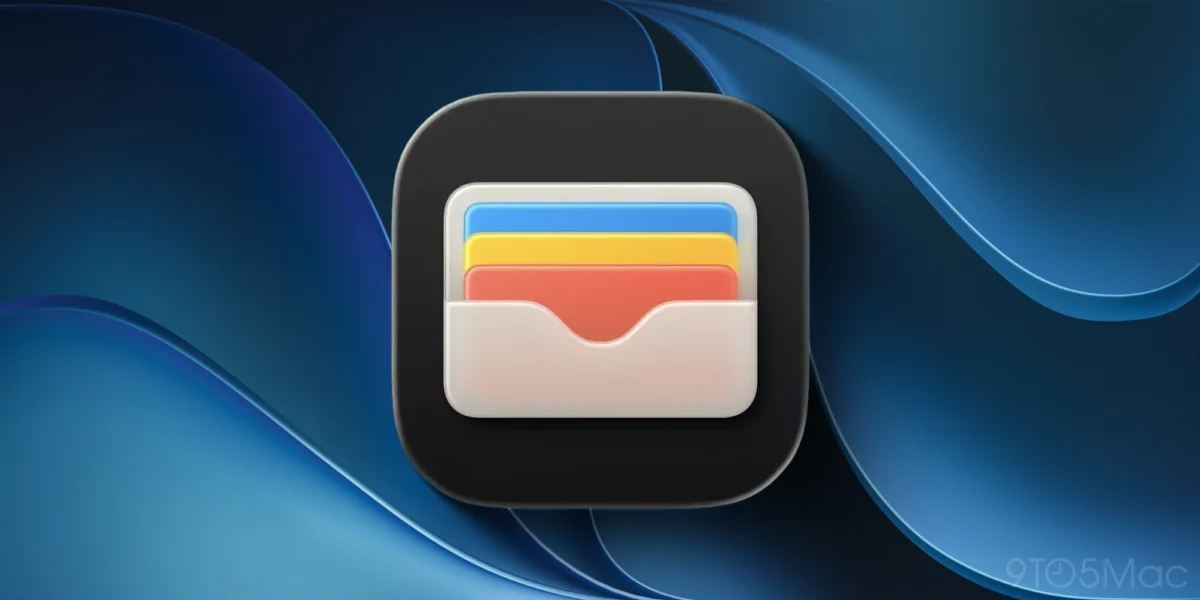
Apple is quietly expanding the infrastructure for its digital vehicle access ecosystem, with new code discovered in the company’s backend pointing toward upcoming Apple Wallet Car Key support for three additional automotive brands: Lincoln, Freelander, and Lucid. The discovery, first unearthed by sharp-eyed developer and code analyst Aaron Perris, signals that Apple is continuing to broaden its web of automotive partnerships despite a slow and deliberate rollout schedule that has spanned several years.
While backend additions do not guarantee an immediate public release, they have historically served as a reliable precursor to official feature launches. As technology and automotive sectors continue to converge, the ability to store a secure, digital car key on an iPhone or Apple Watch has transformed from a futuristic luxury into a heavily demanded consumer convenience. However, as of press time, Apple has yet to officially confirm which specific models or production years from Lincoln, Freelander, and Lucid will be compatible with the upcoming integration, nor has it provided a definitive deployment timeline.
The Background and Evolution of Apple Car Key
To understand the significance of these backend updates, it is necessary to examine the evolution of Apple Car Key since its initial introduction. Apple first unveiled the feature at its Worldwide Developers Conference (WWDC) in June 2020. Built upon the foundation of the Wallet app and leveraging Near Field Communication (NFC) and Ultra-Wideband (UWB) technologies, Car Key was designed to allow drivers to securely lock, unlock, and start their vehicles using an iPhone or Apple Watch.
In its earliest iterations, the feature relied primarily on standard NFC, requiring users to tap their iPhone against the vehicle’s door handle. As the technology matured, Apple integrated Ultra-Wideband support through its U-series chips. This advancement introduced passive entry capabilities, allowing vehicle owners to unlock and start their cars without ever removing their smartphones from their pockets or bags. Furthermore, the ecosystem expanded to include secure key sharing via apps like Messages, enabling owners to grant temporary or permanent access to family members or friends with strict permission controls.
Despite the promise of a completely keyless future, adoption across the global automotive industry has been gradual. Legacy automakers often move cautiously when integrating third-party digital security frameworks, prioritizing proprietary smartphone applications and over-the-air security protocols. Nevertheless, consumer demand has steadily pressured manufacturers to embrace standardized platform ecosystems like Apple Wallet and Google Wallet, which offer superior convenience, offline functionality via power reserve modes, and enhanced privacy protections.
A Timeline of Recent Backend Expansion
The inclusion of Lincoln, Freelander, and Lucid into Apple’s system code follows a sustained period of backend updates indicating rapid expansion within the transportation sector. Throughout the past year, observant analysts have tracked a steady influx of new automotive brands appearing in Apple’s server-side frameworks.
In July of this year, similar backend markers emerged for Tank, a rugged off-road vehicle brand manufactured by Great Wall Motor (GWM), one of China’s prominent domestic automakers. Shortly after the GWM Tank discovery, references to Haval—another major brand under the Great Wall Motor corporate umbrella—appeared in the same code blocks, signaling a deliberate push by Apple to capture market share among Asian manufacturers and global conglomerates.
These mid-year discoveries built upon a broader announcement made by Apple late last year. In December, the Cupertino-based tech giant officially previewed an impending wave of integrations, stating that Car Key would soon arrive across thirteen new vehicle brands. That initial list included Lucid, which had previously announced independent intentions to support the ecosystem, alongside legacy and contemporary nameplates such as Acura, Cadillac, Chevrolet, GMC, Porsche, and Rivian.
With the latest additions of Lincoln—the luxury division of Ford Motor Company—and Freelander, Apple is demonstrating a renewed momentum in signing both domestic American legacy brands and emerging international automotive players.
Analyzing the New Additions: What We Know About the Brands
The three newly discovered brands represent distinct segments of the modern automotive market, highlighting Apple’s strategy to appeal to luxury buyers, electric vehicle (EV) enthusiasts, and mainstream consumers alike.
Lucid Motors, an American manufacturer of luxury electric vehicles renowned for its high-performance sedans like the Lucid Air, has long been anticipated to integrate Apple Wallet capabilities. Given Lucid’s positioning as a technology-forward brand that frequently updates its vehicles via over-the-air software packages, native Car Key integration aligns seamlessly with the company’s product philosophy. Lucid’s prior commitments to the platform suggest that its software infrastructure is largely prepared for the rollout, making it a prime candidate for an imminent launch.
Lincoln, on the other hand, represents traditional American automotive luxury under the broader Ford corporate umbrella. Ford has selectively deployed digital key features through its own FordPass application, but integrating Apple Wallet Car Key marks a significant step toward adopting platform-native ecosystems. For Lincoln buyers, who prioritize premium comfort and seamless technological integration, supporting Apple Wallet offers a refined alternative to standalone manufacturer apps, which are occasionally criticized for slow load times and inconsistent connectivity.

Freelander’s inclusion in the backend code presents an interesting point of discussion for industry analysts. As a historic nameplate historically associated with Land Rover, the Freelander brand has recently been revived and restructured, particularly through joint ventures aimed at the electric vehicle market in international territories. The appearance of Freelander in Apple’s code suggests that upcoming vehicle lines bearing the badge are being engineered from the ground up to support modern digital ecosystems, ensuring compatibility with global smartphone standards.
Current State of the Ecosystem and Market Reach
As the backend code continues to populate with new names, the existing Apple Car Key ecosystem already spans a substantial portion of the global vehicle market. Today, the feature is supported by more than 50 distinct vehicle models across a diverse array of manufacturers.
Pioneering brands such as BMW and Mercedes-Benz were among the earliest adopters, offering robust Car Key integration across their luxury sedan and SUV lineups. They were subsequently joined by Hyundai, Kia, and Genesis—brands operating under the Hyundai Motor Group—which have aggressively democratized access to advanced digital key features across both mainstream and premium models. Additionally, Toyota and Rivian have integrated the technology into select production lines, bridging the gap between traditional internal combustion engine vehicles and the burgeoning EV market.
Despite this growth, feature availability remains heavily fragmented. Not every vehicle from a supported manufacturer automatically receives Car Key functionality. Implementation often depends on the specific trim level, the inclusion of specific hardware packages such as NFC sensors and UWB antennas, and regional market availability. Furthermore, older vehicle models rarely receive retroactive updates to support Apple Wallet, meaning consumers are largely restricted to newly manufactured model years.
Implications for Consumers and the Automotive Industry
The continuous expansion of Apple Car Key carries notable implications for both everyday consumers and the broader automotive industry. For drivers, the normalization of digital keys eliminates the friction associated with physical key fobs, while offering advanced security features such as device-level encryption and remote disablement via iCloud in the event an iPhone or Apple Watch is lost or stolen. The inclusion of power reserve mode also ensures that users can unlock and start their vehicles even if their iPhone battery has run completely depleted.
From an industry perspective, automakers are increasingly forced to weigh the benefits of proprietary software ecosystems against consumer preferences for universal standards. While some manufacturers initially resisted sharing vehicle access protocols with tech giants like Apple and Google in order to retain direct control over customer data and connected-car services, the market demand for seamless integration has largely won out. By partnering with Apple, traditional brands can enhance the perceived value and modernity of their vehicles without expending internal resources to develop bespoke digital key infrastructure from scratch.

Broader Technological Context: The Battle for the Connected Dashboard
Apple’s ongoing refinement of Car Key is part of a much larger, highly competitive struggle for dominance within the connected vehicle. Alongside Car Key, Apple continues to develop the next generation of CarPlay, its comprehensive in-vehicle infotainment interface designed to take over multiple instrument cluster screens and vehicle controls.
While CarPlay has faced resistance from certain high-profile automakers—such as General Motors, which famously announced plans to phase out projection-based systems in favor of built-in Android Automotive software—feature-specific integrations like Car Key remain universally appealing. Even manufacturers hesitant to cede total dashboard control to tech companies are often willing to adopt Wallet-based access, recognizing that consumers view digital keys as an essential convenience rather than an invasive entertainment system.
Looking ahead, industry analysts expect Apple to formally announce support for Lincoln, Freelander, and Lucid as part of upcoming iOS software updates or coordinated announcements with the respective automakers. Until then, owners of these vehicles must continue to rely on traditional fobs or manufacturer-specific mobile applications.
As code discoveries continue to map out the future of Apple’s automotive ambitions, the horizon points toward a steadily expanding digital ecosystem where the physical car key is destined to become a relic of the past, replaced entirely by the device already resting in the user’s hand or on their wrist.