Apple Music has recently implemented a price hike for its subscription services across various plans, affecting individual, family, and student tiers in the United States, the United Kingdom, and other European markets. This adjustment marks a notable shift in the pricing strategy for one of the leading music streaming platforms, prompting a closer examination of the underlying reasons and broader industry trends.

The price adjustments are effective immediately for new subscribers. Existing subscribers will experience the increased rates at the commencement of their next billing cycle. This move positions Apple Music in line with a growing trend among major streaming services to re-evaluate their pricing structures in response to evolving operational costs and market dynamics.
New Pricing Structure for Apple Music
In the United States, the revised subscription costs are as follows:
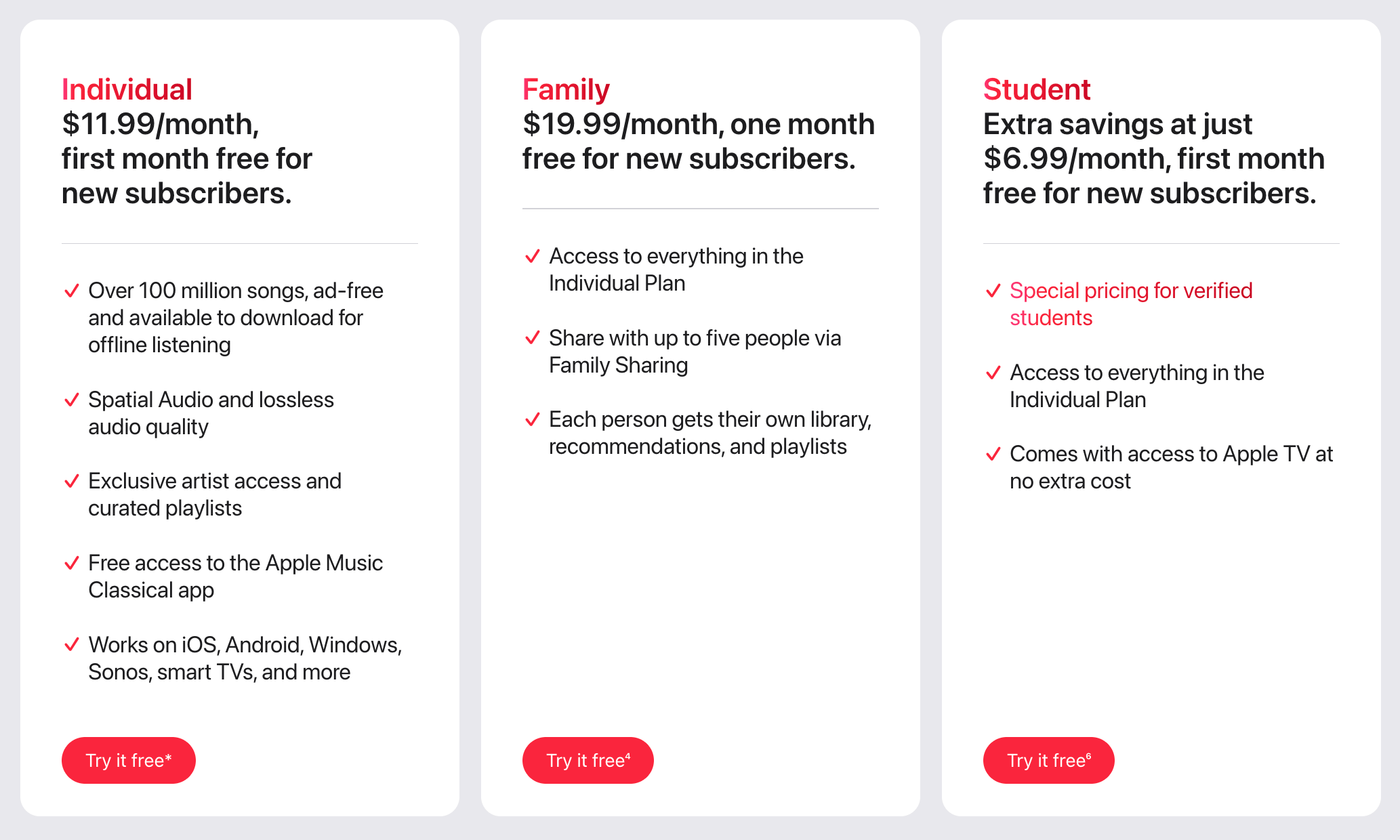
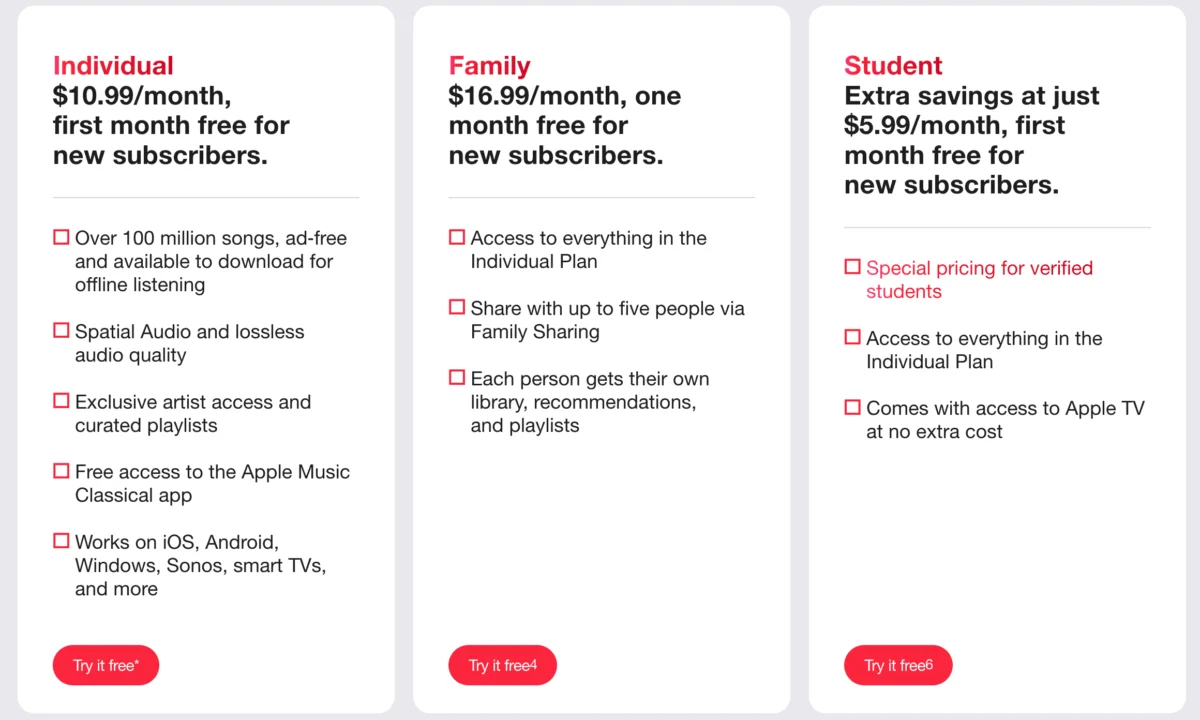
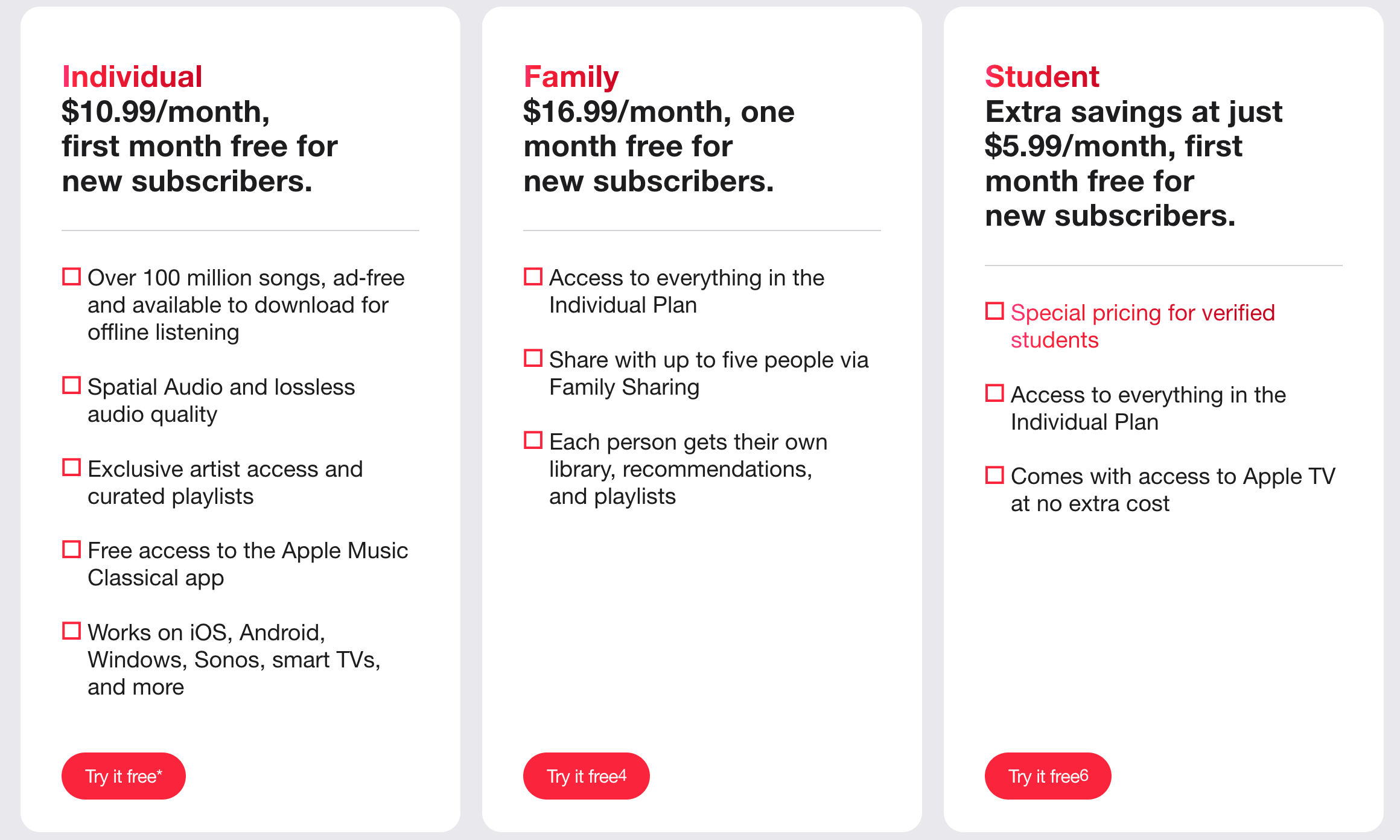
- Individual Plan: Increased from $10.99 to $11.99 per month, a rise of $1.
- Family Plan: Now priced at $19.99 per month, an increase of $3 from the previous $16.99. This plan allows up to six people to share an Apple Music subscription.
- Student Plan: Elevated from $5.99 to $6.99 per month, also a $1 increase. This tier requires verification of student status.
The core benefits and features associated with each plan, including access to the extensive Apple Music library, curated playlists, lossless audio, and spatial audio with Dolby Atmos, remain unchanged. This indicates that the price increase is not tied to an expansion of service features but rather to operational cost adjustments.
International Price Adjustments
The price increases are not confined to the U.S. market. Consumers in the United Kingdom and across the European continent have also seen their Apple Music subscription costs rise. While specific figures for each country vary based on local currency and market conditions, the upward trend is consistent. For instance, in the UK, reports indicate similar percentage increases across the individual and family plans, reflecting a coordinated global pricing adjustment strategy by Apple.
The Rationale Behind the Price Hike
Apple has provided a concise explanation for this pricing adjustment, citing "rising licensing costs" as the primary driver. In a statement to MusicBusinessWorldwide, the company confirmed that the increased subscription prices are a direct consequence of these escalating expenses. Licensing fees are a significant component of a music streaming service’s operating budget, representing payments made to record labels, music publishers, and artists for the rights to stream their content.
The music industry has long grappled with the economics of streaming. While streaming has become the dominant mode of music consumption and a significant revenue generator, the distribution of that revenue remains a contentious issue. Record labels and publishers, who represent the rights holders, have consistently pushed for higher royalty rates, particularly as the volume of music streamed globally continues to surge.

A Broader Industry Trend
The price increase for Apple Music is not an isolated incident but rather part of a broader pattern observed across the music streaming landscape. Several major players have adjusted their subscription fees in recent years, signaling a collective response to similar economic pressures.
- Spotify: The world’s largest music streaming service has also implemented multiple price increases. Earlier this year, Spotify raised its monthly subscription fees in the U.S., with individual plans now starting at $12.99 and family plans seeing a similar upward adjustment. These changes reflect Spotify’s ongoing efforts to balance subscriber growth with profitability.
- Amazon Music: Amazon Music Unlimited has also seen its subscription costs rise. In the past year, the service increased its monthly price for Prime members to $11 and for non-Prime subscribers to $12. This move aimed to align the pricing of its premium music offering with prevailing market rates and the value proposition of its broader Amazon Prime bundle.
These parallel price adjustments suggest that the economics of music streaming are undergoing a significant recalibration. Factors such as increased royalty payouts, the cost of acquiring exclusive content or features, and the need to invest in technological advancements are likely contributing to the pressure on streaming service margins.

Emerging Challenges: The Rise of AI in Music
Beyond the established financial pressures, the music streaming industry is also facing new and complex challenges posed by the rapid advancement of artificial intelligence (AI) in music creation. The emergence of AI-generated music presents a dual-edged sword:
- Potential for Content Saturation: AI can generate music at an unprecedented scale, potentially leading to an oversaturation of the market. This could make it harder for human artists to gain visibility and for listeners to discover new, high-quality content.
- Copyright and Royalty Issues: The legal and ethical implications of AI-generated music are still being debated. Questions surrounding copyright ownership, fair compensation for artists whose work might be used to train AI models, and the potential for AI to mimic existing artists’ styles are significant concerns.
- Listener Transparency: There is a growing demand for transparency regarding AI-generated content. Platforms are beginning to explore ways to label AI-created music, allowing listeners to make informed choices about what they consume. Tidal, for instance, has taken a more assertive stance on AI music, indicating a potential divergence in how different services will handle this emerging technology.
The music industry is actively working to establish frameworks for dealing with AI music. Efforts are underway to implement industry-wide AI labeling systems, enabling consumers to differentiate between human-created and AI-generated tracks. This proactive approach aims to safeguard the value of human artistry and ensure fair practices within the evolving music ecosystem.

The Future of Music Streaming Subscriptions
The recent price increases by Apple Music, coupled with similar moves by competitors, suggest a potential shift in the perceived value and cost of music streaming subscriptions. For consumers, these adjustments may necessitate a re-evaluation of their subscription choices and a closer look at the features and value propositions offered by different platforms.
The industry’s ability to navigate rising licensing costs, invest in innovation, and address the complex challenges posed by AI will be crucial in shaping the future of music streaming. As platforms strive to maintain profitability while offering diverse and high-quality musical experiences, consumers can expect continued evolution in both service offerings and pricing. The era of perpetually low-cost music streaming may be giving way to a more sustainable, albeit more expensive, model that better reflects the intricate value chain of music creation and distribution. The long-term implications of these pricing strategies will likely influence consumer behavior, artist compensation models, and the overall trajectory of the digital music industry.