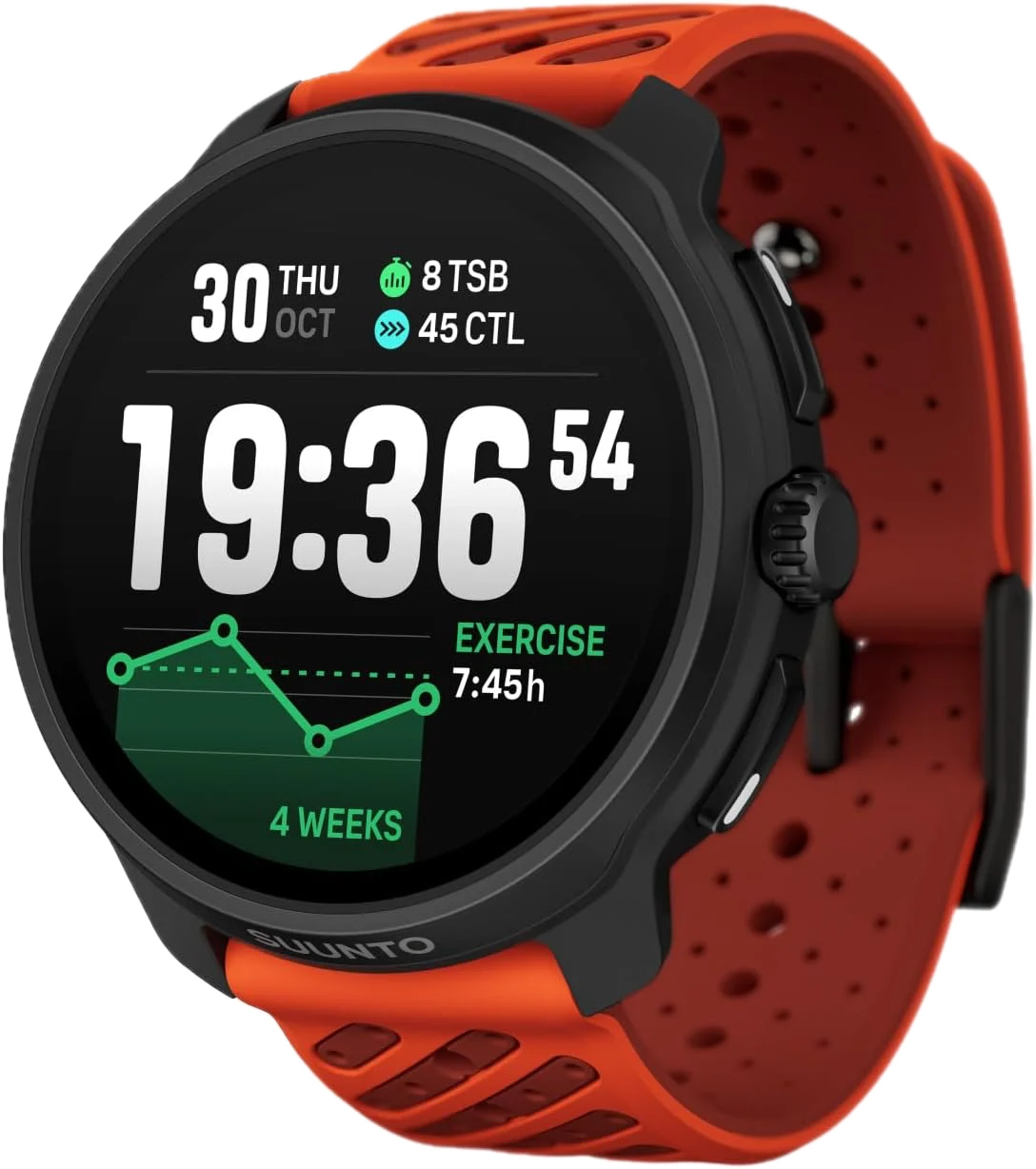
Suunto, the Finnish manufacturer of sports watches, dive computers, and precision instruments, has officially announced its significant Q2 software update, introducing a suite of new functionalities designed to enhance the user experience across its flagship hardware and mobile application platforms. This latest release, which follows the company’s established quarterly cadence, brings substantial firmware improvements to the Suunto Race 2 and Suunto Vertical 2, while simultaneously rolling out ecosystem-wide updates to the Suunto mobile app. The announcement marks a pivotal moment in Suunto’s software strategy, reflecting a shift toward prioritizing current-generation hardware for the most advanced features, a move that aligns the brand more closely with the product lifecycles seen in competitors like Garmin and Wahoo.
The Q2 update represents a multi-faceted approach to wearable technology, focusing on four primary pillars: enhanced geospatial visualization, expanded data storage, specialized environmental forecasting, and refined training metrics. While previous updates from Suunto often extended to older models in the lineup, this particular firmware cycle is specifically targeted at the most recent iterations of the Race and Vertical series, which were released less than a year ago. This strategic narrowing of support has sparked discussions within the endurance sports community regarding Suunto’s long-term software roadmap and the hardware requirements necessary to power increasingly complex mapping and data processing features.
Advanced Mapping and Navigation Enhancements
The centerpiece of the firmware update for the Suunto Race 2 and Vertical 2 is a significant overhaul of the on-device mapping capabilities. Recognizing that navigation is a core use case for its "Vertical" and "Race" demographics—comprising trail runners, mountaineers, and explorers—Suunto has introduced more granular map labeling. Users will now find it easier to identify water features and mountain peaks directly on the watch face. These labels provide critical situational awareness for outdoor athletes navigating unfamiliar terrain where identifying landmarks is essential for safety and orientation.
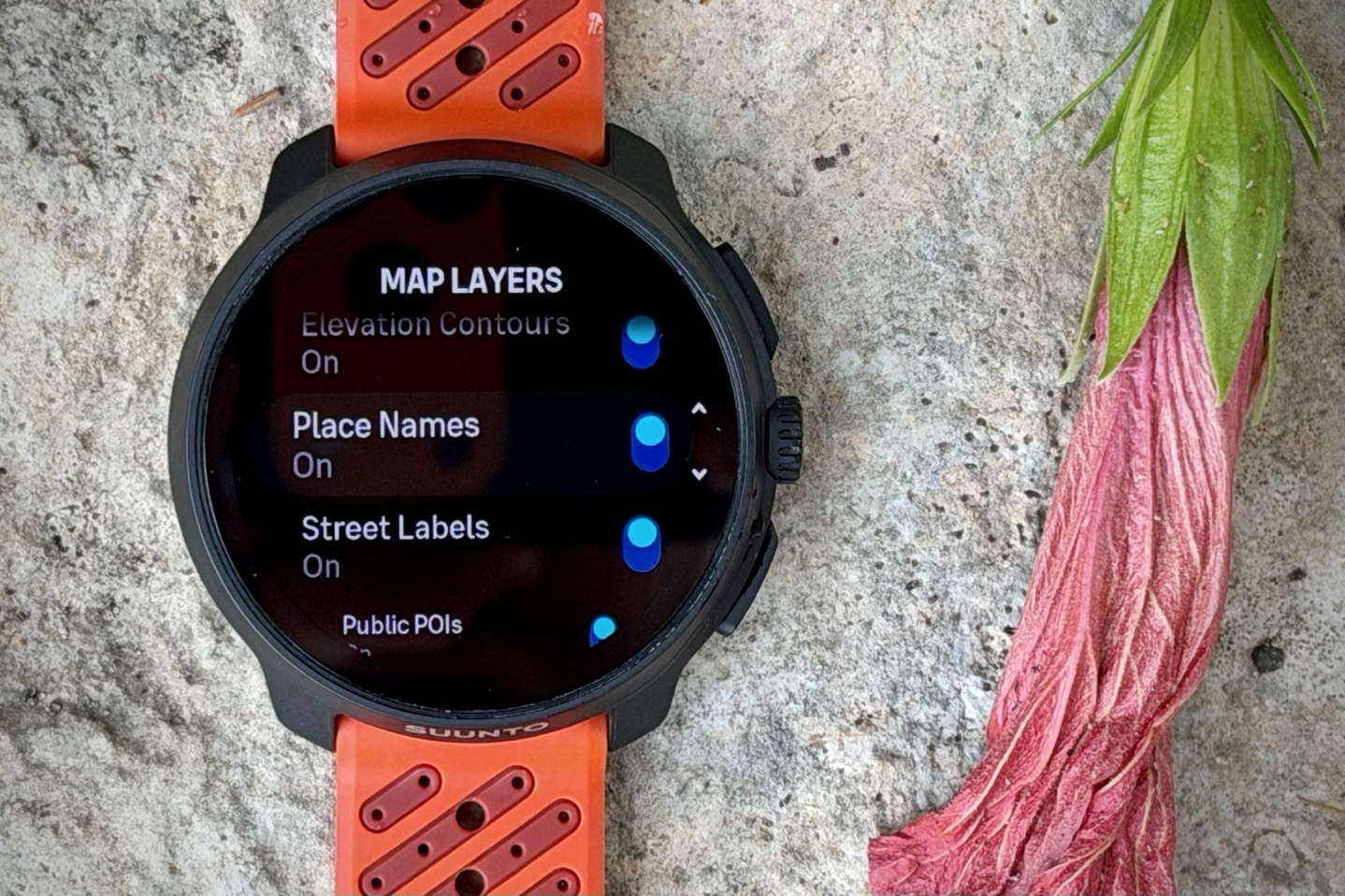
Furthermore, Suunto has introduced a new map layer selection option. This feature allows users to toggle specific data overlays on or off depending on their immediate needs. The available layers include contour lines for elevation tracking, place names for general navigation, street labels for urban or hybrid environments, and Point of Interest (POI) listings. By allowing users to customize the density of information on the screen, Suunto addresses a common criticism of small-screen navigation: visual clutter. Athletes can now strip the map down to essential topographic data during a mountain ascent or enable full street and POI details when navigating through a city.
In a move that addresses a long-standing request from the Suunto community, the company has drastically expanded the device’s route storage capacity. Previously limited to a maximum of 15 routes, the Suunto Race 2 and Vertical 2 can now store up to 200 routes simultaneously. This increase represents a more than 1,200% improvement in storage efficiency and utility, allowing users to keep an entire season’s worth of race courses, training paths, and exploration routes on their wrists without the need for constant syncing and deletion via the mobile app.
Targeted Training and Environmental Data
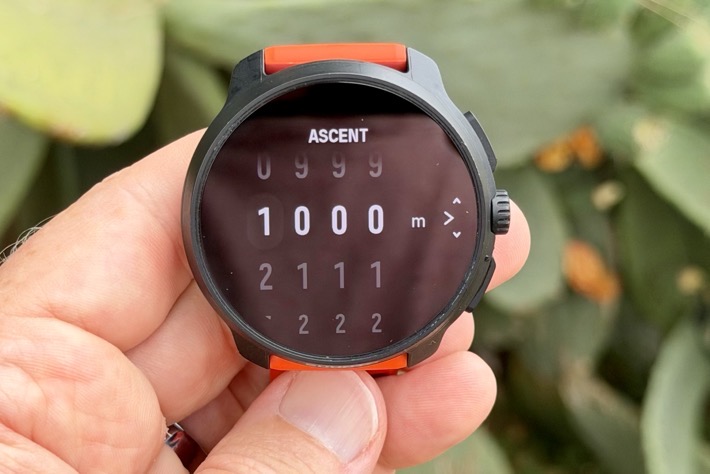
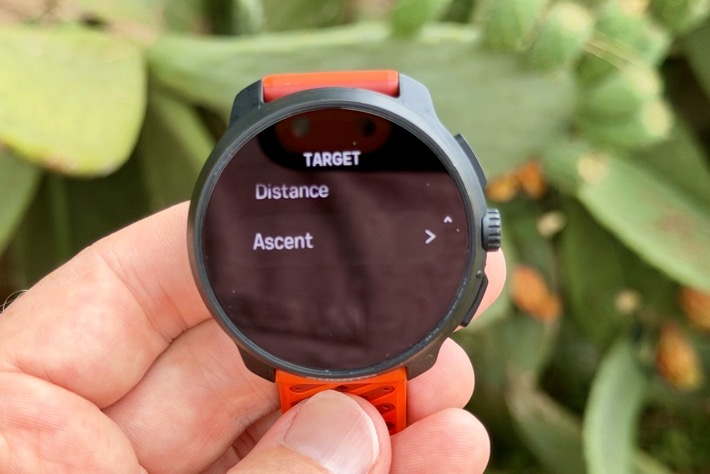
Beyond navigation, the Q2 update introduces several features aimed at performance optimization and environmental awareness. A new vertical gain training target has been added to the workout suite. This allows athletes to set a specific ascent goal in vertical meters before beginning a session. For mountain runners and cyclists, vertical gain is often a more relevant metric for training load than horizontal distance. The watch provides real-time feedback on progress toward this altitude-based goal, facilitating better pacing during high-gradient efforts.
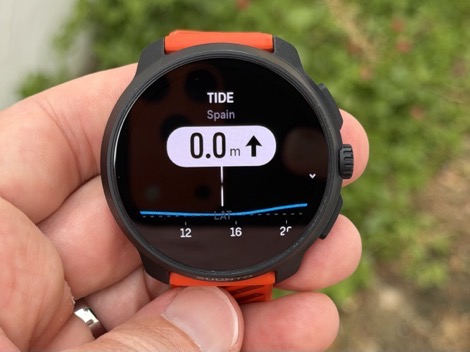
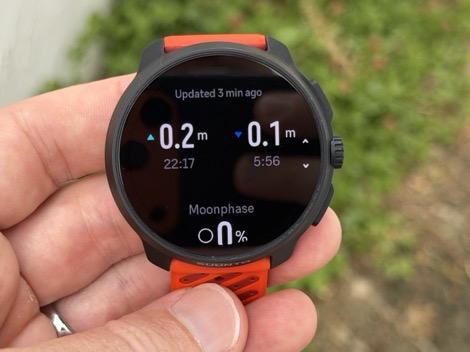
Environmental data has also been bolstered with the addition of a tides forecast feature. Unlike some competitors that store a static global tide database locally, Suunto’s implementation relies on a synchronization model with the Suunto mobile app. When the watch is connected to a smartphone, it pulls localized tide data, including high and low tide timings and water levels. This feature is particularly valuable for coastal athletes, such as kite surfers, open-water swimmers, and coastal trail runners. However, the implementation requires the smartphone to be in proximity to update the data, and early feedback suggests that users would benefit from more specific location headers to ensure the data corresponds to their exact coordinates rather than a previously cached location.
To improve the technical efficiency of the device ecosystem, Suunto has implemented a new compression algorithm for SuuntoPlus apps. By compressing these mini-applications during the synchronization process, the company has significantly increased the speed at which new features and data screens are transferred from the phone to the watch. Additionally, a new QR code pairing option has been introduced to streamline the initial setup and sensor pairing process, reducing the friction often associated with Bluetooth discovery.
Expansion of the Suunto App Ecosystem
The Q2 update extends beyond the wrist, with several enhancements to the Suunto mobile application designed to improve post-activity analysis and route planning. One of the most notable additions is the new shading option in 3D maps. This visualization tool highlights steep sections of a planned or completed route, providing a clear visual representation of gradient changes. This is complemented by the introduction of a "City Map" type, which features 3D styling for buildings, making urban navigation and activity review more intuitive.
For social-minded athletes, Suunto has updated its sharing overlays. When exporting an activity to social media or messaging platforms, users can now choose from a variety of backgrounds and data overlays that highlight key metrics such as power, distance, and elevation gain. The profile section of the app has also been redesigned to emphasize personal achievements, featuring a more prominent layout for badges and personal records (PRs).
Specialized Updates for the Suunto Ocean
While much of the focus has been on the Race and Vertical lines, Suunto has also released a specialized update for the Suunto Ocean, the brand’s flagship dive and sports watch hybrid. The Ocean now includes a CCR (Closed Circuit Rebreather) mode, bringing it in line with Suunto’s dedicated dive computers like the EON series. This mode is essential for technical divers who use rebreather systems to recycle their breathing gas.
Additional dive-centric updates for the Suunto Ocean include support for multiple tank pods, allowing divers to monitor gas pressure across several cylinders simultaneously. New TTS (Time to Surface) values have been added to provide more accurate decompression data. Perhaps most significantly for multi-sport users, the update adds support for heart rate belts during dives, allowing for more accurate physiological tracking in underwater environments.
Chronology and Market Context
Suunto’s release schedule has become increasingly predictable, a strategy intended to maintain consumer engagement in a highly competitive wearable market. This Q2 update follows the April 2026 update and the January 2026 release. Historically, Suunto was known for supporting older hardware for several years. However, the exclusion of the original Suunto Race and the Suunto Race S from this latest firmware cycle suggests a shift toward a hardware-locked feature rollout.
This trend mirrors the strategies of industry giants like Garmin, where certain software features are reserved for the latest "Pro" or "S" models to encourage hardware upgrades. In contrast, brands like COROS have recently doubled down on backwards compatibility, bringing new metrics to older units to foster brand loyalty. Suunto’s decision to limit the Q2 update to the "Version 2" hardware likely stems from the increased processing power and memory required to handle the new layered mapping and expanded route storage.
Implications for the Endurance Tech Industry
The technical improvements in this update, particularly the expansion of route storage and the refinement of 3D mapping, signal Suunto’s intent to remain the preferred choice for "off-grid" athletes. By focusing on verticality and topographic detail, Suunto is leaning into its heritage as a compass and precision instrument maker.
The broader implication for the industry is the continued move toward "Software as a Service" (SaaS) style updates for hardware. As the hardware capabilities of AMOLED displays (found in the Race 2) and high-efficiency MIP displays (found in the Vertical 2) diverge, manufacturers are finding it increasingly difficult to maintain a unified software experience across all price points.
For the consumer, the Q2 update provides a significant boost in utility for those who have invested in the latest hardware. The jump to 200 routes alone solves one of the most persistent "quality of life" issues for Suunto users. As the update rolls out globally via the Suunto app, the company continues to refine its position as a high-performance alternative to the mass-market fitness trackers, focusing on the specific, often rugged, needs of the outdoor community. Information regarding the update’s availability can be found within the Suunto app, where users are prompted to download the latest firmware as it becomes available for their specific serial number batches.