The landscape of wearable health technology has reached a significant milestone with the introduction of the Signal Ring, a specialized smart ring designed by startup Vital Signals that promises to deliver accurate systolic and diastolic blood pressure readings without the traditional requirement for cuff-based calibration. While industry leaders like Apple and Oura have integrated various health-monitoring features into their flagship products, the Signal Ring represents a focused shift toward chronic disease management, specifically targeting hypertension—a condition frequently referred to by medical professionals as the "silent killer." Priced at $399 and launching without a recurring subscription fee, the device aims to fill a critical diagnostic gap for older populations and those at high risk of cardiovascular events.
The Evolution of Wearable Blood Pressure Monitoring
For years, the integration of blood pressure monitoring into consumer wearables has been considered the "holy grail" of the industry. Traditional methods of measuring blood pressure require an inflatable cuff that temporarily occludes blood flow in the brachial artery, allowing a sensor or a physician to listen for Korotkoff sounds. While highly accurate, these devices are bulky and only provide a snapshot of a user’s health at a single moment in time.
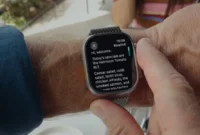
In the wearable space, companies have struggled to replicate this accuracy. The Apple Watch, specifically models running watchOS 26, has introduced sophisticated algorithms to detect signs of hypertension. These models, including the Apple Watch Series 10, 11, 12, and the Ultra 2 and 3, utilize optical sensors to monitor pulse wave velocity and other cardiovascular metrics. However, Apple’s implementation remains conservative; rather than providing specific numerical readings (e.g., 120/80 mmHg), the device generates alerts when it detects patterns consistent with high blood pressure. This approach serves as a screening tool rather than a diagnostic one.
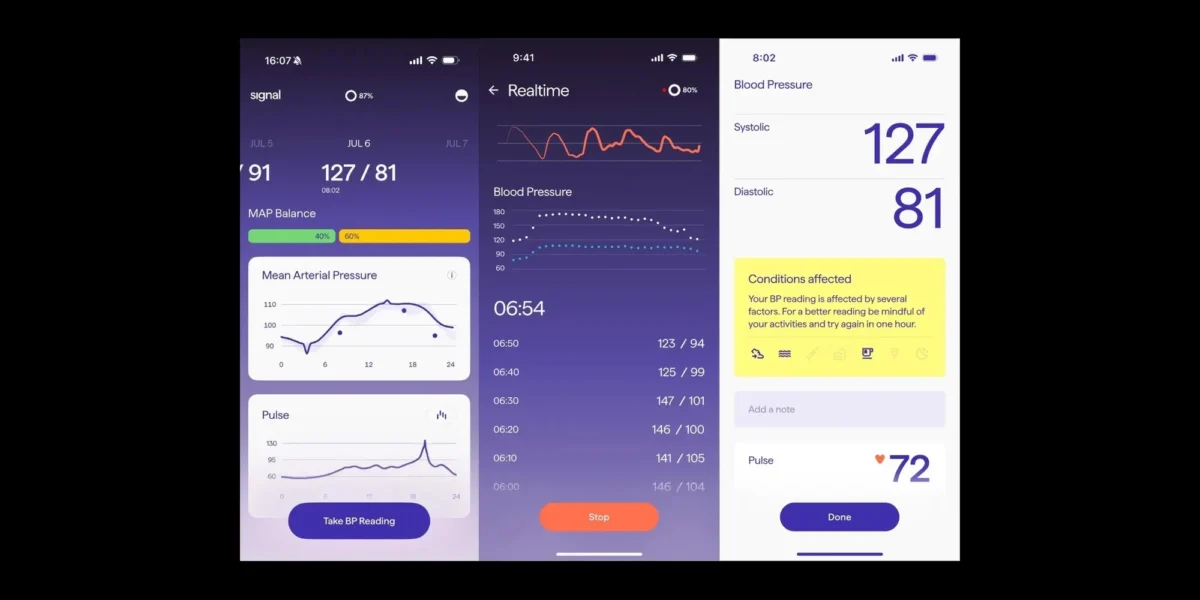
The Signal Ring departs from this trend by offering full, real-time blood pressure measurements. Unlike existing competitors that require users to calibrate their wearable against a medical-grade cuff every few weeks, Vital Signals claims its proprietary sensor technology and algorithms provide accurate data out of the box. This claim is reportedly supported by a clinical trial involving thousands of participants, positioning the Signal Ring as a potential disruptor in the medical-grade wearable market.
The Critical Threat of Hypertension and Hypotension
The medical necessity for continuous blood pressure monitoring cannot be overstated. Hypertension, or high blood pressure, affects over 1.2 billion people worldwide, according to the World Health Organization. It is a leading cause of premature death, contributing to heart failure, kidney disease, and stroke. Because it often presents no symptoms until a major cardiovascular event occurs, many individuals remain undiagnosed for years.

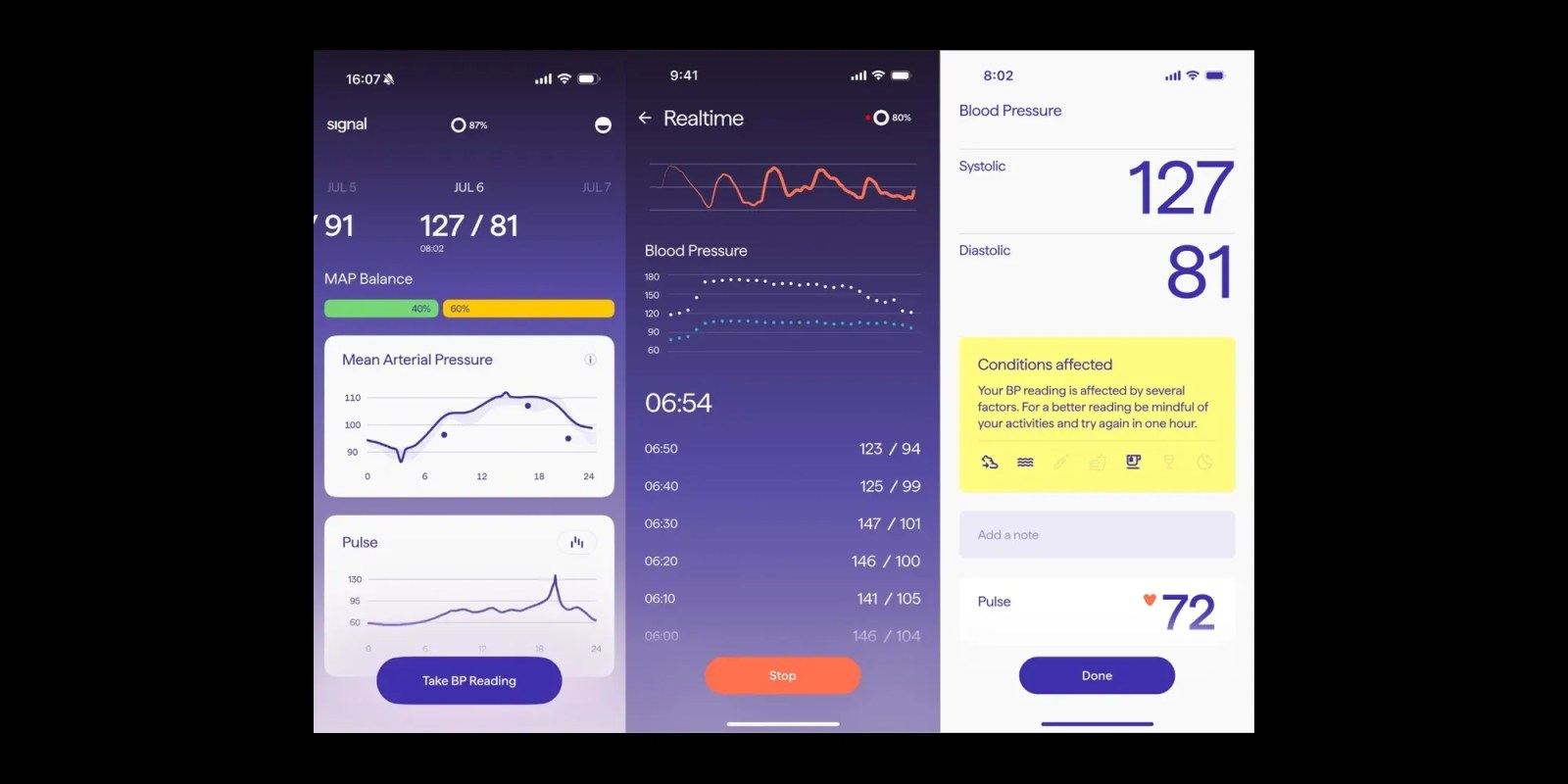
Conversely, hypotension (low blood pressure) can lead to dizziness, fainting, and falls, which are particularly dangerous for the elderly. The ability to monitor these fluctuations throughout the day—during sleep, exercise, and periods of stress—provides a much more comprehensive view of a patient’s cardiovascular health than occasional clinical check-ups. The Signal Ring’s companion app is designed to synthesize this data into actionable trends, allowing users and their healthcare providers to see how lifestyle choices and medications affect their readings over time.
The Origins of Vital Signals and the Signal Ring
The development of the Signal Ring was driven by a personal health crisis. Tom Moss, the CEO of Vital Signals, founded the company following a near-death experience involving undiagnosed hypertension. Moss, a veteran of the tech industry with previous leadership roles at drone manufacturer Skydio and hardware companies Razer and Nextbit Systems, realized that despite the proliferation of health trackers, there was no consumer-friendly way to monitor blood pressure continuously and accurately.
"Fundamentally, there’s almost no real way for you to truly know your blood pressure as a consumer, and it’s kind of crazy," Moss stated during the product announcement. His transition from consumer electronics to health technology reflects a broader trend of Silicon Valley executives pivoting toward "MedTech" to solve personal and systemic health challenges.
Moss’s vision for the Signal Ring is intentionally narrow. Unlike the Oura Ring or the Apple Watch, which attempt to be "all-in-one" devices tracking sleep, steps, blood oxygen, and menstrual cycles, the Signal Ring is a specialized tool. Moss has been transparent about the device’s limitations, suggesting that younger, healthier individuals who are looking for general fitness tracking might be better served by an Apple Watch or an Oura Ring. The Signal Ring is built for those for whom blood pressure monitoring is a daily medical necessity.
Technical Specifications and Clinical Validation
The Signal Ring’s ability to provide readings without calibration is rooted in its advanced PPG (photoplethysmography) sensors. While most smart rings use PPG to measure heart rate and oxygen saturation, the Signal Ring uses high-frequency sampling to analyze the shape and speed of the pulse wave as it travels through the finger’s digital arteries.
Key features of the Signal Ring include:
- Calibration-Free Operation: Eliminates the need for a secondary arm cuff for setup or maintenance.
- No Subscription Model: Unlike the Oura Ring, which requires a monthly fee to access deep data insights, the Signal Ring’s $399 price point includes lifetime access to its software suite.
- Continuous Monitoring: The device takes readings periodically throughout the day and night without requiring user intervention.
- Medical-Grade Aspirations: While the device is currently awaiting formal clearance from the U.S. Food and Drug Administration (FDA), the company’s internal data suggests its accuracy levels rival those of traditional sphygmomanometers.
The decision to bypass a subscription model is a strategic move to appeal to an older demographic that may be wary of recurring digital costs. By positioning the ring as a one-time purchase of a medical tool, Vital Signals hopes to integrate more easily into the existing healthcare routines of seniors.
Comparative Market Analysis: Apple, Oura, and Samsung
The entry of the Signal Ring comes at a time of intense competition in the smart ring market. Samsung recently entered the fray with the Galaxy Ring, and Oura remains the dominant incumbent. However, both of these devices focus heavily on "readiness" scores and sleep hygiene.
Apple’s approach has been more cautious, likely due to the regulatory hurdles associated with marketing a device as a medical-grade blood pressure monitor. By providing "hypertension alerts" rather than raw data, Apple avoids some of the stricter FDA classifications required for diagnostic tools. The Signal Ring’s bold claim of providing systolic and diastolic numbers puts it in a different regulatory and functional category, appealing to "power users" of health data who require more than just a notification that something might be wrong.
The Signal Ring’s launch timeline—with pre-sales beginning immediately and shipping scheduled for October—suggests that Vital Signals is confident in its manufacturing and regulatory roadmap. The $399 price point places it at the premium end of the market, but for patients managing chronic hypertension, the cost may be justified by the convenience of cuff-less monitoring.
Implications for the Healthcare Industry
The shift toward continuous, non-invasive blood pressure monitoring could fundamentally change how hypertension is managed. Currently, doctors often deal with "white coat hypertension," where a patient’s blood pressure spikes in a clinical setting due to anxiety, or "masked hypertension," where readings are normal in the office but high elsewhere.
Wearables like the Signal Ring provide "ambulatory blood pressure monitoring" data, which is widely considered the gold standard for diagnosing and managing the condition. If successful, the Signal Ring could reduce the frequency of office visits and allow for more precise titration of blood pressure medications.

Furthermore, the data collected by thousands of Signal Ring users could contribute to larger longitudinal studies on cardiovascular health. By observing how blood pressure reacts to various environmental and physiological stressors in real-time across a diverse population, researchers may gain new insights into the early warning signs of heart disease.
Future Outlook and Availability
As the Signal Ring prepares for its October release, the tech and medical communities will be watching closely to see if the device lives up to its "calibration-free" promise. The success of the device could force competitors like Apple and Samsung to accelerate their own blood pressure roadmaps, potentially leading to a new era where cardiovascular monitoring is as ubiquitous as step counting.
For now, Tom Moss and Vital Signals are focusing on their core mission: providing a specialized tool for a specific problem. By targeting the "at-risk" population rather than the general fitness enthusiast, the Signal Ring carves out a unique niche in an increasingly crowded market. For the millions of people living with the "silent killer," this small piece of jewelry may represent a significant leap forward in personal safety and long-term health management.