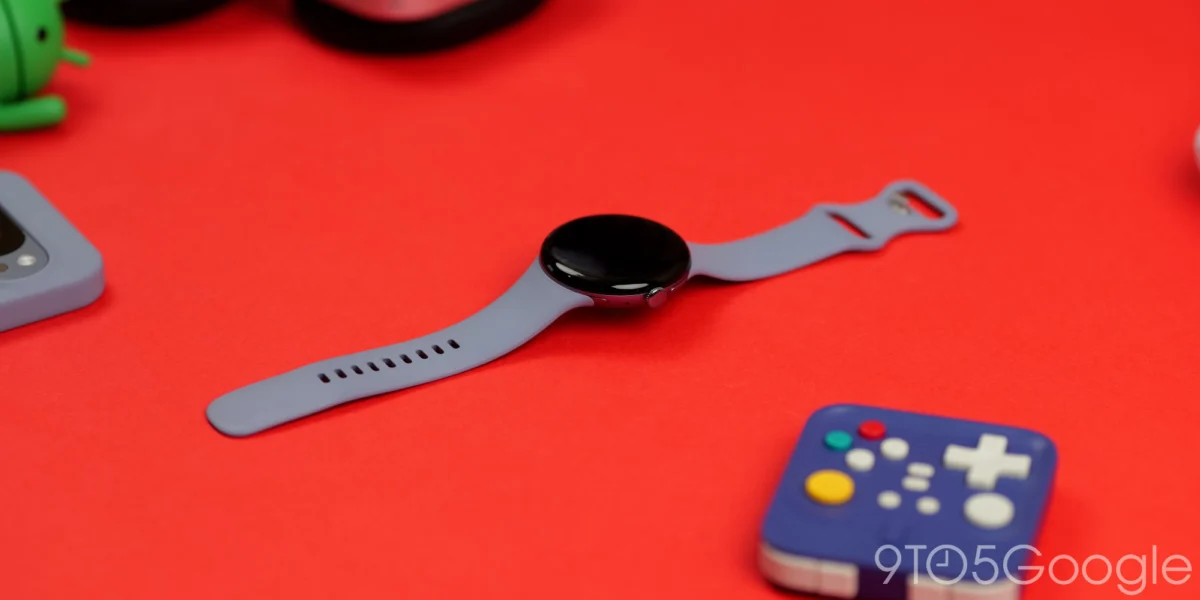
Google has officially commenced the rollout of its September 2026 Feature Drop, a comprehensive software update package that brings significant intelligence-driven enhancements to its wearable ecosystem. This latest deployment focuses heavily on integrating advanced artificial intelligence directly onto the wrist, specifically targeting the Pixel Watch 2, Pixel Watch 3, and the newly released Pixel Watch 4. As Google continues to refine the Wear OS experience, this update marks a pivotal shift toward making the smartwatch an indispensable hub for personal productivity rather than merely a notification relay or fitness tracker.
The Evolution of the Pixel Watch Software Ecosystem
The September 2026 update follows a well-established pattern of quarterly "Feature Drops" that Google initiated to ensure that its hardware retains value long after the initial point of sale. Unlike traditional operating system updates that often occur annually, the Feature Drop model allows the company to iterate on user feedback and technological breakthroughs in real-time.
Historically, these drops have introduced features ranging from fall detection and SpO2 monitoring to the integration of the Google Home app and enhanced map navigation. By including the Pixel Watch 2 in this cycle, Google is reinforcing its commitment to long-term software support, effectively extending the lifecycle of its older models while showcasing the superior hardware capabilities of the Pixel Watch 4. While the official build numbers have been disseminated through Google’s support channels, the technical community is currently awaiting the availability of factory and Over-The-Air (OTA) images, which are expected to populate the developer portal in the coming days.
Gemini Personalization: Intelligence on the Wrist
The cornerstone of this update is the arrival of "Gemini Personalization" across the entire supported range of Pixel watches. This feature represents the culmination of Google’s efforts to miniaturize its large language model (LLM) capabilities for low-power mobile hardware. By leveraging a hybrid architecture that combines an offline user profile with real-time online retrieval, Google aims to provide responses that are not only accurate but deeply contextual.
In practical application, this means that the Pixel Watch can now parse data from a user’s Google ecosystem—specifically Gmail, Calendar, Search, YouTube, and Photos—to answer nuanced queries. A user might ask, "What is my first meeting tomorrow?" or "Find the tracking number for my recent delivery in my email," and receive a concise, actionable answer directly on their watch face.
This implementation is particularly significant because it addresses the privacy concerns often associated with cloud-based AI. By utilizing an "offline user profile," Google is attempting to ensure that sensitive data processing happens locally whenever possible, reducing the latency involved in querying the cloud. This hybrid approach is likely to set a new industry standard for wearables, as competitors struggle to balance battery life, processing constraints, and AI utility.
Enhanced Hardware Interactions and Gesture Control
While the software-based AI improvements apply broadly, the update also introduces hardware-specific optimizations that highlight the evolution of Google’s wearable engineering. Users of the Pixel Watch 3 and newer iterations receive a set of performance improvements tailored to their specific sensor arrays. These improvements are designed to streamline the interface, reduce frame drops, and ensure that the transition between apps is fluid.
Perhaps most notable for power users is the upgrade to the "raise-to-talk" functionality for the Pixel Watch 4. This feature, which allows users to activate the voice assistant by simply lifting their wrist toward their mouth, has been enhanced via a new, more sophisticated gesture model. Previous iterations of this technology occasionally suffered from false triggers or missed activations; by updating the underlying machine learning model, Google has effectively reduced the error rate in gesture recognition. This improvement implies a more refined sensor fusion process, where the watch better interprets the acceleration and orientation data from the internal IMU (Inertial Measurement Unit) to distinguish between intentional gestures and accidental movements.
Contextualizing the September 2026 Update
To understand the weight of this update, one must look at the competitive landscape of the wearable market. In late 2026, the battle for the wrist is no longer about step counts or heart rate accuracy—those metrics have become commoditized. The new frontier is "proactive assistance."
Market data from mid-2026 indicates that users are increasingly frustrated with the limited interaction capabilities of smartwatches, often finding themselves reaching for their smartphones to perform tasks that should be possible on a watch. By integrating Gemini directly, Google is attempting to minimize "device friction." If a user can resolve a query—such as checking a calendar, verifying an email, or setting a reminder based on a photo—without touching their phone, the perceived value of the Pixel Watch increases exponentially.
Furthermore, the inclusion of the Pixel Watch 2 in this update is a strategic move to maintain brand loyalty. By ensuring that a device released years prior still receives the latest AI-driven features, Google is positioning the Pixel ecosystem as a premium, long-term investment. This contrasts with the industry trend of "planned obsolescence," where software features are often locked behind new hardware generations.

Implications for Future Wearable Development
The technical architecture of this update suggests that the next generation of Wear OS devices will focus on "Ambient Computing." Ambient computing refers to a state where technology is always available but remains unobtrusive, reacting to user context before the user even explicitly requests help. The Gemini Personalization feature is a prerequisite for this vision; it turns the watch into a listener that understands the user’s specific calendar, communication style, and digital habits.
Industry analysts suggest that this shift will force other manufacturers to accelerate their own AI integration. Samsung, Apple, and Garmin are all currently exploring similar avenues, but Google’s advantage lies in its deep integration with the Google Workspace suite. Because Gmail, Calendar, and Search are the primary tools of the digital workforce, Google’s ability to bridge these services on a wearable platform provides a unique value proposition that is difficult for independent hardware manufacturers to replicate.
Reliability and Technical Stability
Alongside the high-profile features, the changelog concludes with the standard "General bug fixes and improvements." While often dismissed by casual users, these under-the-hood refinements are critical for the stability of the platform. In the context of Wear OS, this usually involves optimizing power consumption for background services, improving Bluetooth connectivity stability, and ensuring that the watch faces remain responsive even when high-demand apps are running in the background.
The absence of major reported issues during the initial deployment phase suggests that Google’s testing regimen—which likely included months of beta testing with developer cohorts—has been successful. The deployment process is staggered, meaning that while the update was announced today, it may take several days for all users globally to receive the notification. This phased approach is a standard practice for Google, serving as a safeguard against unforeseen server-side issues or regional bugs.
Final Thoughts on the Feature Drop
The September 2026 Feature Drop serves as a clear indicator of where the Pixel Watch brand is headed. By focusing on AI integration, improved sensor interaction, and long-term support for previous models, Google is effectively carving out a niche for the Pixel Watch as the "intelligent" choice in a crowded market.
For the end user, this update is more than just a software refresh; it is a fundamental upgrade to the utility of the device. As the watch becomes more adept at managing the complexities of a user’s digital life through Gemini, the barrier between the human and the digital assistant continues to thin. Whether these features will be enough to sway users from other platforms remains to be seen, but for current Pixel Watch owners, this update provides a significant, tangible improvement in day-to-day productivity and ease of use. As we look toward the remainder of 2026, the question for Google will be how to maintain this momentum, balancing the aggressive pursuit of AI features with the fundamental need for battery efficiency and long-term hardware reliability.