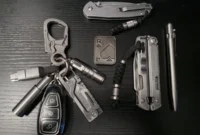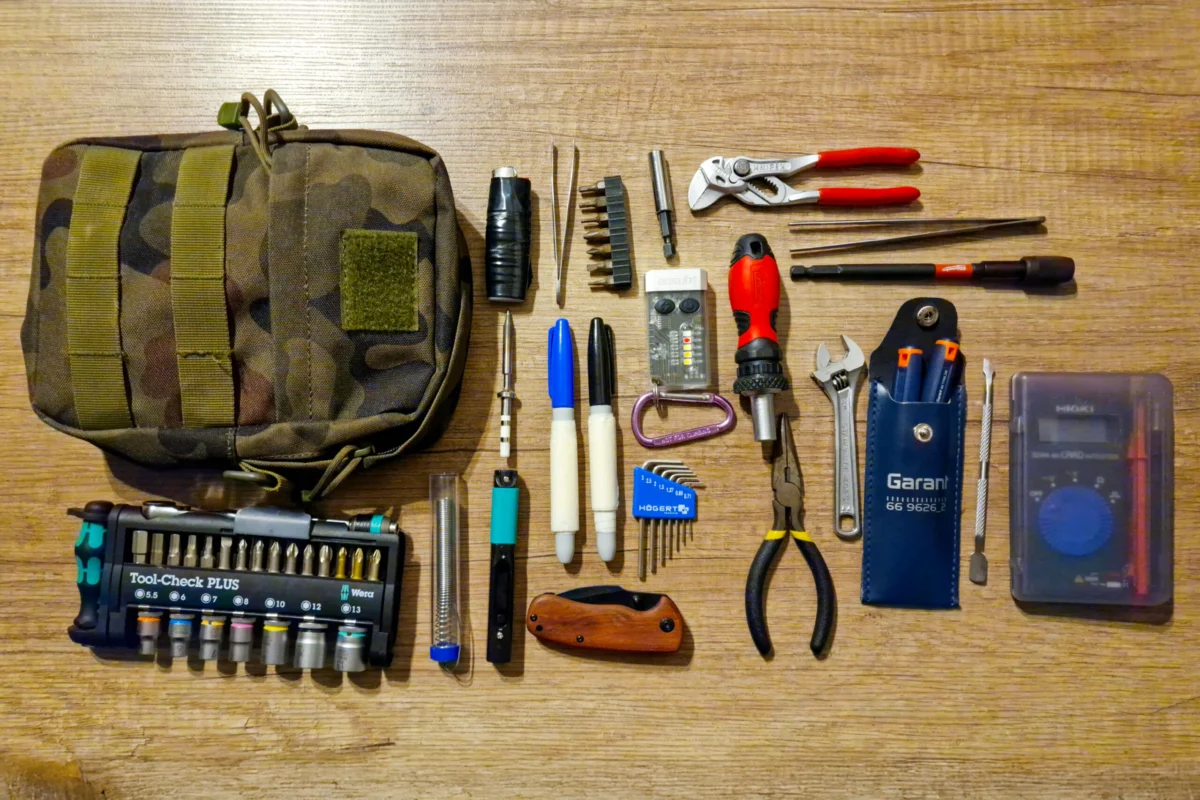
The modern landscape of personal utility gear, commonly referred to within the enthusiast community as Everyday Carry (EDC), is undergoing a significant demographic shift. While historically dominated by professional tradespeople and survivalist hobbyists, the practice is increasingly being adopted by a younger generation that prioritizes functional minimalism and psychological regulation over high-cost aesthetic curation. A recent case study involving a 16-year-old mechatronics student from Poland, known by the handle "fox," highlights how students are leveraging limited resources to maintain a kit that serves both mechanical utility and personal emotional stabilization.
The Evolution of Everyday Carry Philosophy
The concept of EDC refers to the collection of items a person carries daily to assist in common tasks or emergency situations. For decades, the culture was centered on the "tactical" aesthetic, characterized by high-end, expensive materials such as titanium, carbon fiber, and proprietary alloys. However, the rise of digital platforms like TikTok and specialized community forums has pivoted the focus toward utility-driven setups.
For the modern student, EDC is no longer defined by the brand prestige of a knife or a multi-tool. Instead, it is defined by the "repairability" factor—the ability to influence one’s environment through hands-on intervention. This shift represents a move away from consumerism toward a "maker" mentality, where the value of a piece of gear is measured by its utility in restoring function to broken objects in the public sphere.
Mechanical Aptitude and Environmental Influence
The student in question, who is currently undergoing formal education in mechatronics, represents a growing subset of youth who utilize technical skill sets to interact with the world. Mechatronics, an interdisciplinary branch of engineering that focuses on the integration of mechanical, electronic, and software systems, provides the foundational knowledge necessary for the types of repairs the student performs.
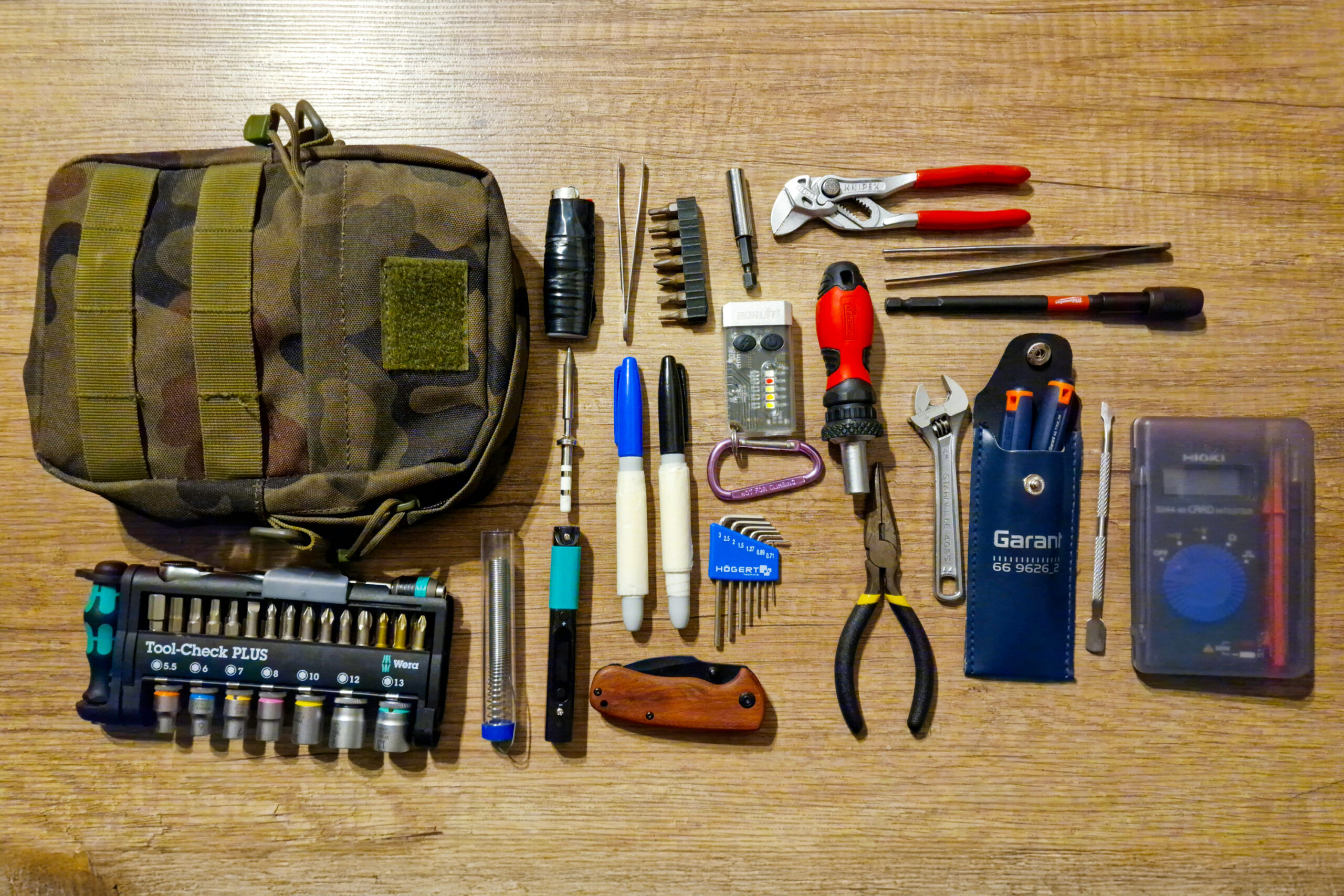
According to the student’s testimony, the decision to carry a kit—assembled with budget-conscious, accessible tools—is directly linked to a desire to address environmental decay. By tightening loose hinges, fixing loose hardware, or troubleshooting minor electronic faults in public spaces, the student engages in a tactile form of service. This behavior, while seemingly simple, aligns with the psychological concept of "environmental mastery," a component of well-being that involves the ability to manage one’s environment effectively.
Psychological Regulation and Neurodiversity
A significant aspect of this particular EDC narrative is the explicit link between mechanical intervention and emotional regulation for individuals on the autism spectrum. Research in occupational therapy has long noted that repetitive, goal-oriented tasks can serve as effective "grounding" mechanisms. For many neurodivergent individuals, the unpredictability of daily life can be overwhelming. Engaging in a task with a clear start, middle, and end—such as fixing a door hinge—provides a sense of order and predictability.
The student’s admission that these tasks serve as a distraction to help manage emotions is supported by existing literature on the benefits of "fidgeting" or task-based sensory input. While traditional fidget tools are designed for motion, the "fix-it" approach provides a higher level of cognitive engagement, requiring problem-solving and manual dexterity. This transition from passive sensory input to active environmental manipulation represents a sophisticated coping strategy.
Economic Constraints and the "Budget" EDC Trend
The economic reality for many students is a primary driver of the current trends in the EDC community. With the cost of high-end tools often reaching into the hundreds of dollars, younger enthusiasts are demonstrating high levels of resourcefulness. The "budget-carry" movement focuses on finding the best price-to-performance ratio, often sourcing tools from hardware stores rather than specialized tactical retailers.
Data from recent retail trends suggests that the market for affordable multi-tools and precision screwdrivers has seen a sharp uptick among the 16-to-24-year-old demographic. This demographic is less susceptible to brand marketing and more likely to rely on peer-to-peer reviews and technical demonstrations found on short-form video platforms. By prioritizing cost-effectiveness, students are able to participate in the hobby without incurring significant financial burden, a necessary condition for a demographic that largely lacks independent income.
The Broader Impact on Public Space Maintenance
The implications of a generation of students who carry tools to fix public or semi-public property are multifaceted. From a civic perspective, this behavior—often referred to as "tactical urbanism" in a broader sense—promotes a sense of communal responsibility. When individuals take it upon themselves to perform minor maintenance, the collective quality of shared spaces can theoretically improve.
However, there are also considerations regarding safety and liability. Schools and public institutions have varying policies regarding the possession of tools by minors. While a screwdriver or a small multi-tool is generally viewed as a benign utility item, policies in educational environments are becoming increasingly stringent. The student’s experience serves as a microcosm of the tension between individual agency in maintaining one’s surroundings and the institutional regulations governing public spaces.
Analysis of the "Mindset" in EDC
Industry experts note that the "mindset" is the most critical, yet often overlooked, component of an EDC kit. An expensive, high-quality tool is effectively useless if the user lacks the intent or the knowledge to deploy it. The student’s approach suggests that the "mindset" of an EDC practitioner is shifting from a defensive stance (carrying gear for protection or survival) to a proactive, constructive stance (carrying gear to improve one’s immediate environment).
This proactive approach is likely to have long-term benefits for the development of technical skills. By treating everyday items as assets to be maintained, students are reinforcing the engineering principles taught in their classrooms. The act of "fixing things that others haven’t" fosters a sense of competence and self-efficacy that is invaluable in vocational training.
Future Trajectories for Youth EDC
As we look toward the future, it is expected that the intersection of technology and mechanical repair will become even more pronounced in student-led EDC setups. The integration of 3D-printed parts, custom-fitted components, and modular toolkits will likely define the next iteration of this trend.

Educational institutions and youth organizations might consider the positive aspects of this "maker" culture. Encouraging students to develop practical maintenance skills not only prepares them for potential careers in engineering and trades but also provides them with constructive, healthy outlets for emotional regulation. The "fox" case study serves as a clear indication that for the modern youth, an EDC kit is not just a collection of objects, but a personal extension of one’s ability to create, maintain, and understand the world.
In summary, the trend of budget-conscious, utility-focused EDC among students is a complex phenomenon that blends mechanical education with psychological well-being. By prioritizing functionality and personal agency, these young practitioners are defining a new, more sustainable approach to the hobby—one that emphasizes the value of the repairer over the value of the product.