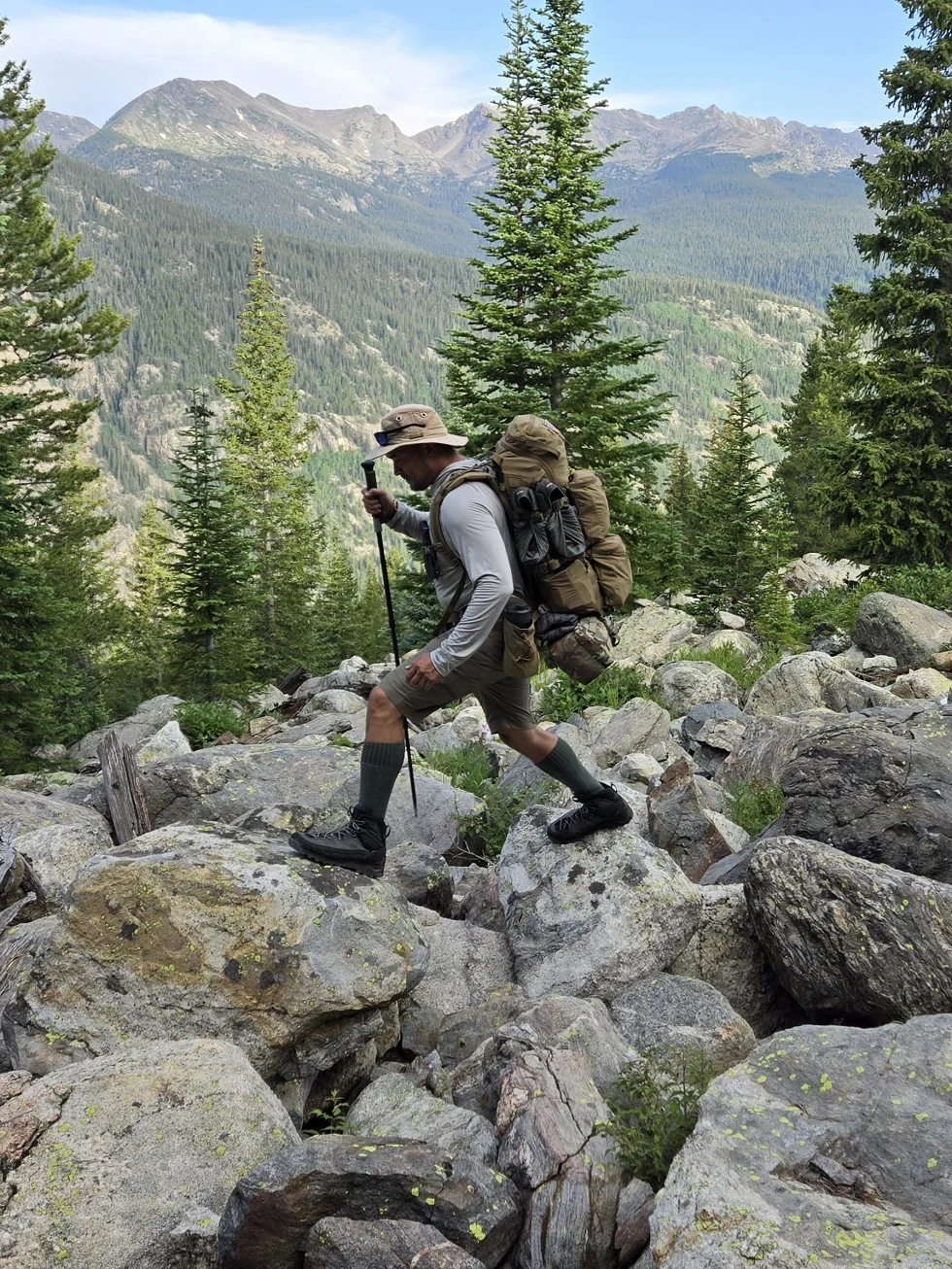
The modern outdoor industry is a multi-billion-dollar juggernaut built on the promise that the right equipment can bridge the gap between human frailty and the unforgiving wilderness. However, a growing consensus among survival instructors, mountain guides, and safety researchers suggests that the general public’s obsession with "kit" is often a dangerous distraction from the actual requirements of survival. While gear has become lighter, stronger, and more technologically advanced, search-and-rescue (SAR) statistics across North America indicate that human error remains the primary driver of backcountry emergencies. Wilderness experts who have spent decades leading expeditions through rugged terrain observe a recurring pattern: the most critical failures in the wild have almost nothing to do with the gear itself and everything to do with the person carrying it.
The Competence Gap: Why Gear Cannot Replace Skill
Kevin Estela, a veteran survival instructor and author who has taught bushcraft across North America, argues that competence is the true "King" of the backcountry. In his decades of observation, Estela has noted that students often arrive with high-end equipment still in its original factory packaging. This "out-of-the-box" approach to survival creates a false sense of security. According to Estela, the most frequent points of failure are not the sophisticated "hard goods," but rather the most basic elements of personal maintenance, specifically footwear and environmental protection.
"People don’t maintain their boots properly," Estela notes. He frequently observes students arriving for multi-day treks in brand-new boots they have never broken in, leading to debilitating blisters that can compromise a group’s mobility. Furthermore, a lack of understanding regarding "layering systems" often leads to preventable hypothermia or exposure. Many novices rely on a single item, like a poncho, without realizing it is part of a larger system required to keep the lower extremities dry.

The issue extends to the maintenance of electronic gear. Estela highlights a recurring "dead battery" syndrome, where hikers find their GPS units or flashlights non-functional because they failed to check the power levels before leaving home. This lack of "pressure-testing" equipment in a controlled environment before heading into the wild is a hallmark of inexperience.
The Evolution of Risk: A Chronology of Decision-Making
The relationship between humans and their gear has shifted dramatically over the last century. To understand the current landscape of wilderness safety, one must look at the transition from "analog" survival to "digital" dependency.

In the early 20th century, explorers like Ernest Shackleton and Frank Worsley navigated the Southern Ocean using little more than a sextant and a watch. Their survival was predicated on a deep, intuitive understanding of their environment and the limitations of their tools. By contrast, the 21st-century hiker often carries more processing power in their pocket than was used to land Apollo 11 on the moon.
Ken Wylie, a veteran mountain guide and avalanche survivor, has spent his career examining this shift. Wylie’s perspective was irrevocably altered by a near-fatal avalanche in 2003. While his transceiver, probe, and shovel technically "saved" him, the experience forced him to confront the human errors in judgment that led him into the path of the slide in the first place.
Wylie observes that modern technology often acts as a "digital crutch" that allows users to bypass the development of foundational skills. "When we become completely dependent on technology, we start carrying an extra fear: ‘I hope this doesn’t stop working,’" Wylie explains. This dependency creates a psychological vulnerability that historical explorers, who relied on skill rather than circuitry, did not share.
Supporting Data: The 1-3 Percent Rule
The misconception that gear failure is a leading cause of wilderness accidents is debunked by empirical data. Ty Gagne, a mountain safety researcher and CEO of PRIMEX, has analyzed years of accident reports and search-and-rescue data, particularly from the volatile White Mountains of New Hampshire.
Gagne’s research indicates that true equipment failure—such as a snapped climbing rope, a shattered ice axe, or a manufacturing defect in a tent—accounts for only one to three percent of all backcountry incidents. The remaining 97 to 99 percent of emergencies are attributed to human factors. These include:
- Exceeding physical or technical ability: Hikers attempting trails beyond their fitness levels.
- Inadequate planning: Failure to check weather forecasts or trail conditions.
- Navigation errors: Relying solely on a smartphone that loses battery or signal.
- Cognitive impairment: The "summit fever" that leads individuals to ignore clear signs of danger due to the psychological pressure of reaching a goal.
In the White Mountains, a frequent SAR scenario involves hikers who rely on their smartphone flashlight after their hike takes longer than expected. When the phone battery dies, they lose their light, their map, and their means of communication simultaneously, turning a minor delay into a life-threatening crisis.
The Psychology of Overpacking: Internet Influence and the "Gypsy Camp"
The rise of the internet has fundamentally changed how people prepare for the outdoors. Social media and "gear-heavy" YouTube channels have created an environment where preparedness is often equated with the volume of equipment owned. Kevin Estela identifies this as a driver of overpacking.
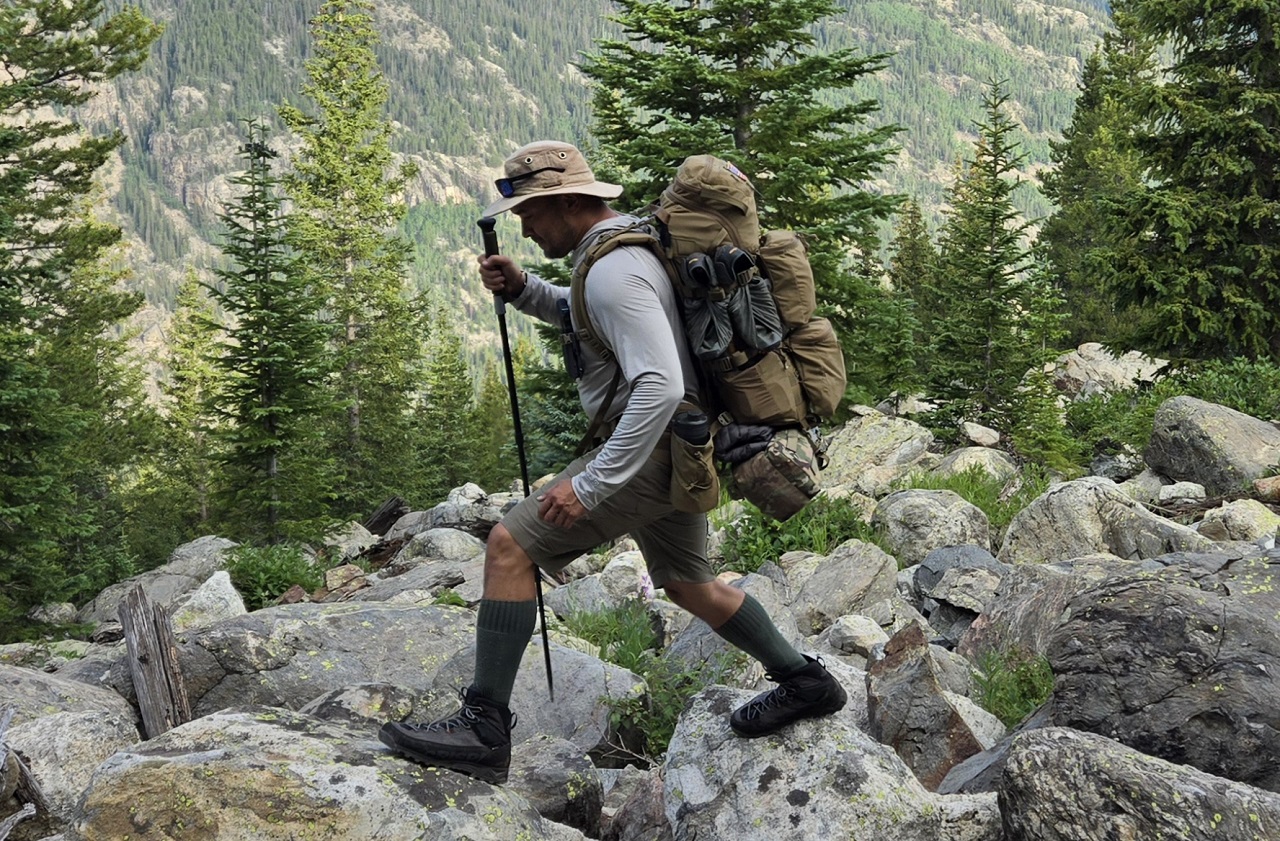
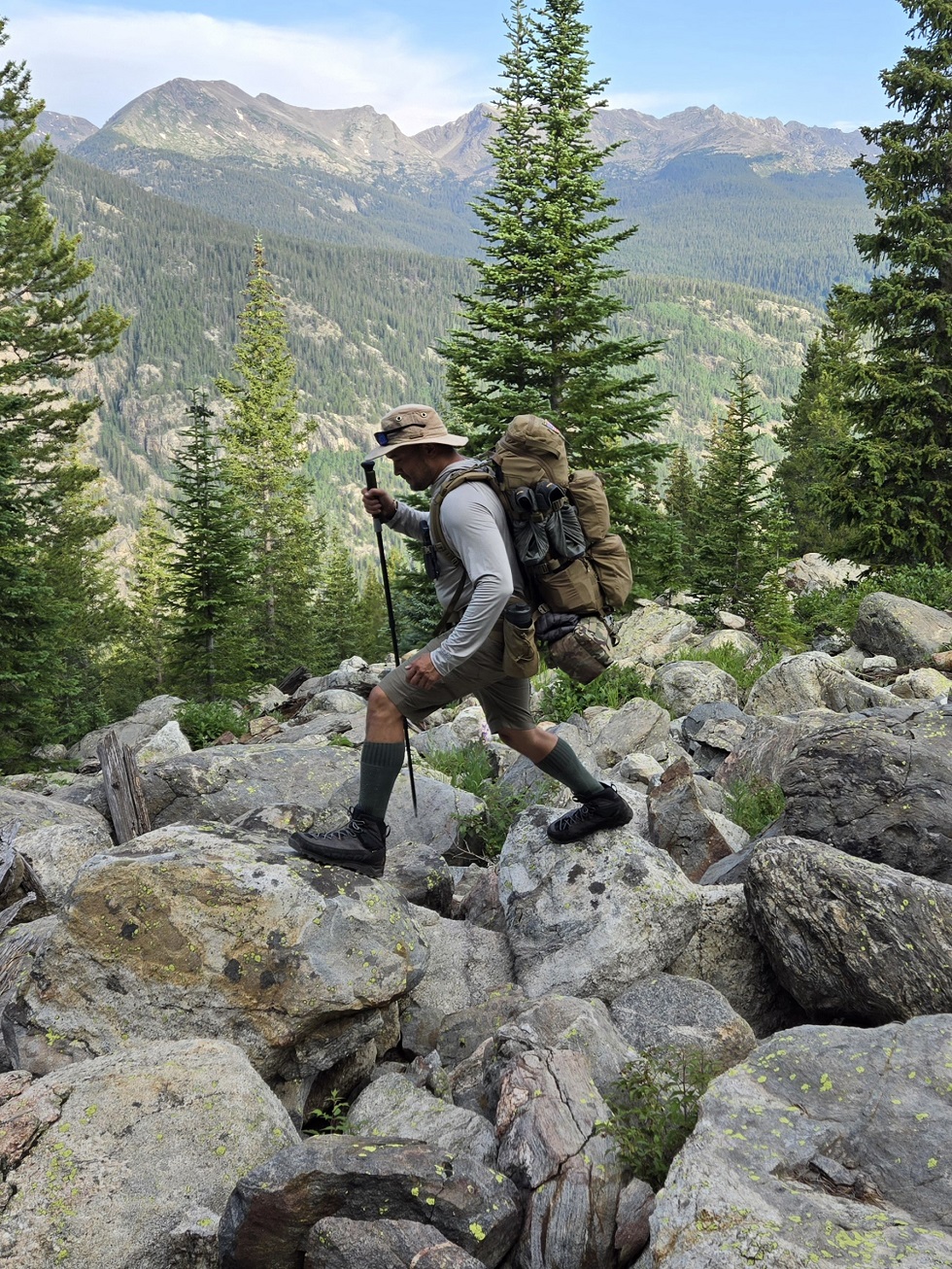
"People pack for the extreme emergency, but not for the little emergency," Estela observes. He describes the "gypsy camp" phenomenon, where hikers hang excessive gear off the outside of their packs. This not only throws off the hiker’s balance but also increases the likelihood of gear snagging on branches or being lost.
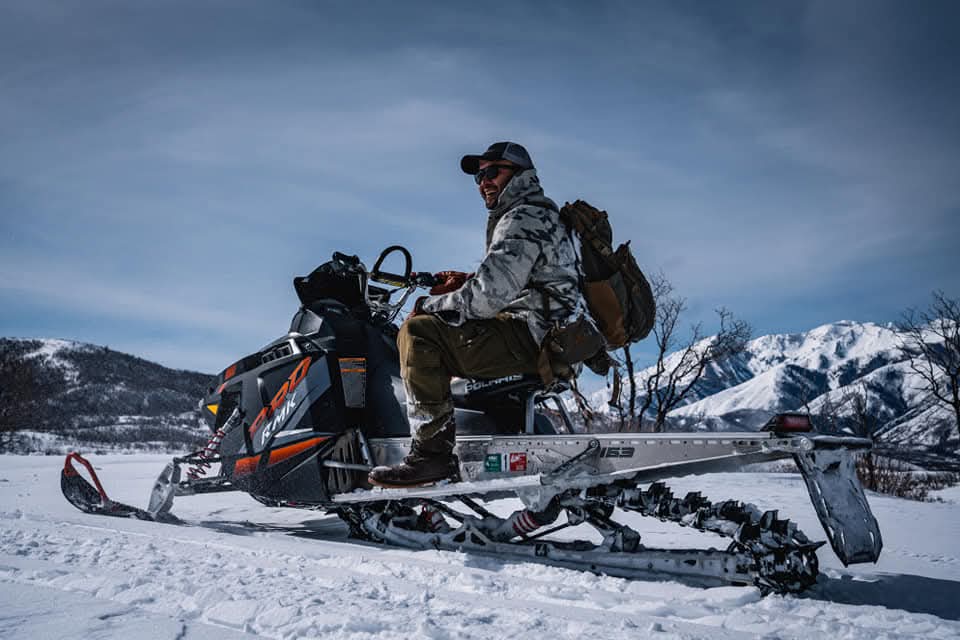
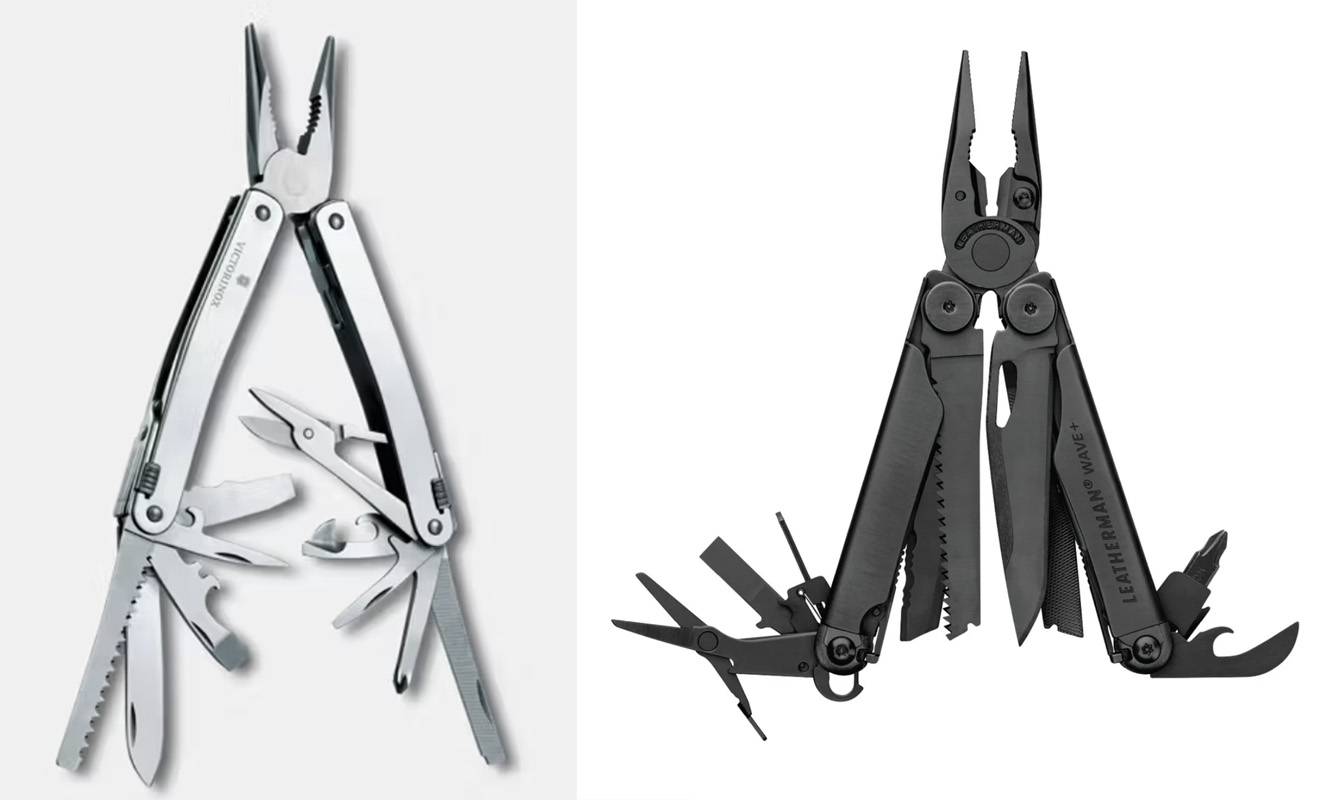
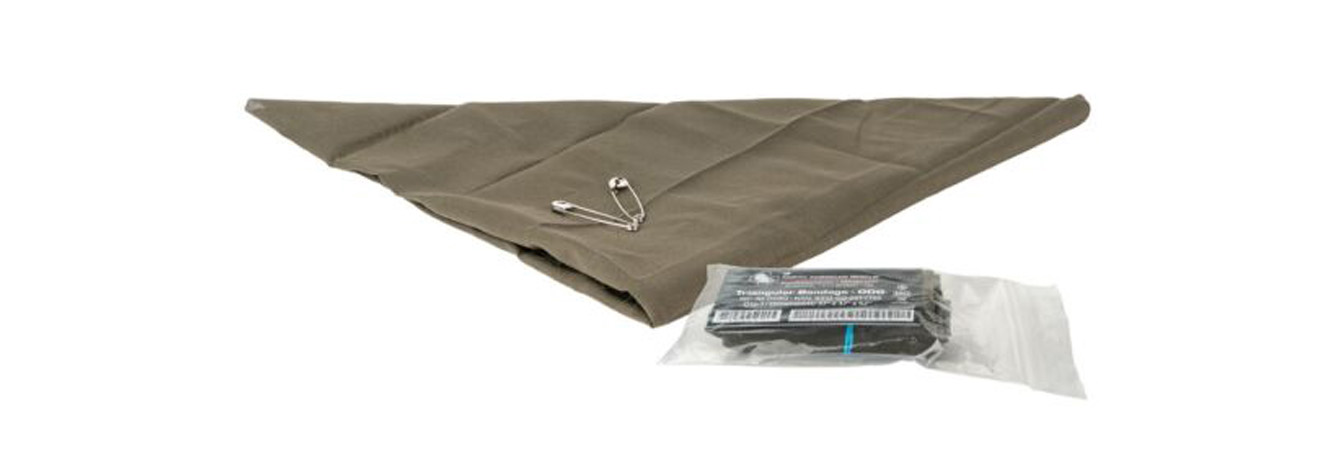
Furthermore, the "Tactical" trend in gear marketing has led many to carry heavy, Damascus steel knives or complex electronic lighters that are prone to rust or electronic failure in wet conditions. Experts point out that "boring" gear—a simple Swiss Army Knife, a $5 box of windproof matches, and a cotton bandana—often provides more utility and reliability than their expensive, high-tech counterparts.
Broader Impact: The Economic and Social Cost of Inexperience
The shift from skill-based to gear-based outdoor recreation has significant societal implications. The National Park Service (NPS) conducts approximately 3,500 to 4,500 search-and-rescue operations annually. The financial burden of these operations is substantial, often costing taxpayers millions of dollars per year.
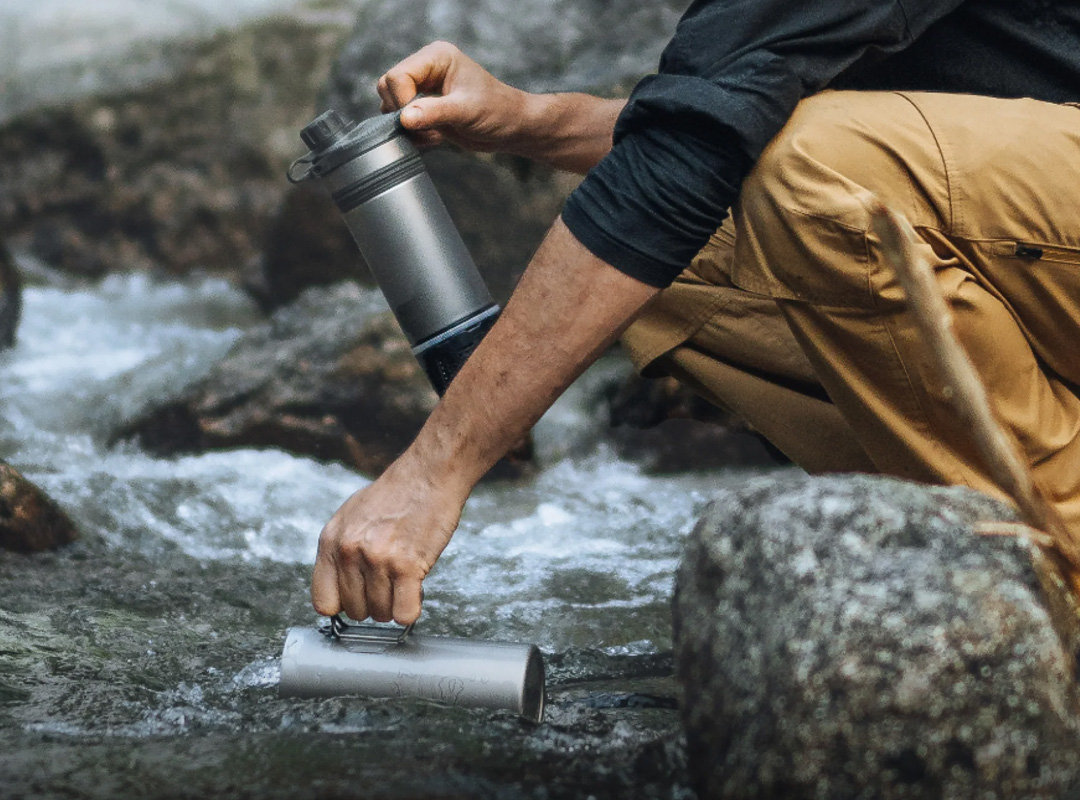
Beyond the financial cost, there is a "safety paradox" at play. As gear becomes more "forgiving," users tend to take greater risks. This phenomenon, known as risk homeostasis, suggests that if a hiker feels safer because they are wearing a high-end GPS watch or carrying an avalanche airbag, they may venture into more dangerous conditions than they otherwise would, effectively neutralizing the safety benefit of the equipment.
Ty Gagne emphasizes that "good gear matters, but it’s only one part of the system." When a hiker is cognitively impaired by cold, hunger, or exhaustion, they may possess the best gear in the world but lack the mental clarity to use it. They might forget to put on their insulated jacket until they are already in the early stages of hypothermia, at which point their fine motor skills have degraded to the point where they cannot operate a zipper.
Expert Analysis: The "Slick" System and Mental Preparedness
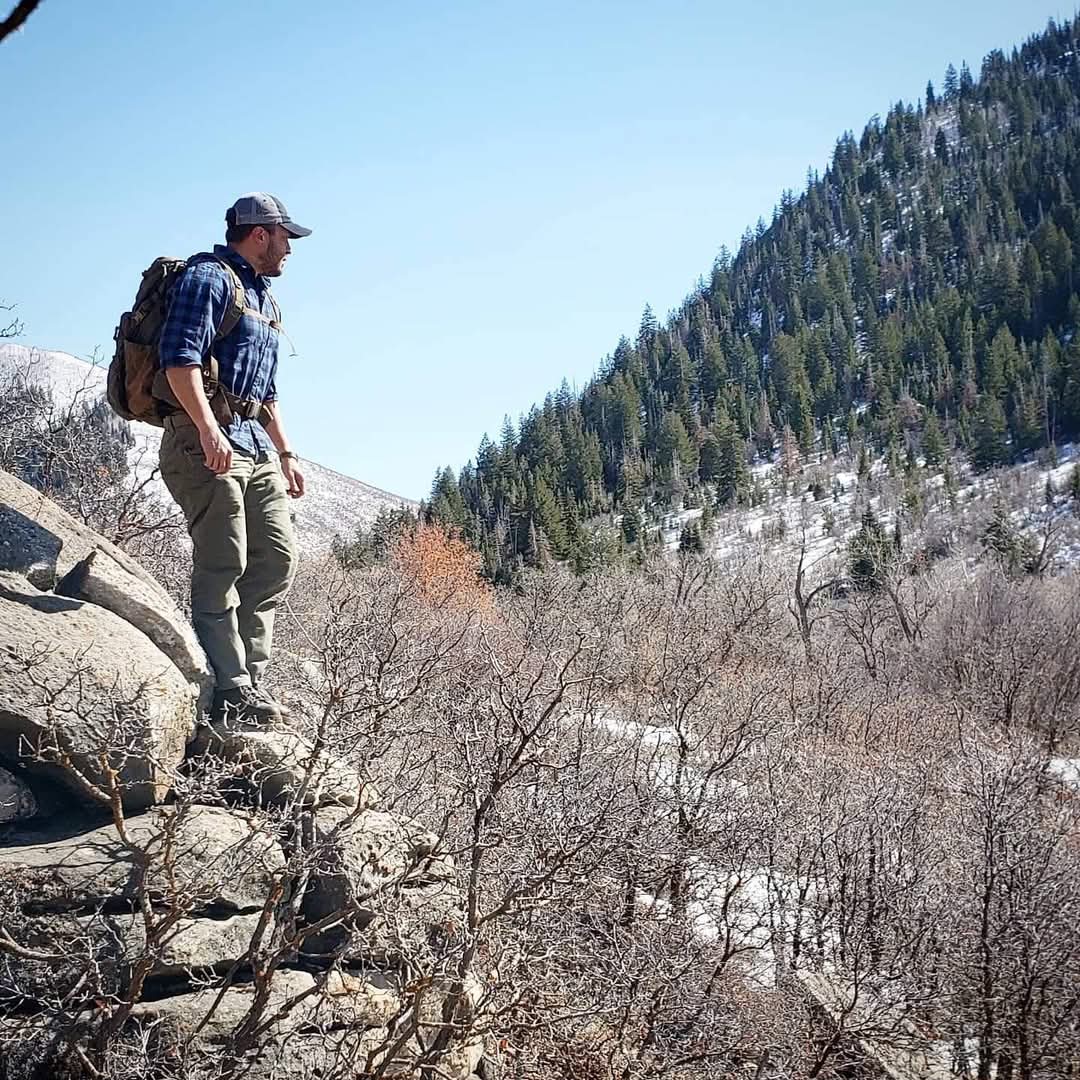
The consensus among Estela, Wylie, and Gagne is that the most experienced wilderness travelers are often the ones with the simplest systems. They advocate for a "slick" approach: keeping gear organized inside the pack, maintaining equipment religiously, and, most importantly, prioritizing "software" (knowledge) over "hardware" (tools).
A professional-grade carry system should be:

- Functional: Every item should serve a specific, tested purpose.
- Redundant: Critical systems (fire, water, navigation) should have a manual backup that does not rely on batteries.
- Familiar: The user should be able to operate every piece of gear in total darkness or under extreme stress.
The "take-home" lesson for modern adventurers is that the wilderness remains an indifferent environment. It does not care how much a backpack cost or what brand of jacket a hiker is wearing. The mountains respond only to the reality of the situation.
Conclusion: The Ultimate Survival Tool
As technology continues to advance, the temptation to substitute gear for experience will only grow. However, the forensic analysis of wilderness accidents suggests that this is a losing proposition. The most valuable asset in any survival situation remains the human brain—specifically, its ability to remain calm, assess risk accurately, and make rational decisions under pressure.
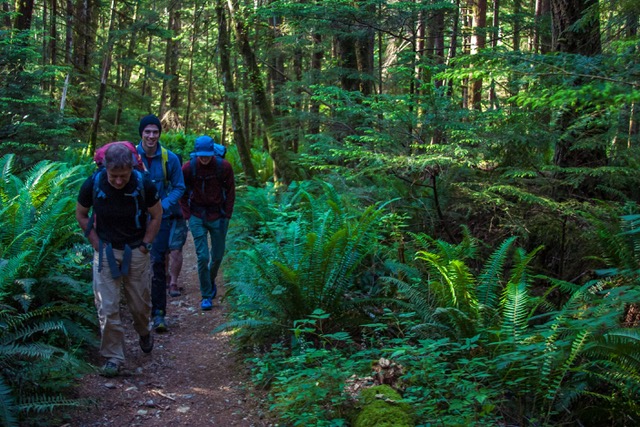
Wilderness experts conclude that while great gear can expand what is possible and even save a life in that rare 3% of equipment-related emergencies, it cannot replace judgment. The ultimate survival kit is not found in a catalog; it is built through years of incremental experience, a healthy respect for the limits of technology, and the humility to recognize that in the wild, the person is always more important than the pack.