The journey to the Karakoram mountain range is recognized by professional mountaineers as one of the most grueling logistical undertakings on the planet. For Neža Peterca, founder of the Slovenian technical outdoor brand What Happened, this route represented a transition from designer to high-altitude observer. Peterca’s expedition to Pakistan’s northern frontier was structured as a dual-purpose endeavor: supporting her partner, professional mountaineer Aleš Česen, on his ninth expedition, and documenting a memorial film project for Servus TV honoring climbers lost to the high-altitude extremities of Gasherbrum I and Leila Peak.
However, the 60-day expedition evolved into a masterclass in resilience, bureaucratic friction, and the stark realities of operating in some of the most remote and culturally conservative regions on Earth. Rather than serving as a standard peak-bagging mission, the journey provided critical insights that would ultimately reinforce Peterca’s counter-industry philosophy of gear design, manufacturing ethics, and bespoke production.
The Route to the Roof of the World
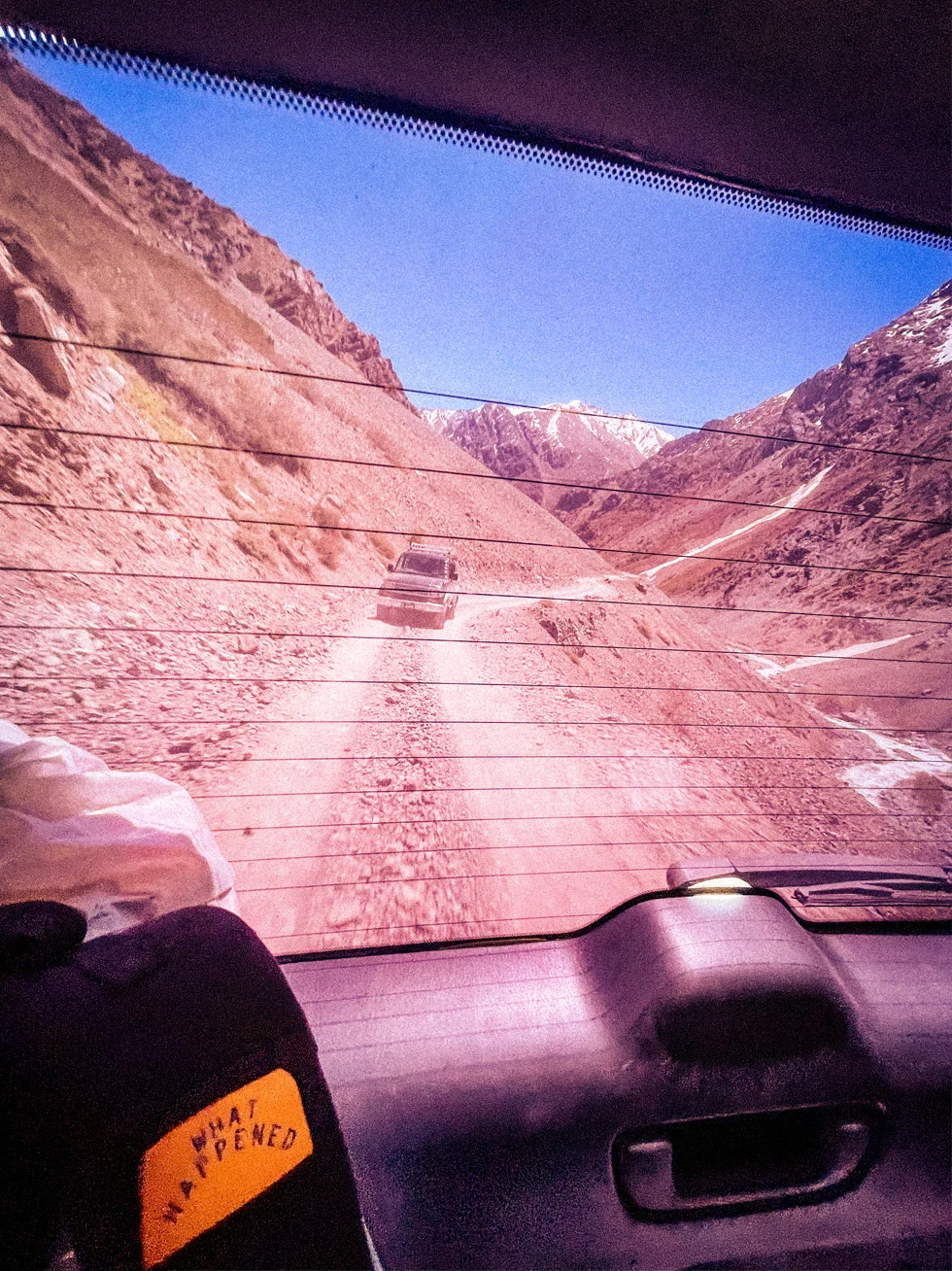
The expedition’s logistical footprint demanded meticulous planning across continents. Traveling from Slovenia, Peterca’s route involved a commercial flight to Islamabad, a secondary flight aboard a twin-engine aircraft to Skardu—situated at the strategic confluence of the Indus and Shigar rivers—followed by a grueling ten-hour overland transit along crumbling dirt roads.
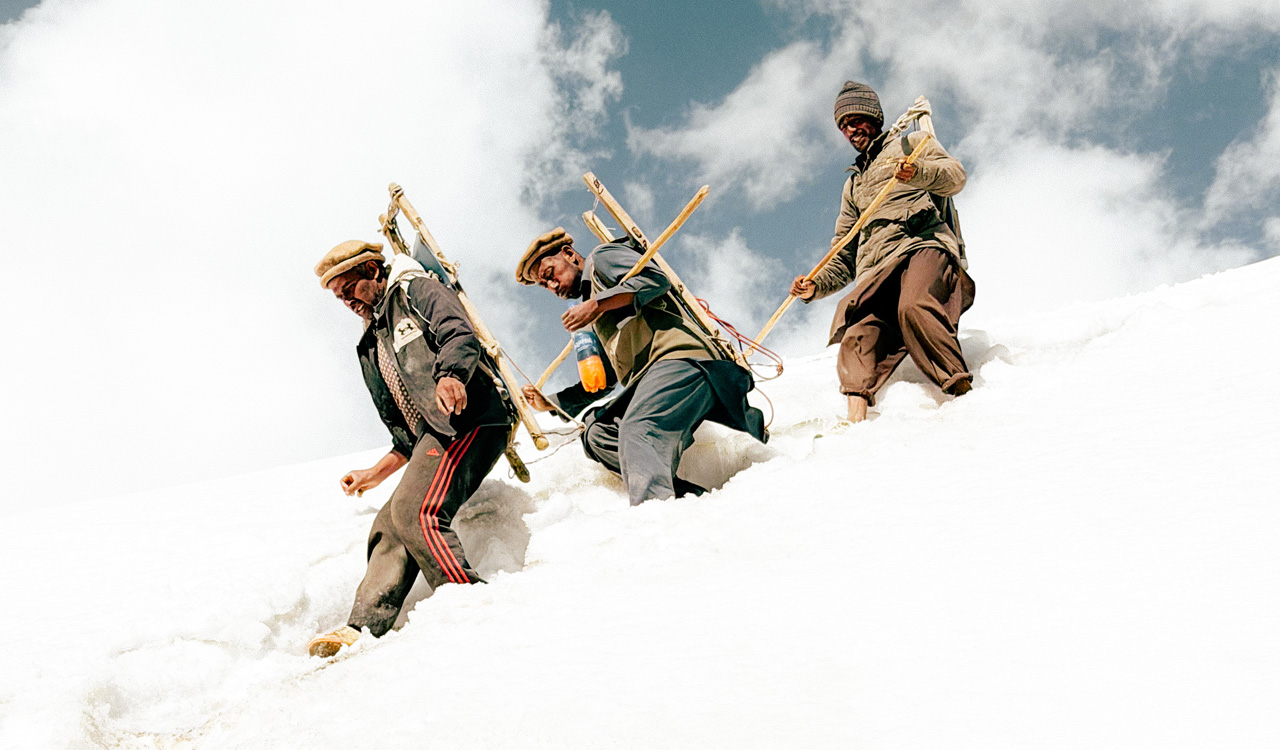
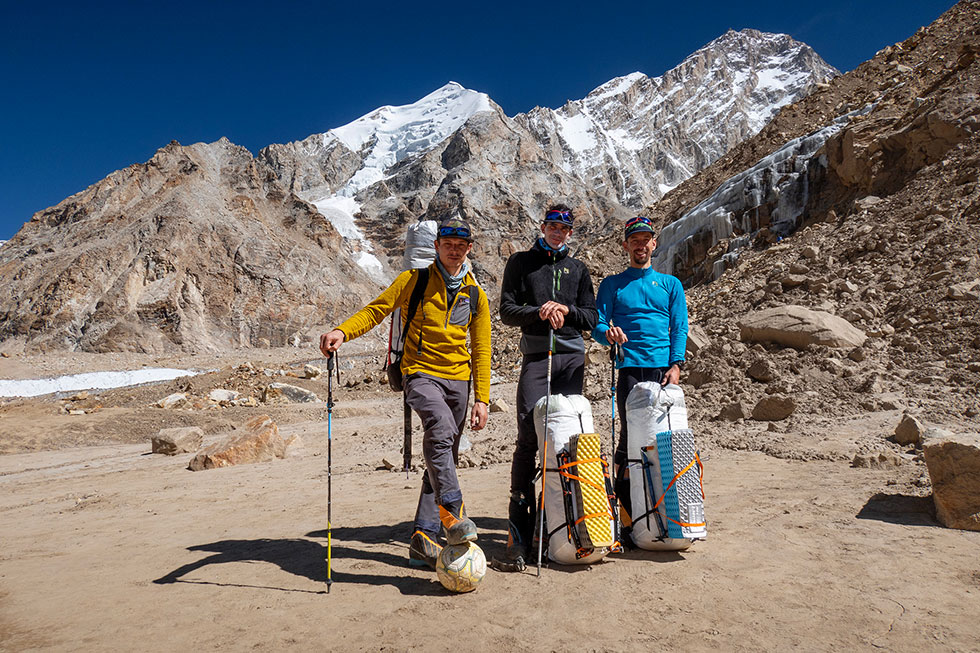
The final approach required a 120-kilometer trek on foot across the shifting, unstable terrain of the Baltoro Glacier. This week-long foot journey brought the nine-person team directly to the base of the Karakoram giants, a sub-range of the Himalayas that includes K2, Broad Peak, and Gasherbrum I. The core expedition team comprised Česen, a film director, a sound engineer, two camera operators, a foreign correspondent from Der Spiegel, and additional technical media personnel. Logistics were further supported by a contingent of 37 local porters carrying heavy loads across treacherous terrain in minimalist footwear, highlighting the stark socio-economic disparities present in high-altitude mountaineering.
Cultural Isolation and the Gender Dynamic in the Karakoram
Arriving as the sole female member of the primary team in a deeply conservative Islamic region, Peterca experienced a unique form of cultural isolation. The social norms of the Karakoram dictate strict protocols regarding gender interactions, including the avoidance of direct eye contact, handshakes, or unprompted acknowledgements between unrelated men and women.
For Peterca, who had long harbored a fascination with Middle Eastern and Central Asian cultures, navigating these unwritten social codes manifested as a profound sense of invisibility. Česen, despite his extensive prior experience in Pakistan, noted a sharp awakening regarding the systemic differences in how male and rather than experiencing the environment as hostile, Peterca analyzed the dynamic objectively, viewing it as a valuable lesson in cross-cultural immersion and geographical alienation.
Logistical Attrition: When Expeditions Unravel
Mountaineering lore dictates that when three significant failures accumulate during an expedition, the correct course of action is immediate retreat. The Karakoram expedition far exceeded this threshold through a compounding series of systemic setbacks that began before the team even reached base camp.
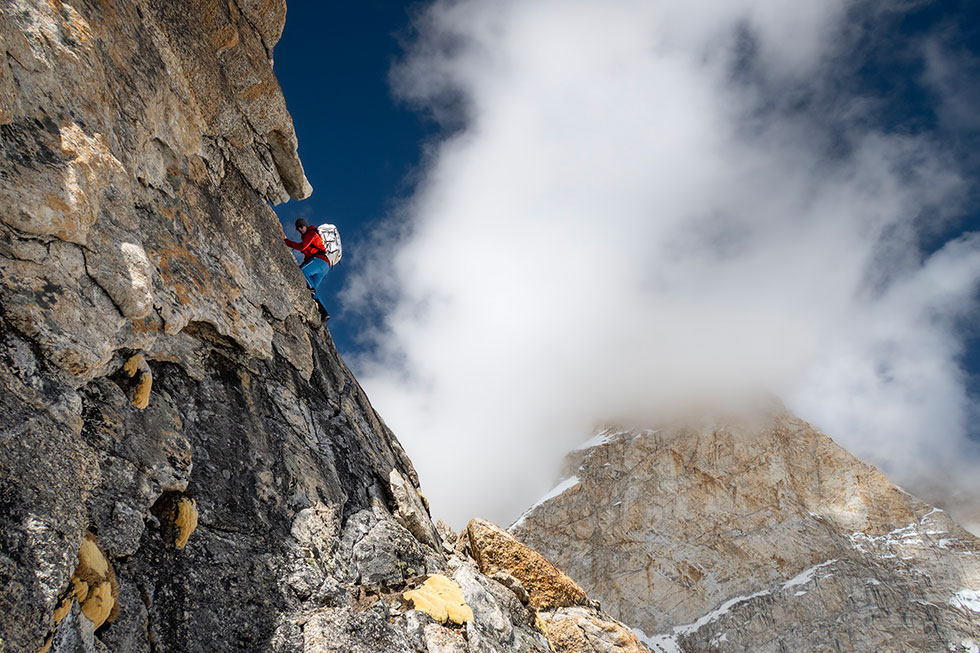
The initial hurdle involved severe delays in securing mandatory military-controlled filming permits, necessitated by the presence of regional defense installations and the use of aerial drones. While waiting out the delays in Skardu, the team faced recurring afternoon sandstorms that drastically reduced air quality. To maintain readiness, the team completed an acclimatization ascent of Khosar Gang, a 6,000-meter peak locally categorized as a moderate introduction to the range.
The operational unraveling accelerated in rapid succession:
- Pre-departure: A co-climber sustained a suspected ankle fracture, which was later diagnosed as severe sprains, allowing the timeline to proceed tentatively.
- Family Emergencies: Peterca received news of her grandmother’s passing, requiring an emergency flight back to Europe. Concurrently, the Der Spiegel journalist suffered the loss of his mother and departed the expedition.
- Team Injuries and Illness: A support team member sustained a foot injury from a falling rock, and the primary film director contracted an acute gastrointestinal illness necessitating evacuation by mule.
- Severe Medical Complications: Above 5,000 meters, where the physiological limits of human recovery are severely constrained by atmospheric pressure, expedition anchor Aleš Česen contracted acute pneumonia.
With multiple team members incapacitated, key media personnel missing, and the primary mountaineering objective compromised, the decision was made to formally cancel the ascent. The documentary was shelved, the targeted peaks remained unclimbed, and the specialized summit pack engineered by Peterca was denied its intended field test. The expedition’s conclusion was underscored by a final mechanical failure when the steering wheel detached from the transport vehicle during the descent, narrowly averting a catastrophic drop into a river gorge.
From Urban Cycling to Technical Repair: The Evolution of What Happened
The path that led Peterca to the foot of Gasherbrum I began long before her entry into high-altitude mountaineering. In 2011, she co-founded Blind Chic, a Budapest-based urban cycling brand specializing in messenger bags and roll-top packs during the height of the fixed-gear aesthetic movement.
Although the brand achieved European distribution, Peterca experienced a growing sense of disillusionment with traditional manufacturing models. As the enterprise scaled, her role shifted from creative design to administrative bureaucracy. More critically, she grappled with the moral friction of manufacturing consumer goods designed to stimulate artificial demand rather than fulfill a genuine utility.
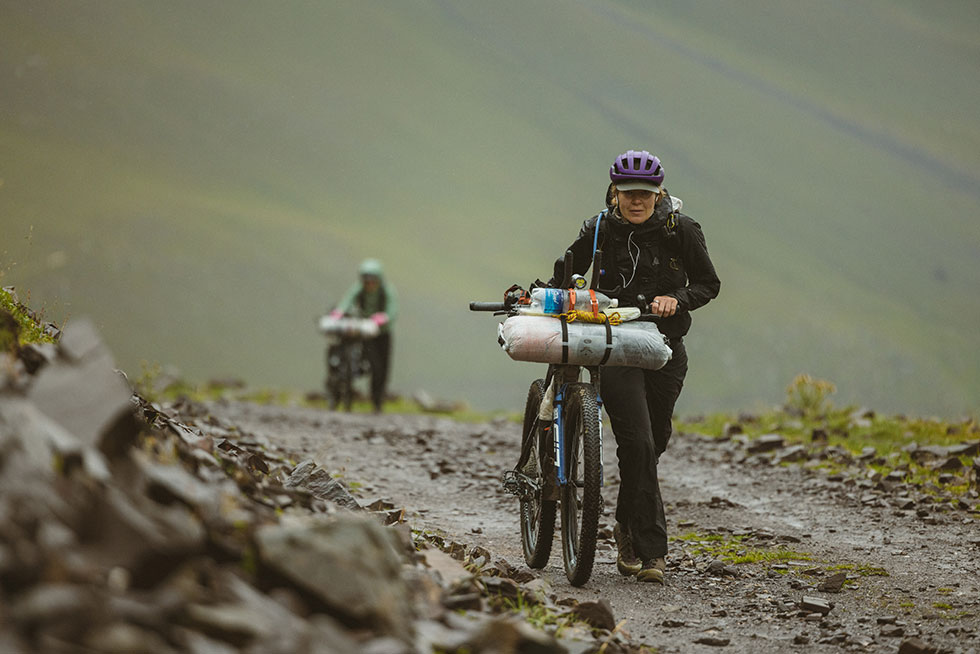
Seeking an alternative approach to material culture, Peterca pivoted toward the nascent field of technical repair. After submitting numerous applications to European outdoor brands, she secured an internship with Barbara Heinze in Munich, a pioneer in implementing Patagonia’s Worn Wear repair initiative across Europe. Under Heinze’s tutelage, Peterca mastered the exacting science of technical garment restoration, including Gore-Tex seam reconstruction, technical zipper replacement, and panel restructuring.
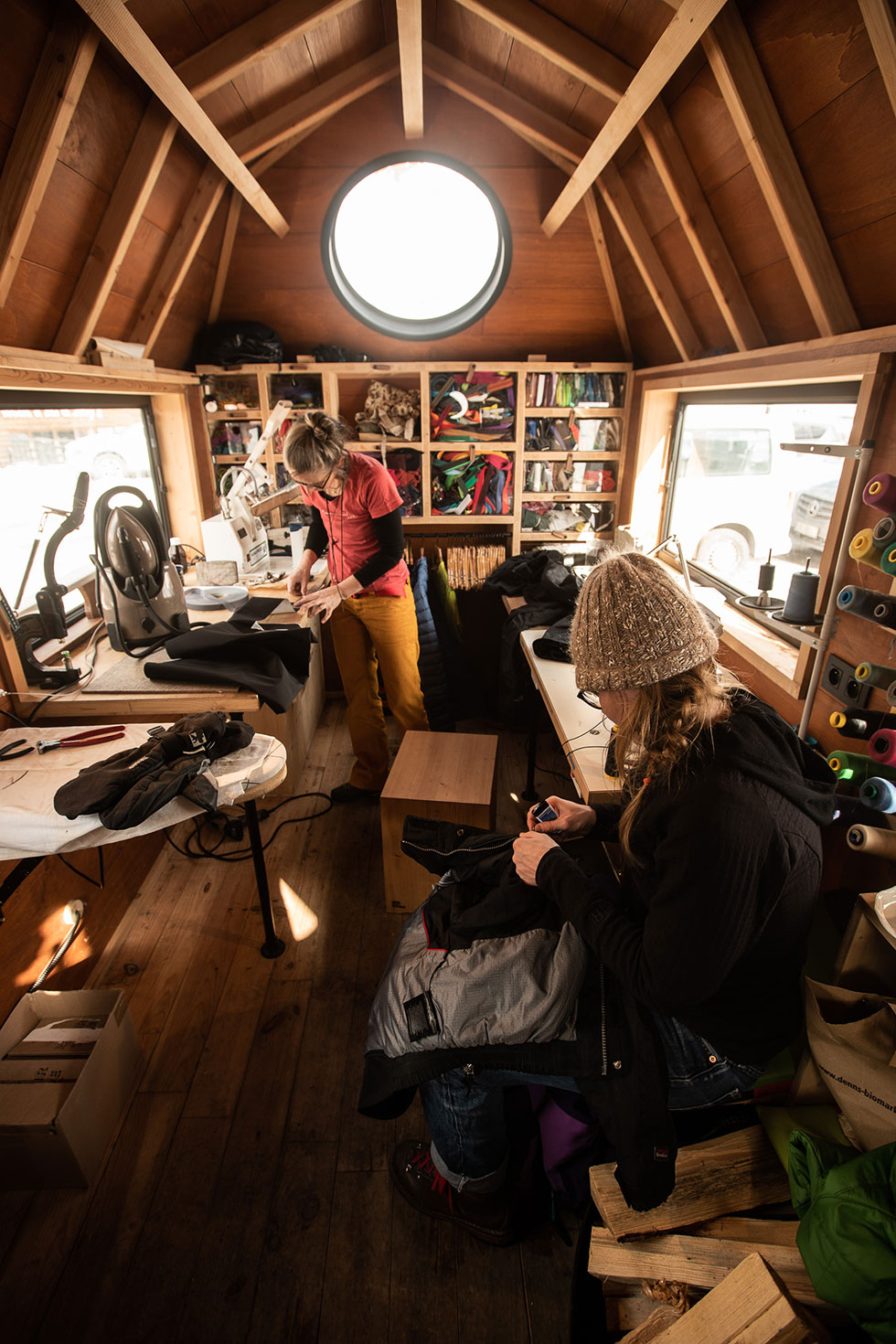
Following her departure from Blind Chic, Patagonia appointed Peterca as the Worn Wear tour manager for Europe. For two years, she operated a mobile repair workshop housed within a dedicated trailer, traveling across the continent’s outdoor hubs to mend damaged technical gear. This immersion provided direct quantitative and qualitative data regarding consumer behavior, material degradation, and the psychological relationship between users and their equipment. The COVID-19 pandemic ultimately prompted her return to Slovenia, where she established her independent workshop, adopting the foundational customer-service inquiry as her brand’s namesake: What Happened.
The Economics and Design Philosophy of Bespoke Carry Systems
What Happened operates outside the standard retail parameters of the outdoor apparel and equipment industry. Eschewing seasonal collections, mass manufacturing, overseas outsourcing, and wholesale distribution, Peterca builds custom packs exclusively to order.
Her design philosophy was refined through a rigorous four-year mountaineering curriculum in Slovenia and direct consultations with professional mountain guides. Because mountain guides utilize their gear upwards of 200 days per year, they provide an accelerated testing loop for structural integrity and ergonomic functionality. Failures in stitching, material fatigue, and hardware usability manifest within weeks rather than years.
Key technical specifications defining the What Happened product line include:
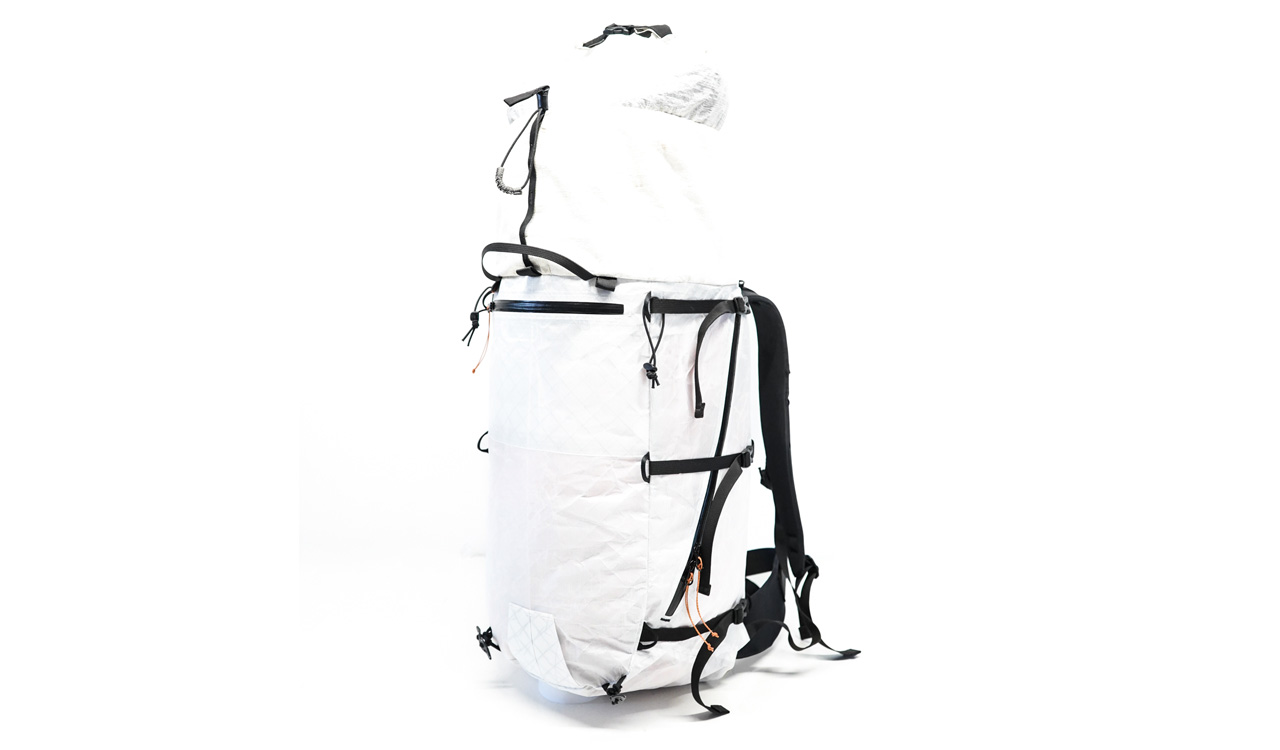
- Material Selection: Transitioning away from conventional nylon, Peterca utilizes high-performance woven fabrics such as Dyneema and Ultra, which demonstrate minimal degradation after years of heavy alpine exposure.
- Ergonomic Geometry: Eliminating sharp external corners to reduce friction-based abrasion and replacing rigid aluminum hip-belt buckles with glove-compatible hardware.
- The Principle of Invisibility: Designing equipment intended to operate intuitively, removing mechanical or ergonomic friction so that the carrier remains focused entirely on environmental navigation.
Broader Industry Implications and Future Collaborations
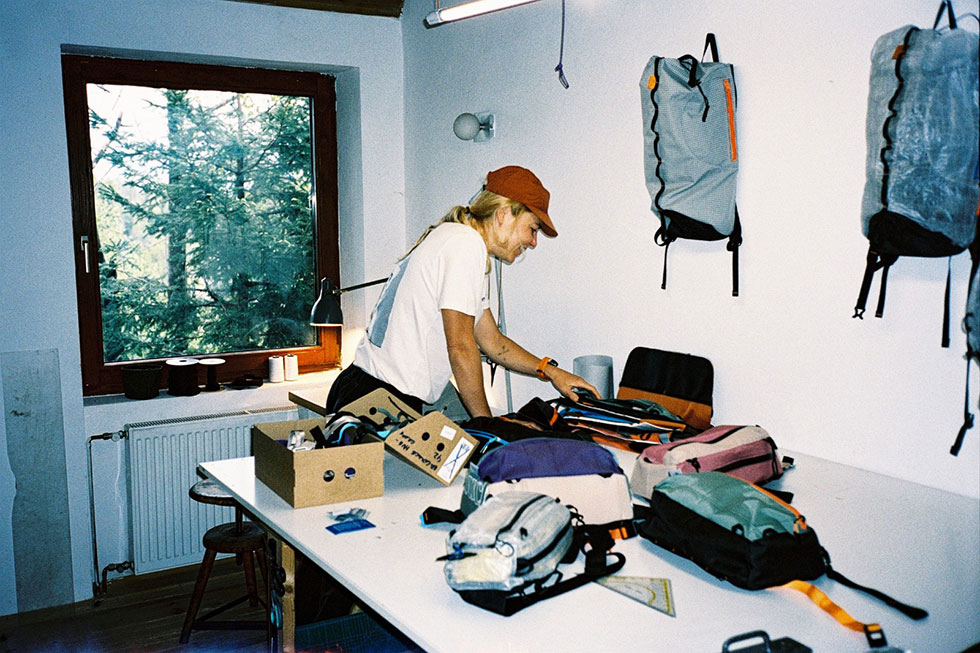
The operational model of What Happened represents a counter-movement against fast-fashion and overproduction within the outdoor sector. By maintaining a direct dialogue with every client, Peterca retains strict quality control while integrating iterative design improvements into each individual unit. This zero-inventory framework eliminates deadstock, reduces resource waste, and fosters a community of users who prioritize longevity and repairability over disposable consumerism.
The brand’s next strategic phase involves a collaborative capsule collection with Valone, a French technical footwear brand specializing in Kevlar-reinforced trail running shoes designed for modular repair and longevity. The upcoming release will feature a specialized backpack, duffel, and trail-running hip pack, aligning two independent European operations rooted in sustainable, technical utility.
Conclusion: Redefining Success at High Altitude
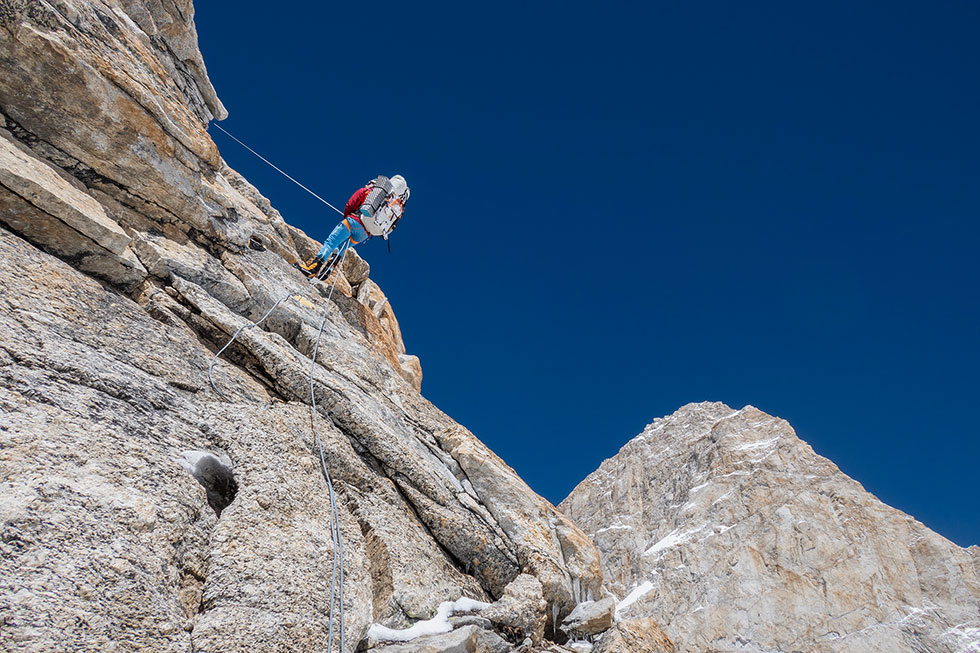
Though the Karakoram expedition failed to yield a summit or a finished documentary, the enterprise provided Peterca with psychological clarity regarding her professional boundaries and personal ethos. The convergence of geopolitical friction, family loss, and extreme physiological limits reinforced her commitment to small-scale, highly deliberate manufacturing.
In an industry driven by aggressive growth metrics and quarterly product launches, What Happened demonstrates that commercial viability can be sustained through restraint, transparency, and a primary dedication to craft. For Peterca, the value of the brand remains inextricably linked to personal engagement and creative fulfillment, validating the premise that the most effective gear is born from real-world utility rather than boardroom speculation.