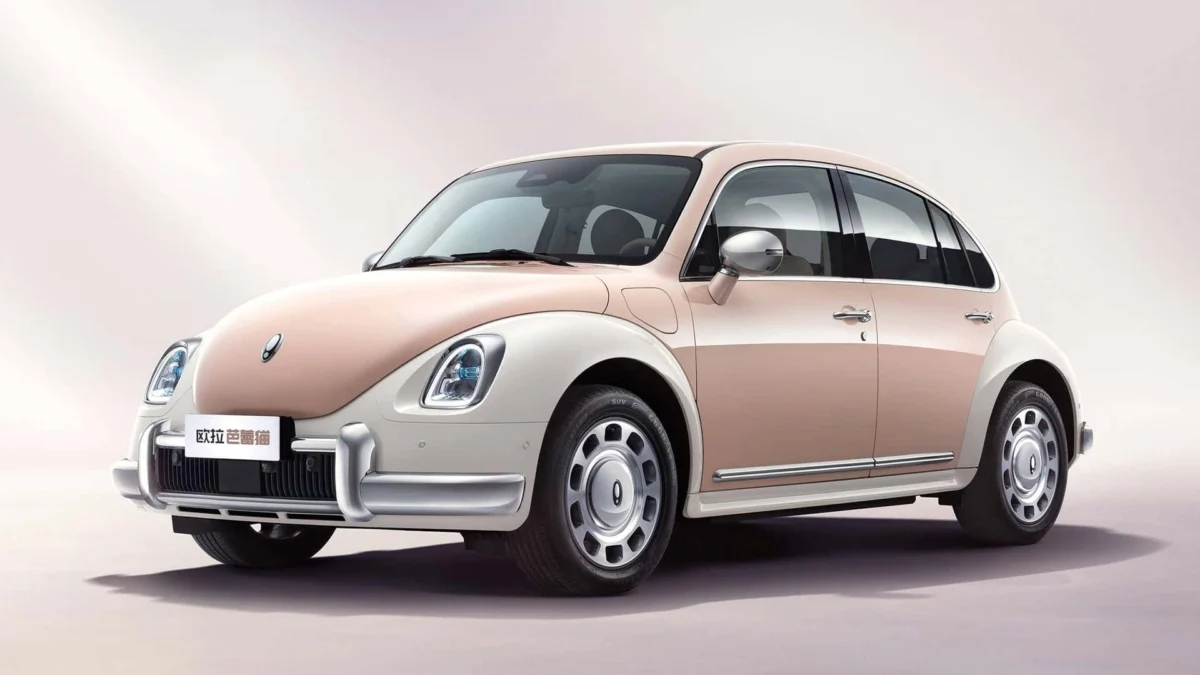
The spirit of the iconic Volkswagen Beetle, a vehicle that ceased sales in the United States in 2019 with the "Final Edition" marking the end of the New Beetle’s revival, continues to resonate globally, albeit in unexpected forms. In China, a company named Ora, a sub-brand of Great Wall Motor (GWM), has been meticulously crafting its own interpretation of the beloved Bug. The Ora Ballet Cat, a modern electric vehicle inspired by the original Type 1 Beetle, first debuted in 2022. While it has carved out a niche market, selling a few thousand units annually and priced around ¥193,000 (approximately $28,000), the company is now set to inject new life into the model with substantial updates for the 2026 model year, primarily focusing on enhancing its performance and efficiency.
A Modern Homage with Enhanced Electric Performance
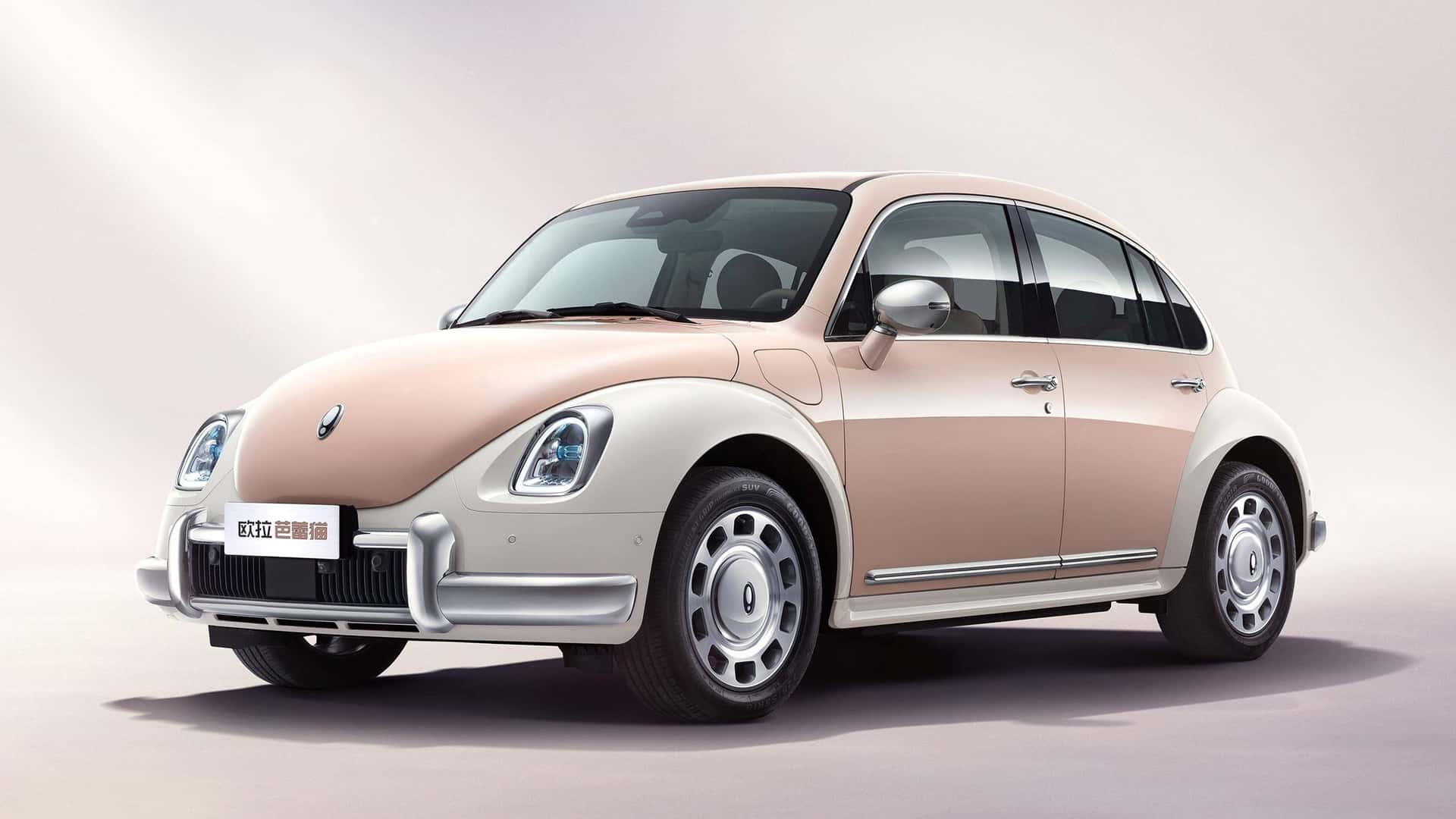
The Ora Ballet Cat has consistently drawn attention for its striking resemblance to the classic Volkswagen Beetle. It masterfully blends retro design cues with contemporary automotive technology, presenting a slightly sleeker silhouette than its historical inspiration. This aesthetic, which harks back to the beloved curves and proportions of the original Beetle, has proven to be a significant draw for a segment of the market seeking nostalgic appeal combined with modern functionality. However, until now, its performance metrics have been more of a gentle whisper than a roar.
For the 2026 model year, Ora is aiming to significantly broaden the Ballet Cat’s appeal and attract a larger customer base by bolstering its electric powertrain. The most notable enhancement is the introduction of a completely new electric motor, replacing the previous unit which delivered a modest 169 horsepower. This upgrade represents a significant leap forward in performance, aiming to provide a more engaging driving experience.
According to information released by China’s Ministry of Industry and Information Technology (MIIT) and reported by CarNewsChina, the updated Ballet Cat now boasts an impressive 201 horsepower. This power increase is accompanied by a more robust top speed, which has been raised from a relatively modest 96 miles per hour (approximately 154 km/h) to a more competitive 112 miles per hour (approximately 180 km/h). This boost in performance is a direct result of the new motor and is supported by a new lithium-iron phosphate (LFP) battery pack. LFP batteries are increasingly favored in the electric vehicle industry for their enhanced safety, longer lifespan, and improved thermal stability, making them a practical choice for mass-produced EVs.
Innovative Features Continue to Define the Ballet Cat’s Unique Appeal
Beyond the significant powertrain enhancements, the fundamental character of China’s quirky Beetle-inspired EV remains largely unchanged for 2026. The Ora Ballet Cat continues to distinguish itself with a suite of unusual and arguably innovative features, many of which appear to be tailored towards its perceived female demographic. These features underscore Ora’s strategy of differentiating the Ballet Cat not just through its retro styling but also through its unique functional offerings.
Among the standout features is a large vanity mirror integrated into the cabin, designed to facilitate makeup application for occupants on the go. This detail highlights a focus on passenger convenience and personal grooming, a consideration rarely seen in mainstream automotive design. Furthermore, the Ballet Cat is equipped with a selfie camera that allows users to capture photos and upload them directly to social media platforms. This integration of social media connectivity reflects a trend in the Chinese market, where digital integration and personal expression are highly valued.
Adding another layer of comfort and convenience is the "Warm Man Mode." This feature, activated with the simple push of a button, rapidly heats the cabin, ensuring a comfortable environment even in colder climates. Such thoughtful, albeit unconventional, amenities contribute to the Ballet Cat’s distinct identity and its appeal to a specific segment of consumers. These features, combined with its nostalgic design, position the Ballet Cat as more than just a car; it’s presented as a lifestyle accessory.
Market Context and Future Outlook
The Ora Ballet Cat’s journey began in 2022, and its sales figures have remained modest, indicating a niche but dedicated following. The company’s strategic decision to upgrade the powertrain for 2026 suggests a commitment to refining the product and increasing its market competitiveness. By enhancing the power output and top speed, Ora is addressing potential criticisms regarding the car’s performance limitations and aiming to attract a broader range of buyers who might have previously been deterred by its less potent previous iteration.
The pricing, starting at around $28,000, places the Ballet Cat in a competitive segment of the Chinese electric vehicle market. This price point, combined with its unique styling and features, offers a distinct value proposition. The increased power for 2026 is likely to further solidify its appeal within this segment, potentially boosting sales and market share.
The Unlikely Journey to Western Markets
Despite its charming retro-futuristic design and increasingly capable performance, the Ora Ballet Cat faces significant hurdles in making its way to markets like the United States. Regulatory differences, market demand, and established brand loyalty present substantial challenges for imported niche vehicles. While the prospect of the Ballet Cat gracing American roads remains distant, the enduring affection for the Beetle nameplate in the US fuels speculation about Volkswagen’s own future plans for the iconic model. Consumers in the US who are drawn to the Ballet Cat’s aesthetic may continue to hold out hope for a potential return of the Beetle in some form, perhaps as an electric successor.
Motor1’s Perspective
From an automotive enthusiast’s standpoint, the Ora Ballet Cat represents an intriguing blend of past and future. Regardless of its "knockoff" status, the vehicle possesses an undeniable charm and a playful spirit. The inclusion of practical yet unique features, such as the vanity mirror and selfie camera, adds a dimension of personality rarely found in modern vehicles. The performance upgrade for the 2026 model year, bringing the horsepower to 201 and increasing the top speed, is a welcome development that should enhance its appeal to a wider audience within China. This move demonstrates Ora’s responsiveness to market dynamics and its ambition to evolve its offerings. The enhanced performance, coupled with its distinctive styling, makes the updated Ballet Cat a more compelling proposition for potential buyers in its target market.
Broader Implications and Industry Trends
The Ora Ballet Cat’s evolution reflects broader trends in the global automotive industry, particularly the surge in electric vehicle development and the increasing demand for vehicles that offer unique styling and personalized features. As the automotive landscape shifts towards electrification, manufacturers are exploring diverse design philosophies to capture consumer interest. The Ballet Cat’s success, while currently confined to China, could pave the way for other niche EVs that blend nostalgic design with sustainable technology.
The MIIT’s role in approving these vehicle specifications highlights the regulatory oversight governing the automotive sector in China, ensuring that new models meet established performance and safety standards. The information shared through such official channels provides valuable insights into the ongoing development of China’s rapidly growing electric vehicle market. The focus on LFP batteries, for instance, underscores a global trend towards more sustainable and cost-effective battery solutions.
As the automotive world continues to innovate, the Ora Ballet Cat stands as an interesting case study in how heritage design can be reimagined for the electric era. Its journey, from a retro-inspired concept to a more performance-oriented electric vehicle, illustrates the dynamic nature of the automotive industry and the constant pursuit of innovation to meet evolving consumer preferences. While its international reach may be limited, its impact on the niche market it serves in China is undeniable, and its story offers a compelling glimpse into the diverse future of personal mobility.