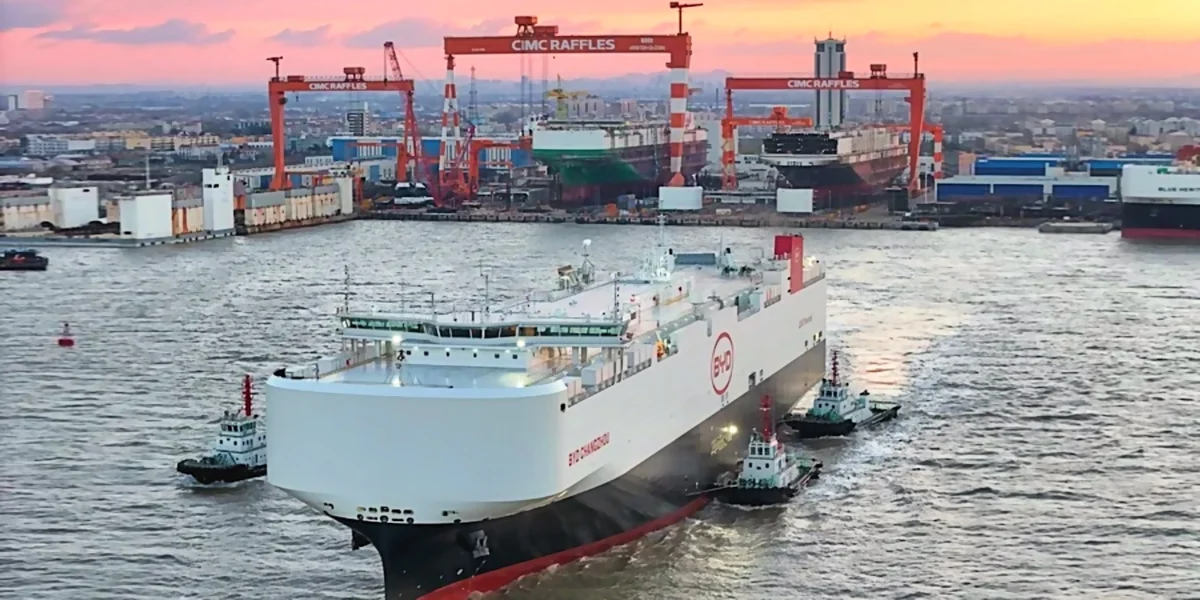
The global automotive landscape is undergoing a monumental shift, characterized not only by the rapid transition toward electrification but also by the dramatic restructuring of international supply chains. At the forefront of this transformation is Chinese electric vehicle (EV) giant BYD, which has firmly established itself as a dominant force in the New Energy Vehicle (NEV) sector. In a decisive move to secure its maritime logistics and accelerate its aggressive international expansion, industry reports indicate that BYD has placed a massive new order for ten additional pure car and truck carriers (PCTCs). Each of these state-of-the-art vessels boasts a staggering capacity of 9,200 cars, highlighting the company’s unyielding commitment to capturing market share across Europe, North America, and beyond.
This latest development, initially brought to light by Middle Eastern maritime publication Robban Assafina and corroborated by CarNewsChina citing supply chain and industry sources, represents a massive escalation in BYD’s maritime strategy. With these ten new vessels added to its roster, BYD’s proprietary fleet is projected to reach 18 liquefied natural gas (LNG)-powered ships. Combined, this formidable armada will possess the unprecedented capacity to transport over 130,000 vehicles simultaneously. This strategic pivot toward owning and operating dedicated transport ships underscores the severe bottlenecks and rising costs the automotive industry has faced within the global commercial shipping market, prompting automakers to take matters into their own hands.
The Genesis of BYD’s Maritime Ambitions
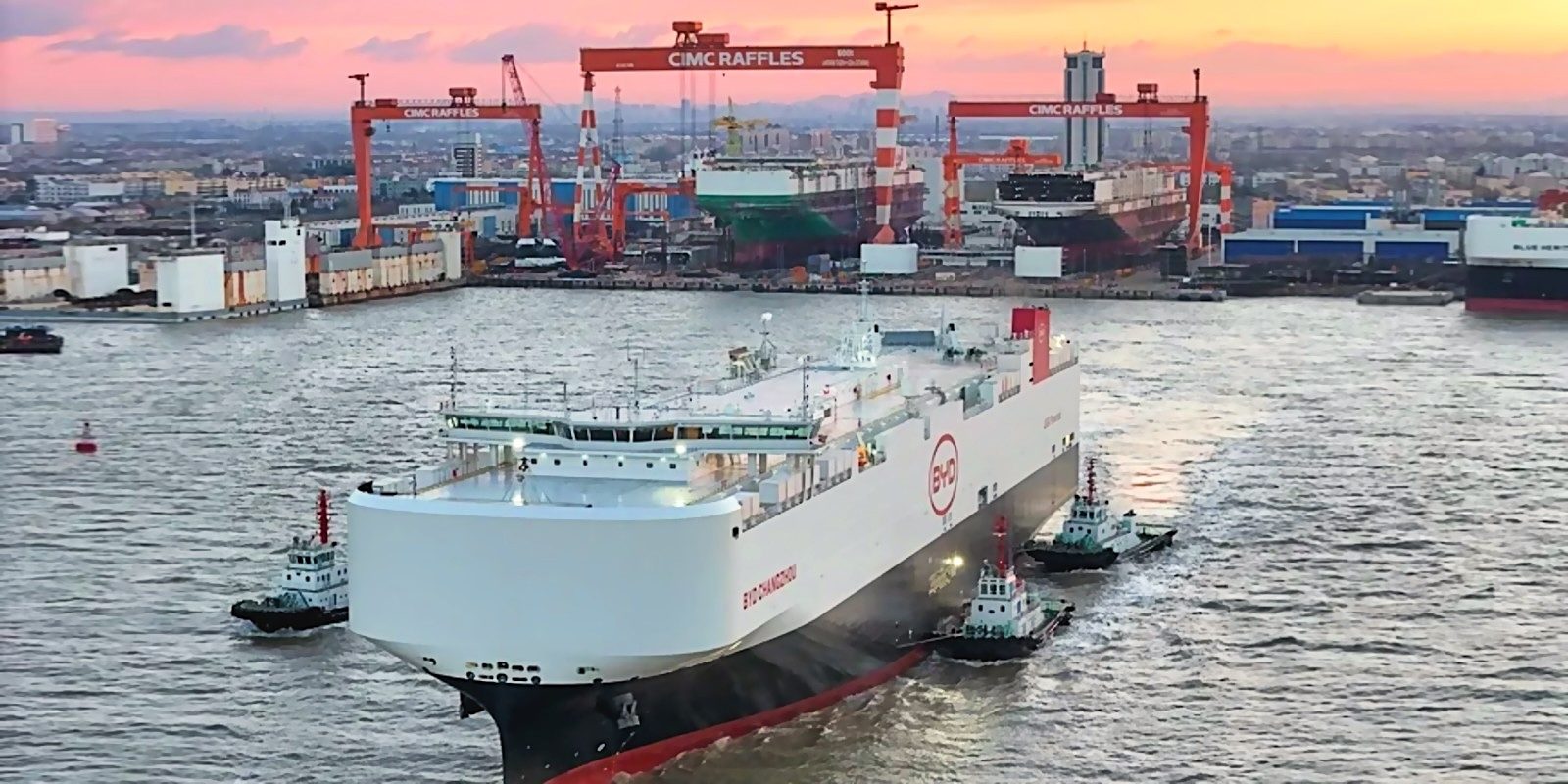
To fully understand the gravity of BYD’s current fleet expansion, one must examine the chronology of the company’s logistics evolution. Historically, major automakers relied entirely on third-party roll-on/roll-off (RoRo) shipping lines to export vehicles from manufacturing hubs in Asia to international markets. However, the post-pandemic recovery triggered an unprecedented crunch in global maritime capacity. Charter rates for car carriers skyrocketed to historic highs, and vessel availability became severely constrained precisely as Chinese automakers began ramping up export volumes to historic levels.
Recognizing this critical vulnerability, BYD made a bold strategic pivot. Last year, the company marked a monumental milestone in maritime history with the maiden voyage of the BYD Shenzhen. Serving as the flagship of the company’s transport fleet, the Shenzhen set sail with a staggering capacity of 9,200 parking spots—an area equivalent to roughly 20 football fields—solidifying its status as the world’s largest car transport ship at the time.
The successful deployment of the Shenzhen proved that proprietary shipping could insulate BYD from the volatility of the global charter market while guaranteeing reliable transit schedules for its expanding global customer base. Buoyed by this success, the automaker initiated a rapid expansion of its owned fleet, moving from initial experimental vessel acquisitions to commissioning massive, environmentally optimized carriers designed for long-haul intercontinental routes.
Explosive International Growth and Export Metrics
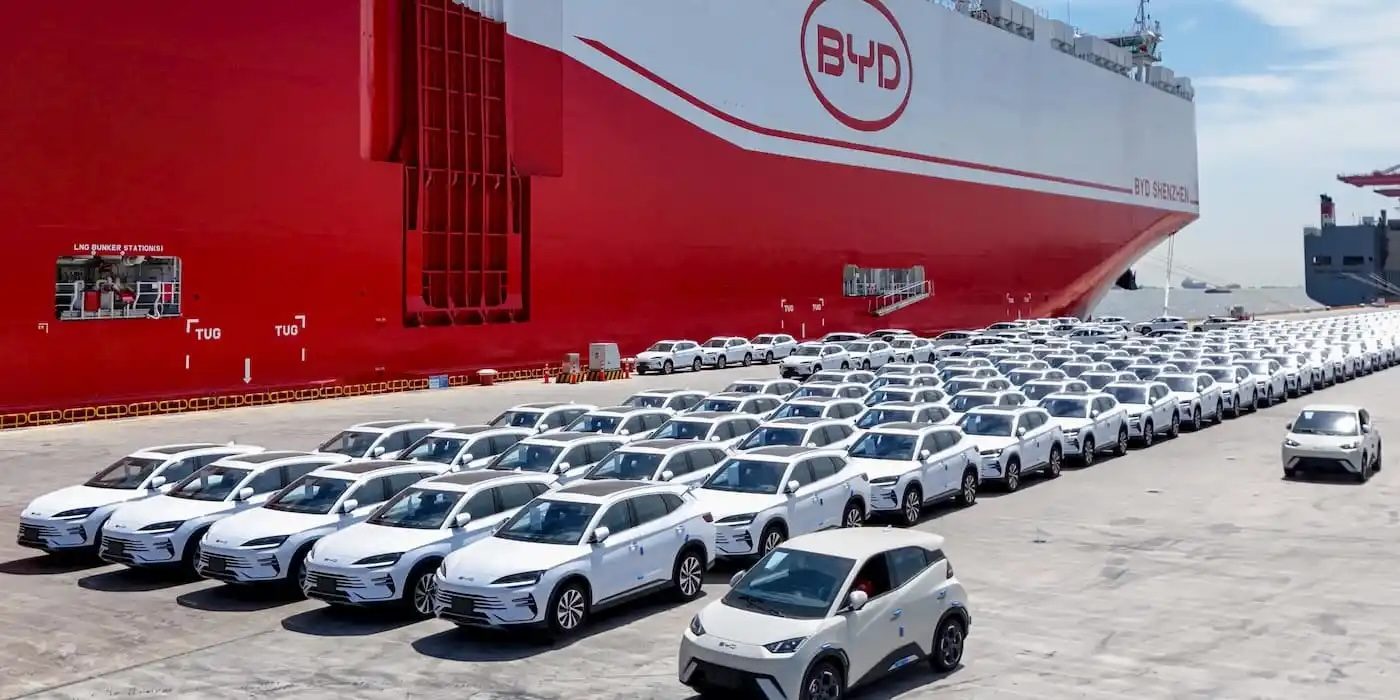
BYD’s unprecedented investment in maritime infrastructure is directly tied to its explosive sales growth outside of China. The company’s export metrics over the past year illustrate a commercial trajectory unlike anything the modern automotive industry has witnessed.
According to recent data, BYD exported an astounding 184,000 passenger vehicles from China in a single recent month, representing a massive 131% increase year-over-year and a sequential growth of over 6% compared to the prior month. Furthermore, through August of the current year, BYD’s cumulative exports reached 1,127,000 vehicles, marking an extraordinary near-90% growth rate compared to the same period in the previous year. Within China’s broader NEV export sector—encompassing both battery electric vehicles (BEVs) and plug-in hybrid electric vehicles (PHEVs)—BYD commands a dominant 35.4% market share.
This surging demand is acutely visible in key regional markets such as the United Kingdom and continental Europe. Since launching its initial retail operations in the UK in March 2023, BYD has registered more than 110,000 vehicles. The momentum has accelerated sharply, with UK registrations surging by 98% through August, accounting for over 48,000 newly registered vehicles. Consequently, BYD’s share of the UK new car market has climbed to 3.48%, nearly doubling from 1.92% during the corresponding period last year.
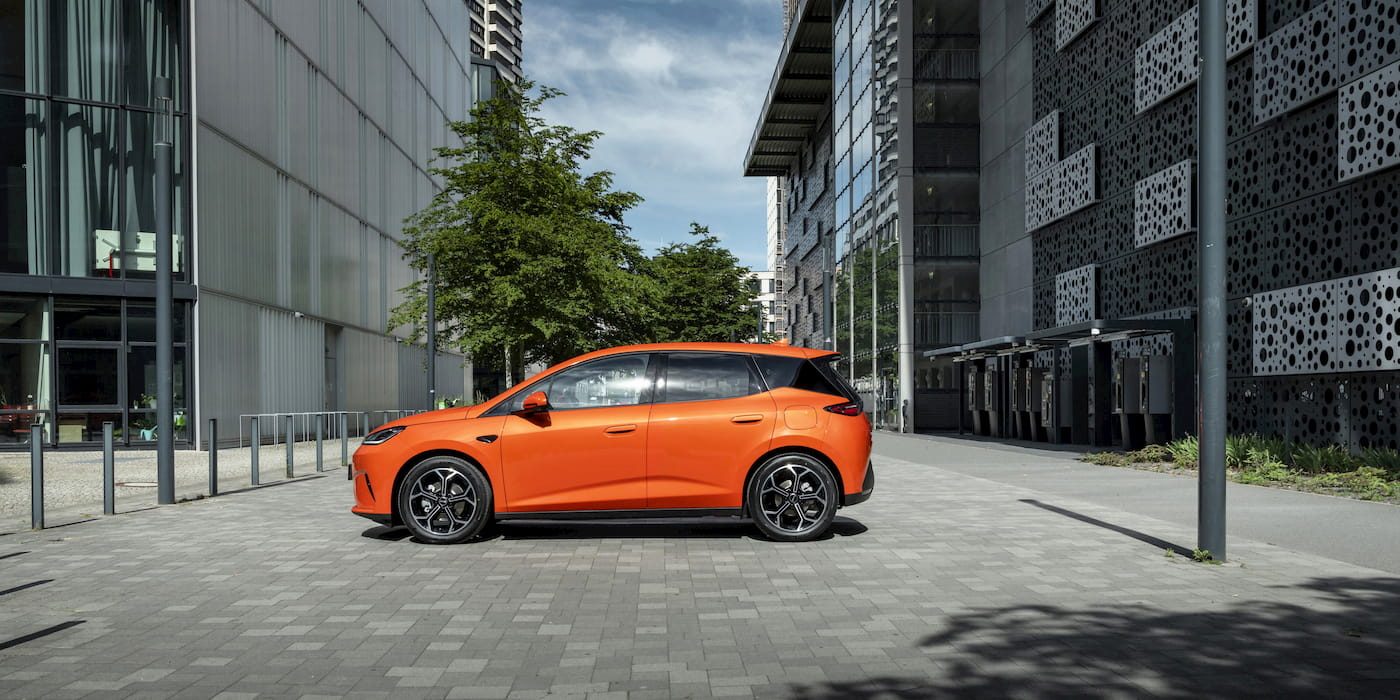
Simultaneously, the automaker is executing a parallel expansion strategy across mainland Europe. By introducing updated, highly competitive models—such as the latest iterations of its affordable EV lineup first showcased at major industry exhibitions like the Chengdu Auto Show—BYD is systematically targeting price-sensitive European consumers who are increasingly demanding accessible electrification options.
Engineering and Environmental Specifications of the New Fleet
The newly ordered vessels are not merely symbols of logistical scale; they represent a significant technological and environmental leap forward for maritime transport. Powered by liquefied natural gas (LNG), these 9,200-capacity Pure Car and Truck Carriers (PCTCs) are engineered to significantly reduce sulfur oxides, nitrogen oxides, and particulate matter emissions compared to traditional heavy fuel oil-powered vessels.
As global regulatory bodies, particularly the International Maritime Organization (IMO), enforce increasingly stringent carbon intensity and emissions standards for commercial shipping, BYD’s investment in dual-fuel or LNG-capable architecture ensures compliance while minimizing the carbon footprint associated with long-haul vehicle delivery. Each ship is meticulously designed to maximize internal cubic volume, utilizing advanced multi-deck configurations and reinforced ramp systems capable of accommodating heavy battery-electric passenger cars, SUVs, and commercial light trucks safely.
Market Implications and Industry Analysis

The implications of BYD expanding its proprietary 18-vessel fleet extend far beyond the company’s immediate corporate balance sheet. Industry analysts suggest that this move fundamentally alters the competitive dynamics between traditional maritime logistics providers and mega-automakers.
For decades, third-party shipping conglomerates held absolute leverage over vehicle manufacturers regarding scheduling, routing, and freight pricing. By securing a massive, dedicated fleet capable of moving upwards of 130,000 vehicles at a single operational snapshot, BYD effectively insulates its supply chain from geopolitical disruptions, port congestions, and inflationary shipping spikes. This vertical integration provides the Chinese automaker with an insurmountable cost and delivery advantage over legacy Western and Asian competitors who continue to rely heavily on open-market vessel charters.
Furthermore, the scale of this maritime deployment signals to international regulators and competing automakers that BYD’s global ambitions are permanent and rapidly scaling. As trade tensions fluctuate and various jurisdictions contemplate tariff structures or trade defenses against imported electric vehicles, having a flexible, owned distribution network grants BYD the agility to reroute shipments, optimize regional inventory levels, and respond dynamically to shifting market demands across the globe.
Outlook and Future Trajectory

As construction progresses on BYD’s expanded fleet of 9,200-capacity carriers, the company stands uniquely positioned to support its multi-million-unit annual production capacity with a seamless, end-to-end global delivery mechanism. The transition from a domestic market leader to a truly ubiquitous multinational enterprise relies as much on maritime engineering as it does on battery chemistry and vehicle design.
With its sights firmly set on deepening its footprint in Europe, the Americas, and emerging international territories, BYD’s massive maritime investment ensures that the physical bridge between its advanced manufacturing facilities in China and consumers worldwide remains open, efficient, and entirely under its own control. The era of the automaker-turned-shipping-magnate has arrived, and BYD is steering the helm at unprecedented scale.