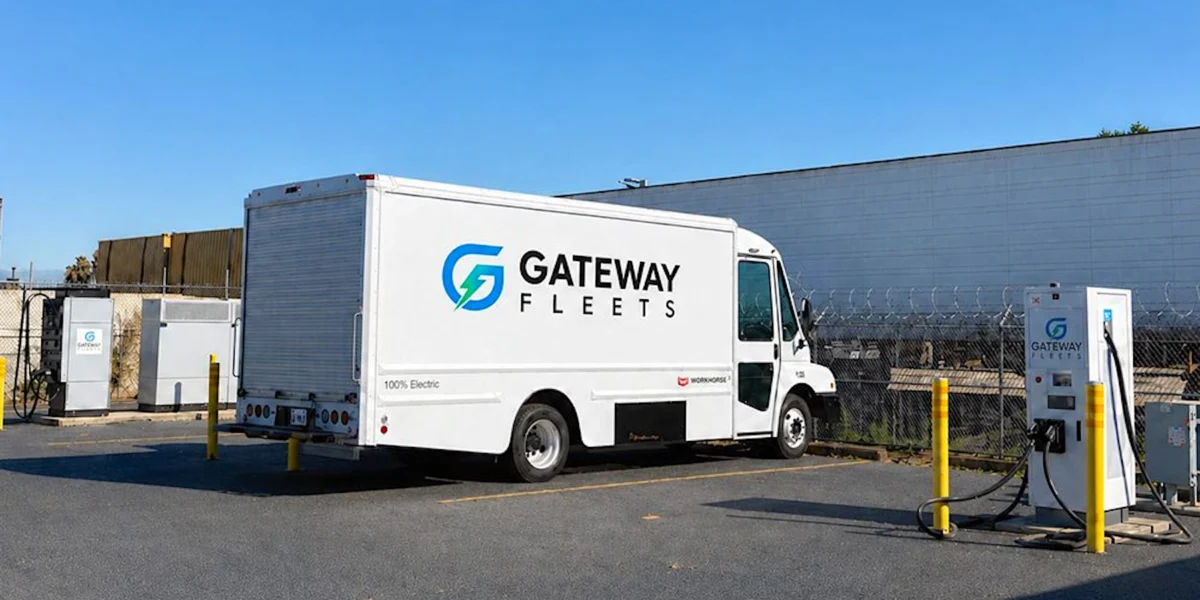
The commercial electric vehicle sector has received a significant boost as North American manufacturer Workhorse Group announced a follow-up order for 200 medium-duty electric step vans from Gateway Fleets. This latest procurement follows an initial deployment of 100 vehicles earlier in the year, signaling a rapid acceleration in the adoption of zero-emission fleets among third-party logistics (3PL) providers navigating volatile fossil fuel markets.
The transaction is facilitated by the California-based truck dealership Kingsburg Truck Center (KTC), which manages sales consultations, incentive processing, and lifecycle service support. The newly contracted vehicles are scheduled for deployment beginning in the second half of 2027 and continuing through 2028, reinforcing a long-term commitment to fleet electrification within the competitive last-mile delivery landscape.
Background and Context of the Fleet Expansion
The rapid growth of e-commerce—spanning grocery delivery, automotive parts distribution, and localized freight—has placed unprecedented demands on last-mile delivery contractors. These essential operators have faced mounting operational pressures, most notably driven by fluctuating and record-high fuel prices that severely impact profit margins for internal combustion engine (ICE) fleets.
To mitigate these economic headwinds, commercial operators are increasingly seeking alternatives that insulate them from fuel price volatility. However, the transition to electric mobility has historically been hindered by two primary barriers: the steep upfront capital expenditure required to purchase commercial electric vehicles (CEVs) and the complex, capital-intensive infrastructure development needed to install localized depot charging systems.
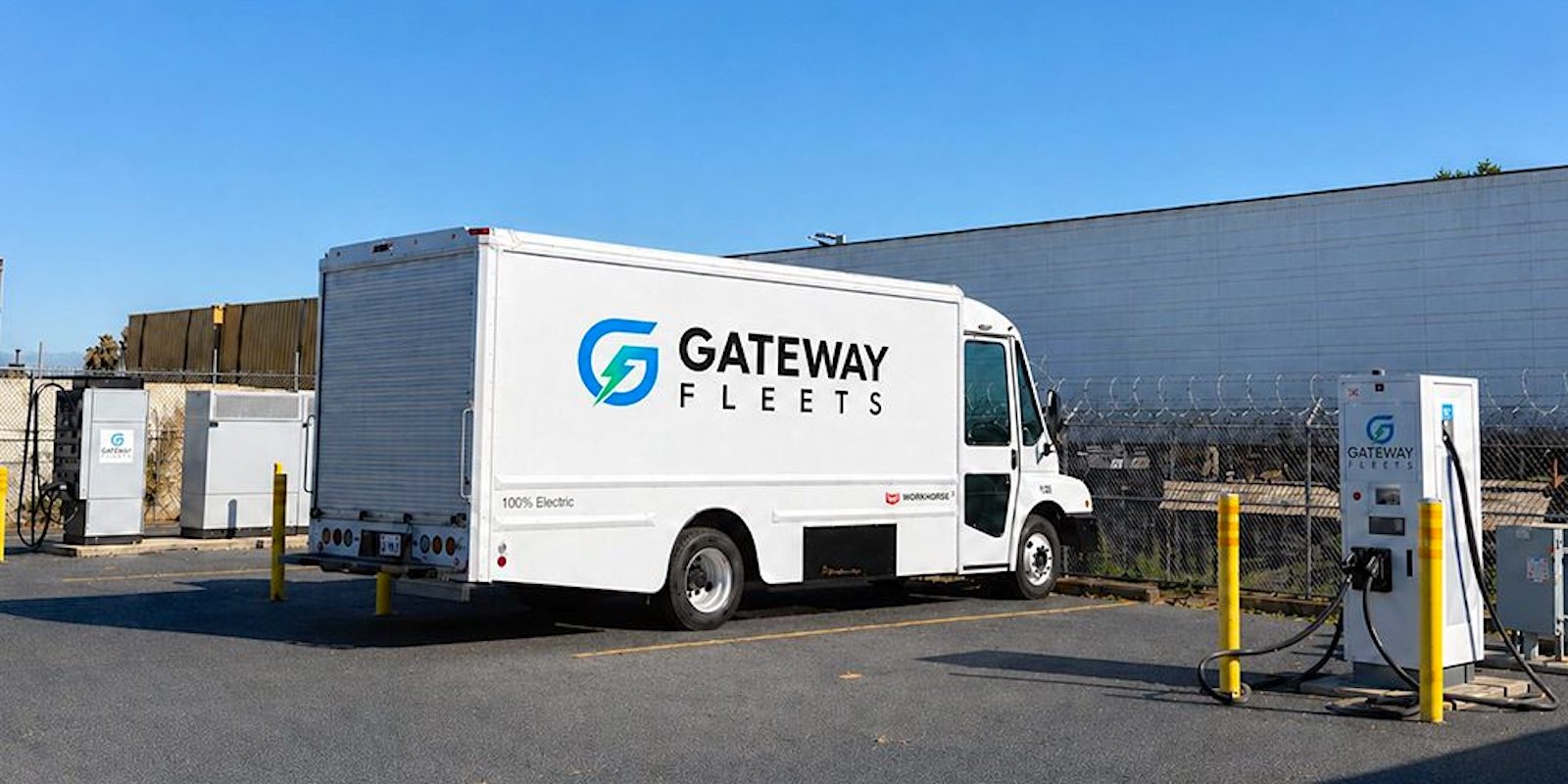
Gateway Fleets addresses these systemic hurdles through an innovative "truck-as-a-service" (TaaS) business model. By bundling purpose-built electric trucks, comprehensive charging infrastructure, fleet management support, and depot access under flexible financing structures, Gateway enables asset-light delivery operators to transition to electric power without absorbing the traditional risks associated with infrastructure deployment and vehicle ownership. The decision to order an additional 200 units underscores the commercial viability of this model and reflects growing operator confidence in the reliability of electric delivery vans under rigorous, high-cycle daily operating conditions.
Engineering Specifications of the Workhorse W56 Platform
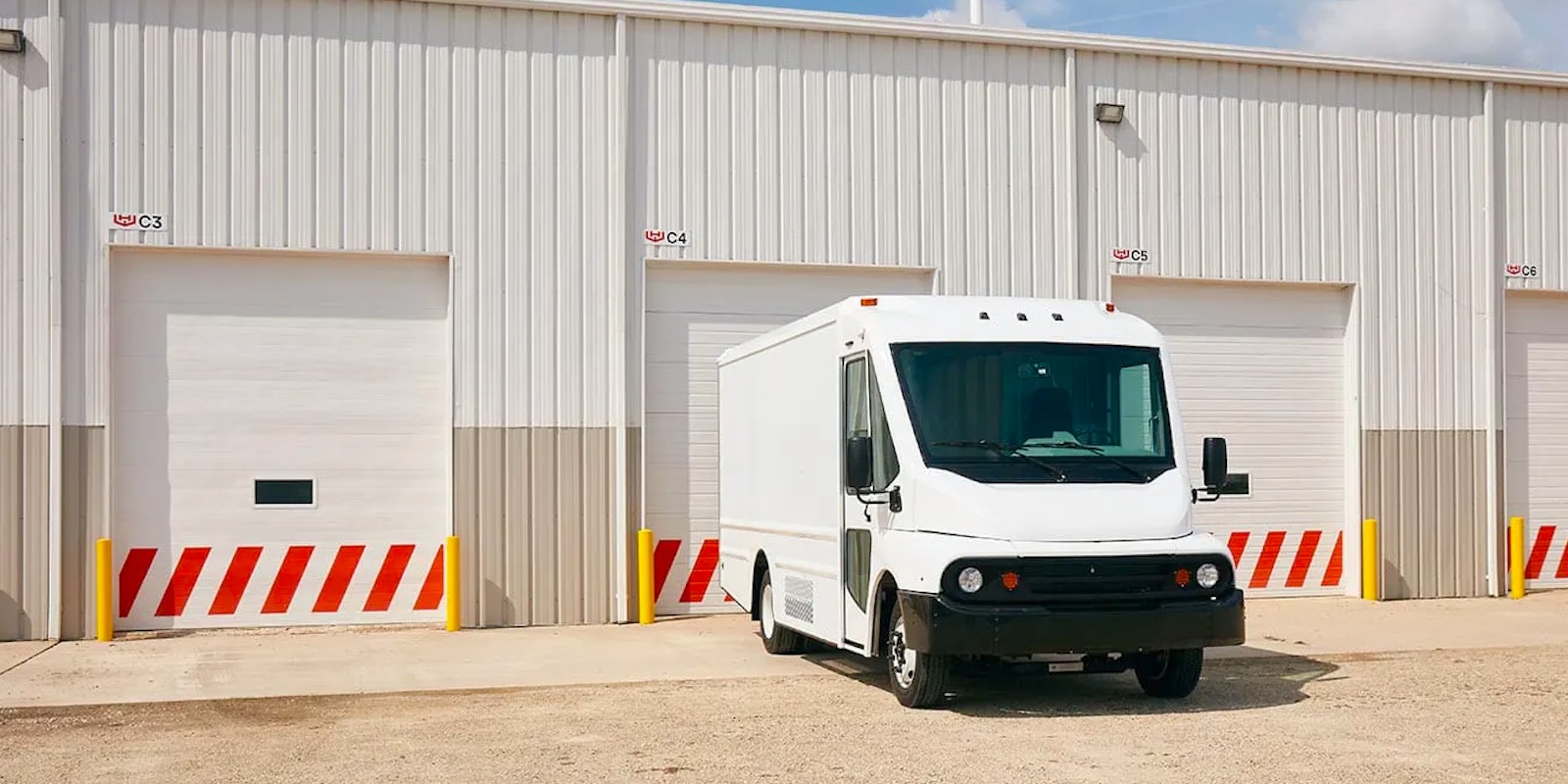
At the center of this multi-hundred-unit rollout is the Workhorse W56 step van, engineered specifically for Class 5 and Class 6 medium-duty applications. The vehicles commissioned by Gateway Fleets feature a robust 178-inch wheelbase and a generous 1,000-cubic-foot cargo box capacity, designed to handle payloads of up to 10,000 pounds.
Performance metrics for the W56 platform are anchored by a high-capacity 210 kWh battery pack, delivering an estimated operational range of up to 150 miles per charge. This range profile is tailored to accommodate typical urban and suburban multi-stop delivery routes without requiring mid-shift recharging.
Beyond powertrain efficiency, the vehicle architecture prioritizes driver ergonomics and durability. The step vans are constructed with fully integrated, purpose-built composite bodies designed to resist rust, dents, and environmental corrosion, thereby lowering lifetime maintenance costs. Inside the cabin, the ergonomic layout is engineered to minimize the physical strain placed on delivery drivers who mount and dismount the vehicle dozens of times per shift, contributing to improved operator safety and reduced fatigue.

Industry Perspectives and Stakeholder Commentary
Leadership from both manufacturing and dealership sectors have highlighted the strategic importance of the expanded partnership.
Scott Griffith, Chief Executive Officer at Workhorse, emphasized the role of innovative financial models in overcoming market adoption barriers. "In today’s era of high and volatile fuel prices, customers are seeking the stability and lower operating costs associated with electric trucks, without sacrificing safety or performance," Griffith stated. "We believe Gateway’s innovative model will help unlock wider adoption of electric trucks through its bundled pricing that eliminates the two biggest barriers to widespread adoption: the higher upfront cost of the vehicle and the added investment capital required to build out the charging infrastructure."
Jerry Smith, Owner at Kingsburg Truck Center, underscored the collaborative nature of the deployment strategy. "This partnership brings together three critical components of fleet electrification: a high quality, proven Workhorse truck; a deployment and service partner, Gateway; and our team at Kingsburg, providing full-circle consultative sales, incentive processing and service support," Smith noted. He added that the positive operational feedback received regarding the W56 throughout the year has established a strong foundation for continued growth heading into future operational cycles.

Market Position and Broader Industry Implications
With this 200-unit expansion, Gateway Fleets joins an established roster of enterprise-level commercial operators utilizing Workhorse vehicles. The manufacturer’s customer ecosystem includes major logistics and service brands such as Aramark, Cintas, FedEx, and Canadian shipping provider Purolator, validating the platform’s utility across diverse commercial applications.
The broader implications of this deployment point toward an accelerating structural shift within the North American logistics sector. As regulatory frameworks tighten vehicle emissions standards and corporate sustainability mandates become standard operating procedure, fleet managers are compelled to accelerate decarbonization timelines. However, as demonstrated by the Gateway-Workhorse partnership, long-term market success depends less on mandated compliance and more on economic pragmatism.
By combining the operating cost stability of electric propulsion with structured financing and turnkey infrastructure support, the initiative provides a scalable blueprint for commercial fleet electrification. As the 200 new W56 step vans roll out between late 2027 and 2028, industry analysts will closely monitor their performance metrics as a benchmark for the economic and operational viability of medium-duty commercial electrification in high-density last-mile delivery networks.