The landscape of the American automotive market is undergoing a seismic shift as lawmakers in Washington move to tighten restrictions on vehicles and components originating from foreign adversaries. With the implementation of the Connected Vehicle Rule in 2025 serving as a foundational regulatory barrier, the U.S. government is now pivoting toward a more aggressive stance: targeting the ownership structures of the global automotive giants that supply the American public. A proposed Senate bill, which seeks to disqualify automakers from the U.S. market if they maintain 15% or more Chinese ownership, has ignited a complex debate regarding international investment, corporate autonomy, and the future of the automotive supply chain.
The Regulatory Evolution: From Connected Tech to Equity Thresholds
For years, the U.S. government has expressed mounting concerns regarding the integration of Chinese-developed software and hardware into vehicles sold domestically. These concerns are rooted in national security, specifically the risk that "connected" vehicles—those equipped with sophisticated telematics, GPS, and autonomous driving sensors—could serve as conduits for data collection or remote interference by hostile foreign powers.
The Connected Vehicle Rule, which began its rollout in 2025, effectively signaled the end of the road for many Chinese-manufactured vehicles and certain software architectures. This regulation compelled manufacturers to perform a "de-risking" exercise, forcing brands like Volvo, which is owned by the Chinese conglomerate Geely, to navigate an increasingly restrictive compliance environment. The scrutiny has been so intense that it has even cast doubt on the future of Polestar, a brand historically linked to Chinese manufacturing and capital, prompting public debate over whether the brand can sustain its U.S. operations under current and pending regulatory pressure.
The Proposed Senate Bill: A 15% Hard Line
The proposed legislation represents a bipartisan effort to formalize these restrictions through equity thresholds. Under the terms currently being debated, any automaker with a 15% or greater stake held by Chinese entities would face significant barriers to the U.S. market. The move is designed to prevent Chinese influence from seeping into the operational strategies of legacy automakers, even those headquartered in allied nations.
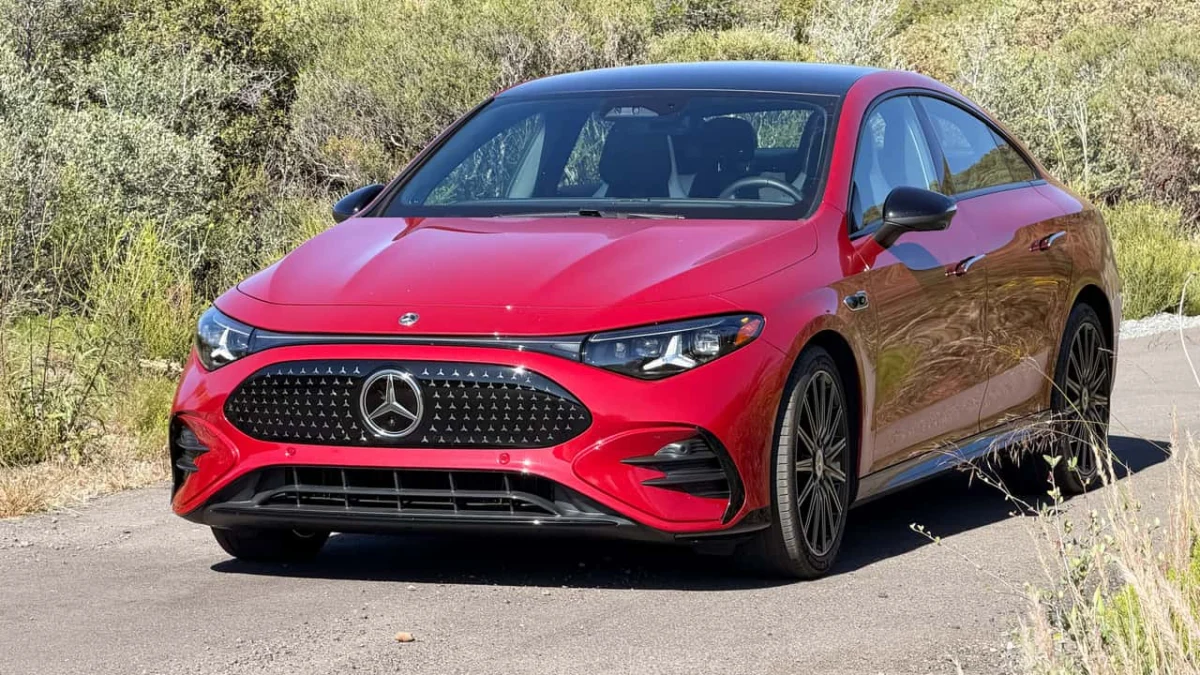
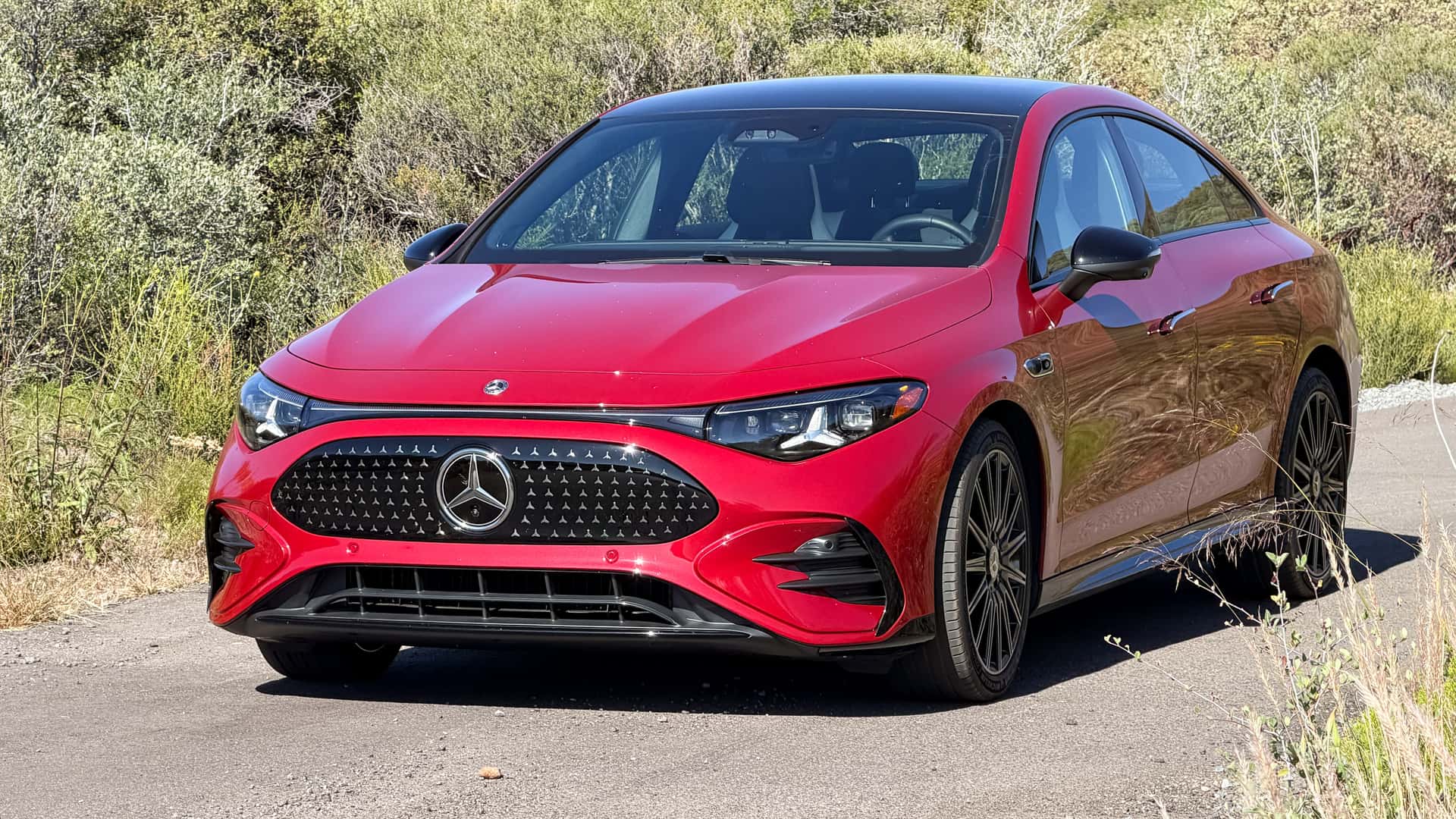
However, the bill has created immediate friction for several European manufacturers that have long-standing, passive financial ties to Chinese investors. The most prominent example is Mercedes-Benz, where Chinese interests, specifically Tenaciou3 Prospect Investment Limited (holding 9.69%) and the BAIC Group (holding 9.98%), collectively account for approximately 20% of the company’s shares.
This creates an immediate contradiction: if the bill were to be applied strictly, the luxury German marque—a staple of the American automotive market—could be sidelined. Recognizing this, Senator Bernie Moreno (R-MI) has sought to clarify the intent of the legislation. According to statements provided to Reuters, Moreno emphasized that the goal is not to force a mass exit of established, high-quality manufacturers, but rather to mitigate strategic risks. "What we’re not going to do, obviously, is ban Mercedes-Benz vehicles in America," Moreno stated. He further questioned the logistical feasibility of forcing such a massive restructuring, asking whether it is possible for a company to reach the 15% threshold without "debilitating their company."
Chronology of the Legislative Push
The momentum behind this bill is reflective of a broader "de-risking" strategy in Washington.
- Early 2025: The Connected Vehicle Rule is implemented, prohibiting the sale of vehicles with specific Chinese-origin software or hardware, forcing immediate pivots for manufacturers with complex global supply chains.
- Mid-2025: The Senate begins drafting more stringent legislation targeting ownership, specifically aiming to close loopholes that might allow Chinese influence to persist through financial equity rather than just physical hardware.
- Late 2025/Early 2026: Bipartisan consensus grows, with nearly every senator expressing support for the measure, with the notable exception of Senator Rand Paul (R-KY).
- Current Status: Legislative debates are ongoing, focusing on the distinction between "active" operational control and "passive" financial investment.
Defining Passive vs. Active Influence
A critical component of the ongoing discourse is the distinction between passive investment and active operational influence. In the case of Mercedes-Benz, the Chinese stakeholders do not participate in daily operations, product development, or long-term strategic planning. They are investors in the traditional sense, seeking financial returns rather than corporate control.
The U.S. government appears to be signaling a willingness to distinguish between these categories. Lawmakers are currently exploring whether the 15% threshold can be managed through regulatory exemptions for companies that can demonstrate an absence of operational interference. If a brand can prove that its Chinese stakeholders have no say in vehicle architecture, software development, or data handling, it may be granted a path toward compliance—provided it can eventually lower its ownership percentage or restructure its shareholder agreements.
Broader Impacts: Aston Martin, Lotus, and Market Stability
The reach of this legislation extends well beyond Mercedes-Benz. Many legacy brands have diversified their ownership portfolios over the last decade, and the automotive sector has seen a surge in Chinese capital inflows.
Aston Martin, for instance, faces a similar hurdle, with Geely holding a 17% stake. To remain in the U.S. market—a crucial region for high-end luxury vehicle sales—the British manufacturer would likely be required to undergo significant corporate restructuring. Similarly, the brand Lotus, which is owned by Chinese interests, faces an even more precarious future. Unlike Mercedes or Aston Martin, Lotus operates on a smaller scale in the U.S., potentially making it a test case for how regulators intend to enforce the law when the market impact is considered "manageable."
The risk, according to industry analysts, is that these mandates could force a rapid and potentially devaluing sale of shares by Chinese investors, or necessitate a complex "divestment" strategy that could disrupt the financial health of the automakers involved.
Political Unity and the Path Forward
The level of political unity behind this bill is noteworthy. According to Senator Elissa Slotkin (D-MI), the support is near-universal, with 99 out of 100 senators in favor of the move. Senator Rand Paul (R-KY), the sole dissenter, has made his position clear: his opposition is not based on the concept of limiting foreign influence, but on the specific impact the bill would have on companies like Mercedes-Benz. Paul has signaled that he would be willing to support the bill if the language targeting companies with passive Chinese investment were amended or removed.
This legislative tug-of-war highlights the difficult balancing act facing the U.S. government. While there is a clear mandate to protect domestic technology and data from foreign adversaries, the globalized nature of the automotive industry makes complete separation almost impossible without causing significant damage to the American consumer market.
Economic and Strategic Implications
For the American consumer, the immediate impact of this legislation remains to be seen. If the bill passes in its current form, it could lead to higher prices for certain imported luxury vehicles as companies pay the cost of restructuring their capital base. Conversely, it may accelerate the "onshoring" of automotive manufacturing and software development, a long-term goal of the current administration.
The implications for the global automotive market are equally profound. Automakers are now being forced to choose between maintaining their traditional international investment structures and preserving access to the highly lucrative American market. As manufacturers evaluate these risks, many may begin to pivot their long-term equity strategies, moving away from Chinese investment to ensure compliance with the evolving U.S. regulatory framework.
Ultimately, the legislation represents a turning point in how the U.S. views the intersection of private equity and national security. By setting a hard limit on foreign ownership, the government is signaling that the era of "business as usual" in the global automotive sector has ended. For manufacturers, the path forward will require not only innovation in vehicle design but also an unprecedented level of transparency in their financial and corporate structures. As the bill moves through the legislative process, all eyes will be on whether Washington decides to offer flexibility for established, passive investments or chooses to enforce a strict, binary approach to foreign ownership.