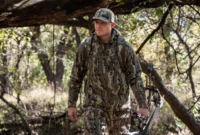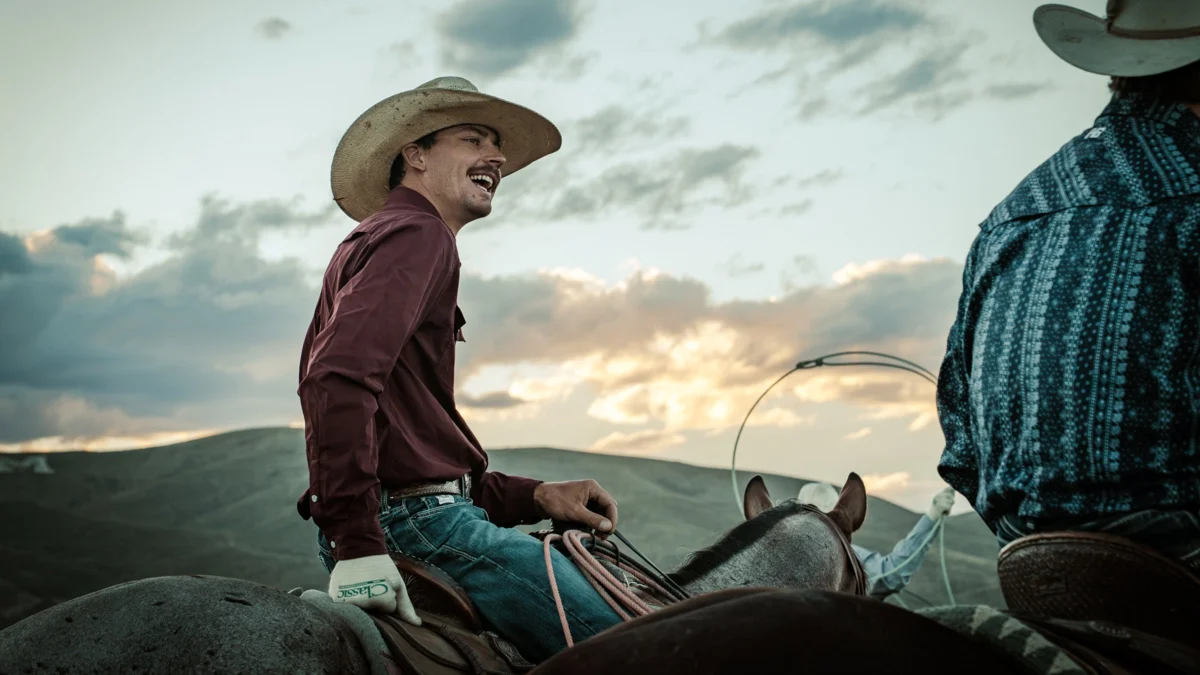
In the high-stakes world of western ranching and professional rodeo, the line between efficiency and failure is often drawn by the quality of one’s equipment. For individuals like John Helle and his sons, Evan and Weston—who oversee 10,000 head of sheep across a sprawling 100,000-acre operation in western Montana—gear is not merely a convenience; it is a critical component of survival. Operating in a climate that fluctuates between the blistering sun of summer and the sub-zero, equipment-shattering temperatures of winter, the Helles demand tools that can withstand relentless environmental abuse. Their work, which often requires navigating 80 miles of rugged, unpaved terrain just to reach grazing allotments, serves as an ultimate laboratory for product durability.
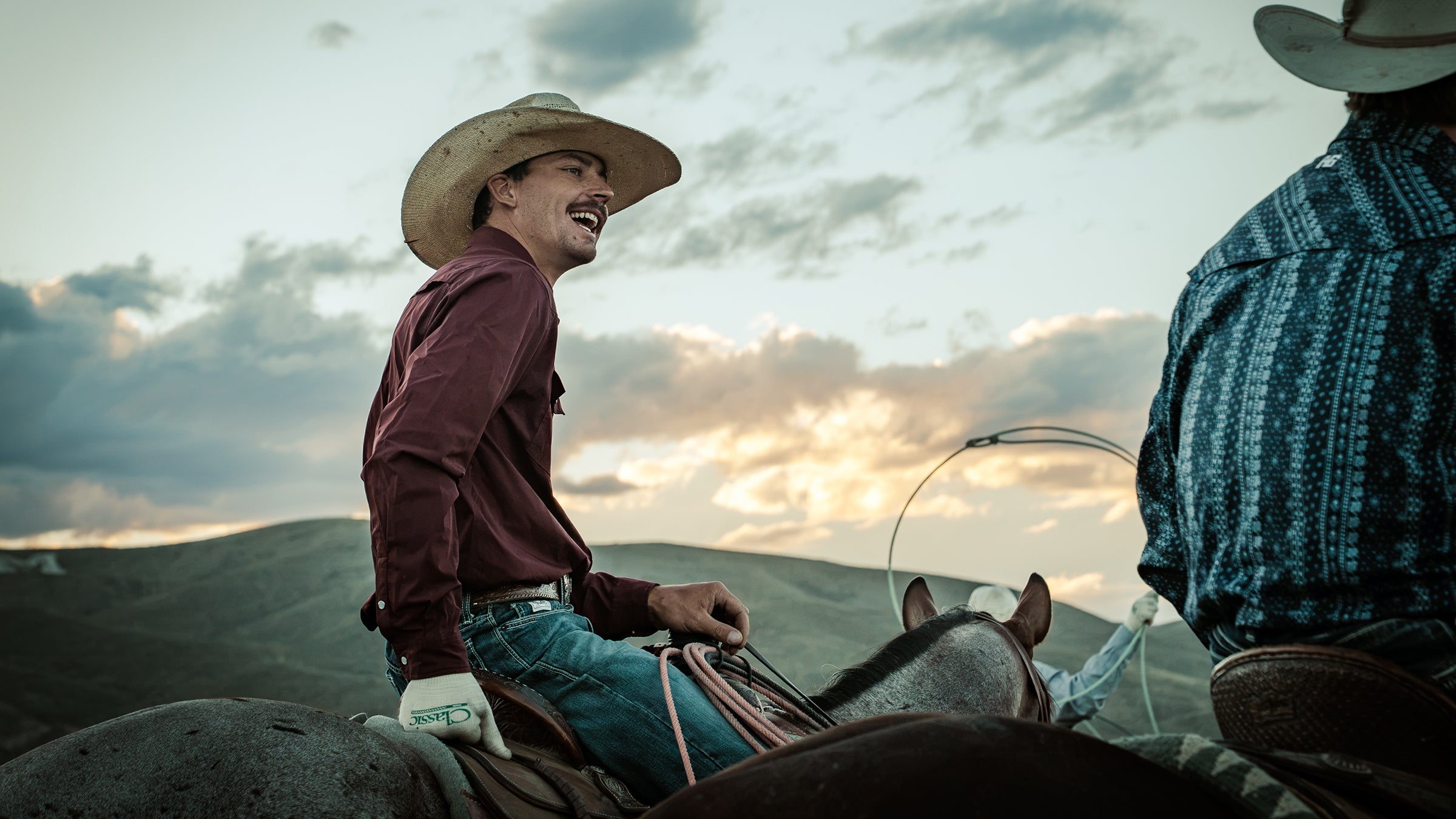
This standard of performance is echoed in the professional rodeo circuit, specifically at the Dillon Jaycees rodeo. Here, competitors routinely log between 50,000 and 100,000 miles per season, traveling between events. For these athletes, the ability to maintain their gear on the road is as important as their performance in the arena. A review of the equipment favored by these two groups reveals a preference for military-grade materials, modular design, and repairability.
The Evolution of Ranching and Rodeo Infrastructure
The professional rodeo industry has seen a significant shift in logistics over the last decade. As the sport has become more commercialized, the demands on participants have increased, necessitating a transition toward higher-performing, mobile, and versatile equipment. Chronologically, the shift began with the professionalization of the circuit in the early 2000s, which forced riders to treat their vehicles and personal gear as mobile workshops.
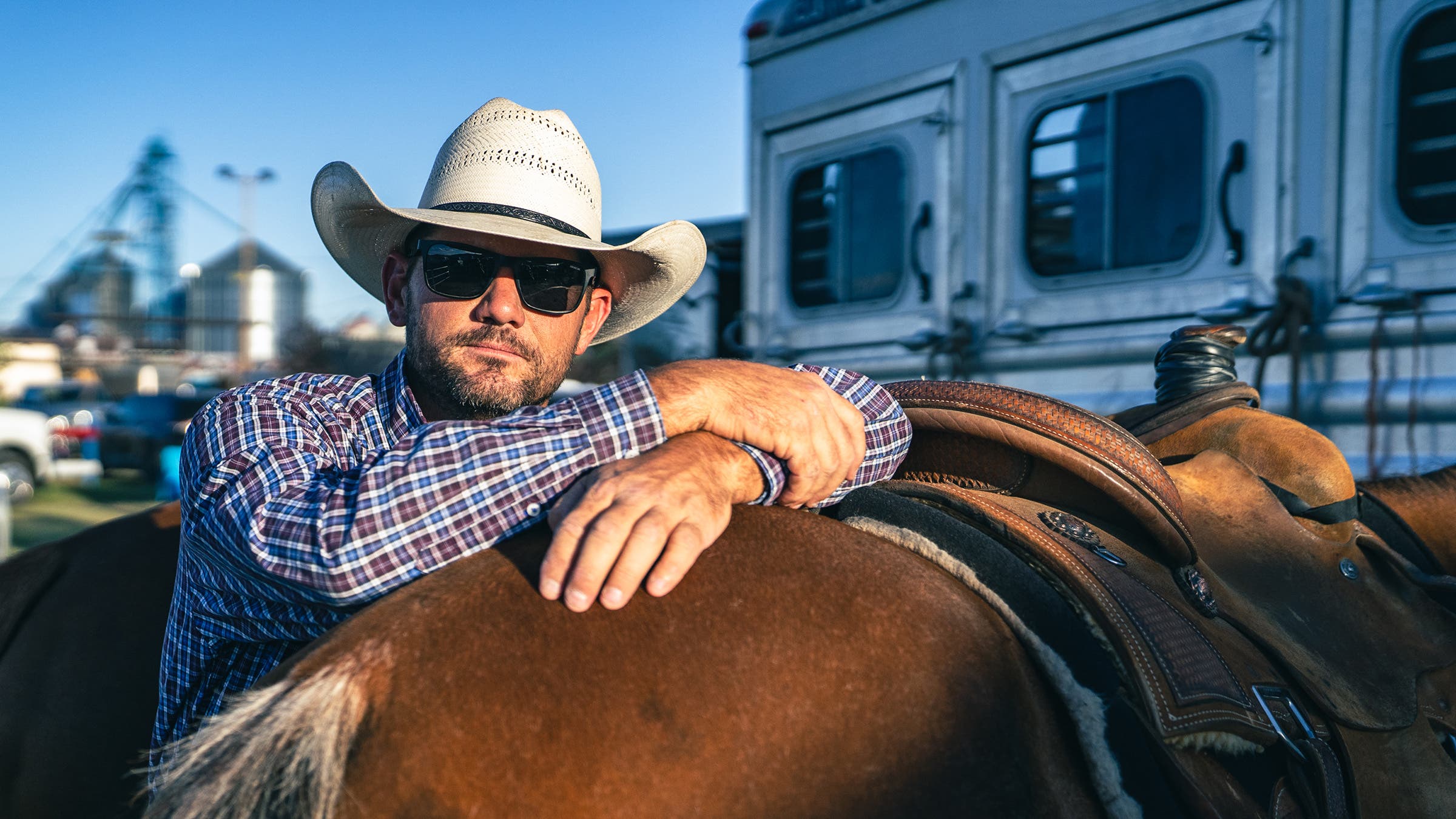
According to industry data, the average travel distance for a top-tier rodeo competitor has increased by approximately 20 percent since 2015, driven by the expansion of regional tour events. This has directly influenced the market for heavy-duty, portable tools and specialized transport solutions, such as the rise of customized truck-mounted campers that serve as both housing and gear storage.
Tactical Gear for the Modern Wrangler
Bex Rockyt OTG Sunglasses: Durability Under Stress
In the field, sunglasses are subjected to more than just UV rays; they must survive drops on gravel, crushing forces, and constant movement. Parker Murnion, a team roper from Miles City, Montana, emphasizes that plastic frames are insufficient for the intensity of ranch work. The Bex Rockyt OTG sunglasses, constructed from military-grade stainless steel, have emerged as a industry favorite. The decision to move away from polycarbonate frames reflects a broader trend toward "tactical-lite" gear in agricultural sectors, where long-term value is measured in years of service rather than price point.
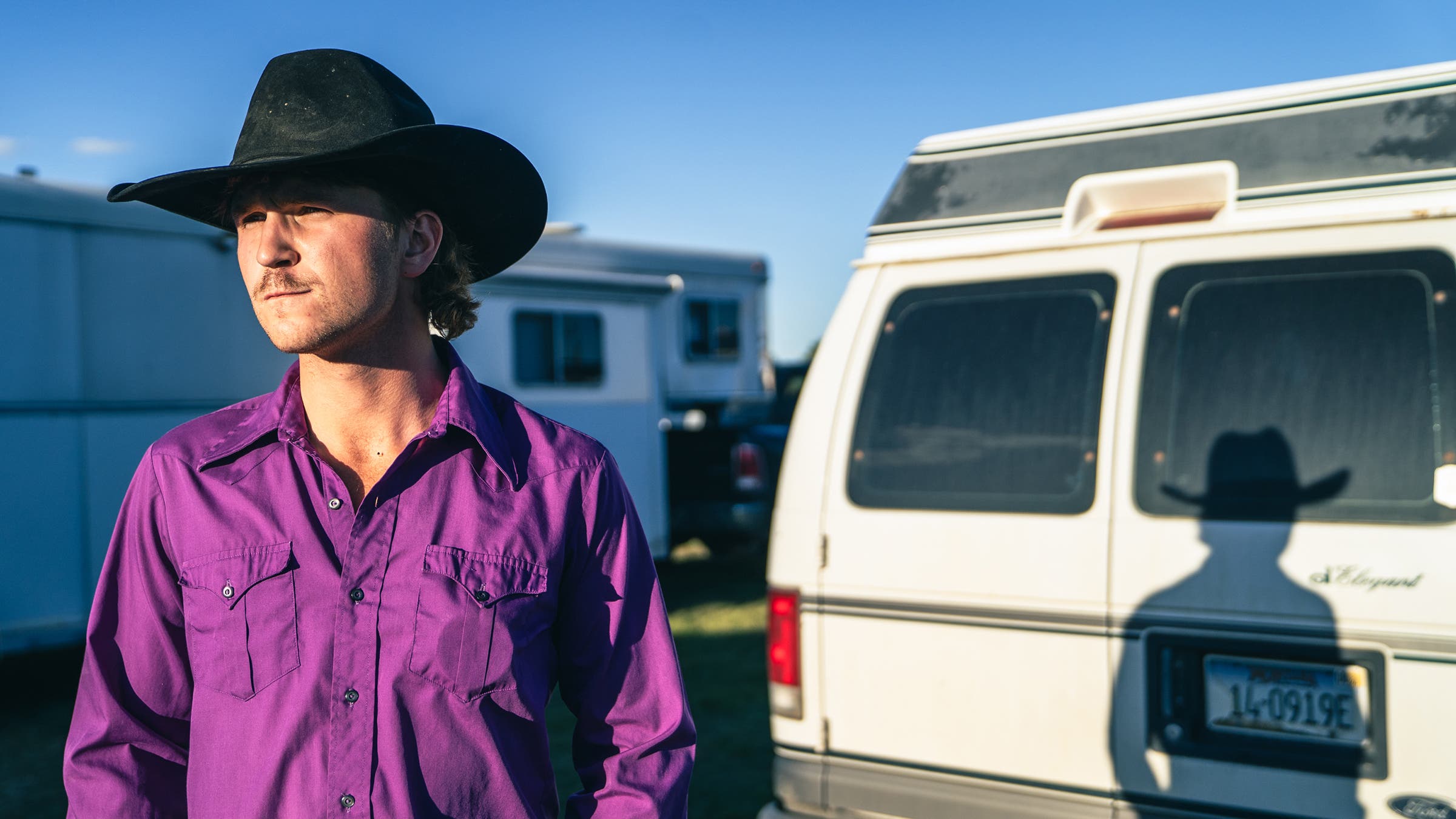
Resistol Black Gold Cowboy Hat: Engineering the Classic Silhouette
While the cowboy hat is an iconic symbol of the West, it is also a piece of precision-engineered protective gear. The Resistol Black Gold model, favored by saddle bronc rider Quanah Glade, utilizes high-density beaver hair. This material choice is significant; beaver hair provides a superior strength-to-weight ratio and water resistance compared to standard felt. For professionals who are frequently thrown from animals, the hat’s ability to retain its shape after high-impact deformation is not just a stylistic preference—it is a marker of structural integrity.
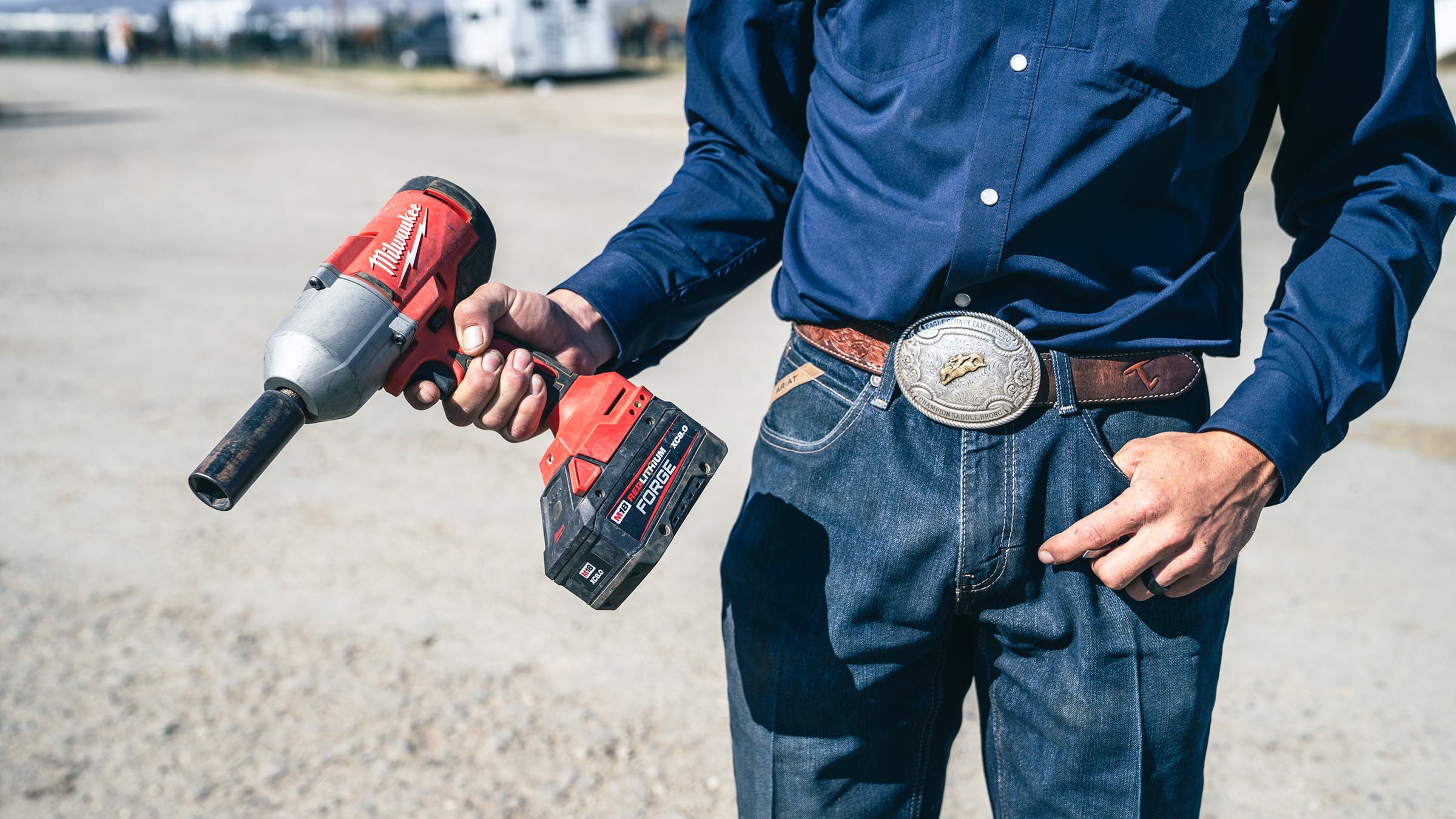
Milwaukee M18 FUEL Impact Driver: Mobile Mechanical Support
Mechanical failure is the greatest risk to a rodeo athlete’s schedule. The reliance on the Milwaukee M18 FUEL 1/4-inch cordless impact driver illustrates the necessity of high-torque, portable power. By utilizing brushless motor technology, these tools provide the consistent output required to handle heavy-duty lug nuts on trucks hauling livestock trailers. Industry analysts note that the integration of such power tools into standard rodeo kit has reduced roadside repair times by an average of 40 percent compared to manual hand-tool usage.
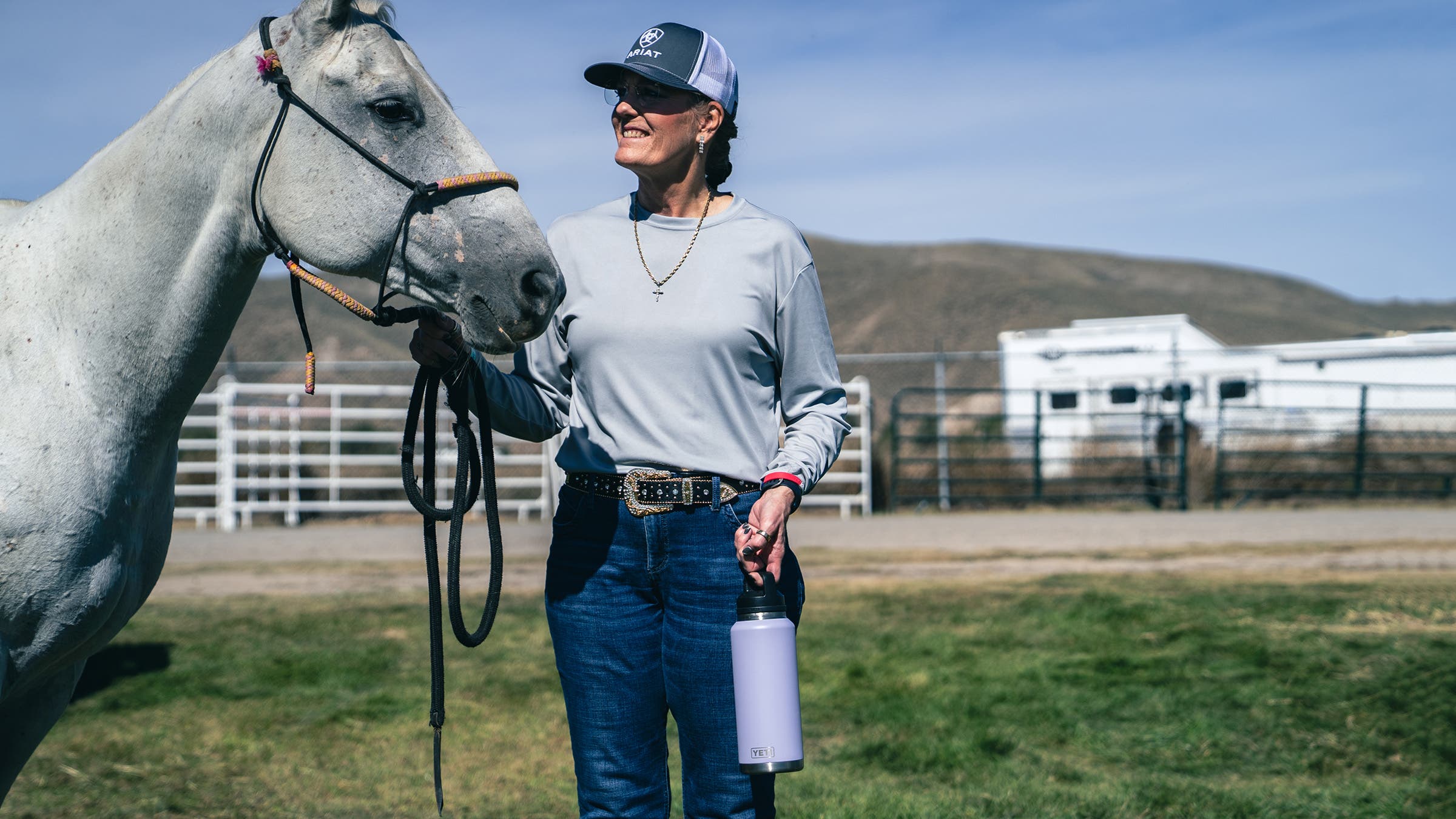
Infrastructure and Technology: Bridging Tradition and Modernity
Goodyear Wrangler DuraTrac RT Tires
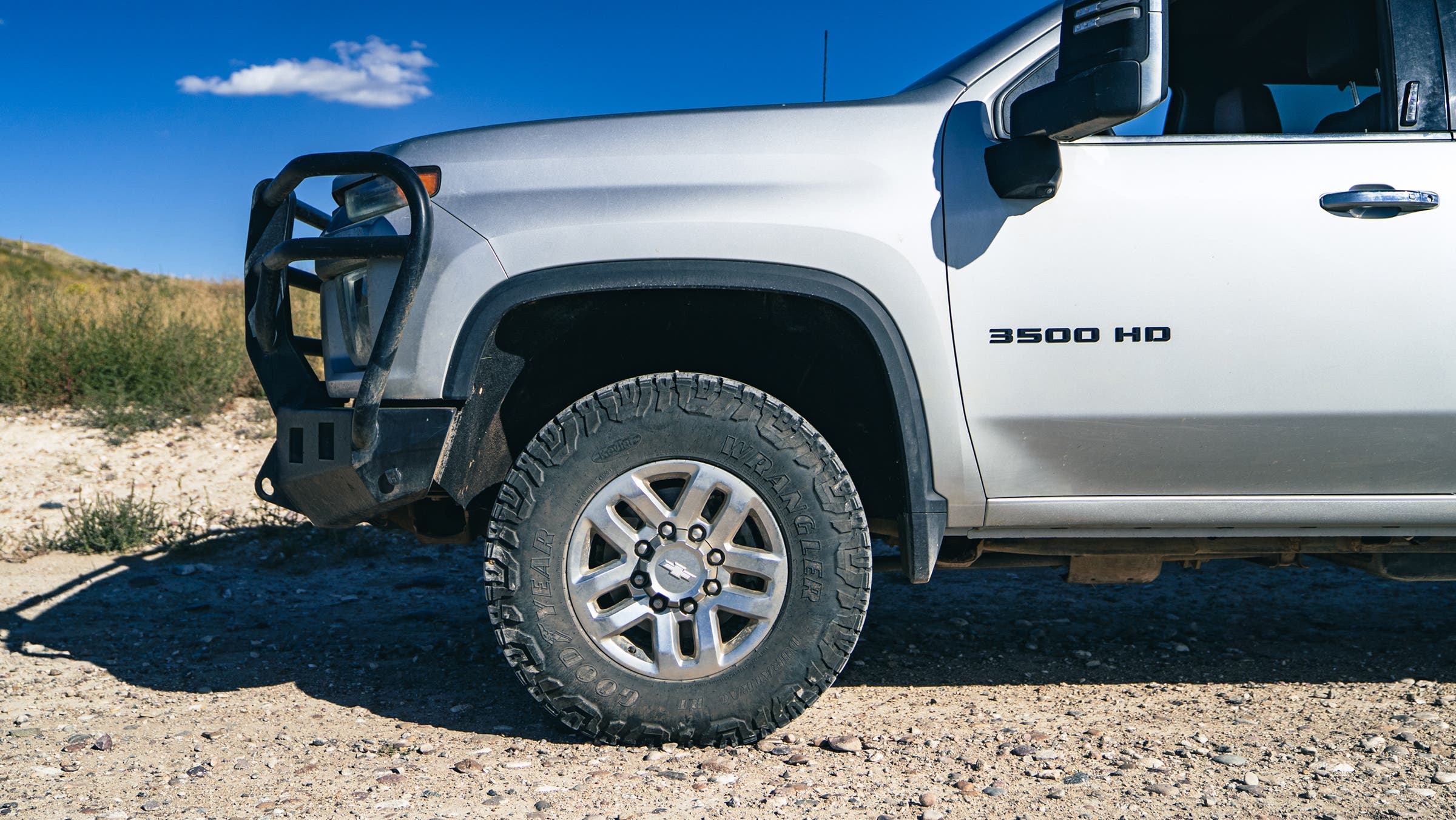
Transportation across Montana’s backcountry requires tires that can handle both the high-speed wear of interstate travel and the puncture-prone environment of dirt tracks. Evan Helle’s preference for the Goodyear Wrangler DuraTrac RT is rooted in the Three-Peak Mountain Snowflake (3PMSF) rating, which confirms their performance in severe snow. The inclusion of a three-ply sidewall allows operators to "air down" for improved traction on uneven terrain without risking structural failure, an essential feature for remote ranch management.
Stark Future Varg EX Electric Enduro Bike
Perhaps the most notable shift in ranching technology is the adoption of electric mobility. Evan Helle’s use of the Stark Future Varg EX represents a technological evolution in livestock management. By replacing horses with silent, high-torque electric motorcycles on private land, ranchers have effectively increased their operational radius while reducing the logistics associated with animal care. The use of "foam donuts" (mousse tubes) instead of traditional pneumatic inner tubes eliminates the risk of flats, further underscoring the shift toward maintenance-free, specialized components.
Capri Retreat Truck Camper
The rise of the "rodeo-ready" camper, such as the Capri Retreat, reflects the communal nature of the circuit. By optimizing living spaces for multiple adults, these units allow for cost-sharing and fatigue management during long-haul travel. The integration of blackout curtains and modular sleeping arrangements directly addresses the irregular sleep schedules required by the sport, where competition can often extend well into the night.
The Role of Traditional Accessories: The Wild Rag
Despite the influx of modern technology, some traditional items remain superior to their modern synthetic counterparts. The "wild rag," a silk neck scarf, remains a staple. Its efficacy lies in the material’s natural thermal regulation and breathability. In the high-dust environments of the Montana plains, these rags serve as respiratory filters, proving that ancient designs often outperform contemporary synthetic buffs in specific, extreme environments.
Analysis: Implications for Gear Development
The gear choices of Montana’s ranchers and rodeo athletes offer a clear blueprint for manufacturers. There is a distinct, measurable preference for items that prioritize:
- Material Resilience: A move away from consumer-grade plastics toward metals, silks, and high-density natural fibers.
- Multi-functionality: Equipment that can serve multiple roles, such as a knife that must function for both agricultural tasks and culinary needs.
- Repairability: A rejection of "disposable" culture in favor of gear that can be serviced, sharpened, or adjusted in the field.
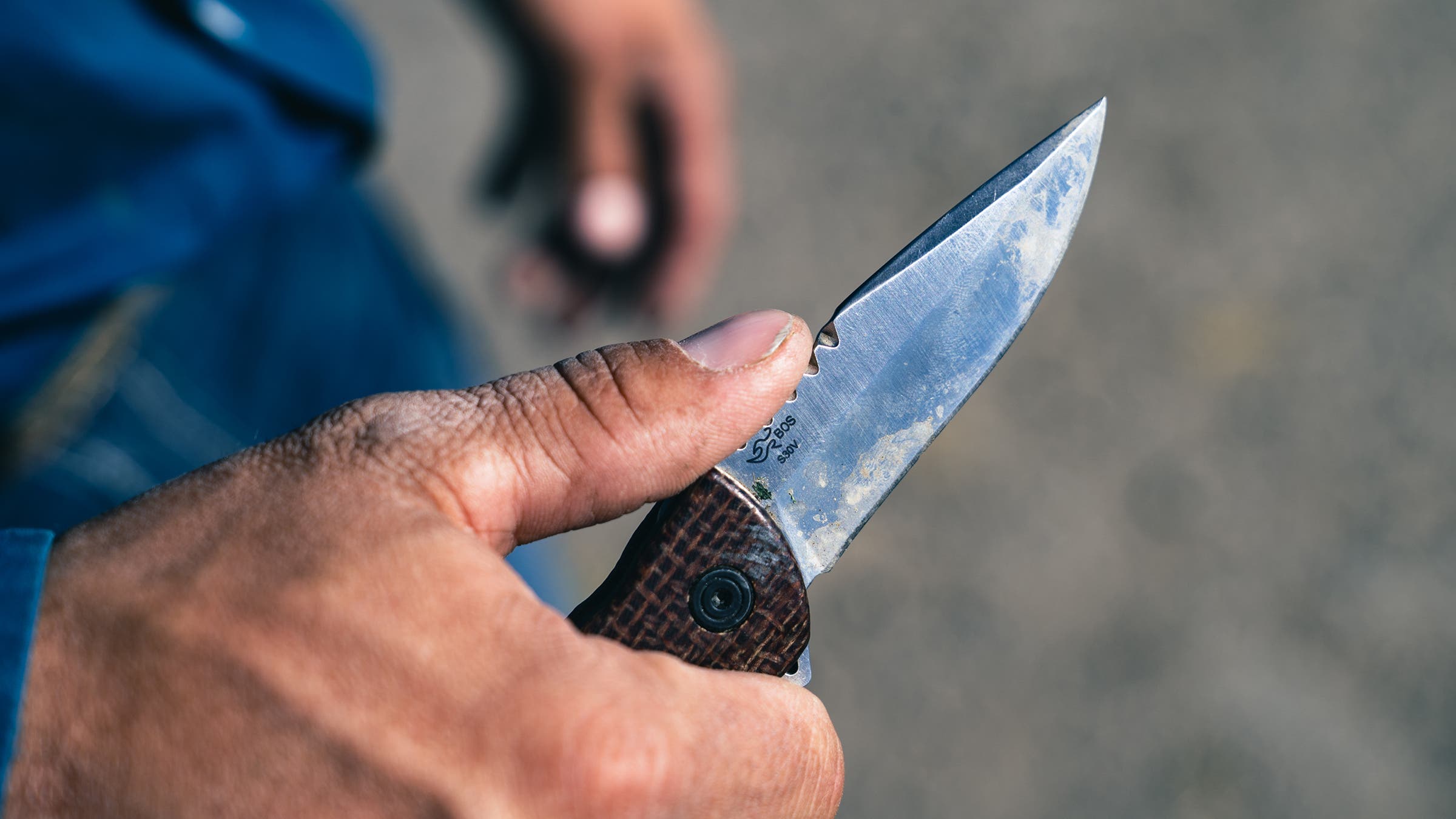
These insights are particularly valuable for outdoor and industrial gear brands looking to expand their reach. By observing how these users "torture-test" their equipment, manufacturers can identify failure points in existing product lines. The success of the Benchmade Mini Bugout, for example, lies in its simplicity and the use of S30V stainless steel—a material that balances edge retention with field-maintainability.
Broader Economic and Operational Impact
The professional rodeo sector and large-scale ranching operations are currently experiencing a period of increased capital investment in high-performance equipment. As the cost of labor and fuel continues to rise, the efficiency gained through reliable, long-lasting gear becomes a financial imperative. When a professional rider spends $10,000 to $20,000 annually on travel-related expenses, the reliability of a $200 tool or a $500 set of tires is a direct contributor to their annual profitability.
The data gathered from the Dillon Jaycees rodeo and the Helle ranch confirms that, in the American West, the most effective marketing for gear is not found in advertisements, but in the field-proven performance of products that survive the harshest conditions on earth. As these industries continue to evolve, the demand for gear that bridges the gap between rugged utility and high-tech performance will undoubtedly dictate the future of outdoor product design.