Following the successful introduction of the latest 3 Series, BMW is embarking on a comprehensive recalibration of its global product strategy. This shift is designed to ensure the brand remains agile and responsive to the evolving demands of diverse international markets. Central to this transformation is a commitment to a more focused, high-margin vehicle portfolio, an aggressive expansion into artificial intelligence, and the introduction of a new, ultra-luxury SUV tailored specifically for the North American market.
A New Era of Strategic Focus
BMW leadership has signaled a departure from the "fill every niche" philosophy that characterized much of the last decade. Instead, the company is pivoting toward a leaner, more intentional product lineup. By auditing its global offerings, BMW aims to eliminate low-volume, lower-margin variants that no longer align with its long-term financial goals or technological trajectory.
This transition is not merely a reduction in numbers; it is a fundamental shift in how the company approaches manufacturing and software integration. Central to this evolution is the deployment of the "Neue Klasse" platform, a modular architecture that will underpin the next generation of BMW vehicles. By integrating advanced artificial intelligence across the entire value chain—from initial vehicle engineering and assembly line robotics to customer-facing sales and post-purchase maintenance—BMW intends to significantly reduce lead times and improve overall operational efficiency.
Trimming the Fat: Which Models are at Risk?
The commitment to a more focused portfolio has immediate consequences for several existing nameplates. BMW has confirmed that the 2 Series Active Tourer is slated for discontinuation, marking a clear move away from certain segments that have struggled to maintain market relevance against the surge in SUV popularity.
Industry analysts suggest that this is only the beginning. As the brand transitions toward its electrification goals, aging nameplates—including potential variants of the current i4 and iX lineups—are being closely monitored. The logic is simple: if a model does not serve as a cornerstone for the company’s transition to high-performance, software-defined electric vehicles, it is being positioned for retirement. This "pruning" process is expected to continue through 2028 as the Neue Klasse architecture becomes the standard across the board.
The Rise of the North American Flagship SUV
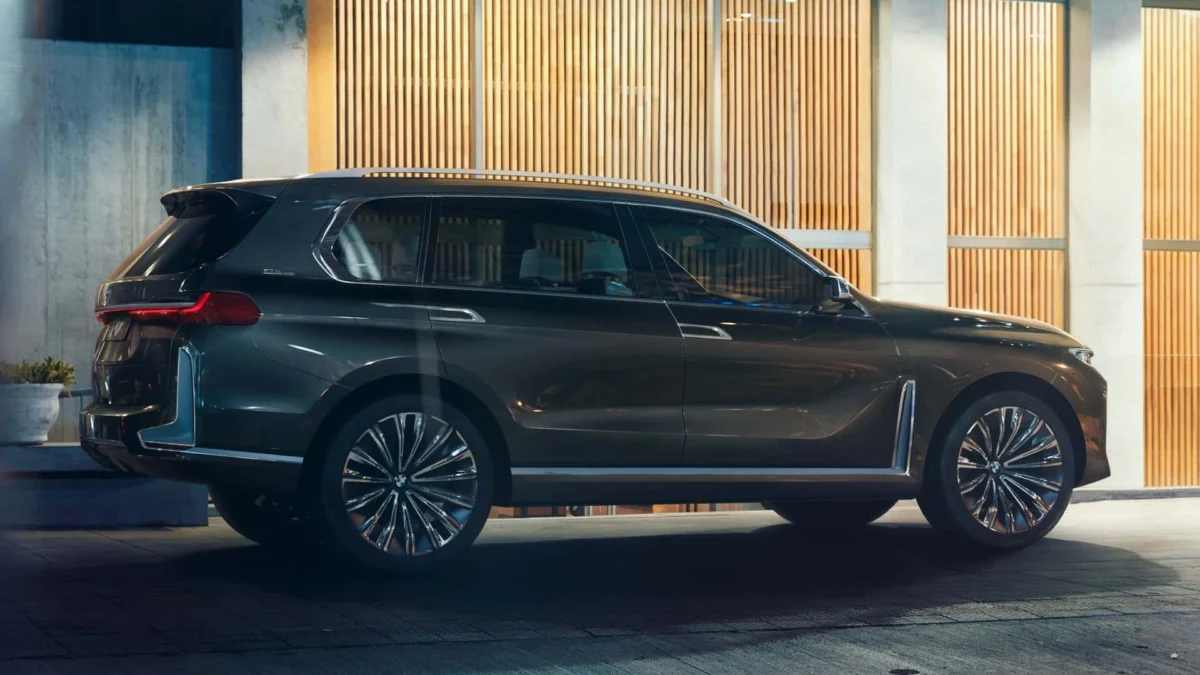
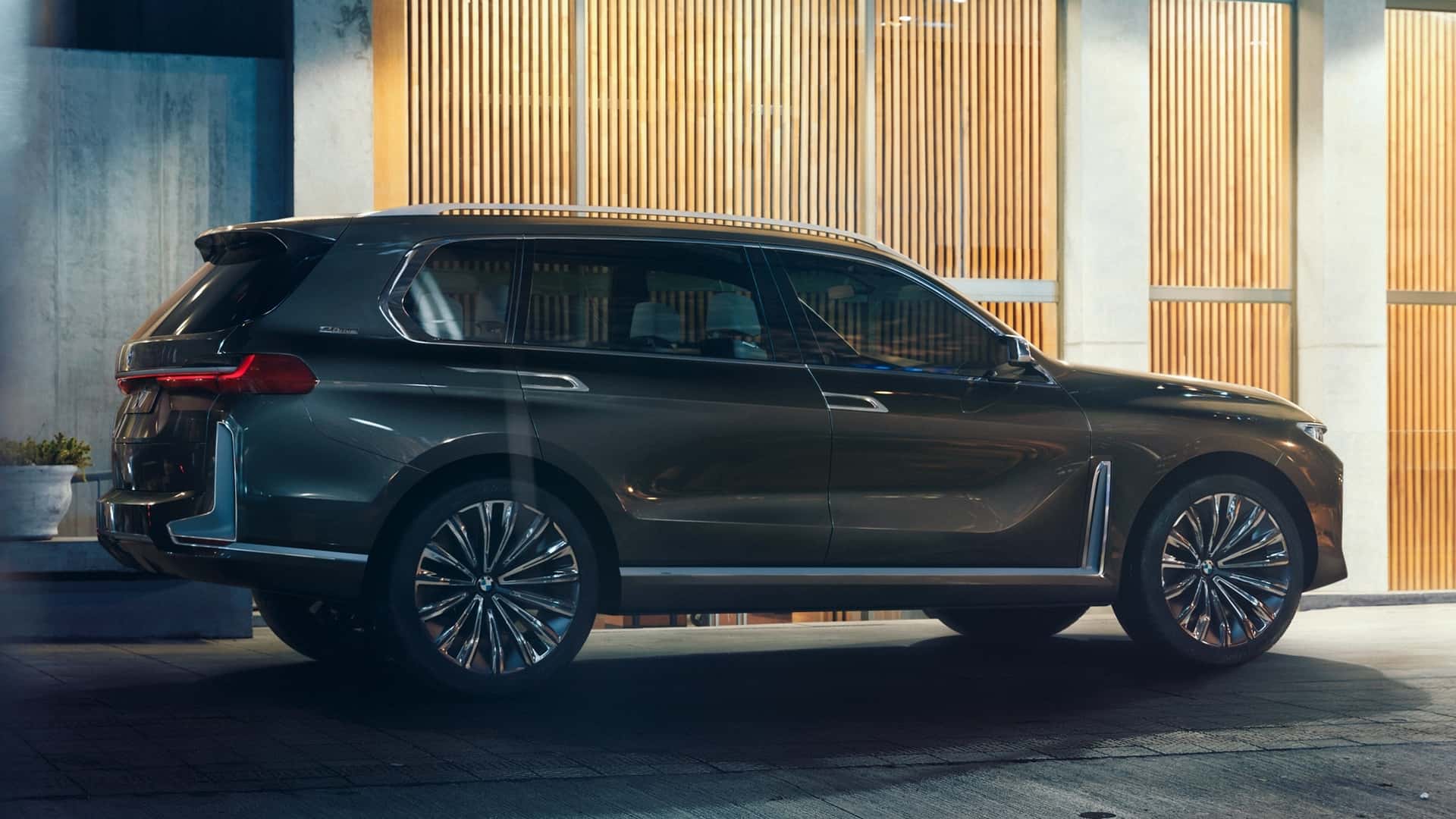
Perhaps the most significant announcement for the US market is the development of an all-new, range-topping SUV. While currently lacking an official name, industry insiders frequently refer to it as the X8. This vehicle is being engineered specifically to cater to American consumers, who continue to show a robust appetite for large-format, high-luxury SUVs.
The new model will occupy a space above the current X7, serving as a halo vehicle for the brand’s SUV division. According to company sources, the decision to prioritize this project was driven by the current output at BMW’s Spartanburg, South Carolina, facility. As one of the largest BMW production plants in the world, Spartanburg is currently operating at maximum capacity, yet demand for the existing SUV range continues to outpace supply. The new flagship is intended to capture the ultra-premium segment, offering a level of interior luxury and technological integration that will place it in direct competition with the most prestigious offerings from rivals like Mercedes-Benz and Land Rover.
Global Manufacturing and the China Strategy
While the US focus is on luxury SUVs, BMW’s strategy in China is centered on deep integration and local production. The company has set an ambitious target: by 2030, at least 95 percent of the vehicles sold within the Chinese market will be both manufactured and developed locally.
This strategy is a direct response to the unique technological and regulatory landscape in China. By focusing on local development, BMW aims to incorporate specific features and software ecosystems that are highly valued by Chinese consumers, such as advanced connectivity and autonomous driving features tailored to local traffic conditions. As the Neue Klasse technology rolls out, Chinese facilities will be among the first to fully implement these systems at scale, ensuring that the brand remains competitive against rapidly ascending local electric vehicle manufacturers.
The Alpina Integration
The hierarchy of the BMW brand is also set to shift with the formal integration of the Alpina brand. Starting next year, BMW will introduce the first model developed under the full auspices of the Alpina marque. Positioned as a bridge between the traditional BMW high-performance models and the ultra-luxury world of Rolls-Royce, this new vehicle—heavily inspired by the 7 Series architecture—will target buyers who desire bespoke luxury and performance without the ostentation often associated with other exotic brands. This represents a strategic diversification of the BMW Group’s portfolio, allowing the company to capture the "ultra-luxury" market segment more effectively.
The 2028 Horizon: Entry-Level Electrification
Looking toward the end of the decade, BMW has confirmed plans for a new entry-level electric model, expected to launch in Europe by 2028. This vehicle, widely speculated to be a successor to the 1 Series, will be the smallest platform to feature the full suite of Neue Klasse electric architecture.
The importance of this launch cannot be overstated. By bringing high-end electric technology down to an entry-level price point, BMW is attempting to future-proof its brand against increasing European emissions regulations and the democratization of electric vehicle technology. This vehicle will serve as a critical entry point for younger, tech-savvy consumers, ensuring brand loyalty from the beginning of their purchasing journey.
Economic and Industrial Implications
The restructuring of a global automotive giant is a massive undertaking with significant economic implications. By moving away from redundant variants and focusing on high-return, high-tech vehicles, BMW is positioning itself to weather the cyclical volatility of the automotive market.
Financial analysts note that the shift toward software-defined vehicles is not just about the product; it is about the recurring revenue model. By embedding AI into sales and aftersales, BMW hopes to move toward a service-oriented business model where vehicles generate value long after they leave the showroom. This "software-first" approach is expected to stabilize profit margins even as the industry faces rising costs in battery production and raw material procurement.
A Chronology of Change
The current transformation follows a specific timeline:
- Present Day: Initial phase-out of the 2 Series Active Tourer and assessment of the global portfolio.
- Next Year (2025): Debut of the first BMW Alpina-badged luxury model, marking a shift in the brand’s luxury hierarchy.
- 2026-2027: Gradual ramp-up of the US-exclusive flagship SUV production in Spartanburg.
- 2028: Expected launch of the entry-level electric 1 Series equivalent, featuring full Neue Klasse implementation.
- 2030: Target for 95% local manufacturing and development in the Chinese market, alongside full portfolio transition to the new, streamlined strategy.
Conclusion
BMW’s strategic pivot is a calculated response to a changing world. By doubling down on the US market with a flagship SUV, strengthening its footprint in China through localization, and streamlining its global lineup to prioritize efficiency and profit, the German automaker is aiming to secure its position as a leader in the luxury automotive sector. While the loss of certain models like the Active Tourer may be felt by some, the broader trajectory suggests a company that is willing to prune its past to ensure its future. With the integration of the Neue Klasse platform and a renewed focus on AI-driven development, BMW is signaling that it is not merely keeping pace with the automotive industry’s evolution—it is attempting to define the terms of it.