The year 2025 marks a pivotal moment in the evolution of portable gaming, with the introduction of Nvidia’s groundbreaking GeForce RTX 50 series GPUs ushering in an unprecedented era of graphics power. While the market is still absorbing the full impact of these next-generation processors, early contenders are already redefining expectations for performance, display quality, and efficiency. Alongside these cutting-edge machines, the previous generation’s RTX 40 series laptops continue to offer formidable capabilities, presenting a diverse and competitive landscape for gamers across all budget segments. This comprehensive guide, informed by Laptop Mag‘s extensive testing and expert analysis, aims to navigate this dynamic market, identifying the standout models that deliver exceptional gaming experiences.
The Evolving Landscape of Gaming Laptops in 2025
The gaming laptop market in 2025 is characterized by a dual thrust of innovation: the debut of the Nvidia RTX 50 series and the sustained relevance of optimized RTX 40 series machines. This generational leap, spearheaded by GPUs like the RTX 5080 and RTX 5090, promises not only raw power but also enhanced features such as DLSS 4, which leverages artificial intelligence to deliver superior visual fidelity and frame rates. Simultaneously, CPU advancements from both Intel (with its Lunar Lake and Arrow Lake chips) and AMD (with its Ryzen AI 9 HX series) are contributing to significant improvements in overall system performance and, crucially, battery efficiency—a traditional Achilles’ heel for gaming rigs.
Laptop Mag has meticulously evaluated numerous models through a stringent testing regimen that assesses performance, graphics, display quality, and battery endurance. This process involves not only industry-standard benchmarks like Geekbench and 3DMark but also extensive real-world usage by seasoned reviewers. This hybrid approach ensures that recommendations are grounded in both empirical data and practical user experience, covering aspects from thermal management and keyboard tactility to software integration and webcam quality. The goal is to provide gamers with reliable insights, whether they are seeking a budget-friendly option, a high-performance powerhouse, or a machine optimized for specific needs like portability or aesthetic appeal.
Next-Generation Powerhouses: The RTX 50 Series Ascends
The arrival of Nvidia’s RTX 50 series GPUs is fundamentally reshaping the high-end gaming laptop segment. These new graphics cards, with their advanced architectures and AI-driven enhancements like DLSS 4, are designed to handle the most graphically intensive AAA titles at resolutions and frame rates previously unimaginable on mobile platforms. Early models equipped with these GPUs are demonstrating significant leaps over their predecessors, particularly in demanding scenarios like 4K gaming with ray tracing enabled.
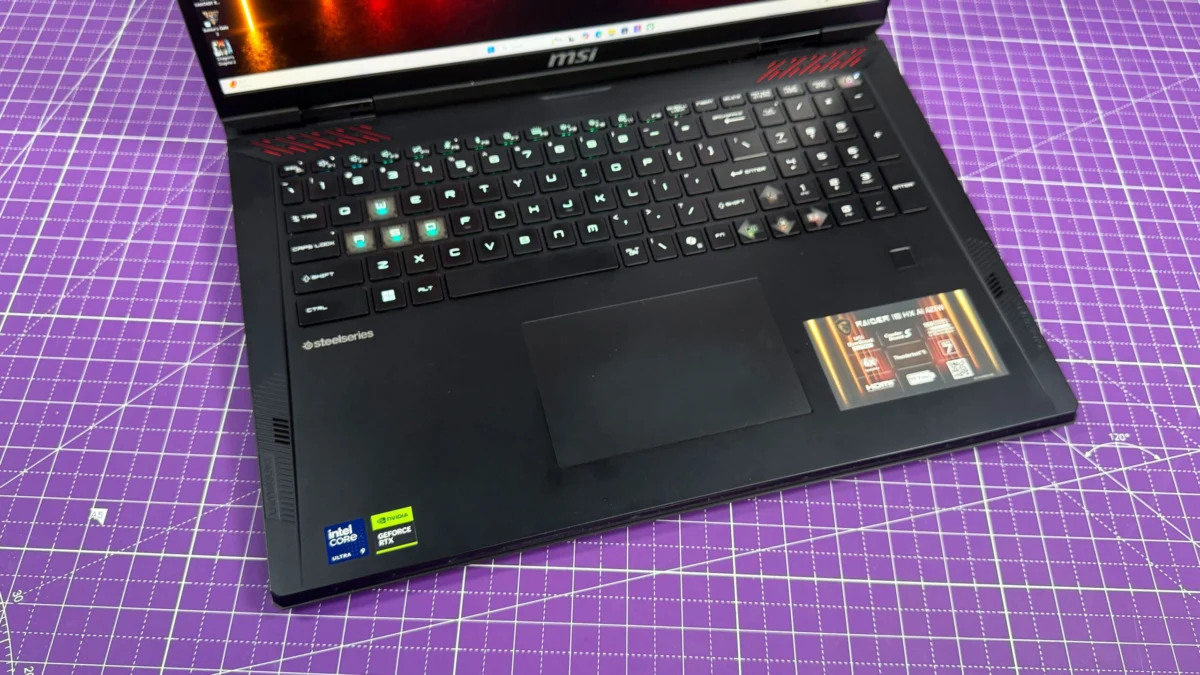
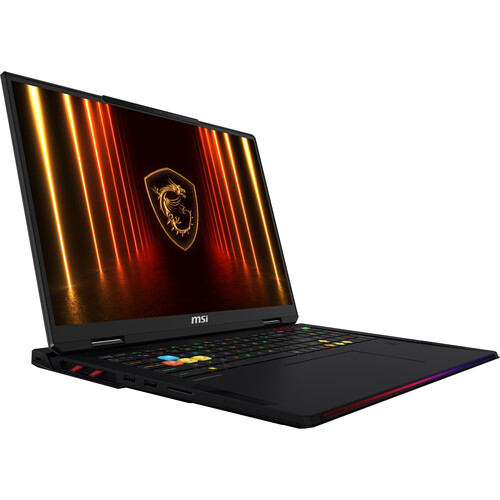
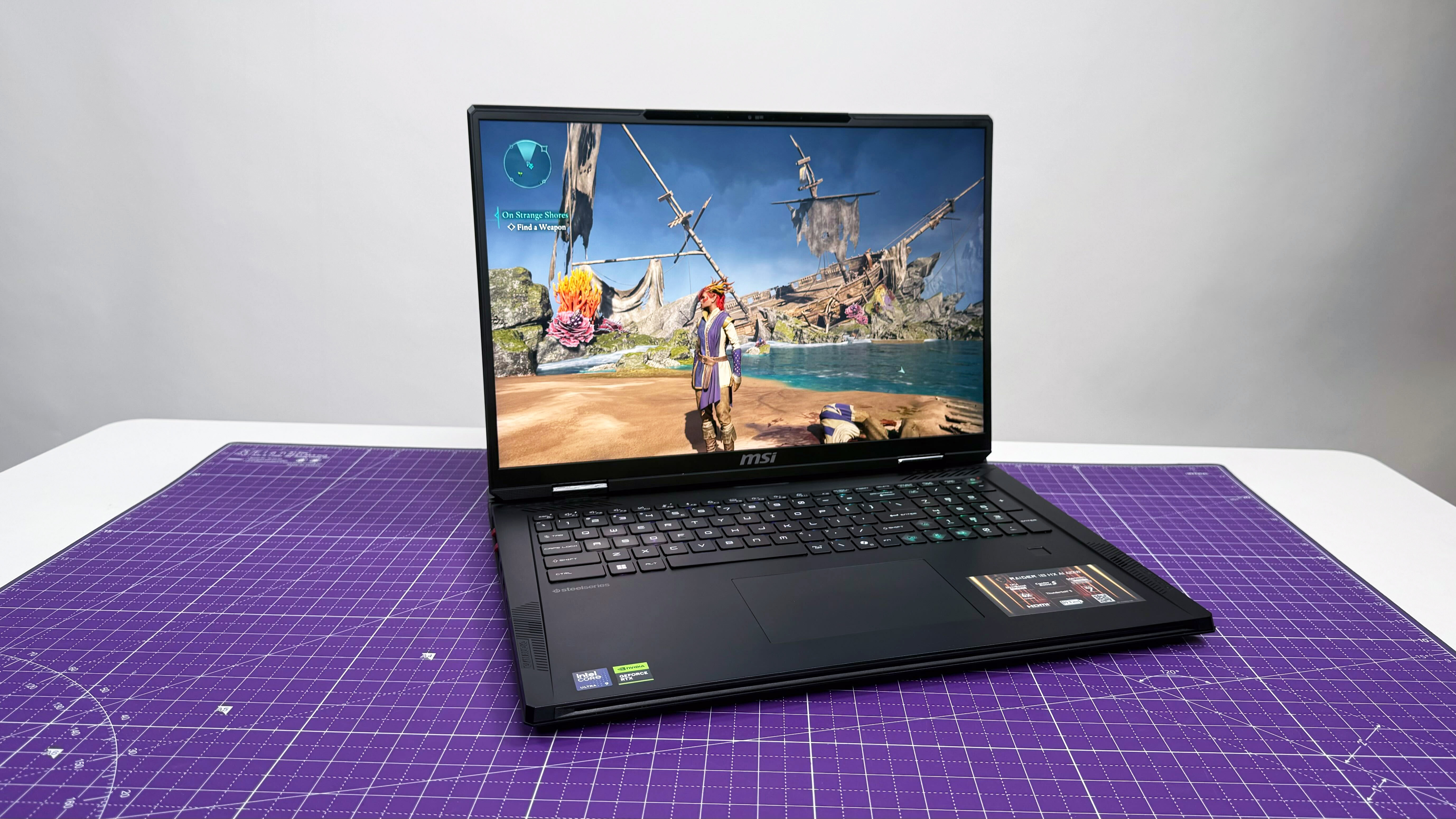
Among the first wave of RTX 50 series laptops, the MSI Raider 18 HX AI (2025) has emerged as the definitive "best overall" pick. This formidable machine, powered by an Intel Core Ultra 9 285HX CPU and an Nvidia GeForce RTX 5080 with 16GB of VRAM, offers overwhelming performance. Laptop Mag reviewer Madeline Ricchiuto noted its "overwhelming power" and praised its "stunning MiniLED display," calling it "more than just a utility feature; it’s a key selling point." In Assassin’s Creed: Mirage (Ultra, 1080p), the Raider 18 HX AI achieved an impressive 153 frames per second (fps), outperforming the Razer Blade 16 (120 fps) and Gigabyte Aorus Master 16 (145 fps). For the notoriously demanding Cyberpunk 2077 (Ultra, 1080p), it delivered a smooth 64 fps. Its 18-inch, 4K, 120Hz MiniLED display boasts 83.1% DCI-P3 color gamut coverage and a remarkable 668 nits of brightness, ensuring vibrant visuals even in challenging in-game lighting. Despite its premium price and a relatively short battery life of 2 hours and 33 minutes (web surfing) and 1 hour 46 minutes (gaming), its robust general performance, bouncy keyboard, and high-fidelity audio solidify its position as a top-tier desktop replacement.
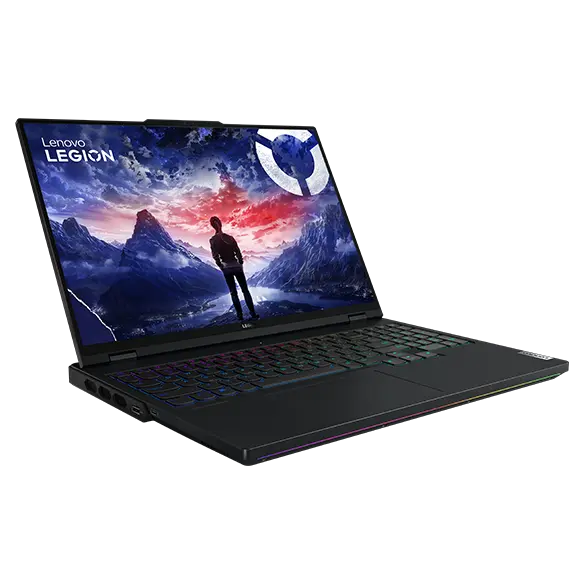
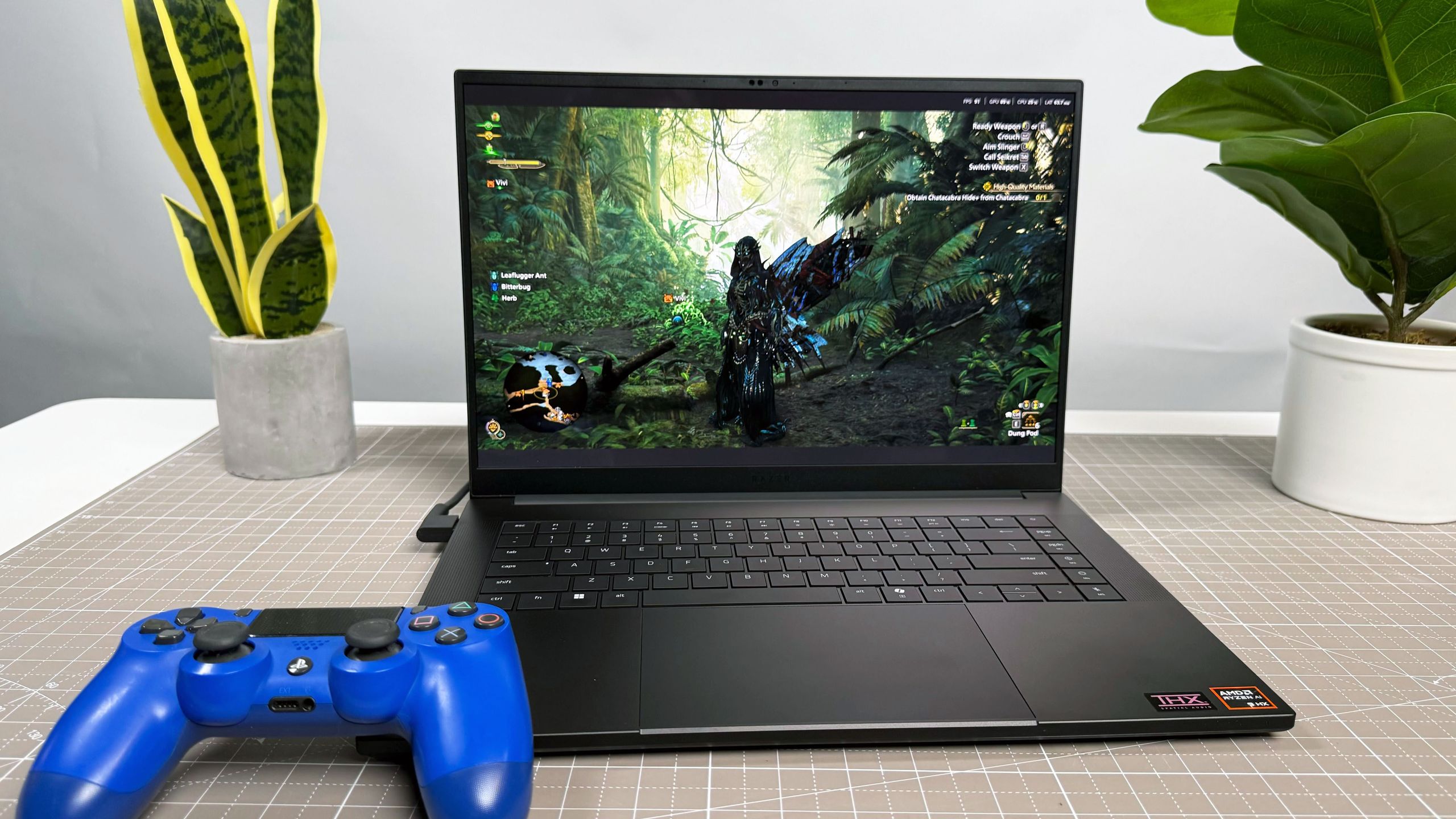
For gamers prioritizing a balance of raw power and sleek design, the Razer Blade 16 (2025) stands out as the "best lightweight" option. This machine, featuring an AMD Ryzen AI 9 HX 370 CPU and a top-tier Nvidia RTX 5090 GPU with 24GB VRAM, manages to pack immense power into a surprisingly thin 4.6-pound chassis. Its 16-inch, 1600p, 240Hz OLED display is a visual marvel, covering an intense 144.6% of the DCI-P3 color gamut and reaching 372 nits of brightness, providing immersive visuals. The Blade 16 demonstrated its graphical prowess by hitting 87 fps in Red Dead Redemption II, significantly surpassing the previous Razer Blade (RTX 4090) at 61 fps. Beyond gaming, its AMD Ryzen AI 9 HX 370 CPU and 32GB RAM delivered strong overall performance, with its 2TB SSD achieving a blistering 1,730 MBps in file transfer tests. Remarkably for a high-performance gaming laptop, it achieved over 7 hours of battery life during web surfing (7 hours 22 minutes) and nearly 2.5 hours during gaming (2 hours 28 minutes), making it exceptionally portable. While its price point is substantial and it can run hot under load, the Razer Blade 16 redefines what’s possible in a portable gaming powerhouse.
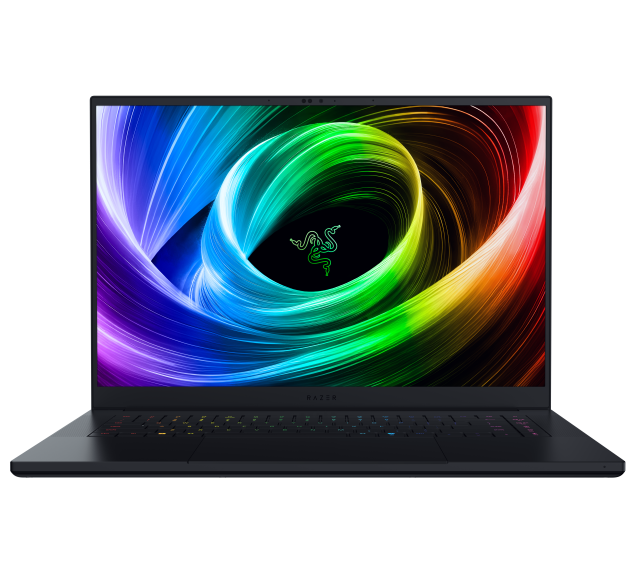
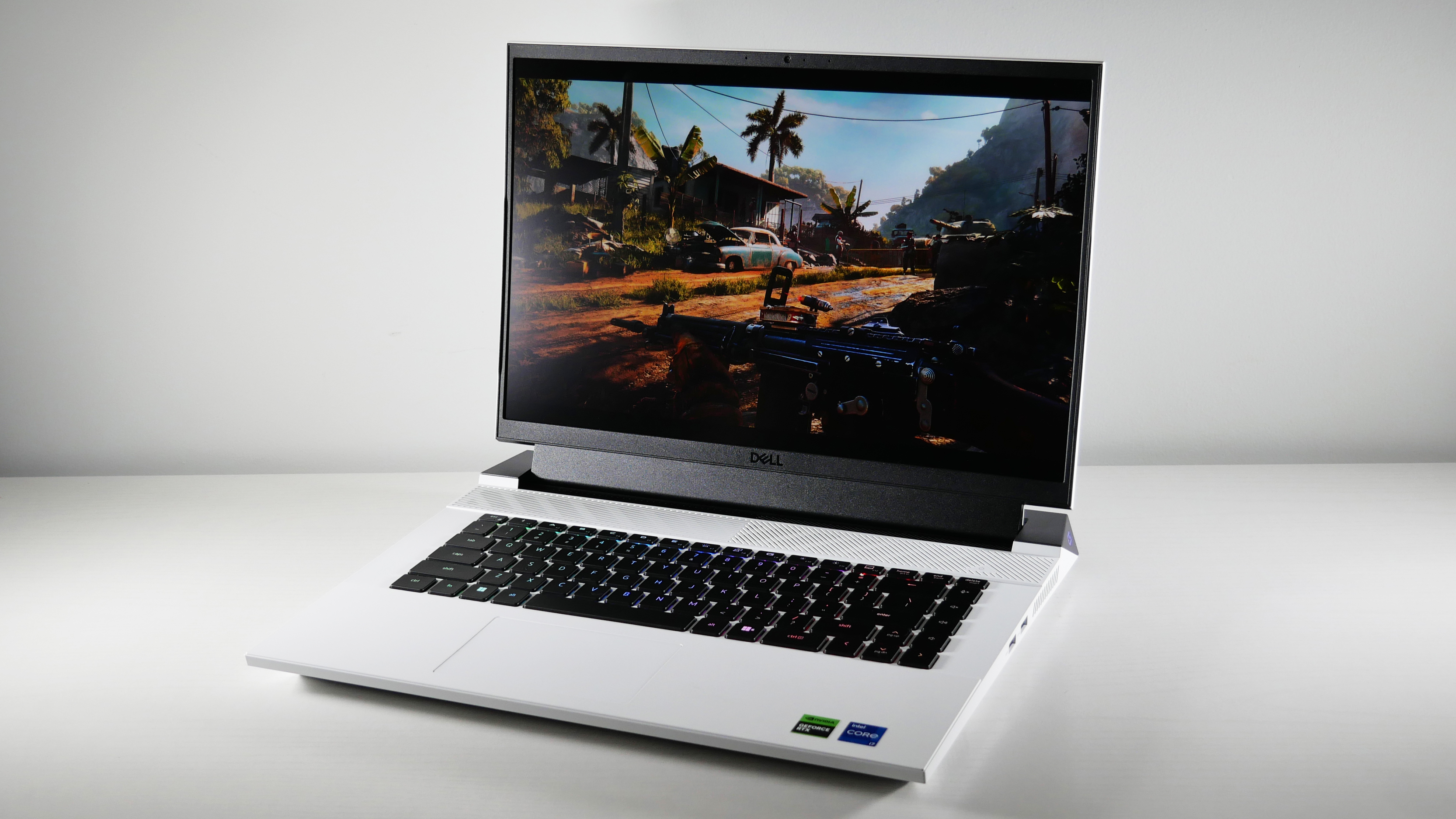
The Alienware 16 Area-51 takes the crown for "best looking," combining a futuristic aesthetic with serious gaming muscle. This model, also featuring an Intel Core Ultra 9 275HX CPU and an RTX 5080 16GB VRAM, offers powerful performance at a more accessible price point than some of its RTX 50 series counterparts. Reviewer Rami Tabari described its design as "sci-fi-esque" with a "lightbar that’ll make you go ‘whoa’," highlighting the extensive RGB lighting and a unique glass window on the underside. Performance-wise, it delivered 149 fps in Assassin’s Creed Mirage, outperforming even some RTX 5090 laptops like the HP Omen Max (137 fps). In Far Cry 6, it scored 121 fps, showcasing its formidable capabilities. Its 16-inch, 2560 x 1600, 240Hz LED display is exceptionally bright at 516 nits, though its color gamut (81.6% DCI-P3) falls short of OLED panels. The mechanical keyboard and solid speakers further enhance the gaming experience. Weighing 7.13 pounds, it is less portable than some rivals, and its battery life of 4 hours 10 minutes (web surfing) and 1 hour 50 minutes (gaming) is average for its class. Nonetheless, the Alienware 16 Area-51 offers a compelling blend of style, performance, and value in the premium segment.
The Enduring Value of RTX 40 Series Laptops
Even with the advent of the RTX 50 series, high-end RTX 40 series gaming laptops remain highly competitive, especially as their prices adjust. These machines still offer exceptional performance for current AAA titles and represent excellent value for money.
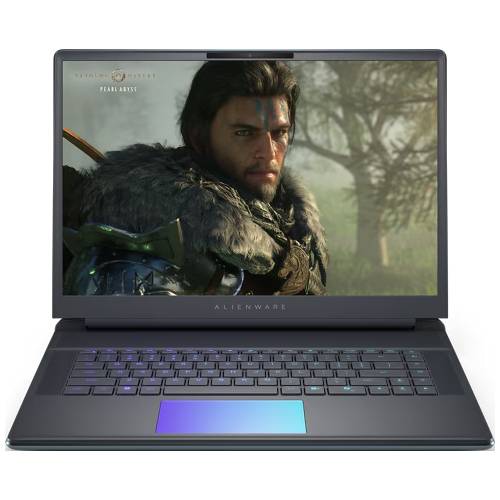
The Lenovo Legion Pro 7i (Gen 9) is distinguished as the "best 40-series" gaming laptop. Equipped with an Intel Core i9-14900HX processor and an Nvidia GeForce RTX 4080 GPU (12GB VRAM), it strikes an impressive balance between intense graphics performance and relative affordability. Madeline Ricchiuto praised it as "a gamer’s gaming laptop" in her review. It achieved 105 fps in Far Cry 6 (Ultra, 1080p) and 96 fps in Red Dead Redemption 2 (Medium, 1080p), demonstrating robust performance. Its 16-inch, 2560 x 1600, 240Hz display covers a vivid 108.7% of the DCI-P3 color gamut and reaches 456 nits of brightness, providing an immersive visual experience. The keyboard offers a satisfying, crisp typing experience, and its Harman Super Linear Speaker System delivers loud, immersive audio. While its 5.76-pound weight and 4-hour 29-minute battery life (web surfing) make it less ideal for frequent travel, its overall performance and premium features at a price point typically under $2,500 make it an outstanding choice for dedicated gamers.
Budget-Friendly Brilliance and Unmatched Endurance
For gamers seeking strong performance without breaking the bank, or those who demand exceptional battery life from their portable rigs, specific models cater to these crucial needs.
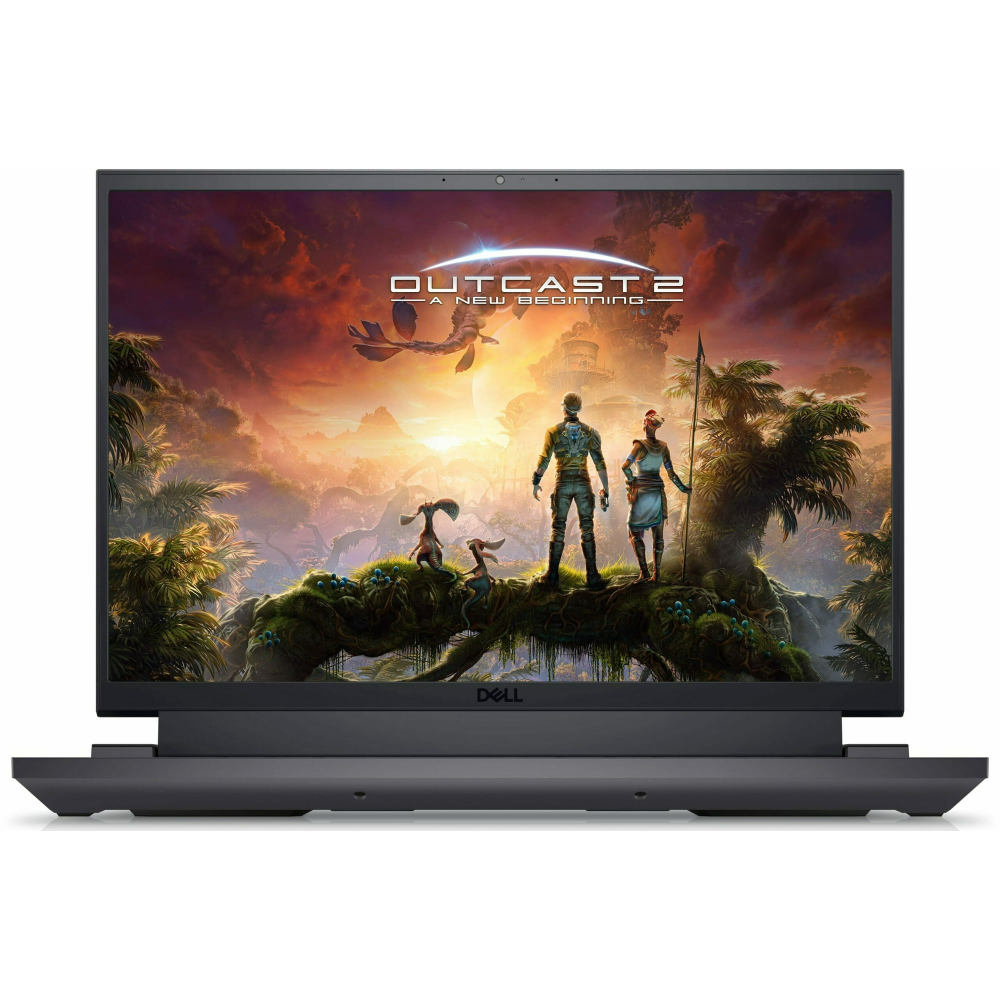
The Dell G16 (7630) is hailed as the "best budget" gaming laptop, proving that premium features can be found for under $1,000. Rami Tabari championed it as the "only gaming laptop I’d buy under $1,000," highlighting its Nvidia GeForce RTX 4060 8GB GPU, which can deliver over 60 fps in select AAA games on Ultra settings at 1080p. It managed 33 fps in Cyberpunk 2077 (Ultra, 1080p) and 88 fps in Assassin’s Creed Mirage (Ultra, 1080p), showcasing competitive performance for its price point. A standout feature is its 16-inch, 2560 x 1600, 240Hz display, which covered a stunning 114% of the DCI-P3 color gamut, despite a modest 310 nits brightness. The inclusion of a Cherry MX tactile mechanical keyboard is virtually unheard of in this budget category, offering a phenomenal typing experience. With a battery life of 5 hours and 4 minutes (web surfing), it surpasses the average budget gaming laptop. Its primary drawbacks are hollow speakers and a tiny touchpad, but these are minor compromises for the value it offers.

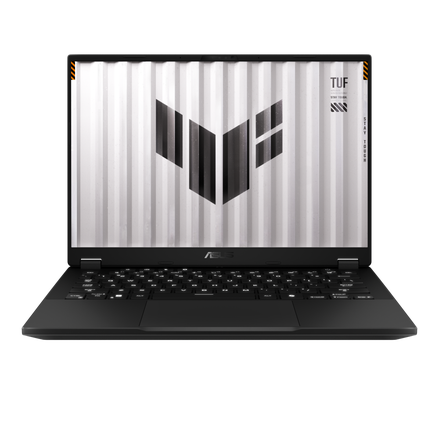
Setting a new standard for longevity, the Asus TUF Gaming A14 is the undisputed champion for "best battery life." This 14-inch laptop, equipped with an AMD Ryzen 7 8845HS CPU and an Nvidia GeForce RTX 4060 GPU, achieved an astounding 10 hours and 4 minutes on Laptop Mag‘s battery test—a feat rarely seen in gaming laptops. Claire Tabari described it as a "sturdy, lightweight miracle." Despite its focus on endurance, it doesn’t sacrifice performance, clocking over 60 fps in titles like Assassin’s Creed Mirage (87 fps), Far Cry 6 (77 fps), and Red Dead Redemption 2 (61 fps), and a playable 30 fps in Cyberpunk 2077. Its 14-inch, 2560 x 1600, IPS, 165Hz panel offers a respectable 82% DCI-P3 coverage and 411 nits of brightness. Weighing just 3.2 pounds, the TUF A14 is exceptionally portable, making it an ideal choice for students or professionals who also game on the go. The only notable drawback is a sluggish touchpad, which can be mitigated by using an external gaming mouse. This laptop exemplifies the evolving capability of gaming machines to serve diverse roles, from intensive gaming to full workdays.
Key Factors When Choosing Your Gaming Laptop
Selecting the right gaming laptop involves balancing several critical factors that impact both performance and user experience.
- Budget Considerations: The market broadly segments into three tiers. Budget gaming laptops (under $1,300) offer entry-level performance, often with RTX 4050 or RTX 4060 GPUs. Mainstream systems ($1,500 – $2,000) provide a significant boost in power, typically featuring RTX 4070 or RTX 4080 GPUs and higher-end displays. Premium machines (over $2,000) integrate the latest RTX 50 series GPUs, advanced cooling, and top-tier components, offering uncompromising performance.
- Screen Size and Portability: While 13-inch and 17-inch gaming laptops are becoming less common, 14-inch and 16-inch models are gaining prominence for their balance of screen real estate and portability. New 18-inch models cater to those seeking desktop replacements. For true mobility and potential for extended battery life, 14-inch laptops are ideal.
- Display Resolution and Refresh Rate: Gamers must weigh resolution against frame rates. 1080p with high refresh rates (120Hz minimum) is suitable for competitive gaming. 4K displays offer stunning detail but typically come with a higher price tag and demand more powerful GPUs. The emerging sweet spot is 1440p, providing a sharp image with high refresh rate capabilities without the extreme demands of 4K. Aim for at least 120Hz refresh rate for any gaming laptop.
- CPU Choice: Intel vs. AMD: Both Intel and AMD offer highly competitive processors. AMD’s Ryzen 8000 series CPUs, particularly the AI 9 HX, have impressed with their power efficiency and strong overall performance. Intel’s latest Lunar Lake and Arrow Lake chips are also delivering robust performance and improving battery life, closing the gap with AMD.
- Battery Life Expectations: Historically a weak point, gaming laptop battery life has seen significant improvements. A modern gaming laptop should offer at least 5.5 hours for general web surfing. Models like the Asus TUF Gaming A14 are pushing this benchmark into double digits, making them viable for all-day use.
- Minimum Specifications: For a satisfactory gaming experience in 2025, look for a minimum of an Intel Core i5 or AMD Ryzen 5 CPU, 16GB of RAM, a 512GB SSD, and an Nvidia GeForce RTX 4060 GPU with a 1080p or 1440p display.
Addressing Common Queries
- Do I really need an RTX 4070/4080/4090 (or RTX 50 series)? The necessity of a high-end GPU depends entirely on your gaming preferences. An RTX 4060 can comfortably run AAA games at 1080p, often at Ultra settings, and is a strong entry-point. For higher resolutions (1440p, 4K) and maximum settings with ray tracing, an RTX 4070 or higher, or a new RTX 50 series GPU, becomes essential to maintain high frame rates.
- Should I get an RTX 50-series gaming laptop now or wait for RTX 40-series deals? The RTX 50 series offers the latest technology, including DLSS 4, and represents a generational leap. However, RTX 40 series laptops, especially higher-end models like those with an RTX 4080 or RTX 4090, will likely see significant price drops as the new series rolls out, presenting excellent value for those looking to save money while still acquiring a powerful machine.
- Gaming laptop vs. desktop: This choice hinges on portability. Gaming desktops typically offer better performance for the price and are more upgradeable. Gaming laptops, while often more expensive for equivalent power, provide an all-in-one portable solution, ideal for those who need to game on the go or have limited space.
- Can I use a gaming laptop for school or work? Absolutely. Modern gaming laptops, especially those with improved battery life like the Asus TUF Gaming A14 (10+ hours), are increasingly suitable for productivity. Many now feature more minimalist designs, which, with RGB lighting turned off, can blend into professional or academic environments. Their powerful CPUs and ample RAM also make them excellent for demanding school or work tasks like video editing, graphic design, or programming.
Rigorous Testing at Laptop Mag
Laptop Mag‘s commitment to providing accurate and comprehensive reviews is upheld by a rigorous testing methodology. Each laptop undergoes a multi-faceted evaluation process that combines synthetic benchmarks with extensive real-world usage. Key tests include:
- Endurance: The proprietary Laptop Mag Battery Test simulates web surfing at 150 nits of brightness until the battery depletes.
- Processing Power: Geekbench (5/6) measures overall CPU performance, complemented by internal tests involving large spreadsheet macros and 4K video transcoding.
- Graphics Performance: 3DMark benchmarks, including Fire Strike Ultra, Time Spy Extreme, and Port Royal (for ray tracing), assess DX11, DX12, and 4K graphics workloads. High-end models may also run Speed Way for DX12 Ultimate features.
- Gaming Benchmarks: A suite of popular AAA titles, such as Red Dead Redemption 2, Assassin’s Creed Mirage, Shadow of the Tomb Raider, Borderlands 3, and Far Cry 6, are run in full-screen mode with vertical sync disabled at both 1080p and the laptop’s native resolution.
- Display Quality: A colorimeter is used to measure screen brightness (nits) and color gamut coverage (DCI-P3), ensuring objective assessment of visual fidelity.
- Ergonomics and Thermals: Instruments measure key travel and ambient heat, while reviewers provide qualitative feedback on keyboard comfort, touchpad responsiveness, and fan noise during prolonged use.
This blend of objective data and subjective experience ensures that Laptop Mag delivers a holistic and reliable assessment of every gaming laptop, helping consumers make informed purchasing decisions in a rapidly evolving technological landscape. With over two decades of expertise, Laptop Mag continues to be a trusted authority in laptop reviews, ensuring that its recommendations are backed by thorough, consistent, and industry-leading testing protocols.