Nintendo of America has announced a sweeping promotional event following the successful recovery of millions of dollars in federal tariff refunds. The company revealed that it received $300 million as part of a broader legal and economic fallout stemming from government-mandated trade duties. Rather than distributing direct financial restitution to consumers who shouldered higher-than-expected retail prices for hardware and accessories, Nintendo has opted to channel these recovered funds into a limited-time promotional campaign.
Dubbed the "Customer Appreciation Sale," the event is scheduled to run from September 13 to September 26. During this two-week window, consumers can access 30 percent discounts across a wide array of products, including digital Nintendo Switch software, hardware bundles, select physical media, downloadable content, official accessories, amiibo figures, and branded apparel. These promotional pricing structures will be deployed across official physical storefronts, the digital Nintendo eShop, and participating third-party retail partners nationwide.
The decision to fund a sale rather than issue direct consumer refunds has ignited a contentious debate across the consumer advocacy landscape. While corporate leadership frames the initiative as a gesture of goodwill to honor its player base, critics and legal representatives argue that the strategy effectively allows the multinational conglomerate to profit twice from the same economic anomaly—first by passing administrative trade costs down to the retail buyer, and subsequently by retaining the government-mandated reimbursement for internal corporate use.
Background Context and Trade Policy Origins
The financial maneuvers unfolding at Nintendo of America are rooted in complex, high-stakes international trade disputes. During previous political administrations, sweeping tariffs were levied on a wide variety of consumer electronics and hardware components imported into the United States from overseas manufacturing hubs. These trade barriers imposed immediate financial strains on major technology and video game corporations, which relied heavily on globalized supply chains.
Initially, Nintendo attempted to absorb the escalating overhead costs associated with the newly imposed duties. However, as the economic pressure intensified, the corporation altered its retail strategies. Following the formal unveiling of the next-generation Nintendo Switch 2 console, the corporation implemented precautionary logistical measures, notably delaying official pre-orders in the United States while maintaining its targeted hardware launch schedule.
By mid-year, the mounting strain of component shortages, global inflation, and ongoing trade tariffs culminated in a direct price escalation. Nintendo adjusted the retail price of the Switch 2 upward by $50, bringing the base hardware cost to $499. Although these price hikes were mirrored in international markets such as Europe and Japan to account for regional economic shifts, American consumers bore the direct brunt of the domestic tariff policies through inflated retail pricing on consoles, controllers, and peripheral equipment.
Chronology of the Legal Battle and Government Refunds
The trajectory of the tariff dispute shifted dramatically when the judicial system intervened. Major corporate entities, alongside a coalition of over 1,000 American businesses spanning diverse industries—including retail giants like Costco, logistics firms like FedEx, and cosmetics corporations like Revlon—joined forces to challenge the legality of the federal duties.
In a landmark decision, the U.S. Supreme Court ruled that substantial portions of the implemented trade tariffs exceeded executive authority and were therefore unlawful. This ruling opened the floodgates for widespread legal restitution, establishing that the federal government owed more than $166 billion back to affected American businesses and importers.
Nintendo of America formally entered the fray in March, filing a lawsuit against the U.S. government in the U.S. Court of International Trade to compel the release of withheld funds. By the end of July, federal authorities reached a major financial milestone, disbursing over $100 billion in cumulative tariff refunds to corporate plaintiffs. According to official corporate filings released in Nintendo’s 2026 earnings documentation, the gaming giant successfully recovered $300 million from these legal proceedings.
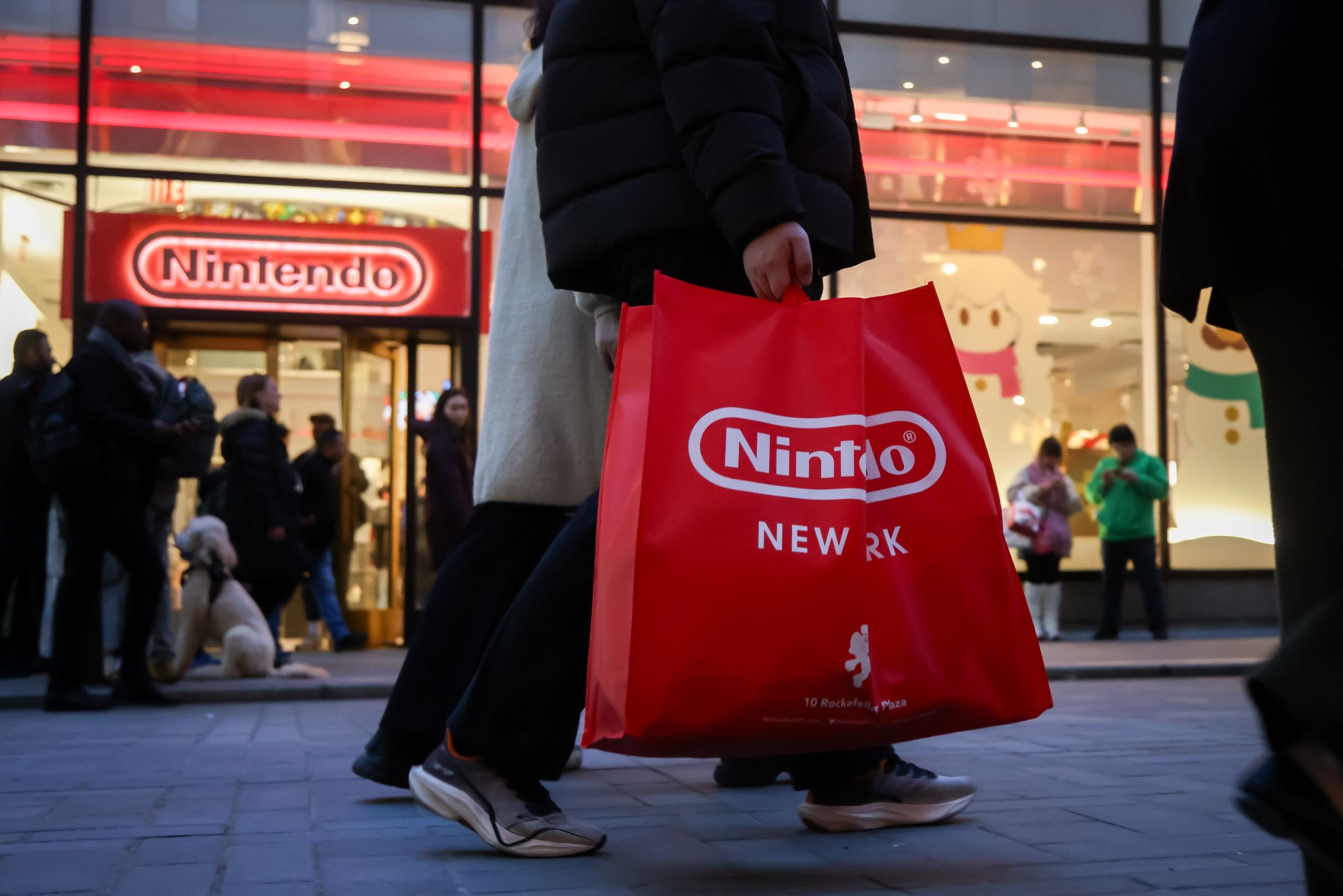
Corporate Statements and the "Customer Appreciation Sale"
Facing public scrutiny over the fate of the recovered capital, Nintendo issued an official statement via its primary web portals to outline the parameters of the upcoming sales event and justify its chosen method of resource allocation.
"The Customer Appreciation Sale is our way of saying thank you to Nintendo players for their continued support and is made possible in part by tariff-related refunds," a company representative stated via an official corporate blog post. "While Nintendo absorbed most tariff-related costs, the refunds helped make promotions like this one possible."
The corporation maintains that the financial buffer provided by the multi-million-dollar government refund directly enabled the profit margins required to execute a 30 percent discount across such a broad inventory of software and hardware assets. By positioning the event as an inclusive reward for its dedicated gaming community, Nintendo aims to stimulate software sales and hardware adoption as the lifecycle of the Switch 2 matures.
Class Action Litigation and Consumer Reactions
Despite the promotional appeal of the September sale, Nintendo’s handling of the tariff refunds has attracted severe legal headwinds. Nintendo of America, alongside industry peer Sony—which faced similar pricing adjustments and subsequent financial recoveries—is currently the target of a proposed class-action lawsuit filed by disgruntled consumers.
The plaintiffs in the litigation argue that corporations systematically inflated retail prices under the explicit justification of covering unbudgeted government tariffs. Consequently, the lawsuit contends that when the judiciary deemed those tariffs unlawful and returned the capital to the corporate entities, a fiduciary and moral obligation existed to pass those specific refunds back to the end-users who paid the elevated prices. The legal complaint asserts that retaining the capital while offering optional retail discounts amounts to unjust enrichment.
In response to the mounting legal pressure, Nintendo of America filed a formal motion in September seeking the outright dismissal of the class-action suit. Legal analysts note that corporate defendants in such cases typically argue that retail pricing is determined by complex market dynamics, supply and demand, and operational overhead rather than a direct, itemized pass-through of specific tax burdens, making individual restitution legally impractical.
Broader Industry Implications and Precedents
The divide between how corporations handle regulatory windfalls has placed the consumer electronics sector under a microscope. While the vast majority of corporations that secured federal tariff refunds have quietly integrated the capital back into general corporate revenue streams or shareholder dividends, rare exceptions have highlighted alternative approaches.
For instance, indie-focused hardware manufacturer Panic made waves in August by enacting a direct-to-consumer refund policy, voluntarily returning the tariff-related surcharges directly to customers who purchased their specialized Playdate handheld consoles during the height of the trade disputes. This stark contrast in corporate behavior has left major market leaders like Nintendo and Sony facing intense public debate regarding corporate ethics and consumer relations.
As the September 13 launch date for the Customer Appreciation Sale approaches, the long-term ramifications of the class-action lawsuit remain uncertain. Whether the courts will compel technology giants to issue direct monetary restitution or if promotional sales events will serve as the accepted standard for distributing recovered economic relief will likely set a powerful legal precedent for future international trade disputes and consumer rights litigation.