Samsung Electronics is reportedly expanding its ambitions in the wearable technology sector by initiating the development of advanced smart glasses equipped with integrated color displays. While the South Korean technology conglomerate has historically taken a measured approach to augmented reality and smart eyewear, industry supply chain leaks suggest a significant pivot toward full visual interface integration. This strategic shift points to a future where lightweight smart glasses transition from audio- and camera-centric companions into fully realized heads-up display systems.
According to reports originating from industry publication The Elec, Samsung has tasked its display manufacturing division, Samsung Display, with the creation of ultra-compact microdisplays tailored explicitly for next-generation artificial intelligence eyewear. These developments indicate that Samsung is laying the groundwork to compete directly with rival technology leaders in the burgeoning extended reality (XR) hardware market, targeting a commercial release window in late 2027 or early 2028.
Overcoming Technical Hurdles in Microdisplay Engineering
Developing consumer-ready smart glasses capable of projecting crisp, vibrant color data without compromising frame weight or battery life presents considerable engineering hurdles. Industry sources indicate that Samsung is currently grappling with distinct technical challenges, chief among them being the field of view (FOV). To ensure that digital text, icons, navigation cues, and real-time notifications are legible and contextually useful without obstructing the user’s natural eyesight, engineers must achieve an optimal balance between optical clarity and a wide field of view.
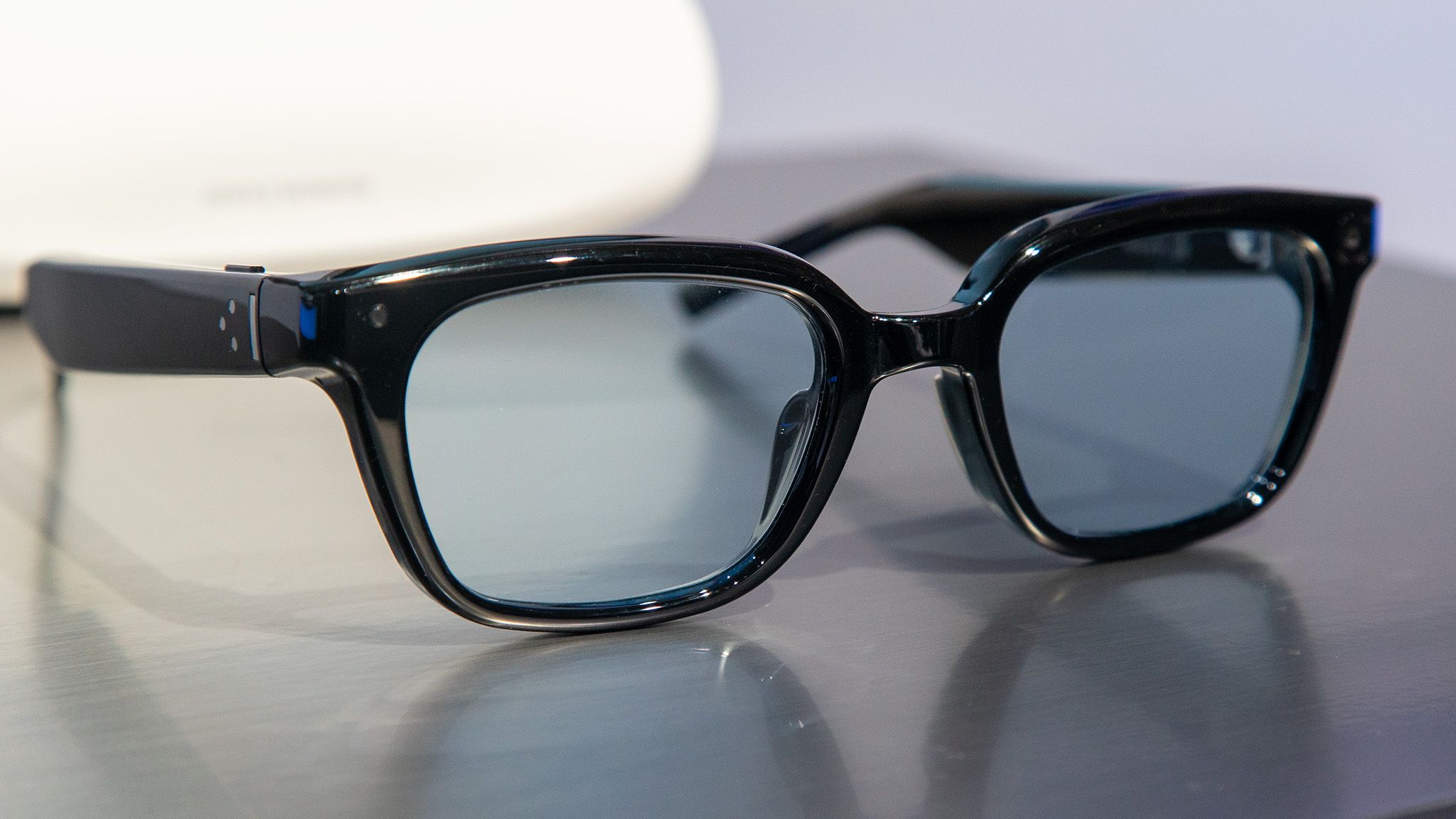
To address these hurdles, Samsung is leveraging its proprietary display manufacturing prowess to develop microdisplay panels measuring approximately 0.2 inches or smaller. These ultra-small, high-resolution panels are designed to fit seamlessly into standard optical frames while projecting vital user interface elements directly onto the lenses. Unlike simple indicator lights or audio-only wearables, a dedicated color microdisplay system requires sophisticated waveguide optics to bend and direct light cleanly into the wearer’s retina, making the ongoing research and development phase critical to the product’s ultimate viability.
The Current Landscape: Samsung Intelligent Eyewear
The rumor of color display glasses arrives as Samsung prepares to roll out its initial venture into the intelligent eyewear market. Earlier this year, during a major product showcase, Samsung announced a collaborative initiative alongside Google, combining advanced artificial intelligence with high-end fashion design. Dubbed Samsung Intelligent Eyewear, these upcoming devices feature distinctive frames styled by renowned fashion brands Warby Parker and Gentle Monster.
Unlike the rumored color display models currently in early development, Samsung’s first-generation intelligent eyewear relies primarily on voice interaction, ambient computing, and sensor-based inputs. Powered deeply by Google’s Gemini AI assistant, the initial lineup is built around discreet microphones and high-resolution cameras rather than optical screens. Users will be able to interact conversationally with Gemini to capture photographs, manage daily schedules, request navigation assistance, and handle digital tasks hands-free. Google and Samsung confirmed during the summer Unpacked event that these foundational voice-first smart glasses are slated to reach consumer markets later this fall.
Competitive Pressures and the Race for XR Supremacy
Samsung’s rumored pivot toward color display smart glasses mirrors a broader industry race to capture the next computing paradigm. The wearable technology sector has experienced a profound shift away from bulky virtual reality headsets toward sleek, everyday eyewear that bridges the physical and digital worlds.
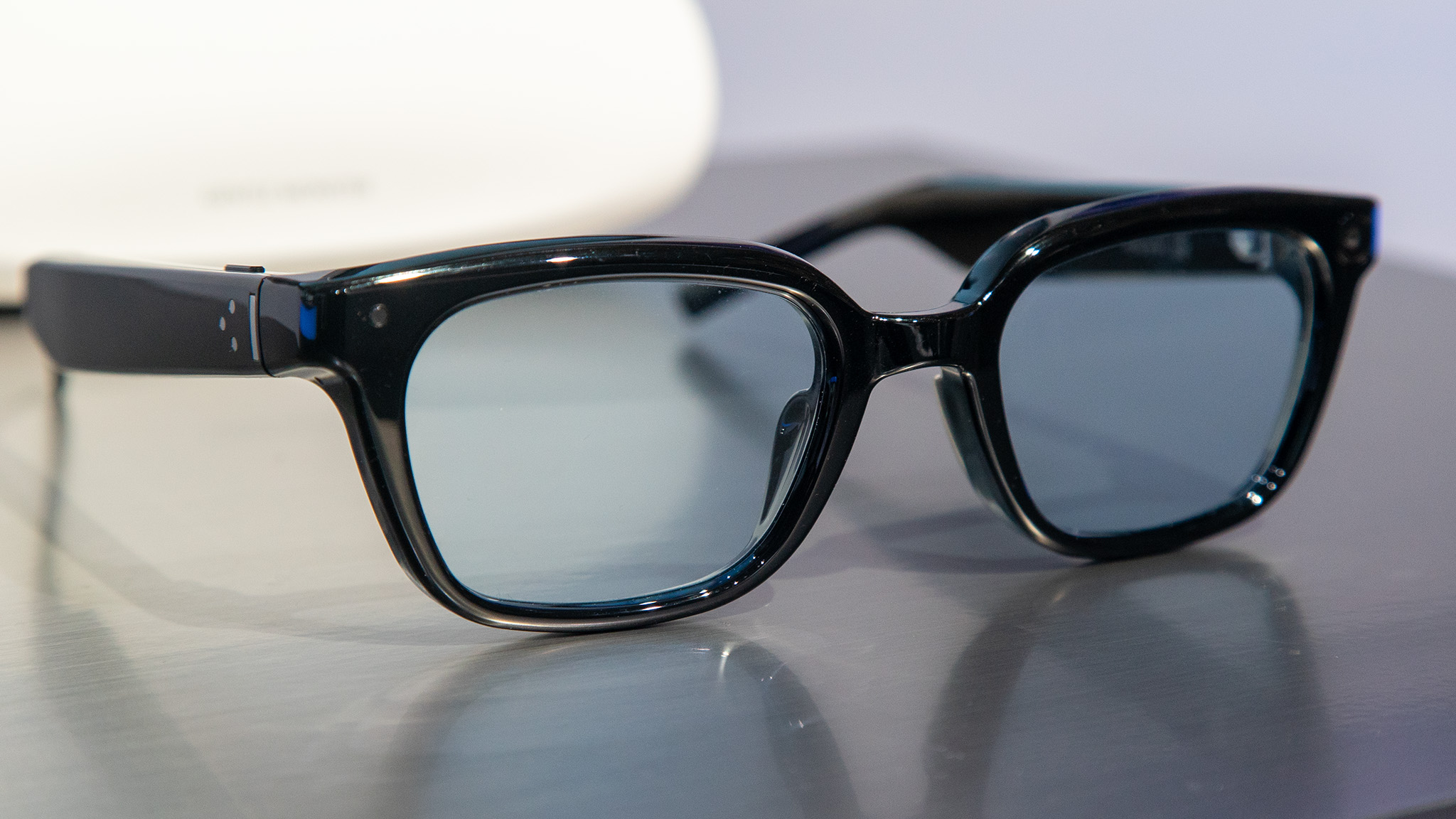
Chief among Samsung’s prospective competitors is Meta Platforms, which has dominated early consumer mindshare with its collaborative Ray-Ban smart glasses. Meta’s roadmap famously includes future iterations featuring integrated heads-up displays, paired with innovative neural interface bands that allow users to control on-lens content via subtle hand gestures and neural impulses. Other consumer electronics heavyweights, including Apple, Amazon, and various specialized hardware startups, are similarly investing heavily in spatial computing and micro-LED optical systems.
For Samsung, entering the display-equipped smart glasses arena represents a logical extension of its expansive ecosystem. By combining its industry-leading capabilities in mobile processing, artificial intelligence integrations via Google Gemini, advanced display panel manufacturing, and high-fashion partnerships, the company aims to offer a compelling alternative to competitors.
Market Implications and Future Outlook
The timeline pointing to a late 2027 or early 2028 commercial launch highlights the methodical, long-term approach hardware manufacturers must take when pioneering new device categories. While consumer demand for artificial intelligence assistants integrated into everyday wearables is demonstrably rising, transitioning from voice-driven audio glasses to full-color augmented reality displays requires overcoming persistent battery constraints, thermal management issues, and consumer aesthetic preferences.
As Samsung navigates these engineering frontiers, the upcoming release of its first-generation Intelligent Eyewear this fall will serve as an essential litmus test. Consumer reception of the voice-first, AI-driven model will likely provide valuable behavioral data, shaping how Samsung refines the user interface, ergonomics, and software capabilities of its subsequent color-display smart glasses. With industry heavyweights mobilizing around spatial computing and smart optics, the coming years will determine which ecosystem successfully redefines how humanity interacts with digital information on the go.