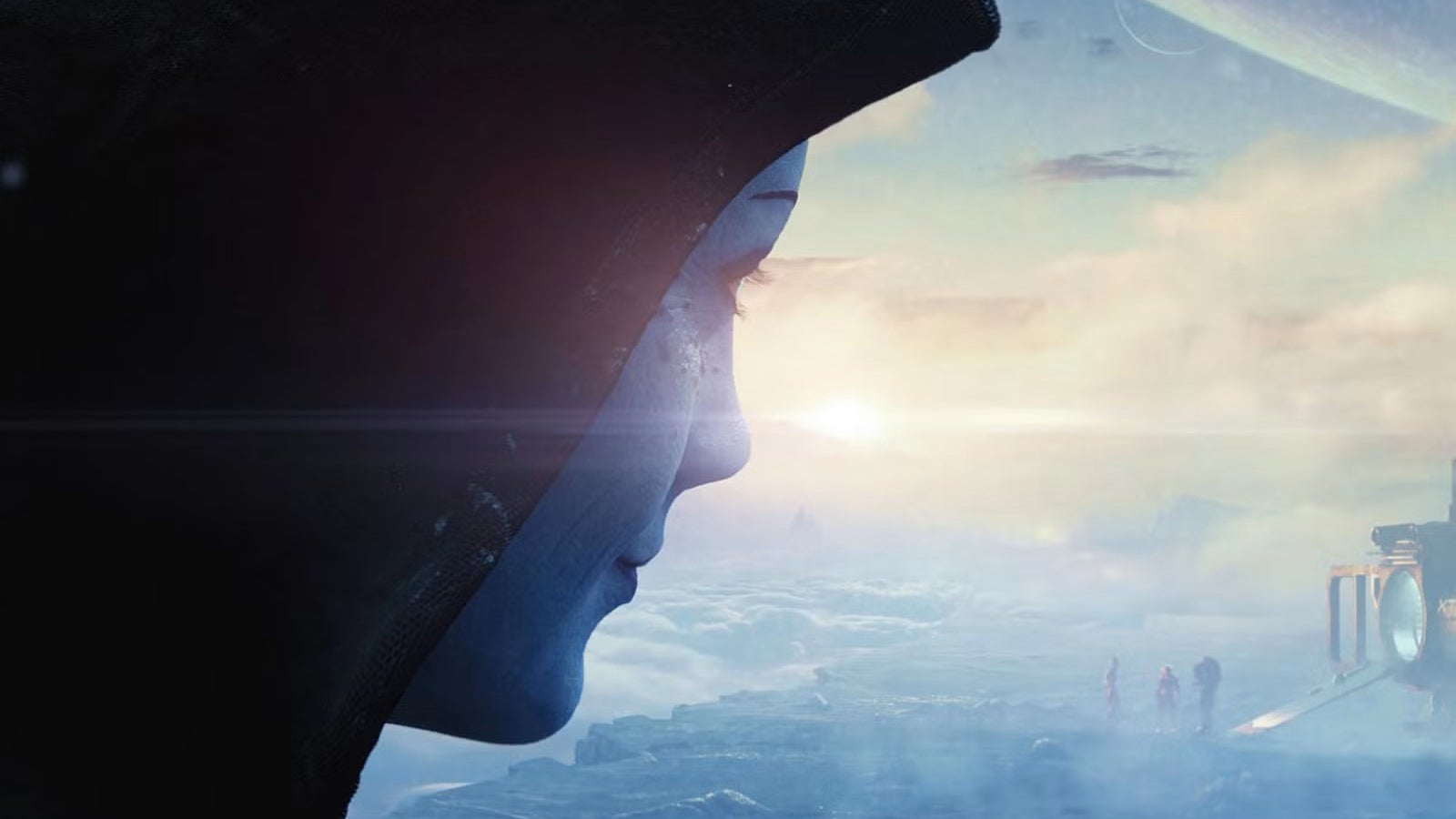
The recent decision by Electronic Arts (EA) to shutter the legendary development studio BioWare and effectively terminate the development of the next installment in the Mass Effect franchise has triggered an unprecedented wave of community activism. In a display of dedication rarely seen in the gaming industry, the "Save Mass Effect" campaign has transitioned from online discourse to physical, high-visibility protests, including a prominent billboard advertisement in New York City’s Times Square. This movement represents a significant escalation in the ongoing dialogue between major game publishers and the global communities that sustain their intellectual properties.
A Chronology of the Crisis
The catalyst for this mobilization was the sudden announcement late last week regarding the dissolution of BioWare. For decades, the studio had been synonymous with narrative-driven role-playing games, most notably the Mass Effect trilogy, which redefined cinematic storytelling in interactive media. The news that the long-awaited Mass Effect sequel had been cancelled sent shockwaves through the industry, prompting an immediate outcry.
The timeline of the fallout proceeded rapidly:
- Early Week: Electronic Arts confirms the closure of BioWare, citing a broader corporate restructuring initiative and a strategic shift in their portfolio management.
- Mid-Week: The "We Are Mass Effect" community group, spearheaded by activists and creators such as Kala Elizabeth, begins organizing digital and physical responses.
- Late Week: The Save Mass Effect petition launches on Change.org, surpassing 100,000 signatures within forty-eight hours.
- The Weekend: A billboard at 1560 Broadway in Times Square goes live, displaying a message of solidarity that references the franchise’s lore—specifically the "Kellah Si’yah," the vessel from the Andromeda narrative.
The Scope of Community Mobilization
The protest is not limited to a single billboard in Manhattan. According to Mer Mora, one of the primary organizers of the campaign, the group is coordinating a multi-pronged logistical effort to keep the franchise in the public consciousness. "Apart from the Times Square billboard, we have several other initiatives in the works," Mora stated. "We are planning an advertising truck to circle EA’s headquarters in Redwood City and another in Edmonton. Furthermore, we are coordinating mobile billboards for N7 Day—a holiday traditionally celebrated by fans of the series—and a significant presence in Los Angeles to coincide with The Game Awards."
The financial backing for these endeavors is entirely grassroots. The community has established a GoFundMe page, which has seen an influx of contributions from fans worldwide. Beyond the costs of the advertising campaigns, the organizers have committed to transparency and social responsibility; any surplus funds raised will be donated to the Game Workers’ Hardship Fund. Managed by the United Videogame Workers union (UVW-CWA), this fund provides direct financial support to developers who have been laid off, a gesture that underscores the intersection of consumer activism and labor advocacy in the modern gaming landscape.
Analyzing the Impact of the Petition
The Save Mass Effect petition has become a focal point for the movement’s data-driven arguments. With over 226,000 signatures verified, the document serves as a quantifiable metric of consumer demand. The core of the petition is twofold: it calls for EA to either resume the development of the next title or to license the intellectual property (IP) to a third-party developer capable of delivering a high-quality product.
From an industry standpoint, the petition highlights a growing tension between corporate asset management and community stewardship. While publishers often view IPs as depreciating or non-strategic assets based on quarterly fiscal projections, fans view them as cultural artifacts. The sheer volume of signatures serves as a case study in market viability, suggesting that there is a significant, ready-to-purchase audience for the franchise that EA may be disregarding in its current restructuring phase.
Industry Context and Corporate Strategy
The closure of BioWare is part of a wider trend of consolidation and downsizing that has defined the video game industry throughout 2026. As development costs for AAA titles continue to soar, publishers are increasingly risk-averse, often prioritizing established "live-service" models over single-player, narrative-driven experiences. The cancellation of the new Mass Effect game reflects this pivot, as EA seeks to focus its resources on its most profitable ongoing platforms.
However, the "Save Mass Effect" movement poses a unique challenge to this strategy. By successfully securing real-world advertising space and maintaining high engagement on social media platforms, the community is attempting to reframe the franchise as a "must-have" asset. If the campaign continues to generate sustained media coverage, it could theoretically impact EA’s long-term brand equity, potentially influencing future licensing discussions or even a reversal of the decision if the public relations cost of keeping the IP dormant outweighs the development risk.
The Role of Labor Advocacy
A critical, often overlooked element of this movement is its symbiotic relationship with labor unions. By choosing to funnel excess funds into the Game Workers’ Hardship Fund, the "Save Mass Effect" group has aligned itself with the professional developers who were affected by the recent layoffs. This creates a powerful narrative: the fans are not just asking for a product; they are advocating for the people who created it.
The UVW-CWA has been instrumental in organizing support for the thousands of developers displaced by recent industry contractions. By donating to this fund, the fans are effectively validating the importance of the human element behind the software. This signals a shift in fan culture, moving away from toxic entitlement and toward a more constructive, supportive stance regarding the industry’s labor force.
Future Implications and Outlook
As the campaign heads toward N7 Day and the upcoming Game Awards, the pressure on Electronic Arts will likely continue to mount. Whether the publisher will respond to these appeals remains to be seen. Historically, large corporations have been reluctant to alter their strategic trajectories due to consumer petitions, yet the combination of professional-grade advertising, significant financial backing, and clear labor-advocacy goals makes this particular campaign distinct.
Should the campaign fail to yield a new game, the movement will still have established a blueprint for how fan communities can exert pressure on major publishers. The integration of crowdfunding, physical advertising, and charity work creates a professionalized form of activism that is difficult for corporations to dismiss as mere "internet noise."
In conclusion, the "Save Mass Effect" movement is a reflection of the profound emotional and financial investment players have in the universes created by developers. Regardless of the outcome for the specific title, the events of the past week have solidified the role of the community as an active participant in the industry’s discourse. As the billboards in Times Square continue to display their message, they serve as a reminder to stakeholders across the industry that the "Mass Effect" name represents not just a digital product, but a global community that is currently unwilling to let its favorite franchise fade into history. The path forward remains uncertain, but the resolve of the movement is, by all metrics, historically significant.