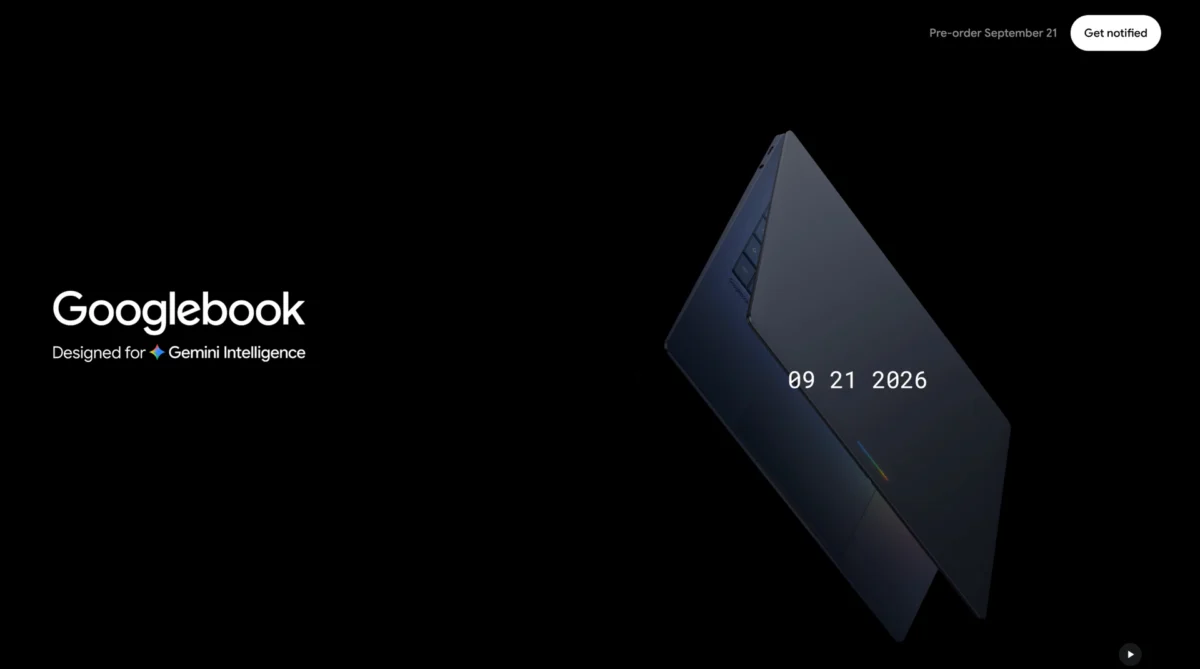
Tech giant Google has officially announced that pre-orders for its highly anticipated lineup of premium laptops, known as Googlebooks, will commence on September 21 at 9:00 a.m. Eastern Time. The confirmation arrives via email notifications sent out to eager consumers and is supported by a newly launched dedicated promotional portal. This milestone marks a pivotal shift in Google’s hardware strategy, introducing an entirely new device category engineered specifically for what the company describes as the "intelligence system" era.
While initial teasers were dropped earlier this year during The Android Show—where executives offered a brief "one more thing" glimpse into the future of the company’s computing ecosystem—concrete details regarding availability and pricing remained tightly under wraps until now. As the September 21 pre-order window approaches, the industry is closely watching to see how this fresh ecosystem will redefine personal computing.
The Evolution of Google’s Computing Vision: Background and Context
For over a decade, Google’s presence in the laptop market has been defined primarily by Chromebooks—lightweight, web-centric devices running ChromeOS that captured a massive share of the education market and carved out a steady niche among budget-conscious consumers and enterprise users alike. However, as artificial intelligence rapidly transforms software architecture and consumer expectations, the limitations of traditional browser-based operating systems have become increasingly apparent.
The introduction of Googlebooks represents a radical departure from the ChromeOS philosophy. Instead of relying on a browser-centric operating system, Googlebooks are built upon a brand-new, Android-based technology stack. This architectural pivot is designed to bridge the gap between mobile and desktop computing, offering seamless integration with the broader Android ecosystem while leveraging advanced machine learning models directly at the hardware and operating system level.
Industry analysts note that this strategic evolution is a direct response to the rising demand for on-device AI processing power, mirroring industry-wide trends seen in Apple’s Apple Silicon integrations and Microsoft’s Copilot+ PC initiative. By anchoring the new laptops to an Android-derived foundation, Google is positioning its hardware to capitalize on the millions of applications and deeply ingrained user habits established within the mobile ecosystem.
Key Features and Ecosystem Integration
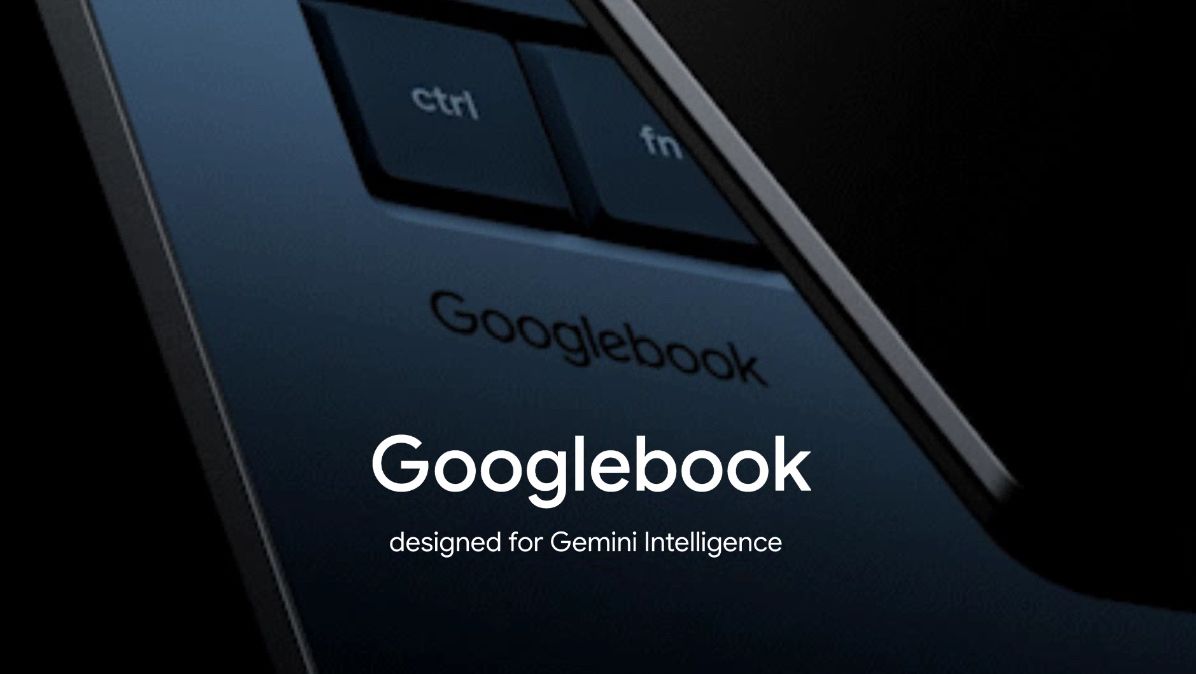
The newly unveiled Googlebook website highlights several core functionalities that set these devices apart from traditional laptops, with a heavy emphasis on Google’s proprietary Gemini AI assistant.
Among the standout features is Magic Pointer, an innovative tool that allows users to summon and interact with Gemini directly through the laptop’s cursor interface. Rather than opening a separate application or browser tab, users can invoke AI assistance contextually across documents, web pages, and media players. Furthermore, the platform introduces a dynamic widget-creation tool, enabling users to generate customized desktop widgets simply by typing or speaking a natural language description of what they want to see.
Cross-device synergy is another cornerstone of the Googlebook value proposition. Google is heavily marketing the devices as the ultimate companion for Android smartphones. Demonstrations and official previews indicate that users will be able to launch and interact with Android smartphone applications natively on their Googlebook screen, alongside instantaneous access to files, photos, and notifications stored on their mobile devices without requiring manual file transfers or third-party synchronization software.
Industry Partnerships and Launch Timeline
Although Google has confirmed the September 21 launch date for pre-orders, the company has remained tight-lipped regarding the specific hardware configurations, pricing structures, and individual models that will be available on day one. Historically, Google collaborates closely with major original equipment manufacturers (OEMs) to bring its hardware visions to life, and industry insiders expect to see initial Googlebook offerings from prominent global brands including Acer, ASUS, Dell, HP, and Lenovo.
The timeline leading up to this release has been gradual:
- Early 2025: Google provides an unexpected "one more thing" teaser during The Android Show, introducing the conceptual framework of Googlebooks.
- Mid-2025: Rumors and supply chain leaks suggest a shift away from traditional ChromeOS toward a unified Android-based stack optimized for AI workloads.
- September 2025: Google issues direct confirmation via email to prospective buyers and launches the official
googlebook.googleportal, cementing the September 21 pre-order schedule.
While pre-orders are slated to open imminently, official confirmation regarding shipping dates and retail availability timelines has not yet been provided by Google or its manufacturing partners.
Market Implications and Competitive Landscape
The launch of Googlebooks comes at a critical juncture for the global personal computing market. Manufacturers are currently navigating a complex economic landscape characterized by fluctuating component costs, including rising RAM prices, and shifting consumer demand toward devices equipped with dedicated neural processing units (NPUs).
Furthermore, Googlebooks will enter a fiercely competitive arena. Windows-based manufacturers are aggressively pushing RTX Spark-powered laptops and Copilot+ certified machines designed to handle intensive local AI tasks. Meanwhile, Apple continues to dominate the premium segment with its MacBook lineup, praised for exceptional energy efficiency and tight integration with iOS and iPadOS.
By bypassing ChromeOS for this new high-end tier, Google is taking a calculated gamble. The success of Googlebooks will largely depend on developer adoption of the new Android-based desktop stack, the seamlessness of cross-device phone integration, and whether the promised AI features—such as Magic Pointer and natural language widget creation—deliver tangible productivity benefits that justify premium pricing.
As the clock ticks down to September 21 at 9:00 a.m. ET, consumers, developers, and tech enthusiasts alike will be watching closely to see how Google’s hardware partners price these next-generation machines and what specific form factors will lead the charge into the intelligence system era.