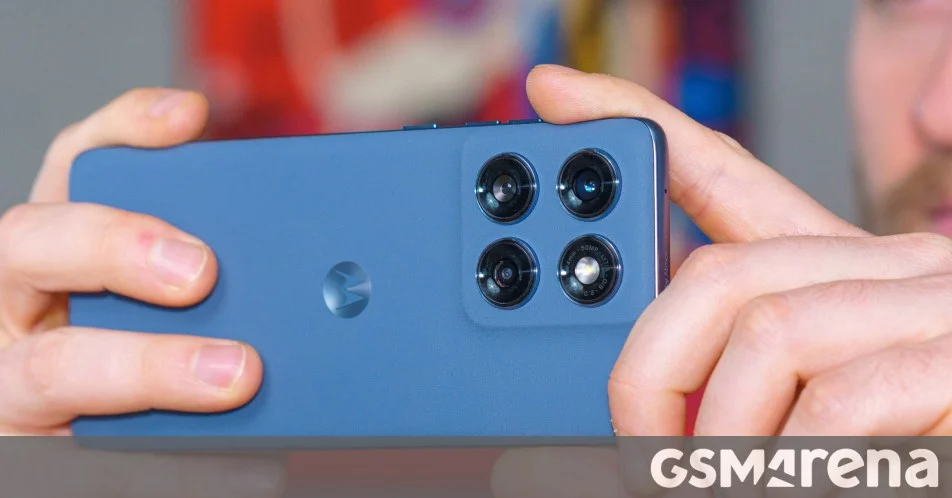
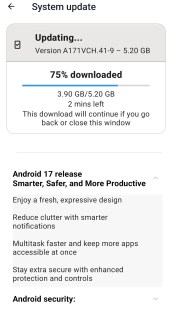
Motorola has officially initiated the rollout of the Android 17 operating system for the Edge 60 Fusion in India, marking a significant milestone in the manufacturer’s software support roadmap. According to user reports surfacing on community platforms such as Reddit, the update is being distributed over-the-air (OTA) under the build version A171VCH.41-9. This substantial software package, weighing in at approximately 5.2GB, necessitates a stable and high-speed internet connection to ensure a seamless installation process, reflecting the extensive nature of the latest Android platform upgrade.
Contextualizing the Software Deployment
The transition to Android 17 represents the latest iteration of Google’s mobile operating system, bringing a suite of refinements to user privacy, battery optimization, and system-level performance. For the Motorola Edge 60 Fusion, a device positioned in the upper-mid-range segment of the market, this update is critical for maintaining competitiveness against contemporary rivals. By delivering the latest Android version, Motorola aims to address legacy bugs, introduce modernized interface elements, and ensure that the device remains compliant with current security standards.
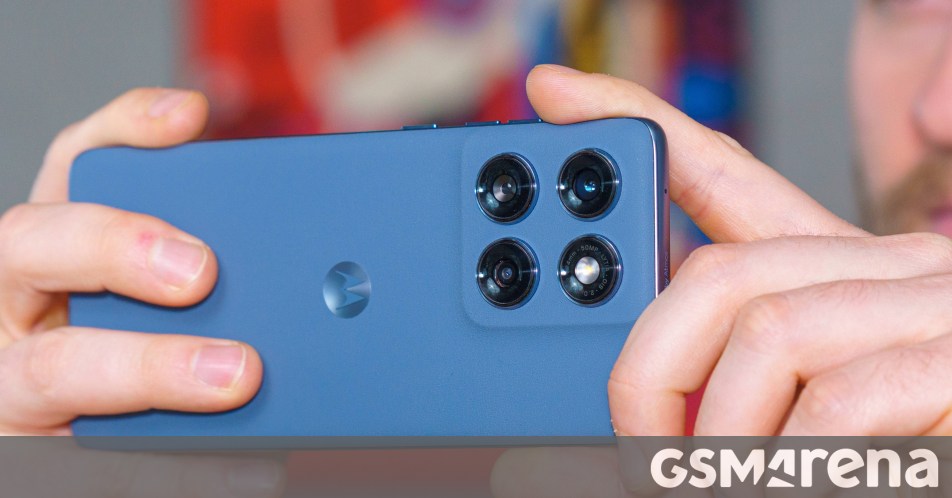
The deployment in India serves as the primary testing ground for this specific build. Motorola has historically utilized the Indian market as a pilot region for its major software distributions due to the high volume of users and diverse connectivity environments. Following the initial feedback loop from Indian consumers, the company is expected to initiate a broader, staggered release to international markets, including North America and Europe, in the coming weeks.
Technical Specifications and Update Details
The build version A171VCH.41-9 is more than just a security patch; it serves as a comprehensive platform transition. Users have noted that the update process can be intensive, and it is standard practice for Motorola to recommend at least 50% battery charge or a connected power source to prevent failure during the partition update process.
One of the most anticipated aspects of this update is the potential integration of Motorola’s proprietary Qira AI assistant. While official release notes for the Edge 60 Fusion have not explicitly confirmed the inclusion of Qira in this specific build, the timing of the rollout aligns with Motorola’s broader strategy to integrate generative AI capabilities across its hardware lineup. Qira AI is designed to enhance contextual awareness, streamline workflow automation, and offer more intuitive interaction patterns compared to standard Google Assistant integrations. If included, this feature would represent a major value-add for Edge 60 Fusion owners, positioning the device as an "AI-first" smartphone within its price category.

A Chronology of Motorola’s Software Strategy
Motorola’s approach to software updates has undergone a marked transformation over the last 24 months. Historically criticized for sluggish update cadences, the company has pivoted toward a more aggressive deployment schedule. This shift appears to be a direct response to increased competition from Chinese OEMs and a strategic move to improve brand loyalty.
The timeline for the Edge 60 Fusion began with its launch, where it shipped with a guarantee of multiple OS upgrades. The release of Android 17 follows a period of rigorous beta testing and internal quality assurance cycles. By hitting this milestone, Motorola is fulfilling its contractual obligations to its customer base, reinforcing the perception of the "Edge" series as a premium product line. The industry trend suggests that mid-range smartphones are increasingly receiving flagship-level software support, a trend Motorola is currently leveraging to capture market share from competitors that offer shorter update cycles.
Market Analysis and Implications
The impact of this update extends beyond simple software version parity. For the retail market, the timely delivery of Android 17 serves as a key selling point for remaining inventory. As noted in current market data, the Edge 60 Fusion is still widely available through major e-commerce platforms, with price points ranging from approximately $257 USD to ₹28,799 in the Indian market. The promise of the latest software acts as a catalyst for potential buyers, effectively extending the product’s shelf life and mitigating the "obsolescence factor" that often plagues consumer electronics.

From a technical standpoint, the 5.2GB size of the download suggests that the update replaces a significant portion of the system partition. This is often necessary when transitioning to a newer Android API level that requires changes to the underlying file system or the integration of new kernel-level security features. Analysts suggest that this update will likely include performance tweaks that utilize the Edge 60 Fusion’s internal hardware more efficiently, potentially resulting in improved thermal management and extended battery life during intensive tasks.
Official Stance and Community Feedback
While Motorola has maintained a measured communication style regarding the rollout, community discourse on platforms like Reddit indicates high levels of user satisfaction, provided the update is installed under optimal network conditions. Early adopters have praised the responsiveness of the UI post-update, though some have noted the usual post-update "settling" period where the device may experience slightly higher power consumption for the first 24 to 48 hours as the operating system indexes files and optimizes background processes.
There has been no official statement from Motorola regarding the specific exclusion or inclusion of the Qira AI feature, a move likely intended to keep consumer expectations managed across different global regions where localized AI features may face regulatory hurdles. However, the company’s recent press materials highlight a corporate shift toward "AI-integrated mobility," suggesting that if Qira is not present in the current build, it is likely to be delivered via a subsequent "feature drop" update.

Broader Industry Impact
The broader implication of this release is that Motorola is successfully standardizing its software engineering workflow. By managing to push Android 17 to a diverse portfolio of devices in quick succession, the manufacturer is signaling a departure from the fragmented update experiences of the past. For consumers, this is a positive development that justifies the price premium associated with the Edge series.
As the industry moves toward deeper AI integration and more complex security requirements, the ability to deliver seamless, large-scale OS updates is becoming a primary differentiator for smartphone manufacturers. Motorola’s performance with the Edge 60 Fusion suggests that it is prioritizing this capability as a core pillar of its product strategy. The upcoming weeks will be crucial as the update expands into Western markets, where carrier-locked devices may face delays due to additional testing requirements by telecommunications providers.
Conclusion and Recommendations for Users
For current owners of the Motorola Edge 60 Fusion, the arrival of the Android 17 update is a highly recommended installation. It provides the latest security protocols, essential for protecting personal data in an increasingly connected environment, and introduces the latest system-level optimizations that keep the hardware performing at its peak.
Users are advised to:
- Back up all essential data to a secure cloud service or local storage before initiating the update.
- Ensure the device is connected to an unmetered Wi-Fi network, given the 5.2GB file size, to avoid potential data charges or interrupted downloads.
- Keep the device plugged into a charger throughout the duration of the installation to prevent accidental shutdowns.
- Clear the system cache partition after the update if the device exhibits any unexpected behavior, a common practice that often resolves minor post-update glitches.
As Motorola continues to refine its software distribution channels, the Edge 60 Fusion stands as a testament to the company’s current trajectory. Whether this update is the final major OS jump for the device or one of several remains to be seen, but for now, it marks a successful step forward in providing a modern, secure, and feature-rich experience to its user base. Further updates regarding the global rollout are expected to be announced through official Motorola channels in the near future.