For hikers who find their solace on winding trails and their joy in weekend backpacking excursions, the allure of a thru-hike often beckons. These extended journeys plunge adventurers into the heart of wild, breathtaking landscapes, offering a profound immersion in nature. While immensely rewarding, thru-hikes demand a significantly higher level of planning, physical conditioning, and mental fortitude compared to shorter trips. For those dreaming of tackling iconic routes like the Pacific Crest Trail (PCT) or the Appalachian Trail (AT), but perhaps daunted by their scale, starting with a more manageable thru-hike is a prudent and highly recommended approach. These introductory treks provide an invaluable opportunity to test personal endurance, refine gear systems, and build confidence without the commitment of thousands of miles.
To guide aspiring thru-hikers, this article explores six excellent U.S. thru-hike options, along with a compelling international bonus, all chosen for their accessibility and suitability for first-time long-distance hikers. These trails are characterized by clear signage, dependable water sources and resupply points, moderate elevation changes, and abundant camping opportunities. They offer a gateway to incredible scenery and a genuine wilderness experience without requiring peak physical fitness or advanced navigation skills.
What Constitutes a Thru-Hike?
The definition of a "thru-hike" remains somewhat fluid, as no official governing body dictates its parameters. However, a general consensus among hikers is that it involves a point-to-point journey undertaken as a continuous effort, distinguishing it from "section hiking" where a trail is completed in segments over time. Beyond this continuous, end-to-end principle, there are few strict rules.
For the purpose of this guide, the featured thru-hikes are all established, single trails—not combinations of disparate paths. A minimum length of 50 miles was chosen as a benchmark, reflecting the commitment required to experience a journey that extends beyond a single day or a standard weekend. This distance ensures a substantial undertaking that demands planning and perseverance, offering a true taste of extended backcountry travel. It is important to note that for personal challenges, one could technically define any point-to-point trek as a thru-hike, but for the context of established long-distance trails, the 50-mile mark serves as a practical starting point for many.
Ideal First-Time Thru-Hikes
Batona Trail, New Jersey
While New Jersey might not immediately conjure images of vast wilderness, it boasts a network of state parks and forests that offer surprisingly rewarding hiking experiences. The 53-mile Batona Trail is a prime example, weaving through some of the state’s most significant natural areas, including Brendan Byrne and Bass River State Forests and the ecologically rich Pinelands National Reserve. Hikers on this trail will encounter a diverse array of plant life, from hardy prickly pear cacti to delicate wildflowers, orchids, and carnivorous sundews, showcasing the surprising biodiversity of the region.
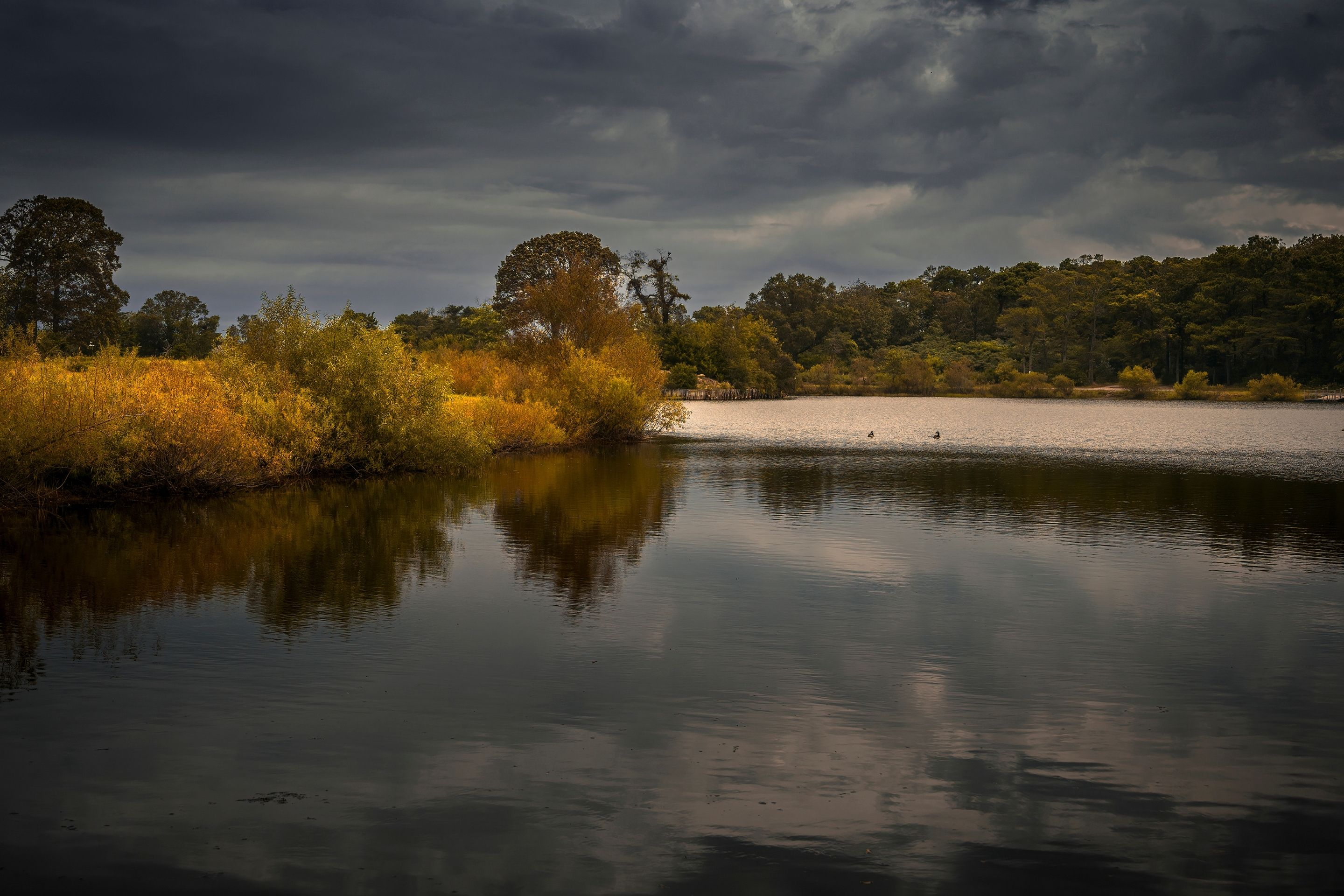
A key advantage of the Batona Trail for beginners is its predominantly flat terrain, with a total elevation gain of less than 600 feet. This makes it an ideal choice for backpackers still developing their trail legs and endurance. However, the sandy soil can be demanding, and the presence of ticks is notable. Therefore, late fall and early spring are often considered the optimal times to hike the Batona Trail, offering cooler temperatures and reduced insect activity.
Permits and Fees: No permit is required for hiking the Batona Trail itself. However, any overnight camping necessitates a permit, which can be obtained online through the New Jersey Department of Environmental Protection’s Outdoors portal. Campsite fees are approximately $25 per night for non-residents.
Laurel Highlands Hiking Trail, Pennsylvania
The Laurel Highlands Hiking Trail in Pennsylvania offers a classic Northeastern hiking experience, characterized by rolling hardwood forests, intriguing rock formations, and scenic river valleys. This 70-mile trail is exceptionally well-marked with bright yellow blazes placed every 100 feet, significantly reducing the chances of getting lost, even for novice navigators.
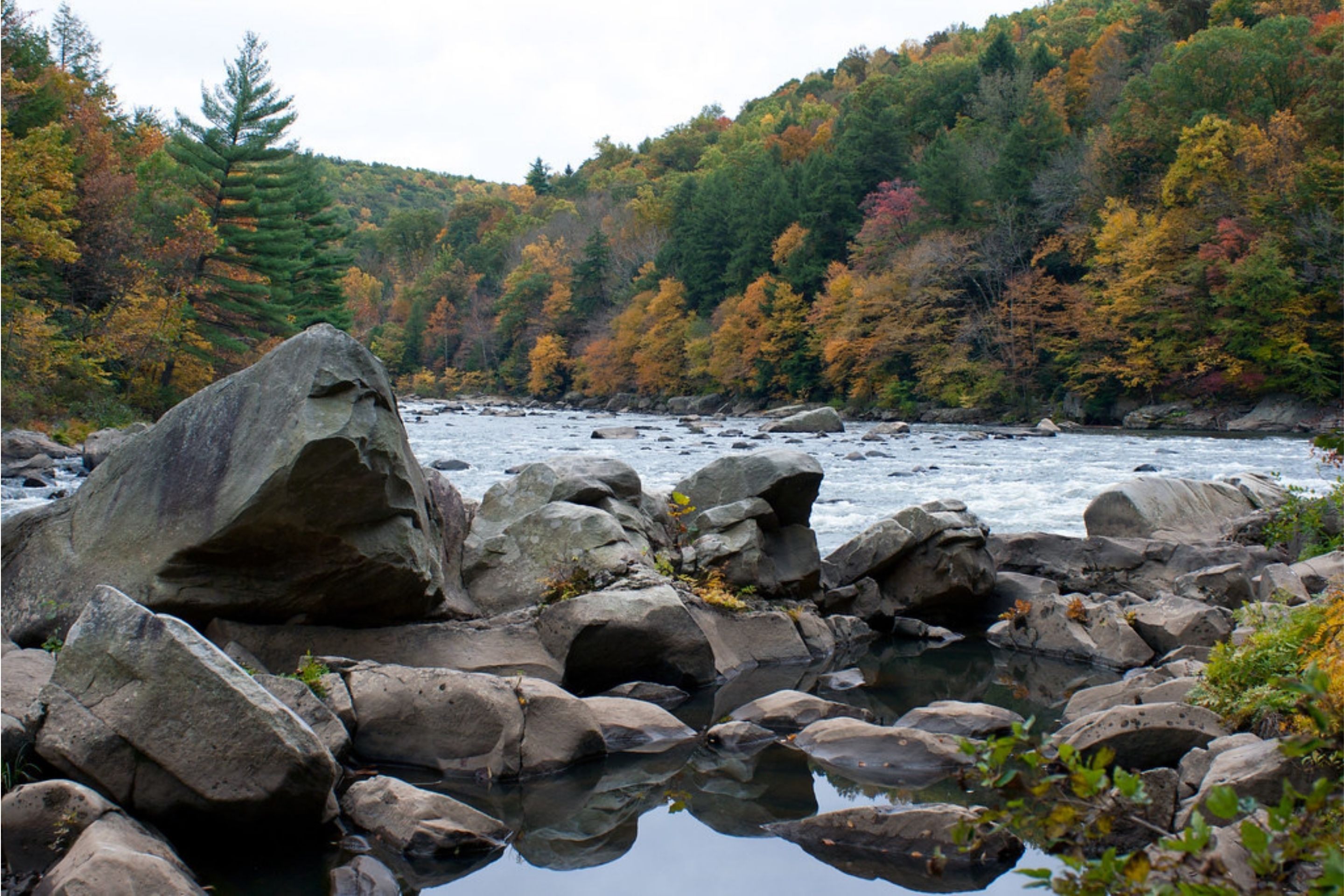
While the initial 10 miles feature some steep ascents and descents, the trail generally moderates thereafter. The trail is dotted with eight designated backcountry campgrounds, providing ample opportunities to customize an itinerary based on daily mileage goals and personal fitness levels. This flexibility allows first-time thru-hikers to gradually build up their stamina and comfort on the trail. The Youghiogheny River is a prominent and beautiful feature along sections of the trail, adding to its scenic appeal.
Permits and Fees: While voluntary registration at trailheads is encouraged for safety, no specific permits are required for day hiking. Backcountry campsites must be reserved in advance online and cost approximately $5 per night for non-residents.
Ocala Trail, Florida
As a segment of the extensive 1,500-mile Florida Trail, the 71-mile Ocala Trail offers a more accessible thru-hiking experience in the Sunshine State. Located in northern Florida, about 80 miles north of Orlando, this section is renowned for traversing the world’s largest sand pine scrub forest, a unique and often overlooked ecosystem.
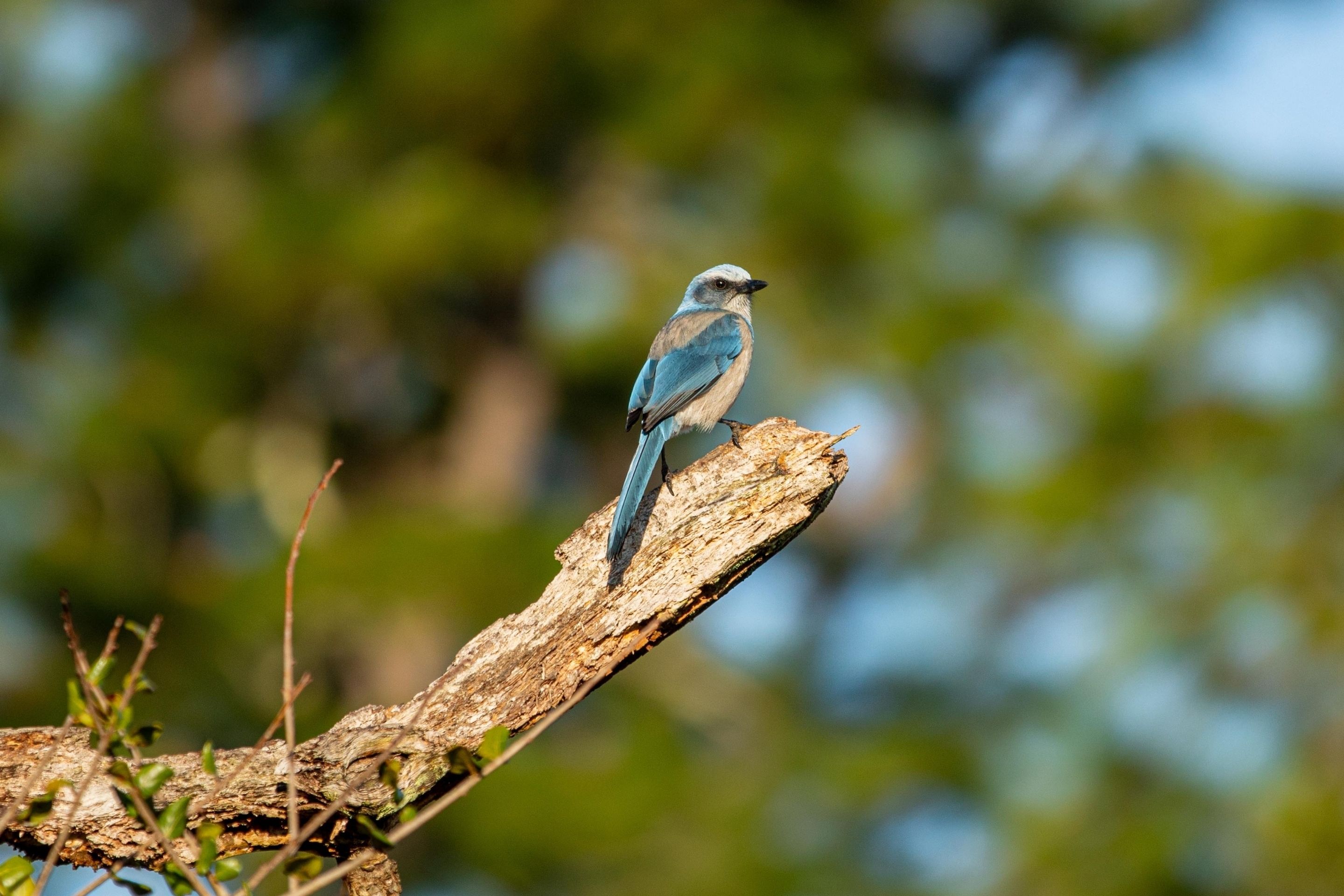
Consistent with Florida’s topography, the Ocala Trail is remarkably flat, with minimal elevation gain. This feature allows hikers to maintain a consistent pace and cover considerable ground. The trail is rich in wildlife, with frequent sightings of armadillos, gopher tortoises, and a diverse array of bird species, including the striking Florida scrub jay. However, hikers should be aware that this is also black bear country. It is therefore essential to carry a bear-resistant food canister and adhere to all wildlife safety guidelines. Designated campsites are available, and dispersed camping is permitted in many areas, provided it is not during the deer hunting season, which typically runs from late September to early January.
Permits and Fees: No specific permit is required for backpacking on the Ocala Trail. Designated campsites can be reserved online, with fees typically ranging from $24 to $48 per night.
Foothills Trail, North and South Carolina
Born from a grassroots effort in the 1970s to protect natural areas from commercial development, the Foothills Trail has evolved into a premier 77-mile backpacking route spanning parts of North and South Carolina. The Foothills Trail Conservancy actively maintains the trail, ensuring excellent signage and providing comprehensive resources, including maps, on its website.
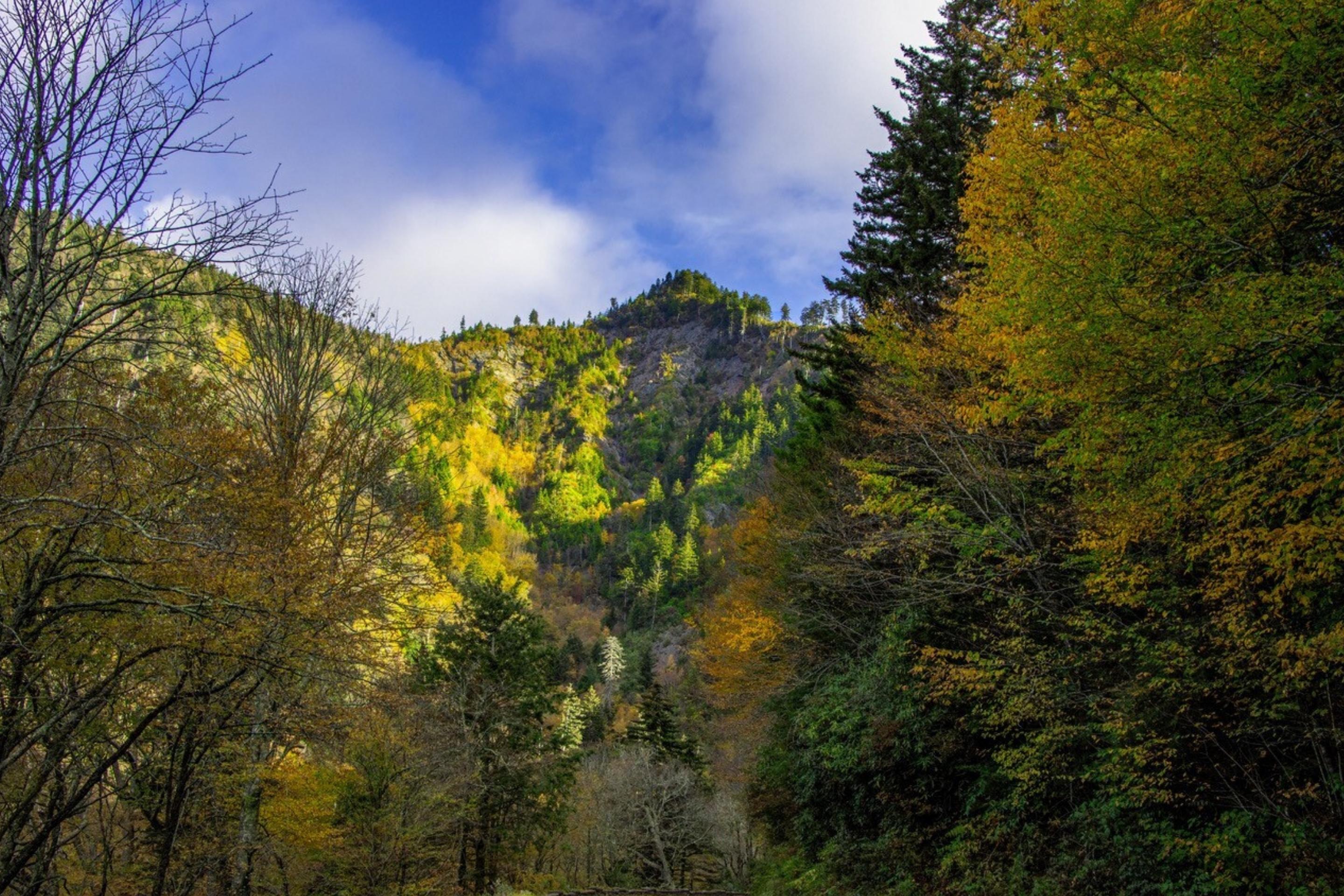
The trail is celebrated for its numerous waterfalls, including the impressive Whitewater Falls and Laurel Fork Falls. While there are challenging climbs, the ascent to Sassafras Mountain, South Carolina’s highest point, rewards hikers with panoramic vistas of the surrounding Blue Ridge Mountains. The combination of stunning natural beauty and well-maintained infrastructure makes it an attractive option for those new to multi-day trekking.
Permits and Fees: A nominal fee may be required for overnight vehicle parking at certain trailheads. Hikers are required to register at three key access points: Table Rock State Park, Oconee State Park, and Gorges State Park.
Tahoe Rim Trail, California/Nevada
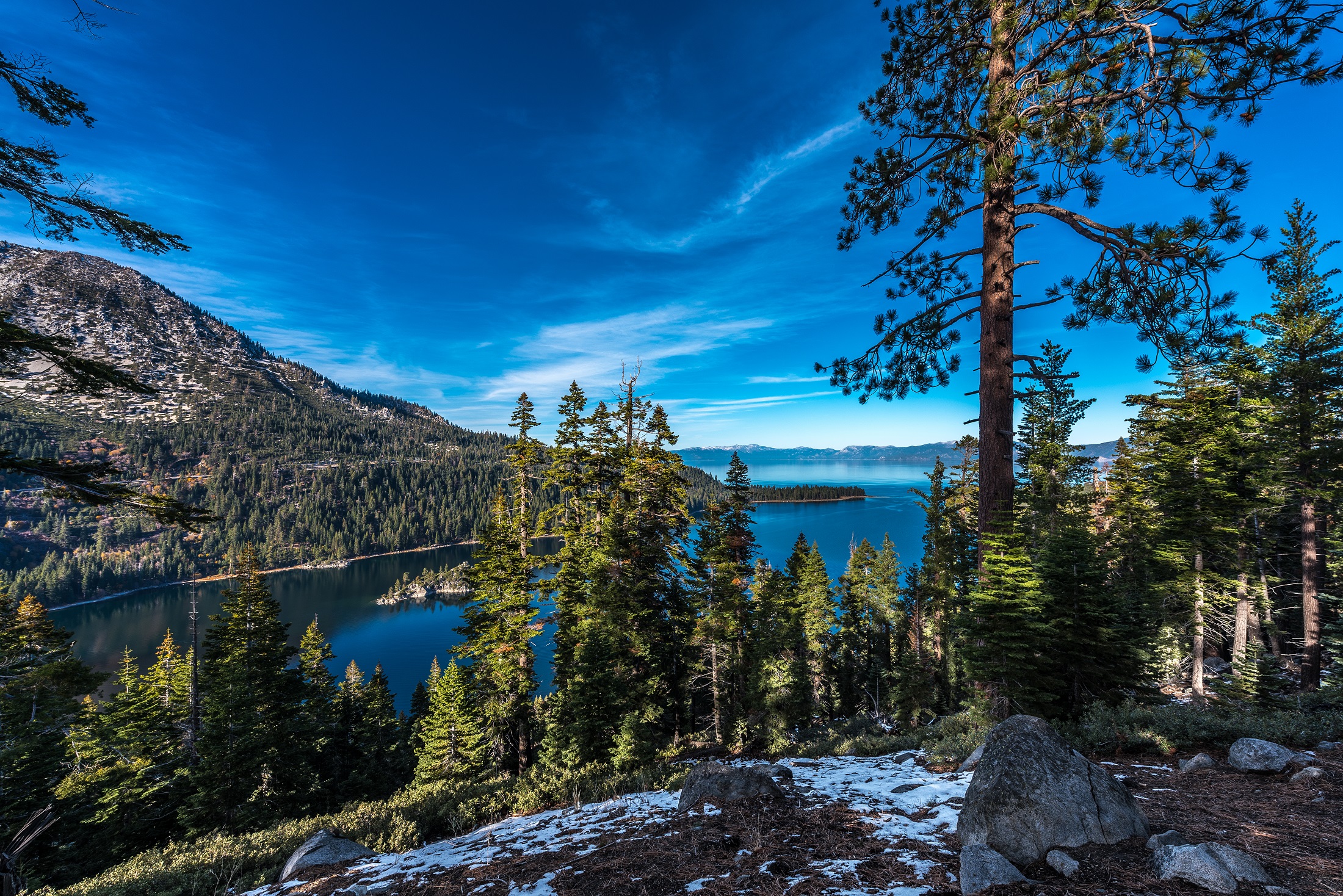
For those seeking an alpine adventure without the intense competition for permits associated with the famous John Muir Trail, the 165-mile Tahoe Rim Trail offers a spectacular alternative. This trail encircles the breathtaking Lake Tahoe, passing through a variety of state parks and protected wilderness areas, providing a comprehensive taste of the Sierra Nevada landscape.
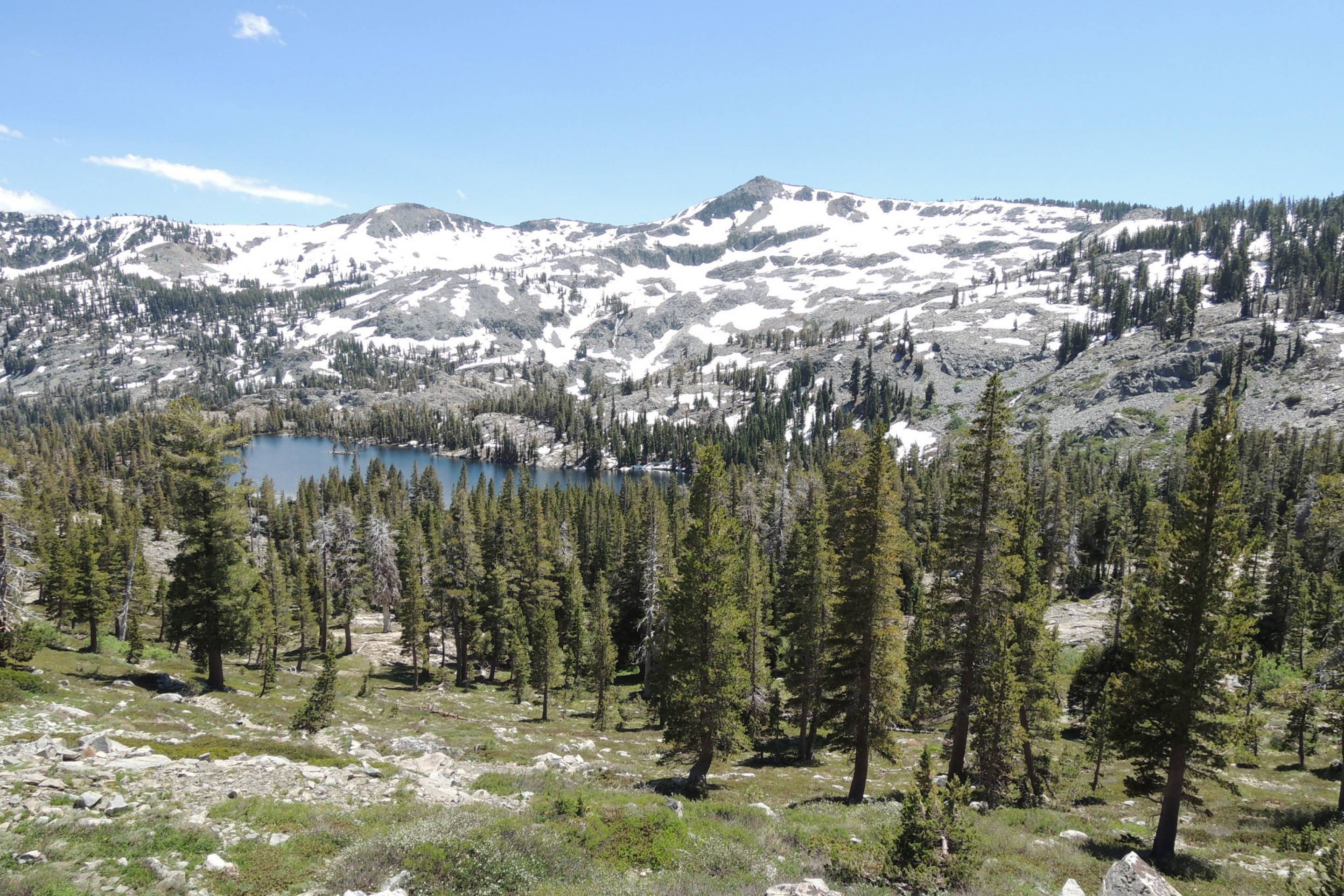
Water sources are generally plentiful, and resupply points are strategically located along the route. Dispersed camping is permitted in many areas, though hikers must familiarize themselves with and adhere to specific regulations outlined by the Tahoe Rim Trail Association. As with the Ocala Trail, bear canisters are mandatory, and following bear safety protocols is paramount. The Tahoe Rim Trail Association provides extensive resources for trip planning on its website.
Permits and Fees: In addition to obtaining a general trail permit, hikers will need a permit for the Desolation Wilderness, which is a section of the trail. Both can be acquired online.
International Bonus: Camino Ingles, Spain
For an international thru-hiking experience, the Camino Ingles (English Way) offers a culturally rich and logistically straightforward option. This 75-mile route is part of the renowned Camino de Santiago pilgrimage network in Spain. Starting in Ferrol, it leads pilgrims to the historic city of Santiago de Compostela.
The Camino Ingles is less frequented than the more popular Camino Frances, offering a more tranquil and contemplative experience. The trail winds through Galicia, a region celebrated for its exceptional seafood, cured meats, wines, and pastries. A significant advantage for budget-conscious travelers is the availability of "albergues," pilgrim hostels that offer dormitory-style accommodation for a modest fee, often under 10 euros per night.
Permits and Fees: No specific permits are required to hike the Camino Ingles. However, to receive the "Compostela," a certificate of completion, hikers must obtain a pilgrim’s passport for approximately $5. This passport must be stamped daily at albergues or other designated establishments along the route to verify the journey.
What to Expect on Your First Thru-Hike
Physical and Mental Preparation
Transitioning from weekend backpacking to a thru-hike presents a distinct set of challenges that extend beyond simply increasing mileage. The cumulative effect of sleeping in a tent and carrying a pack for an extended period can take a toll on the body in unexpected ways. Blisters can emerge in new and persistent locations, and muscles not typically engaged during shorter trips may experience novel soreness. For instance, one might discover that a pack that felt comfortable on shorter outings begins to chafe severely after several days of continuous use.

Given these potential issues, it is advisable to set conservative daily mileage goals. Hiking pace can be significantly impacted by weather conditions, terrain, and overall fatigue. Prioritizing reaching campsites at a reasonable hour and allowing for flexibility in the itinerary is far more beneficial than pushing to cover excessive distances.
Thru-hiking also demands substantial mental resilience. A poor night’s sleep, followed by a day of relentless discomfort—whether from insects or challenging weather—can weigh heavily on one’s emotional state. There are moments on extended treks where homesickness, fatigue, or a sense of being overwhelmed can lead to emotional responses. While the goal is always a positive experience, maintaining realistic expectations and developing the ability to adapt to unforeseen circumstances are crucial for success.
The longer a trek, the higher the probability of encountering issues. Nature is unpredictable, and unexpected storms can arise. Gear can malfunction, and minor injuries, such as a tweaked knee or ankle, are always a possibility. It is imperative to inform a trusted contact of your itinerary and the expected time of your return. This ensures that authorities can be alerted if you fail to check in as scheduled, providing a vital safety net.
Gear Considerations
The selection of reliable, durable, and appropriately fitted gear is fundamental to a successful thru-hike. Prior to embarking, thoroughly break in hiking boots or trail runners to prevent blisters. GearJunkie offers a comprehensive thru-hiking checklist that can serve as a valuable resource.
While minimizing pack weight is a perennial goal in backpacking, certain safety-critical items should never be compromised for the sake of shaving ounces. Essential items include a well-stocked first-aid kit, a reliable water filtration system, and a satellite communication device for emergency purposes. Consulting GearJunkie’s guide to essential backpacking gear can provide a solid foundation for understanding fundamental equipment needs.