The moment of unboxing a premium home entertainment system is often met with high expectations of pristine acoustic clarity and razor-sharp visual fidelity. However, for many enthusiasts, the initial activation of new equipment is marred by a symphony of unwanted artifacts: the low-frequency drone of a 60Hz hum, the sharp crackle of electromagnetic interference, or the rhythmic hiss of a digital ground loop. These phenomena, while frustrating, are rarely a sign of defective hardware. Instead, they are typically the result of the complex electrical environment in which the equipment operates. When a consumer returns a "noisy" amplifier to a retail outlet only to find it performs flawlessly on the showroom floor, the diagnostic needle points directly at the domestic power infrastructure and signal routing.

The challenge of modern audio-visual (AV) integration lies in the fact that as components become more sensitive and interconnected, they become more susceptible to the "noise floor" of the average household. From the subtle electromagnetic fields generated by a kitchen blender to the invisible radio frequency (RF) signals emitted by Wi-Fi routers, the modern home is an obstacle course for clean signals. Resolving these issues requires a systematic understanding of electrical engineering principles, ranging from ground potential differences to the shielding properties of high-speed digital cables.
The Anatomy of the Ground Loop: The Primary Culprit
The most pervasive cause of audio and video distortion is the ground loop. This phenomenon manifests physically as a steady, low-pitched buzz in speakers or as "hum bars"—horizontal bands that scroll vertically across a television screen. A ground loop is created when two or more interconnected components are plugged into different AC outlets that possess slightly different electrical potentials.

In a standard residential electrical system, the "ground" is intended to be a zero-voltage reference point. However, due to the length of wire runs and the resistance inherent in household copper, the ground at an outlet in one corner of a room may sit at a different voltage level than an outlet on the opposite wall. When these components are connected via shielded signal cables—such as RCA, HDMI, or coaxial wires—the cable’s shielding provides a secondary path for electricity to flow between the two ground points. This creates a loop that acts as a large, unintended antenna, efficiently absorbing 60Hz interference from the surrounding environment.
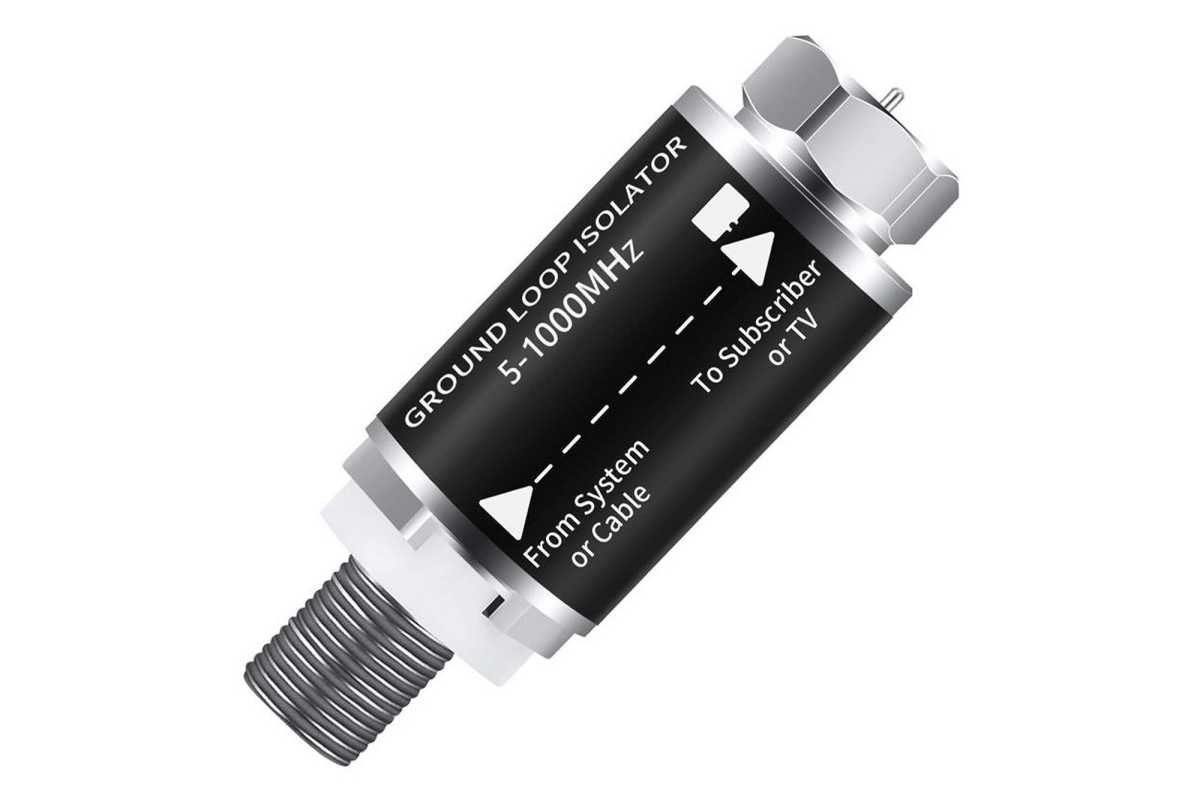
To eliminate this, technicians recommend a "star grounding" configuration. By powering every piece of equipment in the signal chain from a single high-quality power strip or surge protector, the potential difference between grounds is neutralized. For complex setups where a single outlet is insufficient, specialized hardware becomes necessary. Devices like the Ebtech Hum X are engineered to filter out low-voltage fluctuations in the ground line without compromising safety. In more extreme cases involving coaxial lines from cable providers or over-the-air antennas, a dedicated ground loop isolator can be inserted to break the physical connection of the shield while allowing the signal to pass through via electromagnetic induction.

AC Line Noise and the Necessity of Power Conditioning
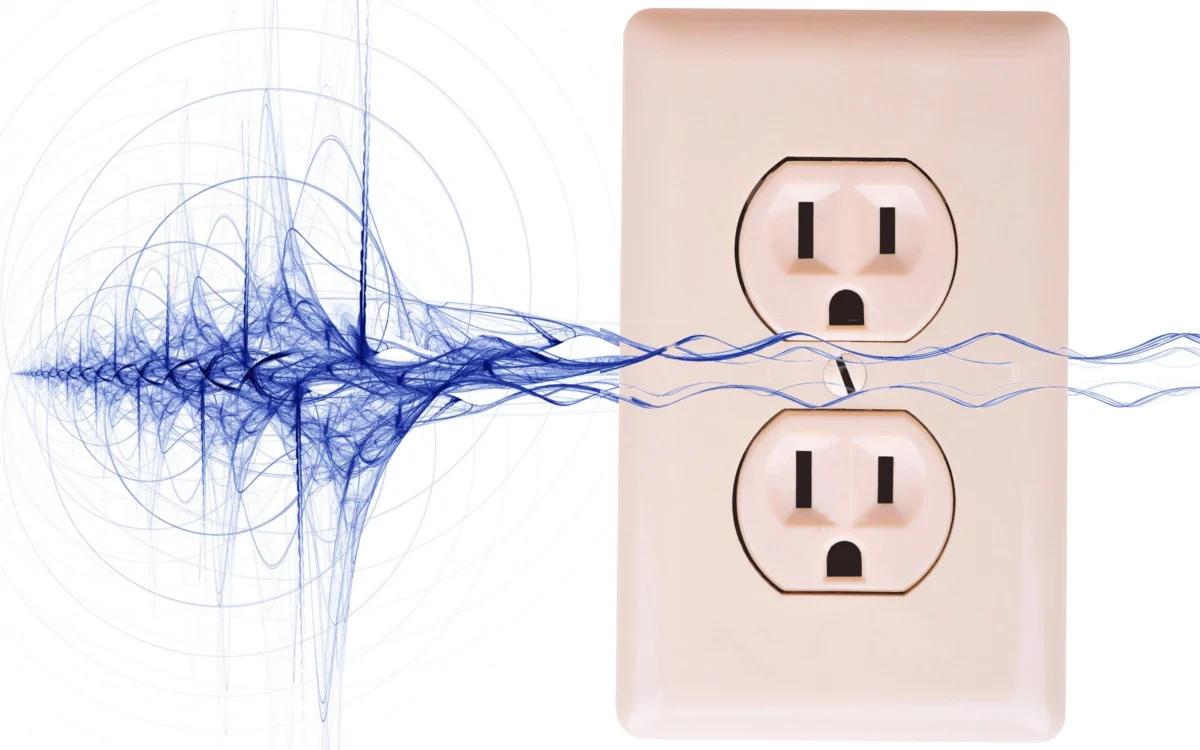
Beyond ground loops, the quality of the "raw" electricity entering a home is often compromised. Standard AC power is rarely a pure sine wave; it is frequently "dirty," populated by high-frequency spikes and electromagnetic interference (EMI) from other appliances. Devices equipped with motors, such as refrigerators, hair dryers, and vacuum cleaners, inject "noise" back into the circuit. Similarly, LED dimmer switches and failing fluorescent ballasts can create a rapid-fire switching noise that sensitive audio pre-amplifiers pick up and amplify.
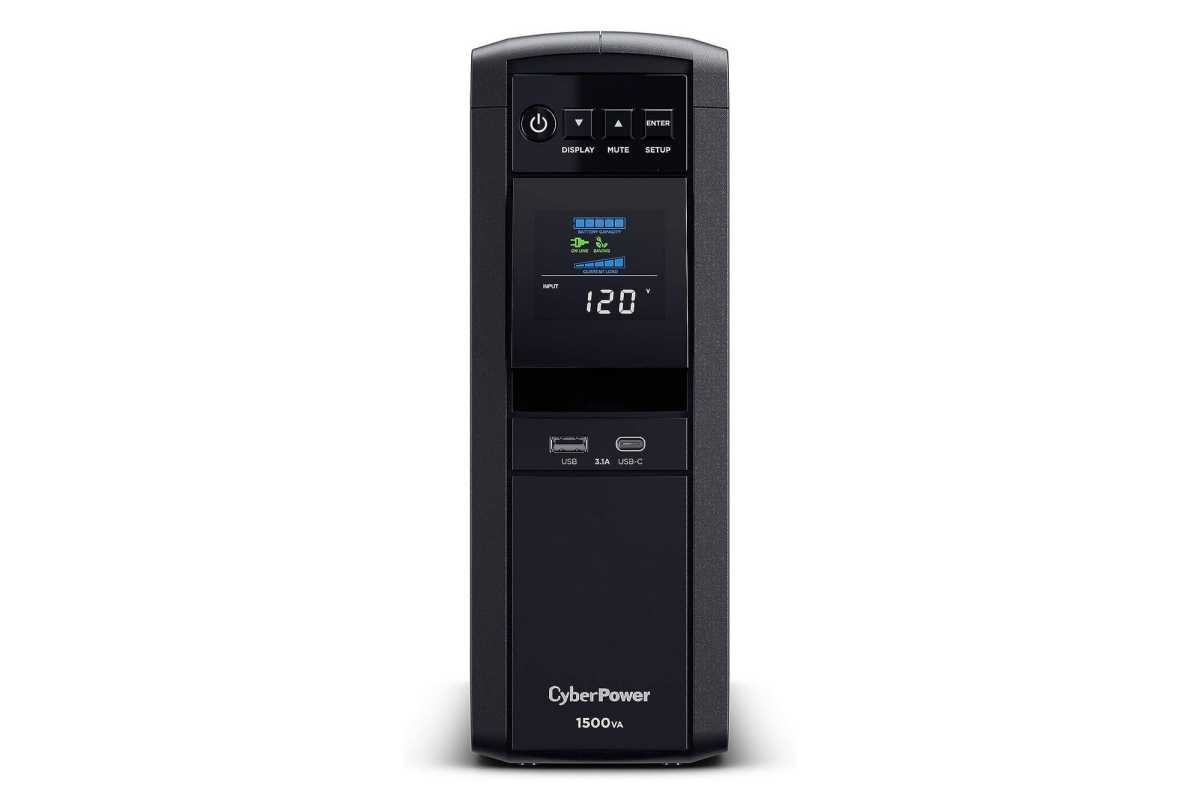
For audiophiles and home theater professionals, the solution often involves isolation transformers or line-interactive uninterruptible power supplies (UPS). A standard standby UPS only engages during a power failure, but a line-interactive model, such as the CyberPower CP1500PFCLCD, continuously regulates voltage and smooths the sine wave.

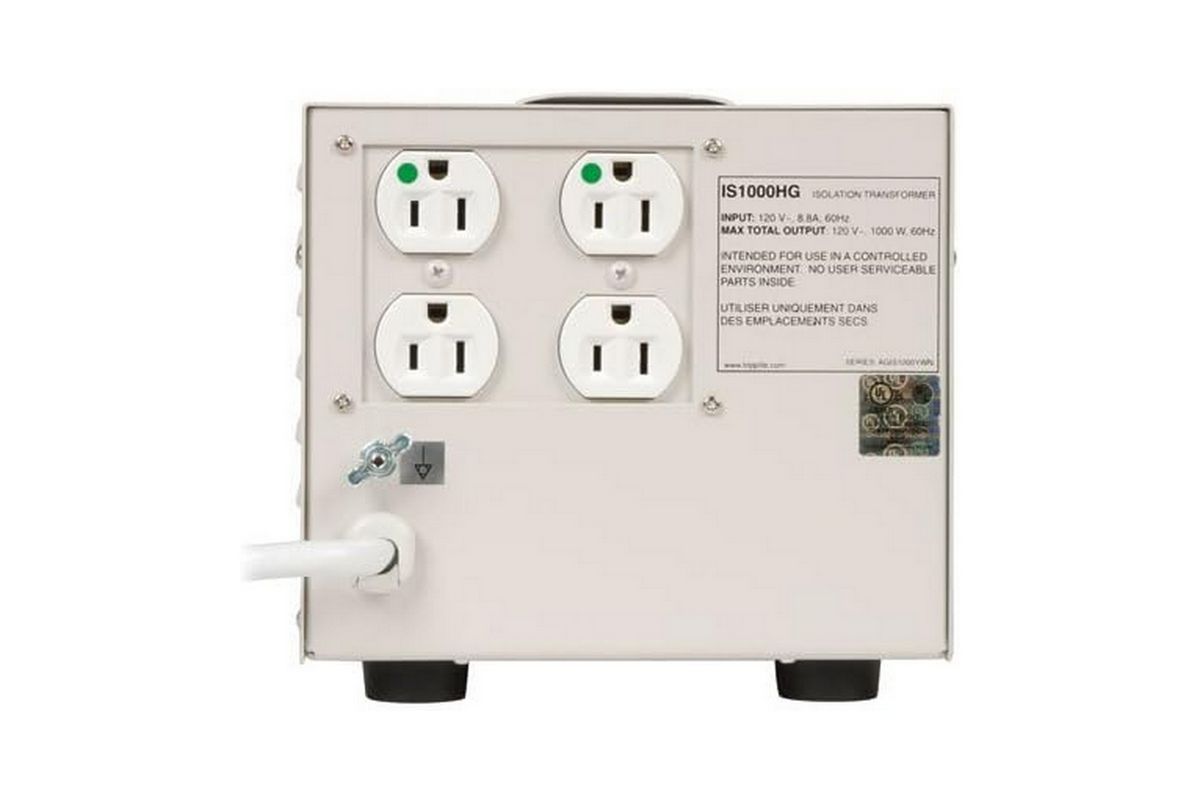
The "gold standard" for power purity is the isolation transformer. These devices, such as the Tripp Lite IS1000HG, are frequently used in medical environments to protect sensitive diagnostic equipment. They work by using a 1-to-1 ratio transformer to physically decouple the output power from the input line. Because the electricity is transferred via a magnetic field rather than a direct wire-to-wire connection, high-frequency noise and DC offsets are effectively scrubbed from the line, providing a "black" background for audio playback where no hiss or hum is audible even at high volumes.
The Science of Signal Cables: Shielding and Materiality
The cables connecting components are the most vulnerable points in any AV system. A common misconception in the consumer market is that more expensive metals, such as gold or platinum, inherently provide "better" sound. In reality, the primary benefit of gold plating on connectors is its resistance to oxidation, ensuring a reliable connection over decades. In terms of pure conductivity, silver remains the leader (105% on the IACS scale), followed by copper (100%), with gold trailing significantly behind (approximately 70%).
The real differentiator in cable performance regarding noise is shielding and geometry. Balanced audio cables, utilizing XLR or TRS (Tip-Ring-Sleeve) connectors, are the industry standard for noise rejection. They utilize two conductors carrying the same signal but with reversed polarity. When the signal reaches the receiving end, any noise that was picked up along the cable run is identical on both wires; the receiving circuit flips the polarity of one wire back, causing the noise to "cancel itself out" through a process known as common-mode rejection.
For unbalanced systems, such as standard RCA connections, physical placement is the most effective tool. Running signal cables parallel to AC power cords is a recipe for induction-based hum. If a signal cable must cross a power cord, it should do so at a 90-degree angle to minimize the magnetic coupling between the two.
Digital Interference: USB and HDMI Challenges
As home entertainment has transitioned to digital, a new category of noise has emerged. While digital signals are composed of ones and zeros, they are still transmitted as electrical voltages. USB and HDMI cables are susceptible to "bus noise" from a computer’s internal components. This often manifests as a high-pitched "chirping" or "whine" that changes when a mouse is moved or a processor is under heavy load.
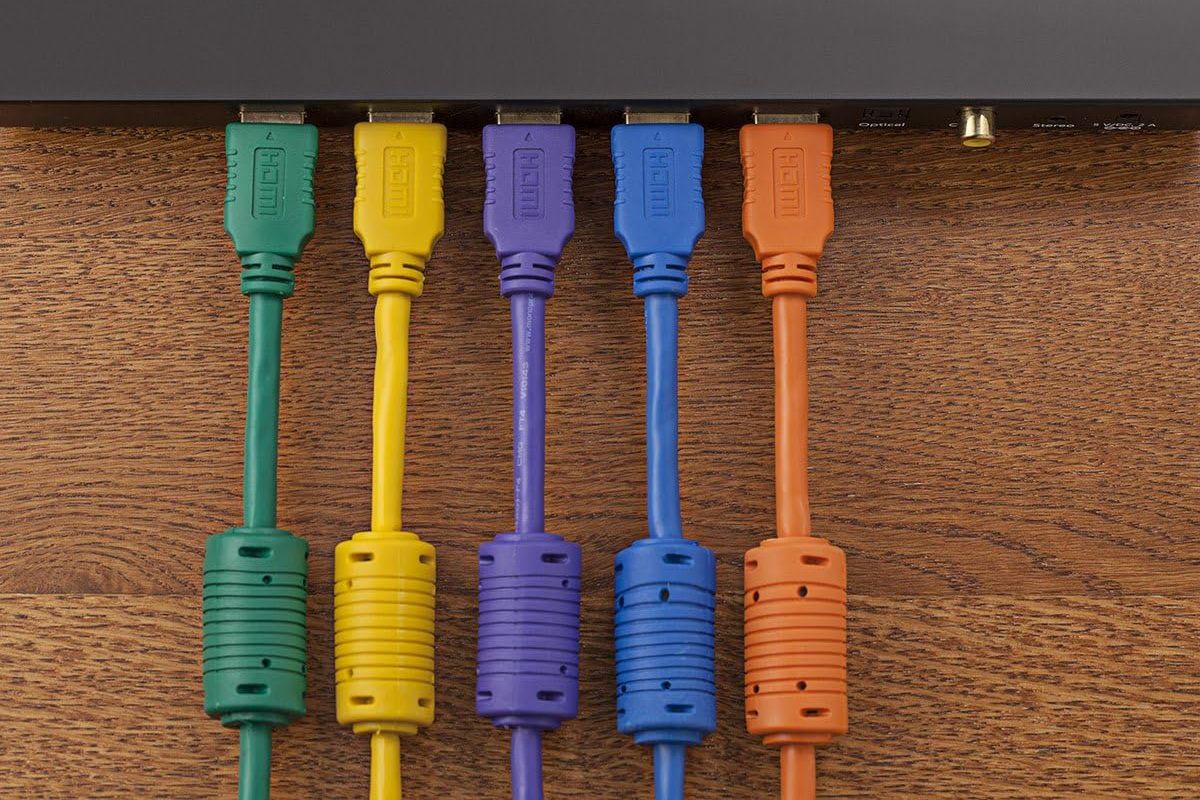
The inclusion of ferrite beads—those small plastic cylinders found on many high-quality cables—is a simple but effective countermeasure. These beads contain a ferrite ceramic that suppresses high-frequency electronic noise by dissipating it as a tiny amount of heat. For high-end external Digital-to-Analog Converters (DACs), users may also employ a "ground shunt," which involves running a separate, low-resistance ground wire between the chassis of the external device and the computer to provide a cleaner path for stray currents.
Radio Frequency Interference (RFI) in the Wireless Age
The modern home is saturated with RFI from smartphones, tablets, and smart home devices. Most modern electronics are housed in metal chassis to act as a Faraday cage, shunting external radio waves to the ground before they can reach internal circuitry. However, many "budget" components utilize plastic housings that offer zero protection against RFI.
In an environment where a Wi-Fi router or a cellular signal booster is placed in close proximity to a turntable or a tube amplifier, the RFI can be rectified by the internal components and turned into audible static or "beeping." The troubleshooting process for RFI is largely geographical: increasing the physical distance between the transmitter and the receiver is the most effective solution. Furthermore, ensuring that all unused inputs on an amplifier are capped with "shorting plugs" can prevent them from acting as miniature antennas that feed noise into the system.
Broader Impact and Industry Implications
The struggle against electrical noise has birthed a multi-billion dollar industry dedicated to power conditioning and high-fidelity cabling. While some products in this space are criticized as "snake oil," the underlying physics of electrical interference is undeniable. As residential power grids face increasing strain and "noise" from renewable energy inverters and smart meters, the demand for sophisticated power filtration in the home is expected to rise.
For the consumer, the path to a silent system is one of elimination. By starting with a single power source, utilizing balanced connections where possible, and ensuring proper cable management, the vast majority of audio and video artifacts can be resolved without significant capital investment. The goal of any high-fidelity system is to disappear, leaving only the "joyful noise" of the media itself—a feat that is only possible when the invisible electrical environment is brought under control. Professionals suggest that before replacing hardware, a user should invest in a $20 ground loop isolator or a $15 pack of ferrite beads; often, these minor adjustments provide the most significant leap in performance.