The landscape of mobile accessory manufacturing has long been dominated by two competing philosophies: the rugged, utilitarian armor designed to survive extreme impacts, and the ultra-thin, aesthetic-focused skin. Dbrand, a company historically synonymous with bold, high-contrast visual skins and a confrontational, irreverent marketing persona, has officially entered the latter market segment with the introduction of "MNML." This new sub-brand represents a strategic pivot for the company, moving away from its signature "flashy" aesthetic toward a design language defined by simplicity, tactile ergonomics, and premium material refinement. The product line is launching specifically to coincide with the rollout of Google’s Pixel 11 Pro and Pro XL devices.
![Hands-on: Dbrand’s MNML Pixel 11 Pro cases are simply good, and that’s the point [Gallery]](https://9to5google.com/wp-content/uploads/sites/4/2026/09/dbrand-mnml-pixel-11-pro-9.jpg?quality=82&strip=all&w=1600)
Strategic Market Positioning and Design Philosophy
The introduction of the MNML series marks a notable departure for Dbrand. While the company has built its reputation on precision-cut vinyl skins—which offer scratch protection without structural bulk—it has previously relied on third-party partnerships or specific, heavy-duty case designs for more comprehensive device protection. The MNML case serves as an internal bridge between these two worlds.
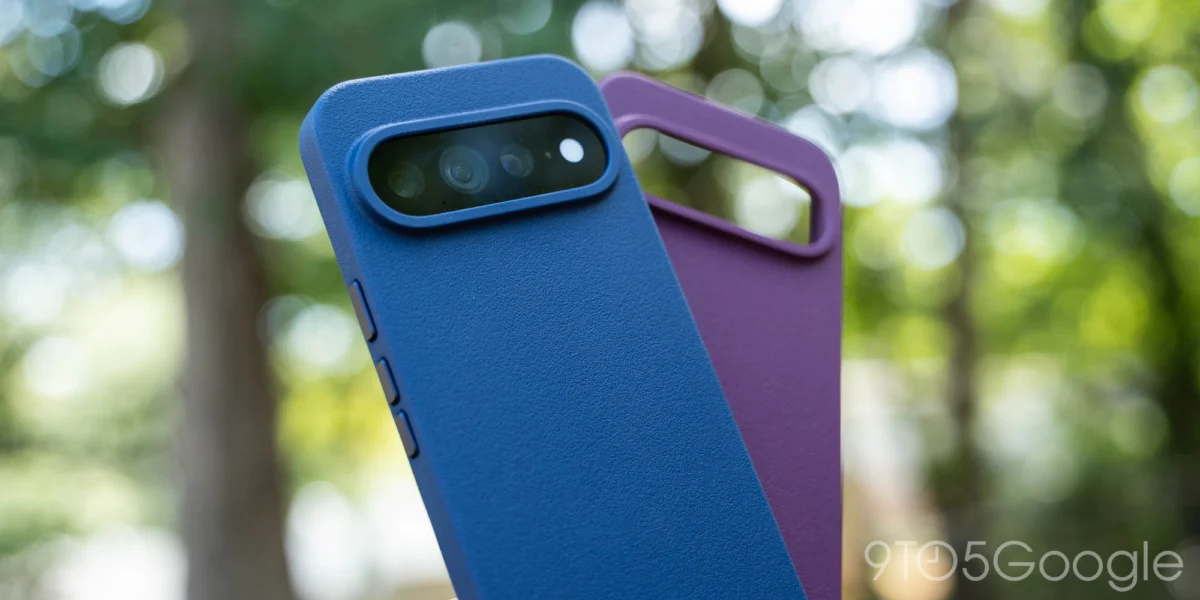
By utilizing a specialized polymer material with a distinct, rough-hewn texture, the company is targeting a demographic that values grip and device preservation without the excessive weight typical of "mil-spec" cases. The design is intentionally restrained. Branding is kept to a near-invisible minimum, with only the four letters of the brand name embossed on the side. The metallic finish applied to the button covers serves as the only visual contrast to the matte, textured polymer, offering a subtle hint of industrial sophistication.
![Hands-on: Dbrand’s MNML Pixel 11 Pro cases are simply good, and that’s the point [Gallery]](https://9to5google.com/wp-content/uploads/sites/4/2026/09/dbrand-mnml-pixel-11-pro-8.jpg?quality=82&strip=all&w=800)
Technical Specifications and Ergonomic Considerations
The MNML line is available in four colorways: black, navy, tan, and burgundy. These muted tones are selected to align with the current trend in consumer electronics toward earth-toned and professional palettes. From an engineering standpoint, the case features a form-fitting construction that leverages the specific geometry of the Pixel 11 Pro series.
One of the most critical aspects of the case’s design is the refinement of the button feedback. The metallic buttons provide a tactile, "clicky" response that mirrors the mechanical feel of the underlying phone hardware. However, internal testing and early user feedback suggest that while the buttons are highly responsive, the uniform, chunky geometry of the button covers can occasionally lack the distinct tactile differentiation required for users to identify the power button from the volume rocker by touch alone.
![Hands-on: Dbrand’s MNML Pixel 11 Pro cases are simply good, and that’s the point [Gallery]](https://9to5google.com/wp-content/uploads/sites/4/2026/09/dbrand-mnml-pixel-11-pro-1.jpg?quality=82&strip=all&w=800)
Furthermore, the integration of magnetic components is a significant feature. The built-in magnetic array for accessory compatibility is exceptionally strong—notably exceeding the strength of the stock magnetic integration found natively in the Pixel 11 Pro hardware. This ensures compatibility with a growing ecosystem of magnetic chargers, wallets, and car mounts, a feature that has become standard for high-end mobile accessories in the post-MagSafe era.
Comparative Analysis: The Evolution of the Thin Case
To understand the placement of the MNML case in the current market, one must look at the evolution of the "thin case" category. For years, the Spigen Thin Fit served as the industry benchmark for this segment—a baseline for what a minimalist, low-profile protective case should offer. The MNML case occupies a similar conceptual space but aims for an "upgraded" status.
![Hands-on: Dbrand’s MNML Pixel 11 Pro cases are simply good, and that’s the point [Gallery]](https://9to5google.com/wp-content/uploads/sites/4/2026/09/dbrand-mnml-pixel-11-pro-4.jpg?quality=82&strip=all&w=800)
Where legacy thin cases often utilized smooth, polycarbonate plastics that could become slippery over time or exhibit signs of wear, the MNML polymer offers a higher friction coefficient. This addresses the frequent criticism directed at manufacturers like Google and Samsung, whose own first-party cases have occasionally been criticized for being overly slick, leading to an increased risk of drops. By opting for a more textured surface, Dbrand is prioritizing functional utility over the purely aesthetic glossy finishes that have dominated the market for the better part of a decade.
The Broader Implications for the Pixel Ecosystem
The launch of the MNML series also highlights the changing hardware landscape of the Google Pixel line. With the removal of the physical SIM tray in recent flagship iterations, the necessity for case manufacturers to account for side-port access has vanished. This change has allowed designers to create more rigid, cohesive structures that provide better structural integrity along the edges of the device.
![Hands-on: Dbrand’s MNML Pixel 11 Pro cases are simply good, and that’s the point [Gallery]](https://9to5google.com/wp-content/uploads/sites/4/2026/09/dbrand-mnml-pixel-11-pro-5.jpg?quality=82&strip=all&w=800)
Dbrand’s move into this space is not without irony. The company has recently faced criticism from the enthusiast community regarding its full-coverage skins, which, due to the wrapping nature of the adhesive, render the SIM tray inaccessible. The MNML case sidesteps this issue entirely, offering a "clip-on" design that is easily removable, thereby providing a more versatile user experience than the permanent, skin-based solutions that defined the company’s earlier years.
Pricing, Availability, and Economic Context
The MNML line enters the market at a price point of $40 per unit. In the broader context of the mobile accessory market, this places the case in the "premium" tier for simple shells. While generic TPU cases can be acquired for a fraction of the cost, the MNML pricing reflects the inclusion of the magnetic array, the specific material science behind the textured polymer, and the brand cachet associated with Dbrand.
![Hands-on: Dbrand’s MNML Pixel 11 Pro cases are simply good, and that’s the point [Gallery]](https://9to5google.com/wp-content/uploads/sites/4/2026/09/dbrand-mnml-pixel-11-pro-6.jpg?quality=82&strip=all&w=800)
To incentivize volume, the company has implemented a tiered pricing structure that offers discounts for multiple purchases. This strategy is designed to capture users who may want to color-coordinate their device with different outfits or environments. While the price may be considered high by some consumers, market trends indicate that users are increasingly willing to pay a premium for accessories that do not compromise the original industrial design of their high-end smartphones.
Industry Impact and Future Outlook
The launch of MNML is a clear indicator that the "maximalist" aesthetic—characterized by neon colors, extreme drop protection, and aggressive branding—is seeing a contraction in favor of "stealth" or minimalist design. As smartphones become more expensive and their design language more refined, consumers are seeking protective solutions that function as an extension of the phone rather than an obstruction to it.
![Hands-on: Dbrand’s MNML Pixel 11 Pro cases are simply good, and that’s the point [Gallery]](https://9to5google.com/wp-content/uploads/sites/4/2026/09/dbrand-mnml-pixel-11-pro-3.jpg?quality=82&strip=all)
For Dbrand, this expansion is a calculated risk. By diversifying into a more subtle product line, the company is attempting to capture a broader market segment that may have previously been alienated by its boisterous public persona. If the MNML line succeeds, it could set a new standard for how accessory manufacturers approach the "thin case" segment, forcing competitors to prioritize material quality and tactile feedback over the race to the bottom in terms of pricing.
Summary of Key Features
- Material Science: A high-durability, textured polymer designed to maximize grip without adding significant thickness.
- Magnetic Integration: Enhanced magnetic arrays that provide superior connection strength for wireless accessories compared to native device hardware.
- Aesthetic Palette: Four professional-grade colors (black, navy, tan, and burgundy) designed to complement the Pixel 11 Pro’s aesthetic.
- Precision Engineering: Cutouts tailored to the exact specifications of the Pixel 11 Pro and Pro XL, leveraging the absence of a physical SIM tray for improved edge rigidity.
- Tactile Response: Metallic button covers designed for high-fidelity physical feedback.
The transition of a brand like Dbrand from a niche skin manufacturer to a producer of full-scale hardware accessories is a reflection of the maturation of the smartphone peripheral market. As Google continues to refine the hardware of the Pixel 11 Pro series, the accessory ecosystem is evolving in lockstep, focusing on precision, utility, and the subtle integration of protective elements into the user’s daily workflow. Whether the MNML brand can sustain its growth will depend on its ability to maintain the build quality of this initial launch across future product cycles, but as it stands, the product offers a compelling alternative for those who wish to protect their investment without the burden of excessive bulk.