
In a significant move that underscores its deepening commitment to integrated consumer experiences and financial services, Samsung today announced the launch of the Galaxy Card, its first branded credit card in the U.S. The reveal came amidst a flurry of product announcements at the highly anticipated Galaxy Unpacked event on July 22, positioning the financial product as a pivotal extension of the Samsung ecosystem. Designed to reward user loyalty and integrate seamlessly with the company’s digital wallet, the Galaxy Card is now available for application, marking Samsung’s official entry into the competitive credit card market.
The introduction of the Galaxy Card represents a strategic evolution for Samsung, moving beyond hardware and software into the realm of financial services. This initiative aligns with a broader industry trend where technology giants are increasingly leveraging their vast user bases and digital platforms to offer banking and payment solutions. The card, developed in partnership with Barclays U.S. Consumer Bank and operating on the robust Visa network, promises a "new way for users to earn cash rewards across everyday purchases and the Galaxy ecosystem," according to Samsung’s official press release. Available in both a virtual format and as a premium black metal physical card, it is engineered for full compatibility with Samsung Wallet, enhancing the user’s digital payment experience.
The Genesis of a Financial Offering: From Rumors to Reality
The journey towards the Galaxy Card has been unfolding for some time, with industry speculation preceding today’s official confirmation. Reports late last year hinted at Samsung’s interest in launching its own credit card in the U.S., with Barclays frequently cited as a potential partner. These early rumors, often referring to it as the "Samsung Card," suggested a product designed to offer cashback on Samsung devices and appliances, alongside potential "digital prepaid accounts." The consistent reporting indicated Samsung’s strategic intent to rival offerings from competitors, most notably the Apple Card, which has carved out a niche in the tech-branded financial product space since its 2019 launch. The alignment of these rumors with the final product’s features and partnership structure underscores a deliberate and well-planned foray into financial services by the South Korean conglomerate. The timing of the announcement, coinciding with the high-profile Galaxy Unpacked event that showcased new smartwatches, foldables, and other innovations, was meticulously chosen to maximize visibility and integrate the financial product into Samsung’s broader narrative of technological advancement and consumer convenience.
Unpacking the Galaxy Card: Features, Rewards, and Benefits
At the core of the Galaxy Card’s appeal is its reward structure, meticulously crafted to incentivize engagement within Samsung’s extensive product and service ecosystem. A significant highlight is the offer of 5% cash rewards on eligible purchases made directly with Samsung. This substantial cashback rate on first-party purchases positions the card as a compelling option for loyal Samsung customers who frequently upgrade their devices, purchase accessories, or invest in Samsung’s wide array of home appliances and electronics.
Beyond direct purchases, the card extends its value proposition to the Samsung VIP Advantage program. Cardholders could receive 20% off Samsung VIP Advantage membership, along with an additional 5% cash rewards when purchasing or renewing a Samsung VIP Advantage membership. This dual benefit not only encourages enrollment in Samsung’s premium loyalty program but also provides ongoing value for existing members. While the press release specifically detailed these high-value rewards, it also alluded to "remaining cash rewards" for other categories, implying a tiered or general cashback rate for everyday spending outside the Samsung ecosystem. Typically, such general-purpose rewards on co-branded cards range from 1% to 2% on all other purchases, making the overall value proposition dependent on the specifics of these yet-to-be-detailed tiers. A key attraction for consumers is the $0 annual fee, making the card accessible without an additional yearly cost, a common competitive strategy in the cash rewards credit card segment.
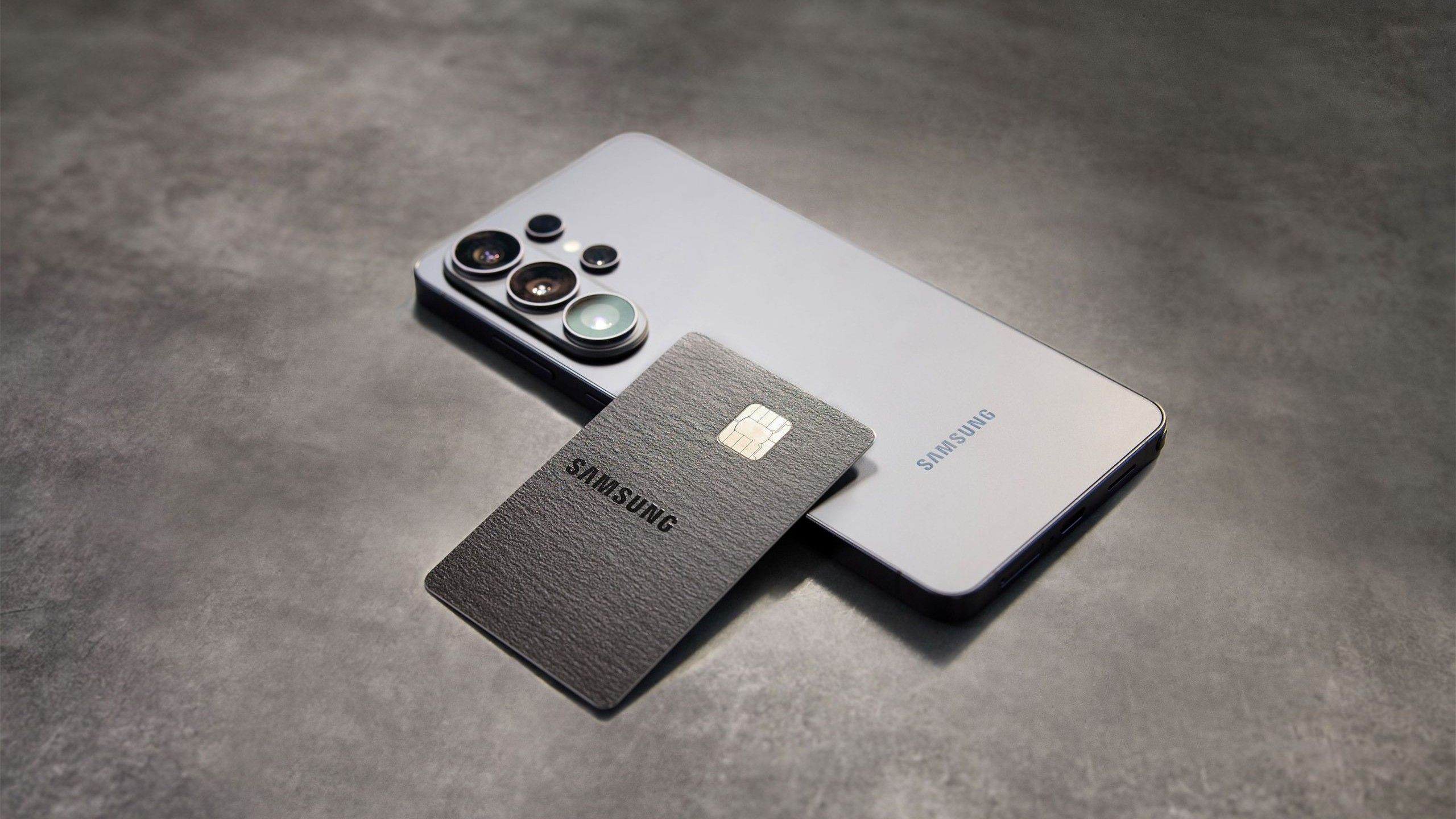
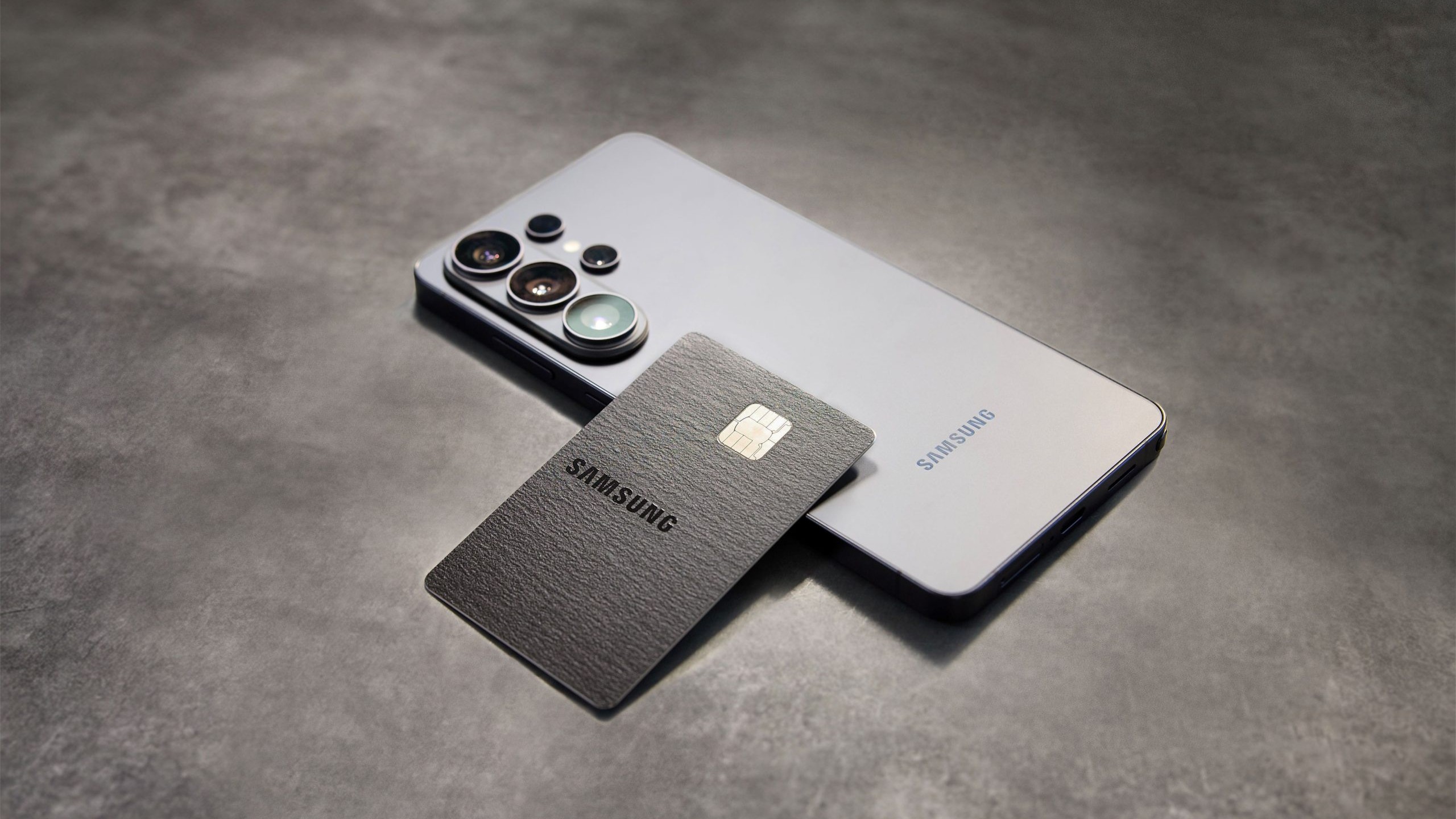
The physical manifestation of the card itself is noteworthy. Samsung is offering the Galaxy Card in a sleek, premium black metal design, a choice that mirrors the aesthetic appeal and perceived exclusivity often associated with high-end financial products, much like its competitor, the Apple Card. This design choice, coupled with the availability of a virtual card, caters to both traditional preferences for physical cards and the growing demand for digital-first payment solutions. The card’s design and digital integration are clearly aimed at a tech-savvy demographic that values both form and function in their financial tools.
A Strategic Alliance: Barclays U.S. Consumer Bank and Visa
The success of any co-branded credit card heavily relies on the strength and expertise of its financial partners. Samsung’s collaboration with Barclays U.S. Consumer Bank and Visa is a testament to this principle. Barclays, a global financial services powerhouse with a significant presence in the U.S. credit card market, brings extensive experience in card issuance, customer service, and risk management. This partnership provides Samsung with the necessary infrastructure and regulatory compliance expertise to navigate the complex landscape of consumer finance. Barclays’ track record with other co-branded cards suggests a robust operational framework for the Galaxy Card, ensuring reliable service and secure transactions for cardholders.
Visa, as one of the world’s leading digital payment networks, offers unparalleled global acceptance. By leveraging the Visa network, the Galaxy Card ensures that cardholders can use their virtual or physical card virtually anywhere Visa is accepted, both domestically and internationally. This broad acceptance is crucial for a general-purpose credit card and significantly enhances its utility beyond the Samsung ecosystem. The partnership with Visa also typically includes access to various cardholder benefits and security features inherent to the Visa network, further bolstering the Galaxy Card’s overall value proposition and security posture. This tripartite alliance positions the Galaxy Card as a fully functional, globally accepted credit card backed by established financial institutions, rather than merely a niche loyalty tool.
Seamless Integration with Samsung Wallet: The Digital Frontier
A cornerstone of the Galaxy Card’s design is its deep integration with Samsung Wallet. This synergy is critical for Samsung’s ecosystem strategy, aiming to create a cohesive and convenient digital experience for its users. Samsung Wallet, which has evolved from Samsung Pay, consolidates various digital assets including payment cards, loyalty programs, digital keys, and even crypto assets. The Galaxy Card is designed to fully support this platform, allowing users to effortlessly manage their card, track rewards, view transaction history, and make payments directly from their Samsung devices.
This integration goes beyond mere functionality; it aims to enhance user engagement and stickiness within the Samsung ecosystem. By making the Galaxy Card a central component of Samsung Wallet, the company encourages users to rely more heavily on their Samsung devices for everyday financial interactions. This approach not only streamlines the payment process but also leverages the security features inherent in Samsung devices, such as Knox security, to protect sensitive financial data. The virtual card option, accessible immediately upon approval, further underscores this digital-first approach, allowing users to start making purchases even before a physical card arrives. This seamless digital experience is a key differentiator and a significant draw for a tech-savvy consumer base accustomed to instant access and integrated services.
Navigating the Competitive Landscape: A Tech Giant’s Financial Battleground
The launch of the Galaxy Card thrusts Samsung into a highly competitive financial services arena, particularly against its arch-rival, Apple. The Apple Card, launched in 2019 in partnership with Goldman Sachs and Mastercard, set a precedent for tech companies offering their own credit cards with a strong emphasis on digital integration, transparent rewards, and a sleek, minimalist design. The Galaxy Card’s features, particularly its premium metal design, integration with Samsung Wallet, and focus on ecosystem rewards, directly parallel many aspects of the Apple Card.
While Apple Card offers 3% cashback on Apple purchases, 2% on Apple Pay purchases, and 1% on all other purchases, Samsung’s 5% on direct Samsung purchases is a more aggressive offer for its specific ecosystem. This indicates Samsung’s strategy to capture high-value purchases within its own brand. Beyond Apple, other tech giants have also dabbled in financial services. Google offers Google Pay and has explored banking partnerships, while Amazon has a long-standing tradition of co-branded credit cards with attractive rewards for its e-commerce platform. The competitive landscape also includes traditional banks and fintech companies, all vying for consumer wallet share with diverse reward programs, sign-up bonuses, and low-interest offers.
Samsung’s entry signifies a broader trend: tech companies are no longer content to just facilitate payments; they want to own the financial relationship. This shift is driven by the desire for deeper customer loyalty, access to valuable transaction data, and the potential for new revenue streams. The challenge for Samsung will be to differentiate the Galaxy Card sufficiently to attract users away from established credit card relationships and convince them of its unique value proposition, especially for those not exclusively tied to the Samsung ecosystem.
Samsung’s Broader Ecosystem Strategy and Industry Implications
The Galaxy Card is more than just a credit card; it’s a critical piece in Samsung’s overarching strategy to fortify and expand its ecosystem. By offering a financial product that deeply integrates with its devices and services, Samsung aims to create a more compelling and sticky user experience. This strategy mirrors that of other tech giants like Apple, Amazon, and Google, who seek to "lock in" customers by providing a comprehensive suite of interconnected products and services. The benefits extend beyond direct revenue from credit card transactions; it fosters greater brand loyalty, encourages increased purchases of Samsung products, and provides valuable data insights into consumer behavior (within strict privacy guidelines and agreements with partners).
From an industry perspective, Samsung’s move signals a continued blurring of lines between technology and finance. This "financialization of tech" trend is driven by several factors:
- Customer Data: Transaction data offers immense value for personalized marketing and product development.
- Customer Loyalty: Proprietary financial products can significantly increase customer retention.
- New Revenue Streams: Diversifying beyond hardware sales into recurring service revenues.
- Enhanced User Experience: Seamless integration of payments into daily digital life.
Expert analysis on such moves often highlights the potential for market disruption. While traditional banks face competition, they also find new opportunities in partnering with tech companies, as seen with Barclays and Visa. Consumers, in turn, benefit from more choice and potentially more tailored reward programs. However, concerns regarding data privacy, security, and the potential for a few dominant tech companies to control vast swathes of consumer data and financial activity remain pertinent topics of discussion among regulators and consumer advocates.
Challenges and Opportunities for Adoption
Despite the robust features and strategic backing, the Galaxy Card faces several challenges in achieving widespread adoption. The credit card market is saturated, and consumers often have established relationships with multiple issuers. Convincing them to add another card, particularly one primarily tied to a single brand ecosystem, requires a strong incentive. The "remaining cash rewards" for non-Samsung purchases will be crucial in determining its appeal as an everyday card versus a niche loyalty card.
Furthermore, building trust in a new financial product from a tech company, even one as reputable as Samsung, takes time. While Samsung has a strong brand, its financial services arm is still nascent compared to centuries-old banking institutions. Security and customer service will be paramount in fostering consumer confidence.
However, the opportunities are significant. Samsung commands a massive global market share in smartphones, TVs, and appliances. Its loyal customer base, particularly in the U.S., provides a fertile ground for initial adoption. The integration with Samsung Wallet, a platform already used by millions, offers a natural on-ramp for new cardholders. If Samsung can effectively communicate the card’s value, especially the high cashback on its own products and the convenience of digital integration, it has the potential to carve out a substantial segment within the co-branded credit card market. The launch of the Galaxy Card is not just about offering a new payment method; it’s about solidifying Samsung’s position as a lifestyle brand that caters to every aspect of its users’ digital and financial lives.