
Capturing the ephemeral beauty of smoke and fog is a specialized discipline within photography that demands a precise intersection of lighting, environmental control, and post-production dexterity. While smoke is inherently unpredictable, the transition from amateur snapshots to professional-grade textures relies on systematic techniques that govern how light interacts with particulate matter. Because smoke behaves as a volatile subject—shifting rapidly with the slightest air current—photographers must employ specific gear and rigorous methodologies to achieve consistent, usable results. This guide examines the technical requirements and industry-standard workflows for executing high-quality smoke photography.

The Technical Foundation of Smoke Photography
The primary challenge in photographing smoke lies in its transparency and fluid movement. To achieve high-contrast, sharp images suitable for digital compositing, photographers must treat the smoke as a physical object requiring distinct lighting. Industry professionals generally rely on a telephoto zoom lens, such as a 70-200mm f/2.8, to provide the necessary reach and compression. This allows for precise control over composition without the need for the photographer to physically intrude upon the delicate air currents around the smoke source.

A critical, often overlooked element in this process is the background. A pure black background is essential to facilitate efficient post-processing. When the background is not truly black, the blending of smoke textures into primary images becomes labor-intensive, often requiring complex masking that can degrade the quality of the final composite. Photographers typically use non-reflective, light-absorbing black velvet or matte-painted backdrops to ensure a clean, high-contrast separation.

Lighting Strategies and Equipment
Lighting for smoke requires a departure from traditional portrait or product lighting. A studio strobe is preferred over a compact hot-shoe flash to ensure consistent illumination across the entire frame. Hot spots—areas of uneven brightness—can ruin the texture of the smoke, making it appear thin or poorly defined.

Professional workflows dictate the use of a strip box equipped with a grid. The strip box provides a vertical, elongated light source that illuminates the smoke from the side rather than the front. Side lighting is crucial; front-on lighting flattens the smoke, stripping it of its three-dimensional volume and intricate detail. By lighting from the side, the light catches the particulate matter, highlighting the texture and depth of the wisps. The grid attached to the strip box serves as a light-shaping tool that prevents light spill, which could otherwise hit the lens and create unwanted flare or wash out the black background.

The Role of Flash Duration
In high-speed photography, flash duration—the total time the flash unit emits light—is as critical as the camera’s shutter speed. Smoke is a rapidly moving subject. If the flash duration is too long, the motion of the smoke will be recorded as blur. While the camera shutter speed manages ambient light, the flash duration dictates the "frozen" quality of the subject. Photographers should aim for a flash with a short duration, particularly when firing at lower power settings, to ensure the smoke remains crisp and sharp.

Environmental Control: Indoors vs. Outdoors
The choice of location for smoke photography is dictated by the desired output. Environmental smoke, often generated by heavy-duty fog machines for artistic effect, is best captured in controlled outdoor settings. This allows for the rapid dissipation of the fog, preventing the buildup of haze that would interfere with subsequent shots.

Conversely, fine smoke effects—such as those captured from incense or matches for the purpose of creating digital brushes or overlays—require a strictly controlled indoor environment. Even minor air currents, such as those caused by walking past the subject or operating an air conditioning unit, can cause the smoke to lose its structural integrity. Indoor studios provide the stable, stagnant air necessary to manipulate the smoke’s path for artistic intent.

Post-Processing and Digital Asset Management
Once the raw images are captured, the transition to a professional-grade asset involves a rigorous workflow in software like Adobe Lightroom or Photoshop. Because smoke is unpredictable, photographers often shoot with a wider frame than necessary, requiring significant cropping. This reality underscores the need for high-resolution sensors; a 24-megapixel sensor or higher is recommended to maintain image fidelity after substantial cropping.
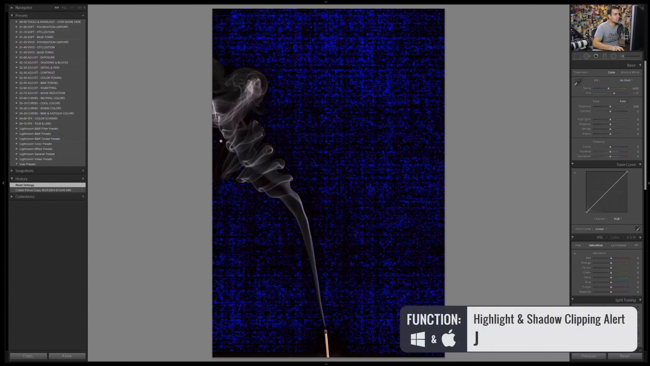
The editing process typically involves the following steps:
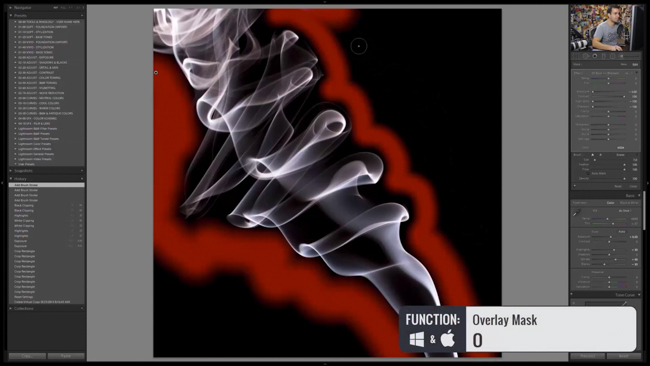
- Initial Calibration: Adjusting the exposure and contrast to ensure the background is absolute black and the smoke is rendered in crisp, clean whites and grays.
- Clipping Mask Analysis: Using histogram-based clipping warnings to ensure that no unwanted detail exists in the black areas and that highlights are appropriately rendered.
- Detail Enhancement: Applying noise reduction to achieve a silky, smooth appearance, while avoiding over-sharpening, which can introduce digital artifacts into the delicate smoke structure.
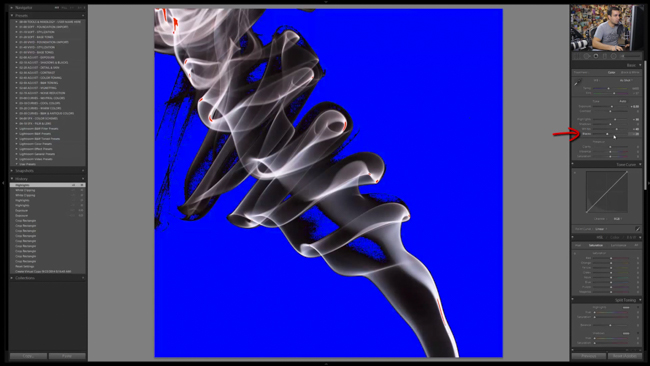
- Colorization: Utilizing tools like tone curves and split toning to transform neutral smoke into vibrant, color-graded assets. By using virtual copies, photographers can apply different color schemes—such as Crimson, Teal, or Azure—to the same base smoke texture, creating a versatile library of assets for future composite work.
Broader Industry Implications
The demand for high-quality smoke and fog textures has grown in tandem with the rise of digital compositing in commercial photography and fine art. Professionals in industries ranging from advertising to cinematography rely on these assets to add atmospheric depth to scenes. The development of standardized "texture packs" and libraries reflects an industry-wide shift toward efficiency. Rather than re-creating smoke effects for every project, photographers now curate personal or commercial libraries of high-resolution, transparent-ready smoke images.
Conclusion
Photographing smoke is a discipline that rewards patience and technical foresight. By moving away from trial-and-error approaches and toward a structured, lighting-dependent methodology, photographers can consistently capture complex, high-resolution textures. Whether utilized for fine art prints or integrated into complex digital composites, the ability to control smoke is a valuable skill that elevates the atmospheric quality of any photographic work. As sensor technology continues to advance, the ability to crop and manipulate these fleeting shapes will only become more refined, further cementing the role of smoke photography as a foundational element of modern visual storytelling.