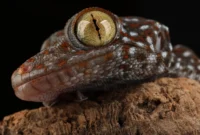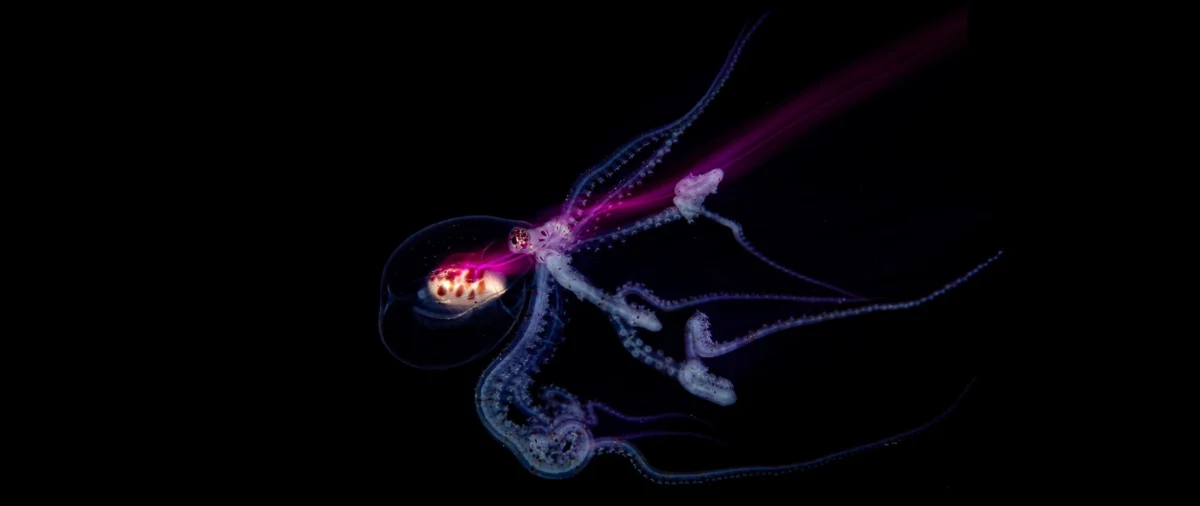
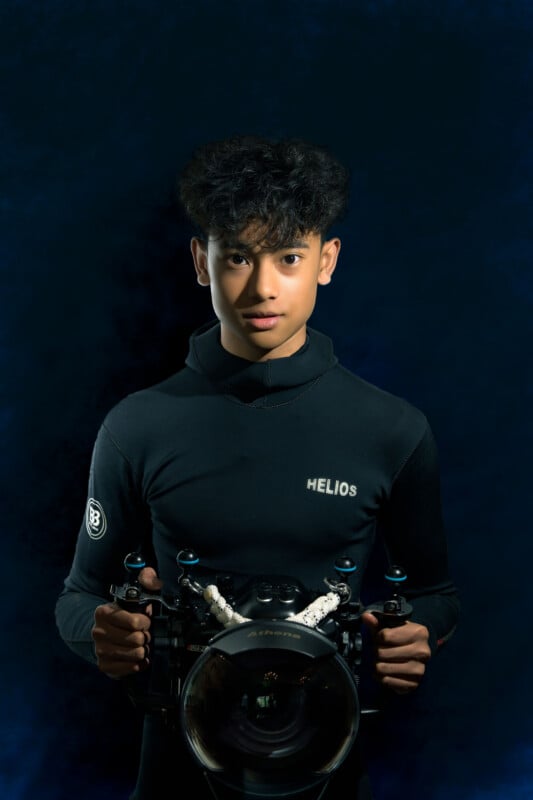
Thailand’s own 14-year-old prodigy, Panitbhand Paribatra, known affectionately as Pari, has once again captured the world’s attention by securing the coveted Project // 21 category in the highly esteemed Hasselblad Masters 2026 photo contest. This remarkable achievement marks a significant milestone in the young photographer’s already impressive career, which has been characterized by a rapid ascent and a string of prestigious accolades. Pari’s latest triumph not only solidifies his status as a formidable talent in the competitive field of underwater photography but also underscores his unique vision and technical prowess at an age when many are still developing their foundational skills.
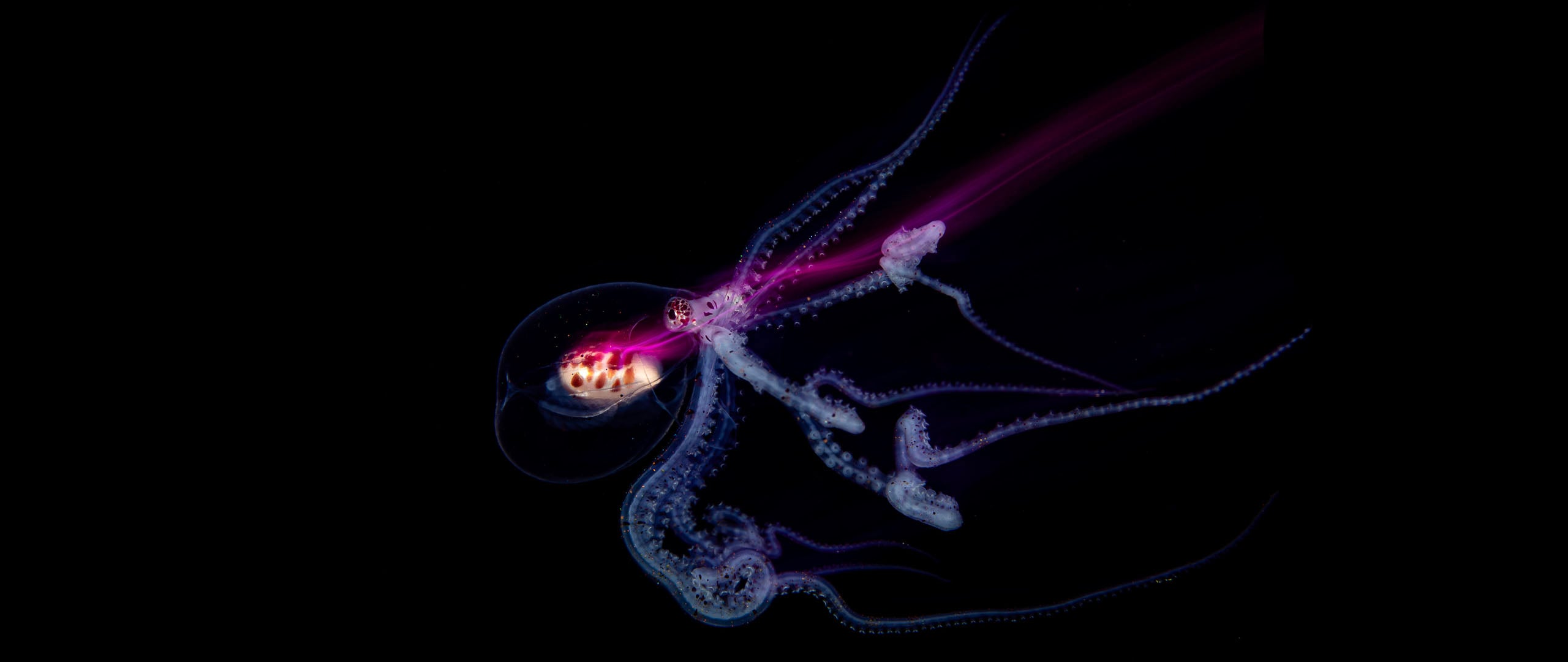
The Hasselblad Masters competition is renowned globally for its rigorous selection process and its ability to identify and celebrate photographic excellence across various disciplines. The Project // 21 category, specifically designed for photographers aged 21 and under, serves as a crucial platform for emerging talent. Pari’s victory in this demanding category, competing against a global pool of exceptionally skilled young artists, is a testament to his dedication, creativity, and deep understanding of his craft. This award is not an isolated incident; Pari has previously been recognized as Photographer of the Year Under-18 by the Shark Trust and received a Commendation at the Siena Awards, signaling a consistent trajectory of excellence.
A Journey Beneath the Waves: From Beginner’s Curiosity to Award-Winning Vision
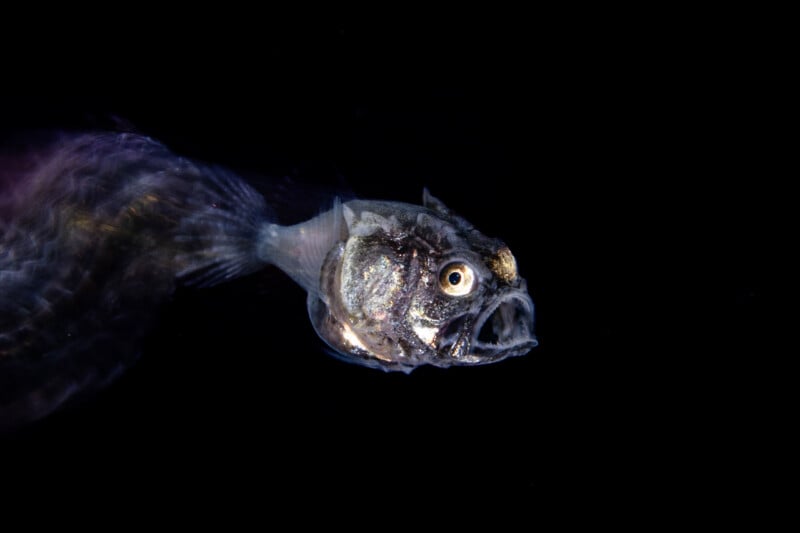
Pari’s foray into underwater photography began with a simple, yet profound, fascination with the ocean. "I have always liked the ocean, spending time in the ocean," Paribatra shared in an exclusive interview with PetaPixel. "Long before I started diving, I knew I had to do something to pay back what the ocean gave to me." This intrinsic motivation fueled his passion, leading him to pursue scuba diving as soon as he was legally permitted, at the tender age of 10. His early dives were documented with an action camera, a modest beginning that soon evolved as he recognized the potential for more profound storytelling through photography.
"I always had an action camera," Pari recalled. "I just thought I would record what happened out there." However, the initial results were far from satisfactory. "When my first photos were ‘really bad,’ he admitted with a laugh, "I had to improve. Then it went on, and I started really liking it." This early determination to refine his skills became a driving force, pushing him to master the intricacies of capturing compelling images beneath the surface.
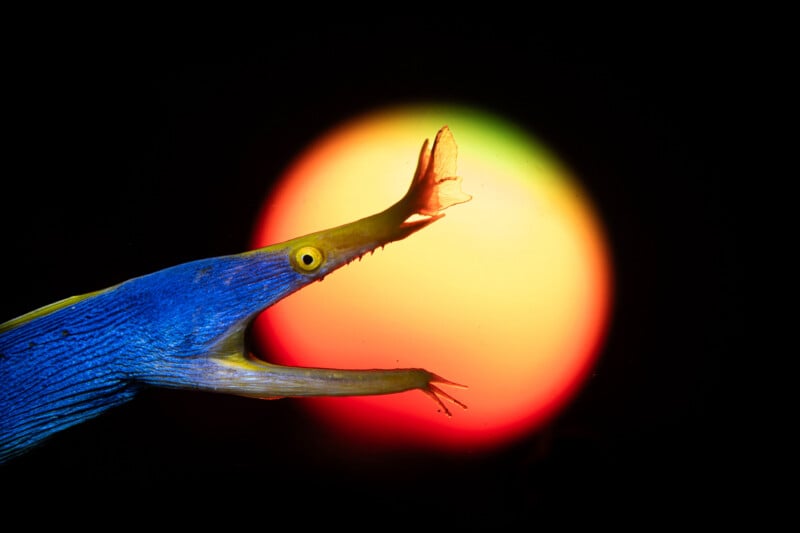
His progression was swift, marked by the acquisition of advanced diving certifications, including a rescue diver qualification shortly after earning his initial scuba certification. This dual focus on both diving expertise and photographic technique has been pivotal. Underwater photography is an inherently challenging discipline, demanding not only artistic vision but also a high level of comfort, safety, and proficiency in an environment that is both beautiful and unforgiving. The ability to manage buoyancy, navigate currents, and understand marine life behavior are as crucial as mastering camera settings and lighting.
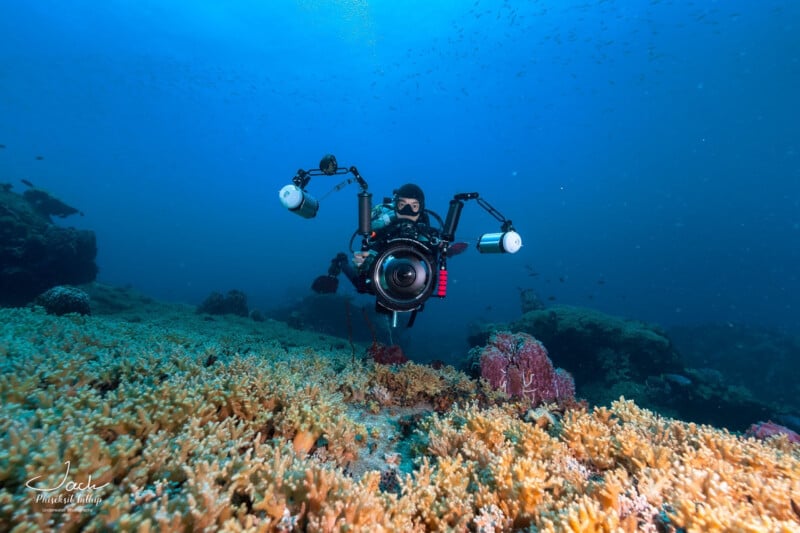
Pari currently employs a sophisticated setup for his underwater expeditions, featuring a Nikon Z8 camera paired with a Nikkor Z MC 105mm f/2.8 VR S macro lens. His lighting rig includes a pair of Kraken strobes positioned on either side of his lens, supplemented by a video light. The choice of a 105mm macro lens, rather than the more commonly used wide-angle lenses in underwater photography, is a deliberate strategy. Pari explained, "I need to get really close-up shots of tiny subjects, and if I need more space, I can always swim farther away." This preference highlights his focus on capturing the intricate details of marine life, often at a scale invisible to the naked eye.
Mastering the Depths: The Art of Blackwater Diving and Creative Improvistation
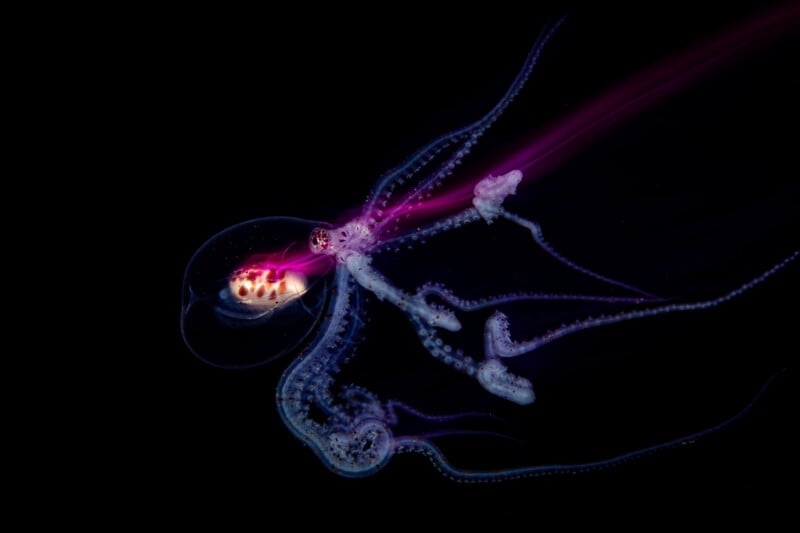
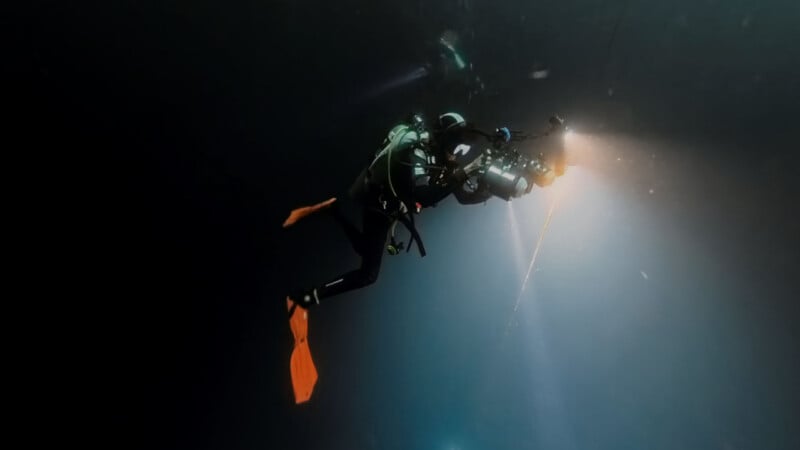
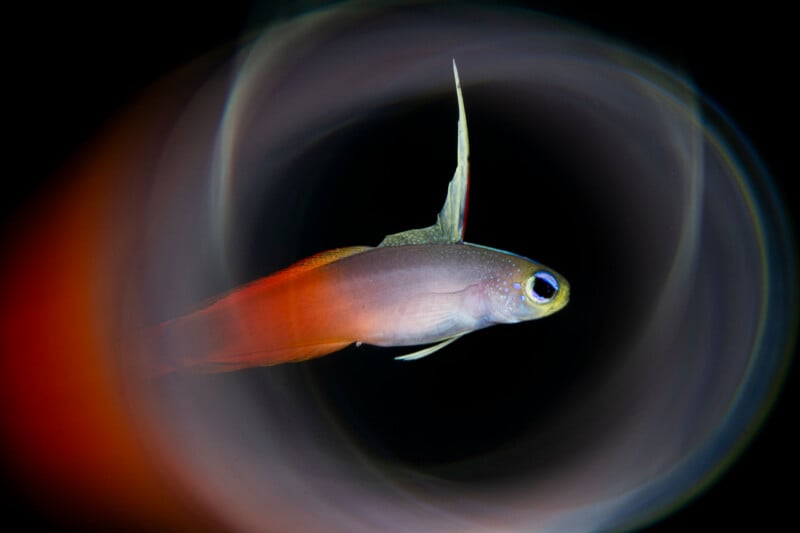
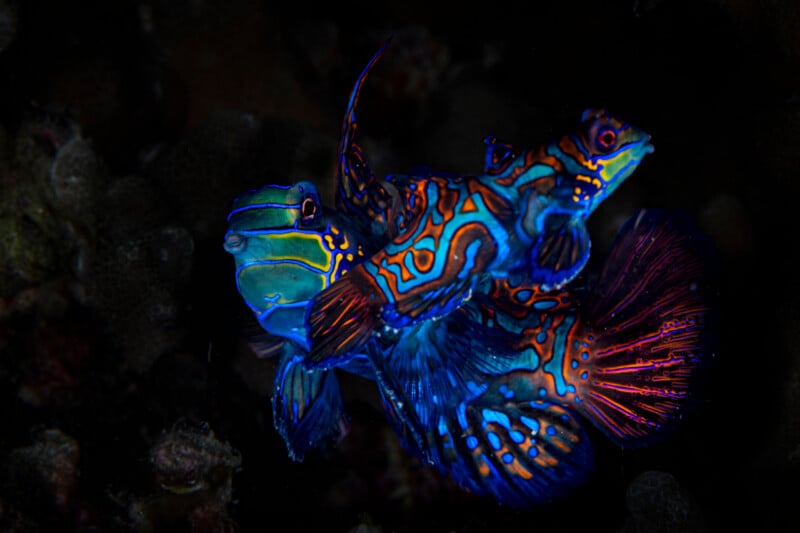
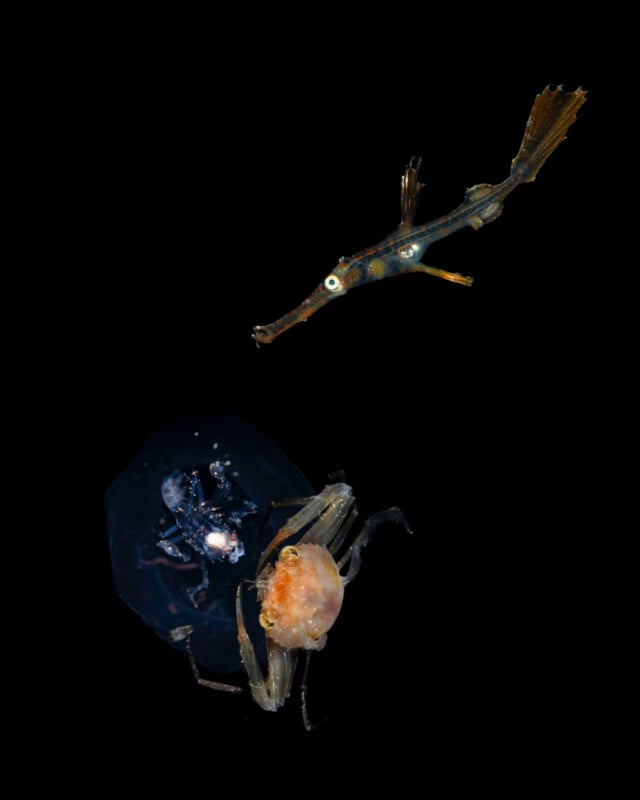
The award-winning images that secured Pari’s victory in the Hasselblad Masters 2026 were captured during a blackwater dive in the Philippines. Blackwater diving is a specialized form of night diving conducted in the open ocean, where divers essentially float in the water column above extreme abyssal depths. A powerful light source is employed to attract plankton and other small organisms, which in turn draws in the larger, deep-sea creatures that feed on them.
"We were in the middle of the ocean, waiting for creatures to come up at night," Pari described the experience. His winning series of three photographs showcased a remarkable level of innovation. Initially, he experimented with a standard flash, resulting in clear but conventional shots. However, inspired by techniques he had observed, Pari decided to explore slow shutter speeds during his blackwater dives.
"I tried it with normal flash, and it was kind of wonky. It wasn’t organized, everything was all over the place," he recounted. This initial attempt led to an ingenious improvisation. Pari adapted by using a video light in conjunction with color filters, employing the filter during the slow shutter exposure to create ethereal light effects, and then finishing the shot with a flash to retain critical details of the subject. This creative application of equipment and technique not only produced visually stunning images but also demonstrated a sophisticated understanding of light, motion, and post-capture aesthetics, all while navigating the challenging conditions of a blackwater dive.
This innovative approach is a testament to Pari’s strategic thinking. He meticulously studied past Hasselblad Masters winners to identify patterns in successful entries. "I looked at all the categories, and I saw there’s this pattern in which all the photos have to be unique, but they also have to go along with each other," Pari observed. His winning submission adhered to this principle, presenting three distinct yet aesthetically cohesive images that captured the viewer’s imagination. The three photographs in his winning series are characterized by their unique use of light and motion, creating a dreamlike quality that highlights the often-unseen wonders of the deep sea.
Hasselblad Masters: A Dream Realized and the Prize That Follows
The moment of winning the Hasselblad Masters 2026 was an experience filled with disbelief and elation for the young photographer. "I was really glad I made it to the finalists," Paribatra told PetaPixel. "I didn’t expect to win because there were really good other photographers I was competing with. I just thought, ‘It was really good that I made it to the finalists.’ I just didn’t expect to make it to the top."
The reality of his victory brought a wave of excitement, particularly regarding the substantial prize package. "I was really excited because the prize is really good," Pari laughed when discussing the announcement. Beyond the prestigious title of "Hasselblad Master," Pari was awarded a 5,000 euro creative fund, and his choice of a Hasselblad 100-megapixel camera along with two XCD Series lenses. This prize not only acknowledges his exceptional talent but also provides him with invaluable resources to further his photographic endeavors.
"I am very honored to win this prestigious award," Pari added, underscoring the significance of this recognition within the global photography community. The timing of this award, so early in his career, suggests a bright and promising future. The substantial creative fund, in particular, offers an opportunity for Pari to embark on ambitious new projects, potentially exploring different marine environments or delving deeper into conservation-focused photography.
Navigating the Challenges of the Underwater Realm
Despite his evident success, Pari is candid about the inherent difficulties of underwater photography. "It’s hard because you can’t control a lot of things," he explained. "You can control the light, but you can’t control the water. If the water isn’t cooperating, it’s really hard to do anything." The dynamic nature of the marine environment presents constant challenges, from unpredictable currents and fluctuating visibility to the elusive behavior of marine life.
The subjects themselves are rarely stationary, and their speed often far surpasses that of a human diver. "The subject is moving, we’re moving, and sometimes the conditions aren’t great. You’re just not always going to get photos, and that’s really disappointing," Pari noted. This unpredictability necessitates a high degree of patience, adaptability, and preparedness.
Furthermore, Pari, who serves as an Ocean Ambassador for The Manta Trust and a Young Shark Ambassador for Fins Attached Marine Research and Conservation, holds a profound respect for his subjects and is committed to minimizing any stress or disturbance. This ethical approach means he often has to wait for creatures to approach him, rather than actively pursuing them. This practice requires meticulous attention to detail and readiness to capture the perfect moment when it arises.
"I practice on the person next to me or a rock or something to make sure the settings are perfect first, because a shark isn’t going to stick around long," Pari emphasized. "So if it does, I’m ready and just try to find the angle and click because I can’t set anything up on my camera after the shark shows up." This preparedness is crucial, especially when encountering larger marine animals like sharks, which can be both awe-inspiring and fleeting.
A Deep-Seated Commitment to Ocean Conservation
Beyond his artistic aspirations, Pari harbors a deep-seated commitment to ocean conservation. His personal philosophy centers on giving back to the marine world that has provided him with so much inspiration and opportunity. This dedication is reflected in his ongoing projects and public engagements. He has delivered numerous presentations and recently hosted a photo exhibition in Bangkok titled "Pay Back to the Ocean."
"Other people do stuff with data and science and awareness. But I just thought that photography – I enjoy photography – so I want to use that and do something good for the ocean," Pari articulated his mission. His photography serves as a powerful tool for advocacy, bringing the beauty and fragility of marine ecosystems to a wider audience and fostering a greater appreciation for the need for conservation.
While Pari has achieved significant recognition for his underwater photography, he expresses a nuanced view on his future career path. "I want to improve, I want to get better," he stated regarding his photography. "But I also want to enjoy it in a way that it might not be the number one job in my life. Because when it becomes a commitment, and something I have to do a lot, I won’t enjoy it as much. I think it’s a number one hobby, but not everything in my life."
Despite this sentiment, Pari is certain about his desire to pursue a career connected to the ocean, potentially in a scientific field. "But I’m not sure yet," he concluded. Regardless of the specific path he chooses, Pari Paribatra possesses the talent, drive, and unwavering passion to make a significant impact. His journey, marked by early success and a profound connection to the marine world, promises to be one of continued achievement and dedication.
For those wishing to follow his underwater adventures and witness his evolving artistic vision, Pari can be found on Instagram at @pelagic_captures, and further information about his work is available on his website, pariocean.com.