Technical Specifications and Engineering Feats
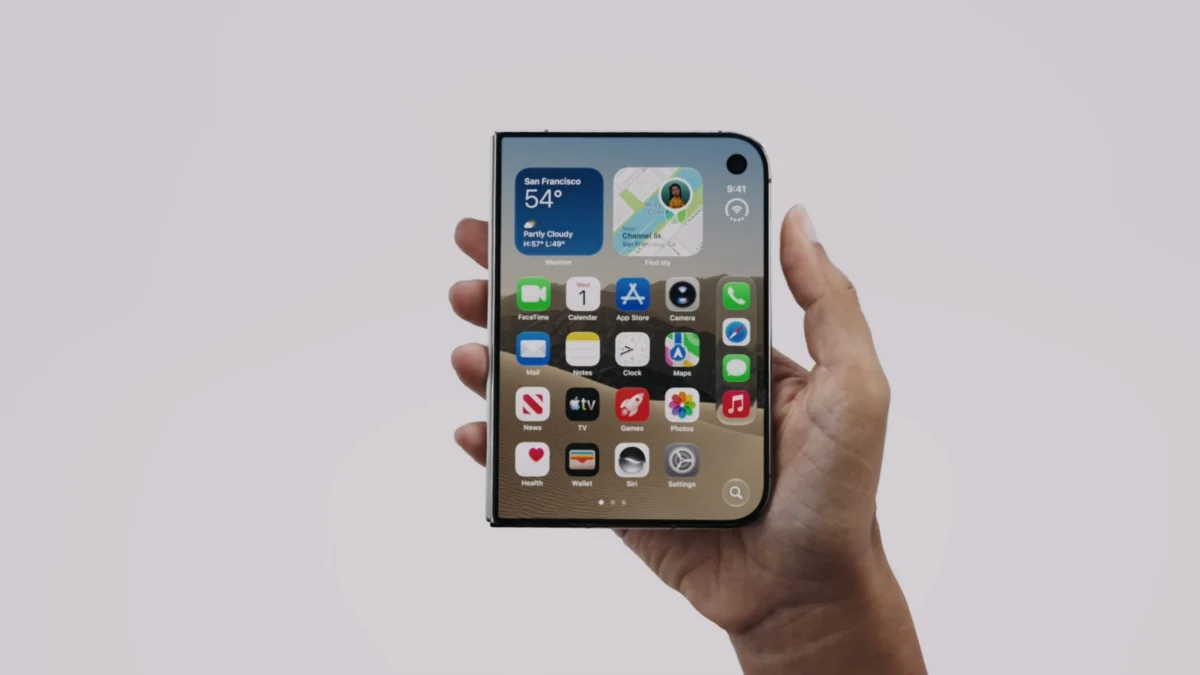
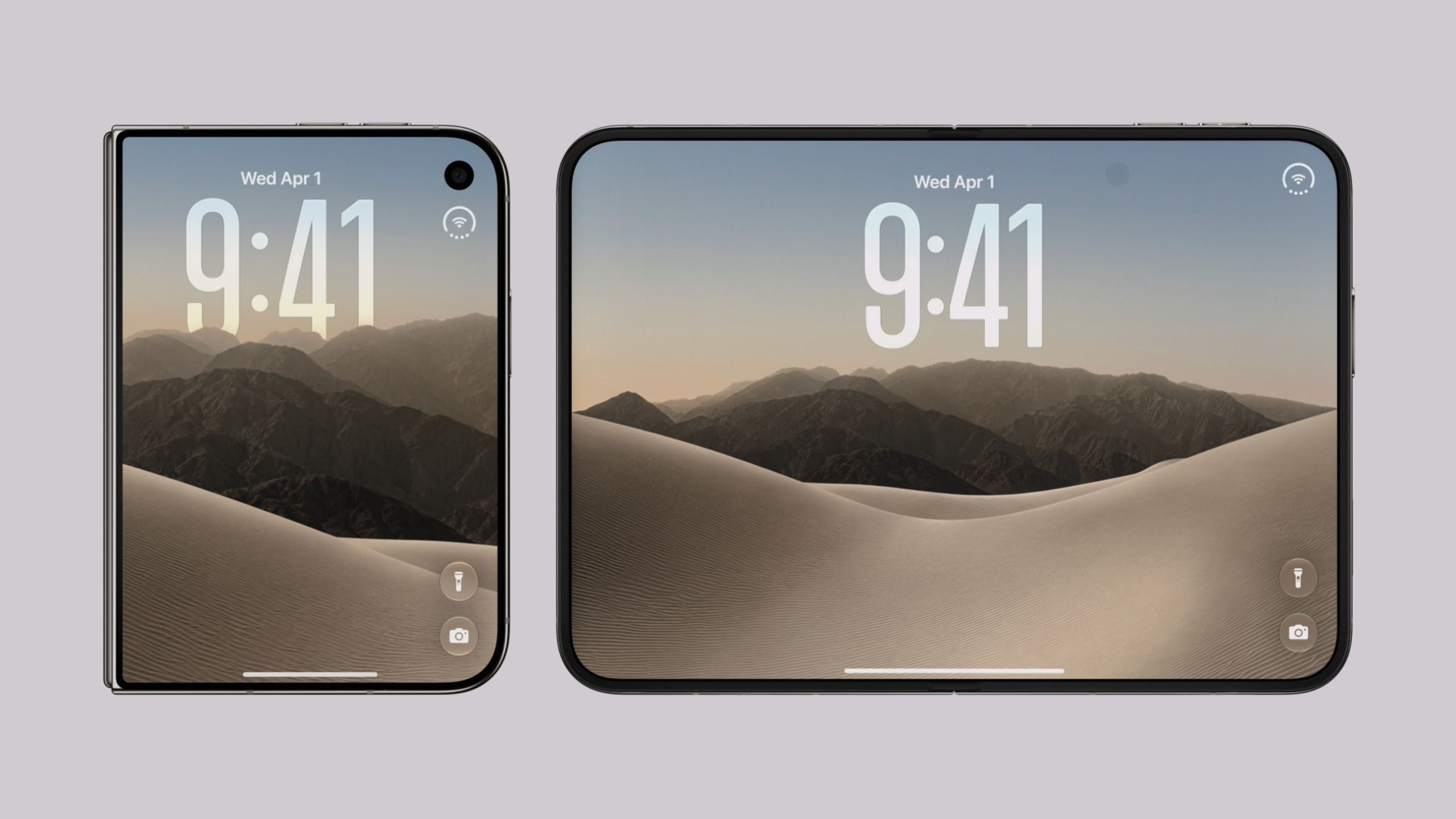
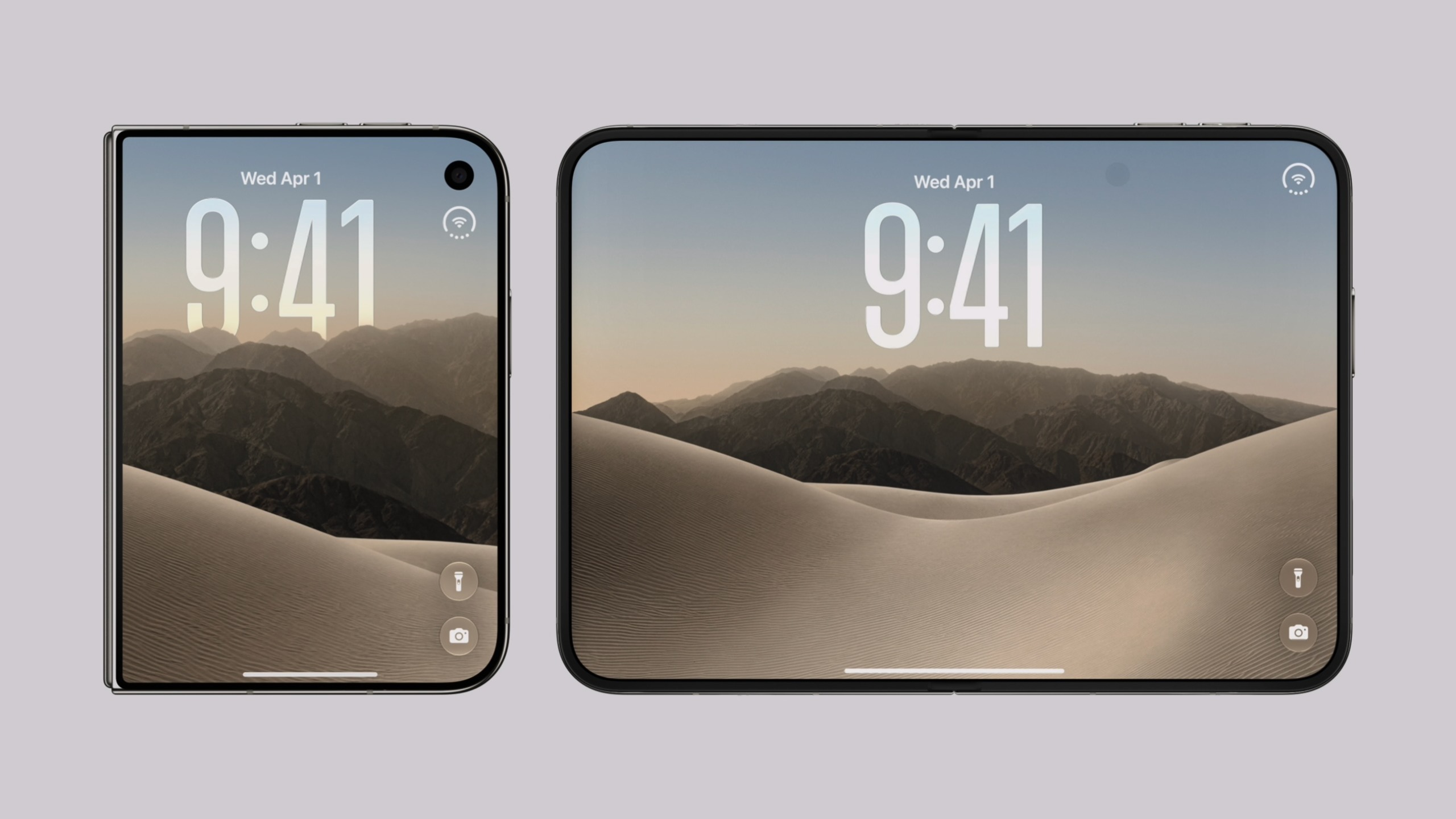
The iPhone Duo is defined by its two-stage display architecture. When folded, users interact with a 5.4-inch external display that provides approximately 90 percent of the screen real estate found on the standard iPhone 18 Pro. Once unfolded, the device reveals a 7.6-inch primary screen designed for multitasking, media consumption, and creative workflows. To ensure a seamless user experience, Apple has calibrated both displays to share an identical aspect ratio, minimizing the jarring visual transitions often associated with foldable devices.
At the heart of the device lies the A20 Pro chip, a silicon powerhouse that debuted across the flagship iPhone 18 line. Apple engineers report that the A20 Pro offers a 35 percent increase in sustained performance compared to the A17 Pro found in the previous generation. This architectural improvement is critical for the Duo, as the device must manage dual-screen rendering and complex background processes simultaneously. The software experience is managed by iOS 27, which introduces a refined user interface that shifts controls to the lateral edges of the screen, maximizing the central workspace.
The display technology itself represents a departure from current industry standards. Apple has implemented a nano-texture finish on the folding panel, a technique previously reserved for high-end monitors, to significantly reduce glare and improve legibility in direct sunlight. The internal folding panel is protected by a multi-layer glass system utilizing custom-engineered adhesives. These materials allow the display layers to glide against one another during the folding process, a design choice specifically intended to relieve mechanical tension and extend the longevity of the screen’s structural integrity.
The Engineering of the Hinge and Durability
The durability of foldable devices has long been the primary concern for consumers and the central point of competition for manufacturers. Apple’s approach involves a proprietary hinge mechanism crafted from aerospace-grade titanium. The hinge is composed of over 100 individual micro-components, engineered to provide a consistent, dampened resistance that feels both tactile and robust.
To prevent internal deformation, the chassis features integrated support ribs that provide structural stiffness without adding significant weight. Apple has also addressed the vulnerability of the exterior and interior surfaces by deploying the latest iteration of its proprietary material science. The device features a Ceramic Shield on the rear casing and a newly developed Ceramic Shield 2 on the front display. According to internal testing data, this iteration provides three times the scratch resistance of the previous glass-ceramic composites used in the iPhone 17 series.
Battery Efficiency and Power Management
One of the most significant challenges in foldable design is managing the power distribution across two distinct screen sizes. The iPhone Duo utilizes an adaptive power management system that adjusts based on usage patterns. The device supports up to 31 hours of video playback when using the internal 7.6-inch screen, while the more efficient 5.4-inch outer display extends this to 44 hours. When a user balances tasks between the two, the system provides a baseline of 24 hours of usage per charge. This level of endurance suggests that Apple has prioritized high-density battery cells to compensate for the higher power draw of the larger display array.
Competitive Landscape and Market Positioning
The entry of the iPhone Duo into the premium foldable market fundamentally alters the competitive landscape. With a starting price of $1,999 (£1,999 / approximately AU$2,770), the device occupies the ultra-premium segment. This pricing strategy places the Duo in direct competition with established incumbents such as the Samsung Galaxy Z Fold series.
For comparison, the Samsung Galaxy Z Fold 8 Ultra launched at a similar price point, offering comparable screen brightness metrics—both devices reach a peak outdoor brightness of 3,000 nits. While the hardware specifications are largely on par, the primary differentiator will likely be the integration of the Apple ecosystem, the stability of iOS 27, and the seamless transition of workflows across the wider Apple product suite, including the recently announced AirPods 5.
Industry Implications and Strategic Shifts
John Ternus, the newly appointed CEO of Apple, described the iPhone Duo as the "most transformational change to the iPhone since the original." This statement underscores a pivot in Apple’s hardware philosophy. For over a decade, the iPhone remained a rigid, slab-style device. The shift to a foldable format suggests that Apple believes the technology has finally matured to a level that meets their rigorous standards for reliability and user experience.
The market implications are profound. With the launch of the Duo, Apple is effectively forcing a standard for what a "pro" smartphone should offer. Developers will now be required to optimize applications for the unique aspect ratios and multi-screen capabilities of the Duo, potentially leading to a new wave of productivity software. Furthermore, the inclusion of the A20 Pro chip suggests that Apple is positioning the Duo as a legitimate replacement for traditional tablets and thin-and-light laptops, rather than just a secondary mobile device.
Chronology of Development
The path to the iPhone Duo was not sudden. Rumors of an Apple foldable device have circulated since 2019, with reports of patent filings for folding mechanisms and hinge stress-testing beginning as early as 2021. Throughout 2023 and 2024, industry analysts observed a shift in Apple’s supply chain, with increased orders for flexible OLED panels and specialized titanium alloys. The formal announcement at the recent Apple event serves as the culmination of years of iterative R&D.
The development timeline can be summarized as follows:
- 2020-2021: Exploratory prototyping phase; focus on hinge durability and screen creasing.
- 2022: Selection of the passport-style form factor over a rollable or tri-fold design.
- 2023: Integration of the A-series chip architecture with specialized foldable-ready firmware.
- 2024: Finalization of the Ceramic Shield 2 and nano-texture display treatments.
- 2025: Official announcement and market launch alongside the iPhone 18 Pro series.
Looking Ahead
As the first units of the iPhone Duo begin to reach consumers, the tech industry will be watching closely to see if Apple’s engineering choices—specifically the "gliding" adhesive layer and the titanium hinge—translate to real-world longevity. While the device is undoubtedly a technical achievement, its success will depend on how effectively iOS 27 utilizes the expanded screen real estate to provide a user experience that justifies the $1,999 investment.
The decision to launch this device in the same cycle as the standard iPhone 18 Pro suggests that Apple is not looking to replace its core product line but rather to expand the definition of what an iPhone can be. Whether this will lead to a broader adoption of foldable technology among mainstream consumers remains to be seen, but the arrival of the Duo undeniably marks a new era in mobile computing. As competition heats up, the focus will likely shift from hardware specifications to software ecosystem utility, where Apple hopes its tight integration will give it the decisive advantage.