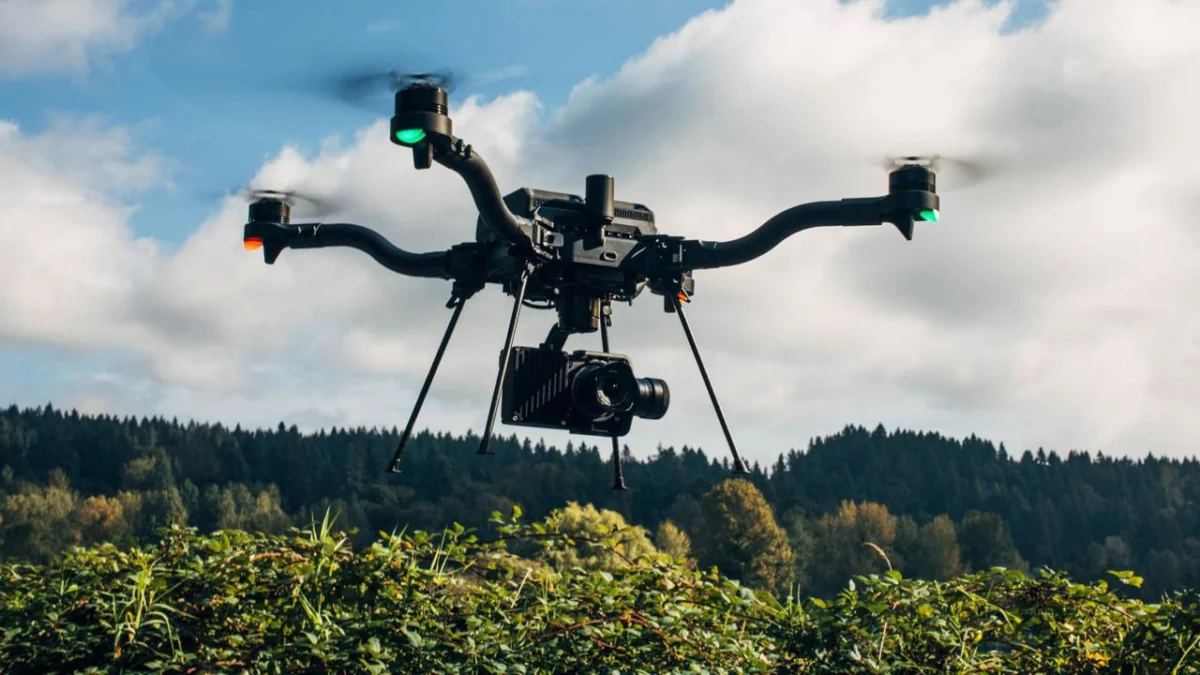
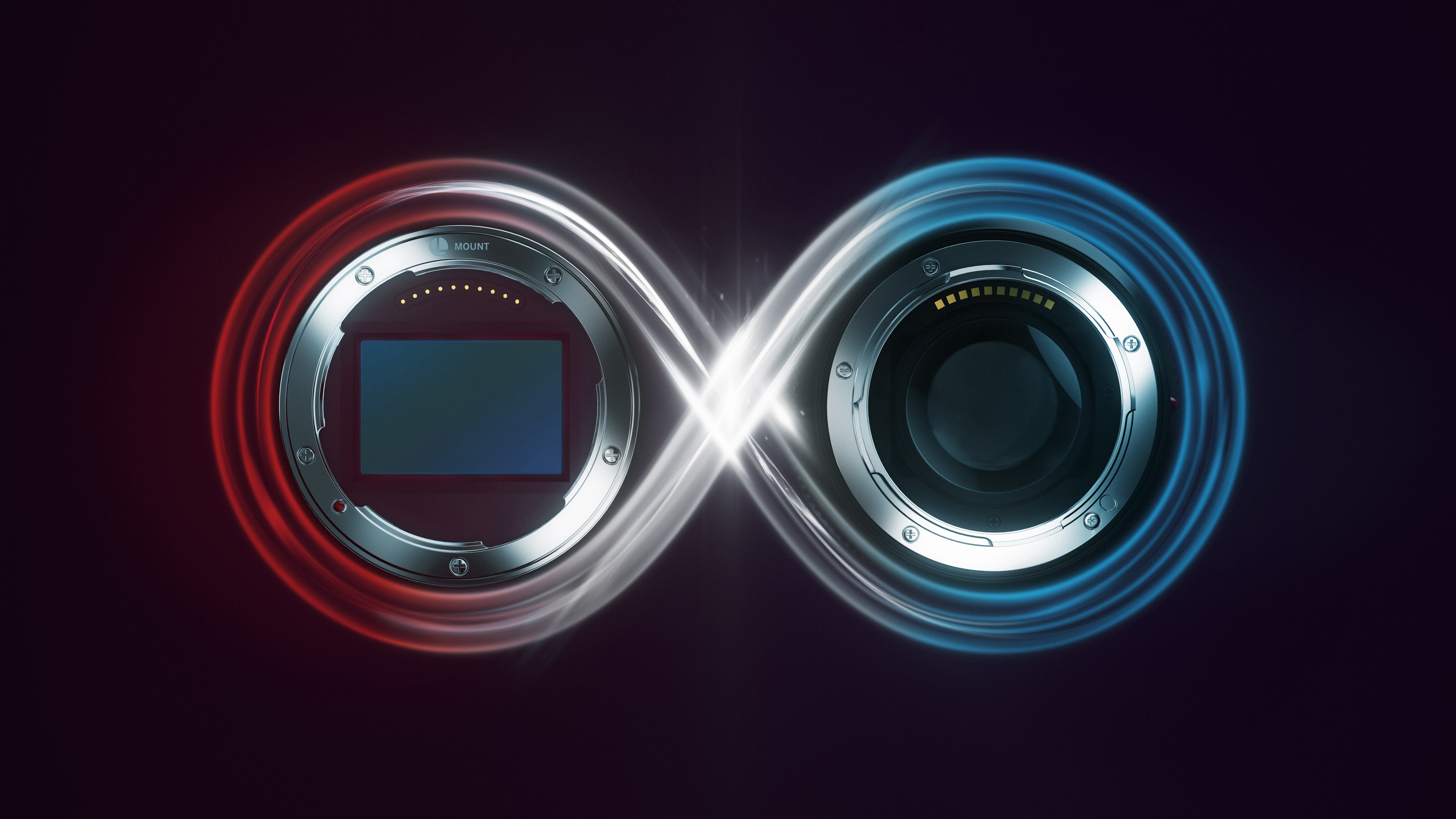
The L-Mount Alliance, a collaborative initiative spearheaded by Panasonic, Leica, and Sigma, has officially welcomed its eleventh member: American drone and cinema technology manufacturer Freefly Systems. The announcement, made on April 17, marks a significant expansion for the L-Mount ecosystem, which has grown to encompass over 20 camera bodies and more than 130 lenses since its inception. This partnership signifies a crucial step for Freefly, potentially integrating its advanced imaging solutions with the robust and versatile L-Mount lens standard.
The L-Mount Alliance: A Unified Vision for Interchangeable Lenses
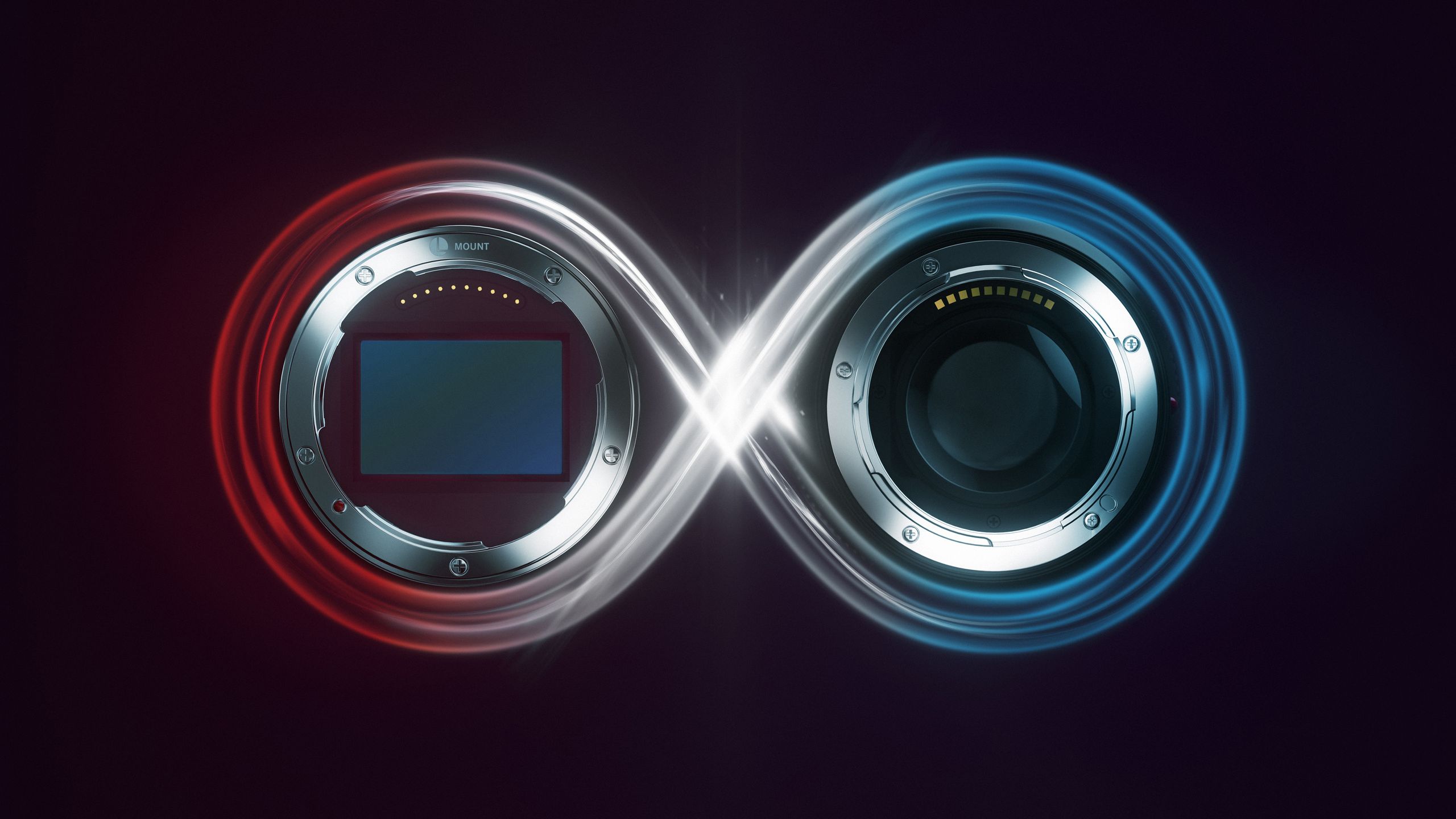
The L-Mount Alliance was established with the ambitious goal of creating a standardized, open lens mount system that allows for seamless compatibility between cameras and lenses from different member brands. At its core, the alliance ensures that lenses manufactured by any member company can function as first-party optics on cameras from other members, regardless of branding. This interoperability fosters a more unified and user-friendly experience for creators, offering a wider selection of high-quality lenses without the traditional brand-specific limitations.
Founded by industry giants Panasonic, Leica, and Sigma, the alliance has steadily attracted prominent players in the imaging space. Freefly now joins an esteemed roster that includes Ernst Leitz Wetzlar GmbH, DJI, Astrodesign, Samyang Optics, Blackmagic Design, Sirui, and Viltrox. This collective represents a diverse range of expertise, from traditional camera manufacturing to cutting-edge drone technology and professional video production equipment. The continuous growth of the L-Mount Alliance underscores its success in building a comprehensive and adaptable imaging platform.
Freefly Systems: Pioneering High-End Drones and Cinematography Tools
Freefly Systems, a US-based company, has carved a niche for itself in the high-end market of drones, camera stabilizers, and professional cameras. Unlike consumer-grade drones, Freefly’s offerings are meticulously engineered for cinematographers, filmmakers, and professionals requiring advanced aerial cinematography and industrial inspection capabilities. Their commitment to innovation and quality has made them a trusted name in demanding production environments.
The inclusion of Freefly is particularly noteworthy given the current landscape for American drone manufacturers. The recent FCC foreign-made drone ban presents significant challenges for companies reliant on non-US-based drone hardware. By strengthening its ties with the L-Mount Alliance, Freefly is strategically positioning itself to leverage existing, high-quality optical solutions, potentially mitigating some of the supply chain and technology access issues exacerbated by the ban.
Implications of Freefly’s L-Mount Integration
The most immediate and significant implication of Freefly’s membership is the strong likelihood that future Freefly drones and cameras will feature L-Mount options. This would grant users access to the extensive library of L-Mount lenses, which are renowned for their optical performance, build quality, and advanced electronic capabilities. For instance, the Freefly Wave camera, a versatile Super 35 format camera with a global shutter that can be used handheld or mounted on a drone, currently utilizes a Sony E-Mount. While functional, this mount is passive, meaning it lacks electronic communication for features such as autofocus, auto aperture control, and metadata integration with the lens. An L-Mount integration would address these limitations, enabling a more seamless and feature-rich shooting experience.
Tabb Firchau, CEO of Freefly Systems Inc., expressed optimism about the partnership, stating, "The L-Mount allows us to interface with a wide range of beautiful lenses that are small, light, and feature advanced electronics that enable exciting electronic control options from the camera. We look forward to contributing to the Alliance and hope to put L-Mount lenses in places the world has not seen them before – from rocket launches to fighting forest fires." This statement highlights Freefly’s ambition to push the boundaries of where and how L-Mount lenses can be utilized, underscoring the versatility and robustness of the system.
Expanding Creative Possibilities with L-Mount Optics
The L-Mount system’s design prioritizes a large-diameter mount (55mm) and a short flange focal distance (45mm), which provides considerable design flexibility for lens manufacturers. This allows for the creation of compact, high-performance lenses with wide apertures and advanced optical formulas. The Alliance’s commitment to maintaining these core specifications ensures that lenses designed for one L-Mount camera will generally perform exceptionally well on any other L-Mount camera.
For Freefly, this means that their high-end camera systems, such as the Wave, could potentially benefit from the sophisticated electronic communication offered by L-Mount lenses. This includes features like accurate autofocus, precise aperture control directly from the camera body, and the ability to record lens metadata such as focal length, aperture, and potentially even distortion correction information. Such integration would significantly streamline workflows for filmmakers and cinematographers, particularly in dynamic shooting scenarios common in drone and action videography.
A Look at the L-Mount’s Track Record and Future Potential
The L-Mount Alliance has consistently demonstrated its commitment to expanding the ecosystem. Since its initial launch with Panasonic’s Lumix S series, Leica’s SL and CL series, and Sigma’s L-mount cameras, the alliance has seen steady growth. The introduction of new camera bodies and an ever-increasing catalog of lenses across various focal lengths and apertures have solidified its position as a major force in the mirrorless interchangeable-lens camera market.
The current count of over 130 lenses available for the L-Mount system is a testament to the collaborative success. This range includes everything from ultra-wide-angle primes to powerful telephoto zooms, and specialized lenses designed for specific applications. With Freefly now on board, the potential applications for these lenses are set to expand dramatically, venturing into aerial cinematography, industrial surveying, and even specialized scientific or observational fields.
The Broader Impact on the Imaging Industry
The L-Mount Alliance’s strategy of fostering open collaboration has proven to be a powerful catalyst for innovation. By bringing together diverse companies with distinct areas of expertise, the alliance ensures a continuous influx of new ideas and technologies. Freefly’s entry, with its focus on rugged, high-performance imaging solutions for demanding environments, adds a unique dimension to this collaborative effort.
This expansion is likely to spur further development in several key areas:
- Advanced Drone Cinematography: Expect to see drones equipped with more sophisticated camera systems that can leverage the full potential of L-Mount lenses, enabling higher quality aerial footage with greater creative control.
- Specialized Imaging Solutions: Freefly’s expertise in industrial applications may lead to L-Mount lenses being integrated into systems for tasks such as remote inspection, scientific research, and environmental monitoring, where high-resolution imaging and robust lens performance are critical.
- Increased Lens Innovation: The growing L-Mount user base, now encompassing a wider array of professional users, will likely incentivize lens manufacturers to develop even more specialized and cutting-edge optics.
- Enhanced Interoperability: The alliance’s continued success reinforces the value of standardized mounts, potentially influencing other camera mount developments and encouraging greater interoperability across the industry.
A Look Ahead: What’s Next for Freefly and L-Mount?
While the exact timeline for Freefly’s first L-Mount products remains undisclosed, the announcement signifies a clear strategic direction. The company’s CEO’s vision of utilizing L-Mount lenses in unprecedented scenarios—from capturing the power of rocket launches to providing critical aerial perspectives during forest fire response—underscores the transformative potential of this partnership.
Industry analysts suggest that Freefly will likely focus on integrating the L-Mount into its high-end camera systems first, such as the Freefly Wave, to take advantage of the electronic communication capabilities. This would allow filmmakers to harness advanced autofocus and aperture control, features that are crucial for capturing fast-paced action and achieving precise creative intent. The broader implications for drone technology and professional filmmaking are substantial, promising a future where the lines between aerial platforms and high-end cinematic tools become even more blurred. The L-Mount Alliance, with Freefly’s innovative spirit, is poised to lead this evolution.