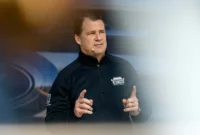
Tesla closed out a major corporate event in Nevada with an unexpected nod to its high-performance vehicle portfolio, offering a brief visual teaser of the production-intent next-generation Roadster. The unexpected disclosure, presented by Tesla engineering executive Lars Moravy before an audience of industry analysts, enthusiasts, and media representatives, signals a significant departure from the original prototype first unveiled to the public nearly a decade ago.
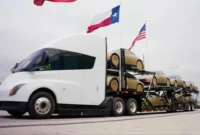
The strategy behind the teaser was explicitly tied to corporate history. In November 2017, Tesla introduced the next-generation Roadster by driving the initial prototype out of the cargo bay of a Tesla Semi prototype during an unveiling event in Hawthorne, California. Replicating that thematic connection, Tesla positioned the new Roadster reveal at the conclusion of its latest Semi-focused presentation, reinforcing the interconnected narrative of the company’s heavy-duty commercial and high-performance consumer divisions.
Visual Analysis of the Teaser and Design Evolution
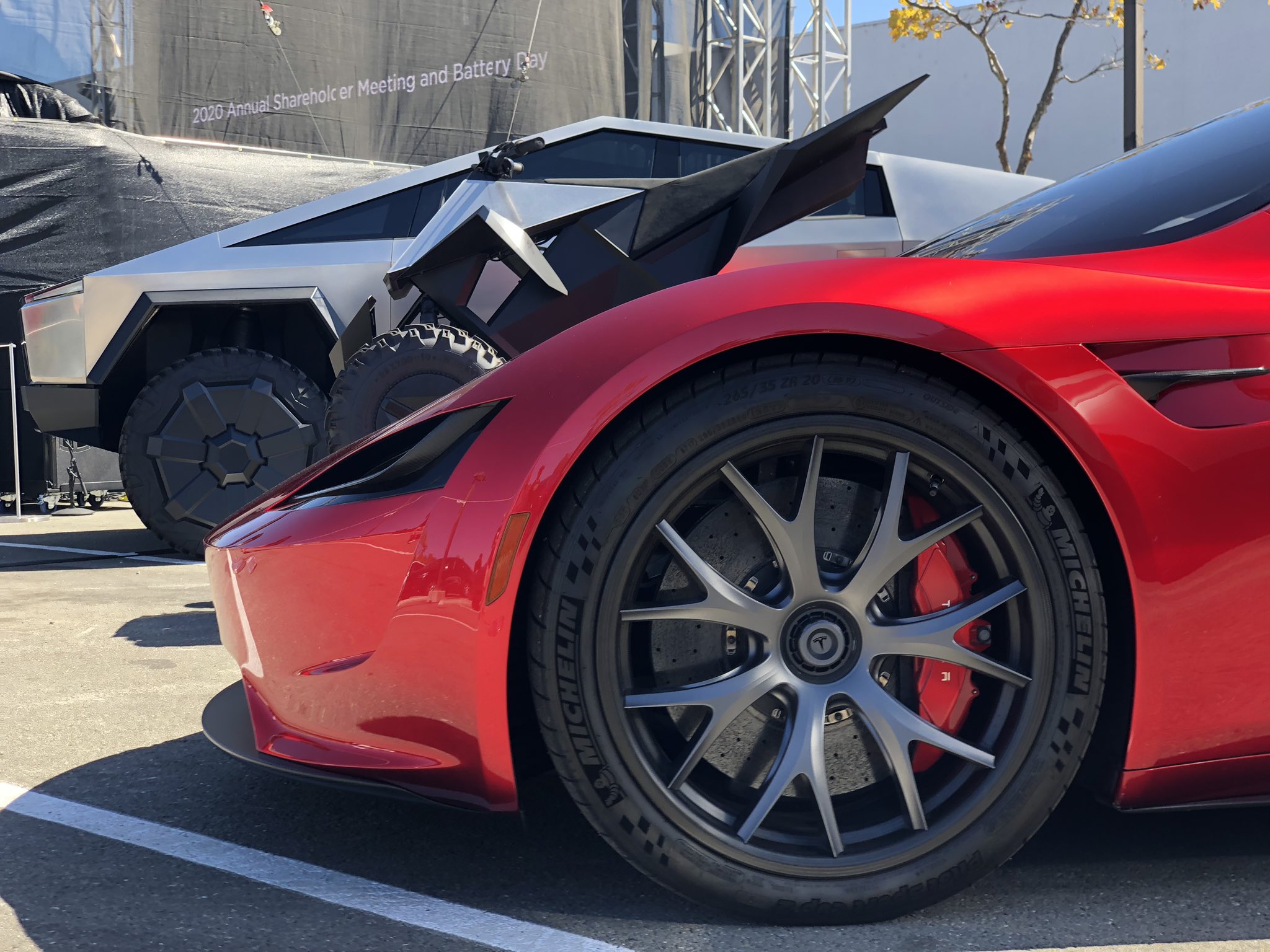
The newly released nine-second video, subsequently shared across digital platforms, opens with industrial trailer doors swinging apart against a dark backdrop. The camera immediately focuses on the nose of the vehicle, where a continuous, ultra-thin white light bar spans the front fascia. This illuminated strip marks the most concrete design modification revealed to date.
In contrast, the 2017 prototype featured two distinct, curved headlamp pods. The adoption of a connected front light bar integrates the upcoming Roadster into Tesla’s current design language, drawing clear stylistic parallels with the Cybertruck, the Cybercab, the updated Semi, and the refreshed Model Y. Observers reviewing the frame also identified subtle visual elements resembling a SpaceX logo, fueling ongoing speculation regarding the integration of specialized aerospace technology into the automotive platform.
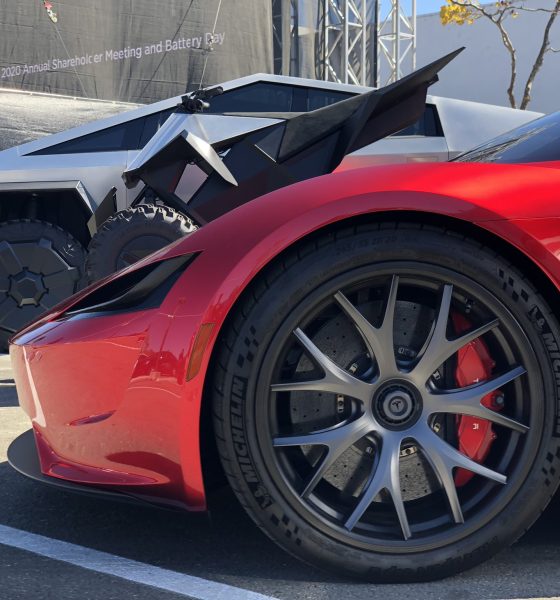
The presence of the SpaceX motif reinforces long-standing statements from Chief Executive Officer Elon Musk, who has repeatedly asserted that an optional "SpaceX Package" would utilize cold gas thrusters. According to prior executive commentary, these compressed-gas thrusters are intended to dramatically enhance vehicle dynamics, sharpening acceleration parameters, cornering grip, and braking performance while potentially enabling unprecedented vertical mobility characteristics under controlled testing environments.
Chronology of the Roadster Development and Upcoming Waco Event
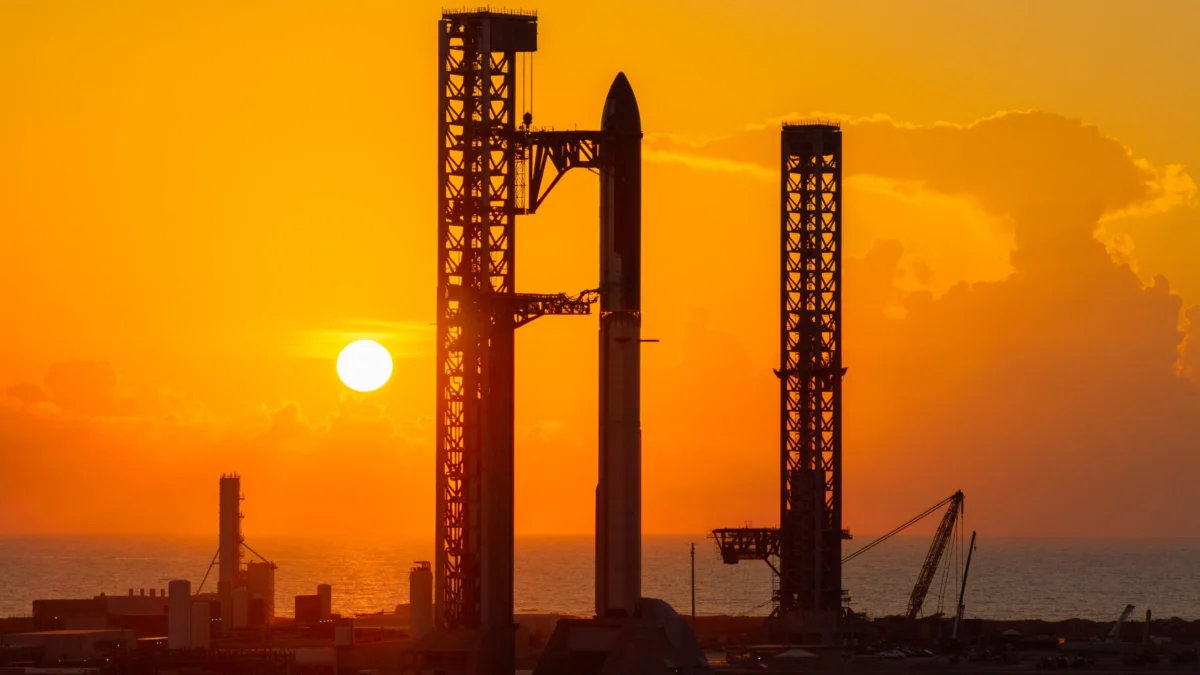
The teaser directly precedes a dedicated product reveal scheduled for October 1, 2026, at 8:30 p.m. Eastern Time. Invitations dispatched to long-standing reservation holders indicate that the event will take place in Waco, Texas, situated approximately twenty minutes from the McGregor-based SpaceX rocket engine testing facility.

The choice of location coincides with heightened aerospace regulatory activity in the region. The Federal Aviation Administration (FAA) established a temporary flight restriction (TFR) covering a 1.5-nautical-mile radius from the surface up to 10,000 feet, effective from September 18 through October 2. This airspace management measure has further intensified speculation that Tesla and SpaceX plan to demonstrate advanced auxiliary propulsion technologies during the presentation.
Tesla’s financial engagement strategy for the vehicle has also shifted into a new phase. Earlier in the week, the manufacturer quietly reopened the reservation pipeline for the Roadster. Prospective buyers are required to submit an initial, refundable $5,000 payment via credit card, followed by a mandatory $45,000 wire transfer due within ten days. This structure commits buyers to a $50,000 upfront deposit before the company officially publishes the final retail pricing structure.
Original Specifications and Historical Slippage

When originally announced in 2017, the next-generation Roadster established performance benchmarks that stunned the automotive sector. Tesla’s initial specifications claimed a zero-to-sixty-miles-per-hour acceleration time of 1.9 seconds, a top speed exceeding 250 miles per hour, and an unprecedented battery range of 620 miles per charge. Initial projections pointed to a commercial production launch in 2020.
However, global supply chain disruptions, engineering reprioritizations, and the scaling of high-volume platforms such as the Model Y and Cybertruck resulted in repeated schedule deferrals. Tesla has subsequently indicated that manufacturing operations will be centralized at Gigafactory Texas, with production scheduled to commence no earlier than 2027. For the thousands of reservation holders who capital-committed nearly nine years ago, the upcoming October 1 event represents the long-awaited delivery of binding pricing details, finalized technical specifications, and concrete manufacturing timelines.
Broader Industry Implications and Market Positioning

The protracted development cycle of the second-generation Roadster reflects the shifting economic and technological priorities of the electric vehicle market. While hypercars and halo vehicles traditionally serve as technological showcases rather than high-volume profit drivers, Tesla’s integration of aerospace engineering principles positions the Roadster as a technical testbed for advanced materials, energy density breakthroughs, and high-performance thermal management systems.
Industry analysts note that the introduction of a halo vehicle arriving nearly a decade after its initial concept phase faces a dramatically changed competitive landscape. Legacy luxury manufacturers and emerging EV-exclusive startups have introduced high-output electric powertrains capable of sub-two-second acceleration figures. Consequently, the Roadster’s commercial viability will likely hinge upon the successful implementation of its promised aerodynamic performance, structural battery innovations, and the realization of the rumored SpaceX thruster package.
As the countdown to the Waco presentation continues, attention remains focused on whether Tesla can reconcile the ambitious performance metrics announced in 2017 with the commercial realities of contemporary electric vehicle manufacturing. The forthcoming disclosures will ultimately determine whether the next-generation Roadster redefines hypercar engineering or remains an ambitious exercise in long-term automotive R&D.