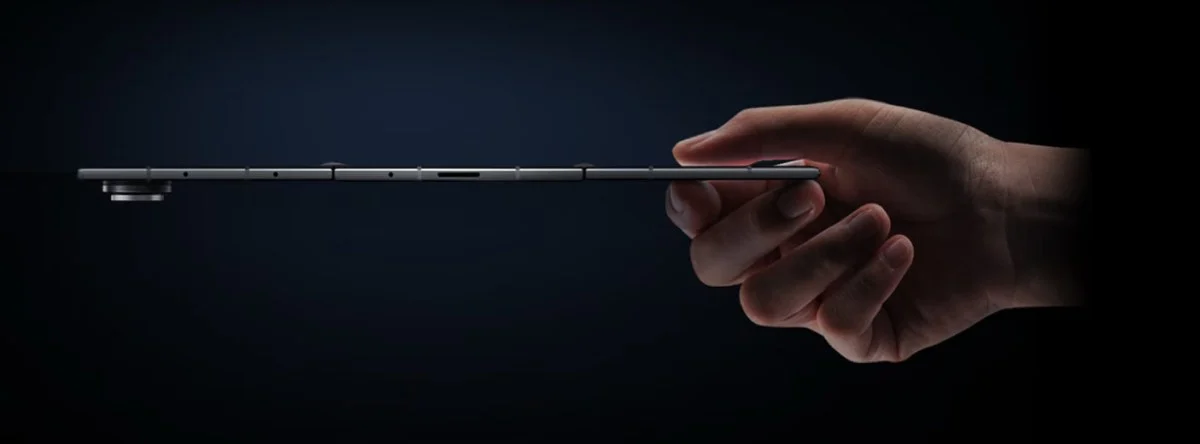
The Samsung Galaxy Z TriFold, a device that promised to push the boundaries of foldable smartphone technology with its innovative double-folding design, has officially ceased production and sales in the United States, following its earlier discontinuation in South Korea. This marks the end of a brief and notably limited chapter for a device that generated significant interest among technology enthusiasts for its audacious design and potential to offer an unprecedented screen real estate in a pocketable form factor. Samsung’s official statement regarding its availability in the US now reads, "the limited-run Galaxy Z TriFold is now completely sold out," signaling a definitive end to its market presence.
The Short and Tumultuous Life of a Pioneer
The journey of the Galaxy Z TriFold was characterized by scarcity and strategic, rather than widespread, availability. Its initial foray into the market began in South Korea, Samsung’s home ground, where it was offered in very limited quantities through select sales channels. This initial release period was brief, and the device was quickly discontinued in its native market, raising questions about its long-term viability and Samsung’s strategy for this highly experimental product.
The device’s life extended slightly longer in the United States, where it saw a few sporadic restocks. The last recorded opportunity for consumers to purchase the Galaxy Z TriFold in the US was on April 10, when a final batch of units became available. As anticipated, given its limited nature and the curiosity it generated, this stock also sold out rapidly. The formal announcement today confirms that no further units will be supplied, effectively concluding its global market run.
The Ambition Behind the TriFold Design
The Galaxy Z TriFold stood apart from its predecessors and contemporaries in the foldable market due to its unique double-folding mechanism. While devices like Samsung’s own Galaxy Z Fold series utilize a single hinge to transform from a phone to a tablet-like device, the TriFold aimed for an even larger canvas. A double-folding design typically implies a larger unfolded display, potentially rivaling or even surpassing the screen sizes of small tablets, while still maintaining a relatively compact form factor when fully folded. This architectural ambition, however, presented a multitude of engineering challenges.
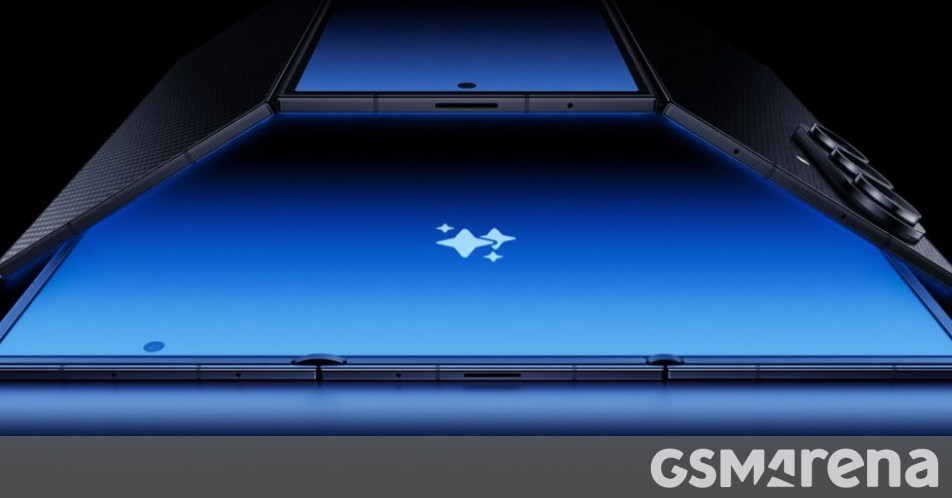
Developing a device that folds twice introduces exponential complexities. The hinge mechanisms, which are already sophisticated in single-fold phones, become significantly more intricate, requiring precision engineering to ensure durability, seamless operation, and a minimal crease. Furthermore, the flexible display itself must withstand repeated folding and unfolding across two distinct axes, a feat that pushes the limits of current display technology. Other challenges include managing the device’s thickness and weight, especially when incorporating multiple layers and components, and optimizing battery life for a potentially larger, power-hungry display. Software optimization also plays a crucial role, as the user interface must seamlessly adapt to various folding states, from a compact phone to a multi-panel tablet experience.
The very concept of a tri-fold device was seen by many as Samsung’s exploration of the ultimate form factor for mobile productivity and entertainment, blurring the lines between smartphones and tablets even further. It represented a bold statement about Samsung’s commitment to leading innovation in the nascent but rapidly evolving foldable segment.
Samsung’s Pioneering Role in Foldable Technology
Samsung has been at the forefront of the foldable smartphone revolution since its inception. The launch of the original Galaxy Fold in 2019, despite initial design hurdles and a subsequent delay, marked a significant milestone for the industry. It proved that foldable screens were not merely a futuristic concept but a tangible, albeit nascent, product category. Following the initial challenges, Samsung refined its designs, leading to the successful Galaxy Z Fold and Galaxy Z Flip series, which have since become synonymous with foldable technology.
This history underscores Samsung’s willingness to experiment and invest heavily in groundbreaking form factors. The Z Fold series caters to users seeking a tablet-like experience in their pocket, while the Z Flip series targets those who prioritize compact portability with a stylish design. The introduction of the Galaxy Z TriFold, even in a limited capacity, can be viewed as an extension of this exploratory spirit, a testbed for extreme folding designs that could potentially inform future mainstream products. It allowed Samsung to gather real-world data and user feedback on the viability and appeal of a more complex folding mechanism without committing to a full-scale mass production run.
The "Limited-Run" Strategy and Market Implications
The description of the Galaxy Z TriFold as a "limited-run" device by Samsung itself is highly telling. This strategy is often employed by technology companies for several reasons. Firstly, it allows for the introduction of highly innovative or experimental technologies to a select group of early adopters, effectively acting as a market test. This helps gauge consumer interest, identify potential pain points, and collect valuable data before a broader, more costly rollout. Secondly, manufacturing cutting-edge technology, especially in its early stages, can be prohibitively expensive and logistically complex. A limited run mitigates financial risks associated with mass production and potential inventory issues.
Industry analysts often interpret such limited releases as a blend of technological demonstration and market reconnaissance. While the immediate discontinuation might seem like a failure, it could also be a strategic learning experience. It suggests that while the concept of a tri-fold device holds promise, the current technological readiness, production costs, or perhaps even perceived market demand did not align for a full-scale commercial launch at this time. The fact that all available units "sold out," even if quantities were restricted, indicates a segment of the market is hungry for truly innovative and differentiated devices. However, "sold out" in limited runs does not necessarily equate to overwhelming mass-market demand, but rather a strong interest from a niche of tech enthusiasts and early adopters.
Official Recommendations and Current Alternatives
In light of the Galaxy Z TriFold’s discontinuation, Samsung has proactively directed consumers towards its established and successful product lines. The company encourages visitors to its website "to make sure you don’t miss upcoming one-of-a-kind innovations" and specifically recommends considering the Galaxy Z Fold7 or the Galaxy S26 Ultra.
The Galaxy Z Fold7 stands as Samsung’s flagship foldable device, representing the pinnacle of its current foldable technology. It offers a single-fold mechanism, transforming from a smartphone into a larger, tablet-like display, making it ideal for multitasking and media consumption. It incorporates the latest advancements in flexible display technology, hinge design, and software optimization, providing a premium foldable experience that has been refined over several generations. For those intrigued by the TriFold’s ability to offer a larger screen, the Z Fold7 is the closest existing alternative within Samsung’s current lineup, albeit with a single fold.
The Galaxy S26 Ultra, on the other hand, represents Samsung’s top-tier traditional slab smartphone. It boasts cutting-edge camera technology, powerful processors, and a stunning conventional display, appealing to users who prioritize uncompromising performance and photographic capabilities without the complexities of a folding screen. While it does not offer any folding capabilities, it is a testament to Samsung’s broader innovation in the premium smartphone segment. Both recommended devices are excellent options within their respective categories, though neither replicates the unique double-folding action of the TriFold.
The Road Ahead: TriFold 2 and Rollable Screens
Despite the discontinuation of the original Galaxy Z TriFold, the concept of multi-fold devices appears far from dead within Samsung’s long-term vision. Recent rumors suggest that a successor, potentially named the TriFold 2, is already in development. This next-generation device is reportedly targeting a 2027 release and is rumored to feature significant advancements, including a thinner and lighter design compared to its predecessor. Such improvements would directly address some of the inherent challenges of multi-fold technology, making the device more practical and appealing for everyday use.

Furthermore, Samsung is also rumored to be exploring other novel form factors, specifically a sliding-screen or rollable smartphone. Rollable devices offer a different approach to expanding screen real estate, allowing the display to unfurl or extend from a compact housing, offering a truly dynamic screen size without the prominent creases associated with folding phones. This technology presents its own set of complex engineering hurdles, particularly concerning the durability of the rolling mechanism and the flexible display material.
These ongoing developments highlight Samsung’s unwavering commitment to innovation in the display and mobile form factor space. The discontinuation of the original TriFold may not be an abandonment of the multi-fold concept, but rather a strategic pause to refine the technology, reduce production costs, and ensure a more compelling and robust product for a future release. The lessons learned from the "limited-run" TriFold will undoubtedly inform the design and development of future devices, whether they are multi-fold, rollable, or entirely new form factors.
Broader Impact and Implications for the Industry
The discontinuation of the Galaxy Z TriFold, while specific to one product, carries broader implications for the foldable smartphone industry. It underscores the immense challenges involved in bringing truly revolutionary form factors to mass market. The journey from concept to consumer-ready product is fraught with technological, manufacturing, and cost hurdles.
For competitors, Samsung’s experience with the TriFold offers valuable insights. It demonstrates that while multi-fold designs are technologically feasible, their practical implementation for widespread commercial success requires further refinement. It may encourage other manufacturers to continue their own R&D into similar advanced form factors but perhaps with a more cautious approach to market release.
Ultimately, the short but impactful life of the Galaxy Z TriFold serves as a testament to Samsung’s pioneering spirit and its role as an innovation leader in the smartphone market. While the original device may be "fully dead," its legacy will likely live on through the insights gained and the technological advancements it inspires. The future of mobile devices remains bright with the promise of more flexible, dynamic, and imaginative form factors on the horizon, fueled by continuous research and development, even if some experimental steps along the way are ultimately retired.