










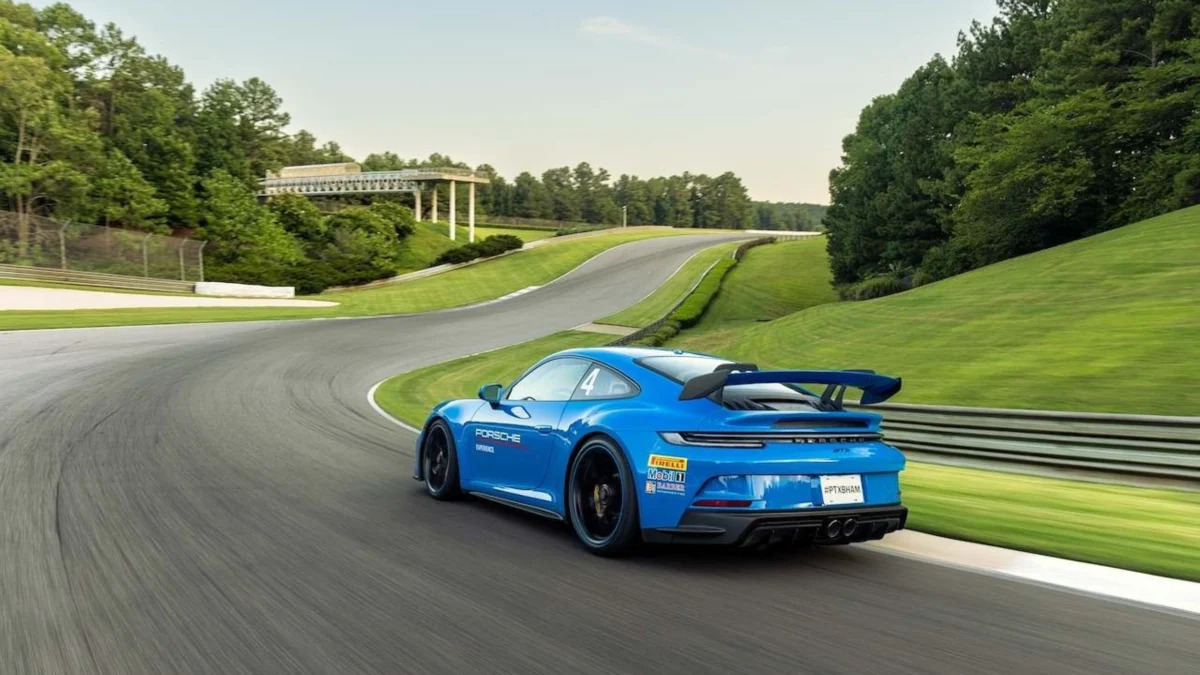
The Porsche Track Experience (PTX), the premier driver-training arm of Porsche Cars North America (PCNA), has officially announced a significant expansion of its curriculum. By introducing two specialized, high-performance programs—GT Drift and Masters GT—the organization is shifting its focus toward the nuanced technical capabilities of the 911 GT3. This strategic move aims to bridge the gap between casual luxury car ownership and the rigorous demands of professional-grade motorsport, providing enthusiasts with a controlled environment to explore the engineering limits of Porsche’s most track-focused road-legal vehicles.
The Evolution of the Porsche Track Experience
Since its inception, the Porsche Track Experience has functioned as an immersive academy designed to elevate driver competency through a tiered progression system. Historically, the program has offered a foundational suite of courses ranging from single-day introductory "Precision" sessions—which focus on basic vehicle dynamics, braking, and lane-change maneuvers—to more intensive three-day "Masters" programs that prepare students for competitive track environments.
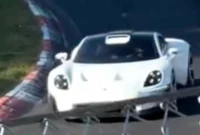
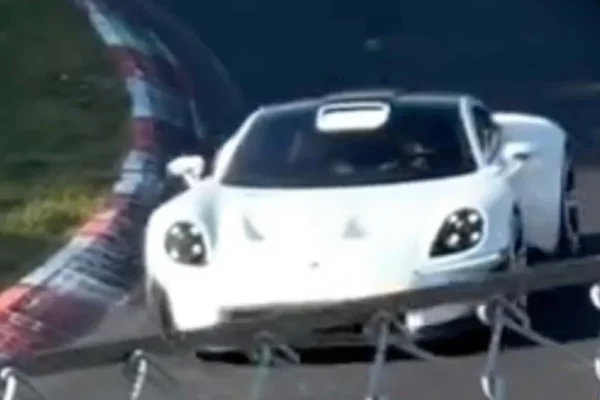
The inclusion of the 911 GT3 into the core training fleet represents a pivot toward a more specialized pedagogical approach. Previously, training relied on a mix of standard 911 Carrera and 718 Cayman models. By mandating the use of the 911 GT3—a car celebrated for its naturally aspirated, high-revving engine and race-derived aerodynamics—Porsche is acknowledging a growing segment of their clientele that seeks not just to drive, but to master the specific mechanics of a motorsport-bred chassis.

Program Breakdown: GT Drift
The first of the new additions, GT Drift, is a half-day intensive workshop priced at $1,500. It is designed to demystify the art of oversteer and car control. While many modern sports cars are equipped with sophisticated electronic stability control systems that effectively "nanny" the driver, this course strips back those layers to teach the fundamentals of vehicle rotation.
The curriculum begins in a classroom setting, where participants study the physics of weight transfer and tire slip angles. The practical portion of the day takes place on a dedicated skid pad. Under the guidance of professional instructors, students learn to initiate and maintain controlled drifts, engage in trail-braking to rotate the vehicle through corners, and manage throttle-induced oversteer. This program is particularly significant because it teaches drivers how to react when a vehicle loses traction—a critical skill for high-performance driving that is rarely practiced in conventional driver education.
The Pinnacle of Training: Masters GT
At the other end of the spectrum is the Masters GT program. Positioned as an elite, invitation-only tier, this three-day course represents the most rigorous instruction currently offered by the brand. Reserved exclusively for graduates of the established Masters RS program, Masters GT is a comprehensive deep dive into competitive racing techniques.
The program carries a premium price point of $23,000, reflecting the intensity of the curriculum and the level of personalized instruction involved. The schedule is structured to simulate a professional race team environment:

- Day One: Conducted at the Barber Proving Grounds, the focus is on refining advanced vehicle control, ensuring the driver has the necessary muscle memory to handle the GT3 at its mechanical limits.
- Days Two and Three: The venue shifts to a full-circuit racetrack. The itinerary alternates between high-speed lapping sessions and intensive data analysis.
Using telemetry systems similar to those utilized in the Porsche Mobil 1 Supercup, instructors and students review GPS data, throttle position, brake pressure, and steering input logs. This granular level of feedback allows for personalized coaching, enabling drivers to identify milliseconds of lost time and refine their racing lines.
Strategic Context and Industry Implications
The decision by Porsche to expand its training offerings comes at a time when the automotive industry is grappling with the transition toward electrification. While the broader market pivots toward automated driving assistants and silent, battery-powered efficiency, Porsche’s continued investment in internal combustion engine (ICE) track training serves to reinforce the brand’s identity as a manufacturer of "driver’s cars."
Industry analysts observe that this strategy serves two functions. First, it fosters brand loyalty. By creating a community of highly skilled drivers who are intimately familiar with the capabilities of the 911 GT3, Porsche cultivates a dedicated customer base that is likely to remain within the brand ecosystem for future vehicle purchases. Second, it serves as a form of risk mitigation. By providing a safe, professional venue for owners to explore the limits of their vehicles, Porsche discourages irresponsible behavior on public roads, shifting that energy to closed-course environments where professional oversight is present.
Official Perspectives
Timo Resch, President and CEO of Porsche Cars North America, emphasized the philosophy behind these new programs during the announcement. "Nothing compares to the experience of driving a Porsche with the beating heart of a race car," Resch stated. "The 911 GT3 doesn’t just promise, but delivers a motorsport-derived driving experience, one that’s rooted in real-world competition. The best way to truly appreciate what makes a GT3 special is from behind the wheel, and there is no better place to do that than on a racetrack with professional instruction."

The emphasis on "real-world competition" is not mere marketing hyperbole; the 911 GT3 shares significant componentry with the 911 GT3 R race car, including the double-wishbone front suspension and the high-output flat-six engine. By allowing participants to operate these machines in a professional setting, Porsche is effectively offering a "factory-driver-for-a-day" experience that few other manufacturers can replicate.
Data and Performance Analytics
The integration of data review in the Masters GT program reflects a broader trend in automotive enthusiast culture: the democratization of performance metrics. A decade ago, access to high-end telemetry was limited to professional racing teams. Today, through software integrated into the Porsche Track Precision App and external data loggers used during PTX sessions, the average enthusiast can see exactly how their braking points compare to those of professional drivers.
For a $23,000 investment, participants are not just paying for track time; they are paying for a high ratio of instructor-to-student time, access to professional-grade data acquisition software, and the ability to test the absolute mechanical limits of the GT3 without the financial risk of private track days or the legal risk of public road use.
The Future of Driver Education
As automotive technology continues to advance, the distinction between a "car" and a "machine" becomes more pronounced. Porsche’s expansion of the PTX program highlights an ongoing commitment to the craft of driving. By providing both the casual entry point (GT Drift) and the professional-level refinement (Masters GT), Porsche is ensuring that the skills required to handle high-performance vehicles remain accessible to those who value the mechanical integrity of the automobile.

The expansion also sets a benchmark for other performance manufacturers. As the industry faces scrutiny regarding vehicle safety and the proliferation of high-horsepower EVs, the model of "track-based education" may become a standard requirement for owners of high-performance vehicles, ensuring that the increase in power-to-weight ratios on the road is matched by a corresponding increase in driver capability.
For the prospective student, these programs represent a unique opportunity to gain a deeper understanding of vehicle dynamics. Whether the goal is to safely master the art of drifting or to shave seconds off a personal best lap time, the new Porsche Track Experience offerings provide the structure, the machinery, and the professional guidance necessary to turn a casual owner into a capable, track-ready pilot.