








The modern electrical grid is facing an unprecedented transformation, driven by the rapid decentralization of power generation and the increasing frequency of weather-related grid failures. As millions of households adopt rooftop solar panels and battery energy storage systems (BESS), the paradigm of how electricity is consumed, stored, and managed is undergoing a fundamental shift. In this evolving landscape, home batteries have become vital assets, offering resilience against blackouts while contributing to localized energy stability. However, the true potential of residential energy storage has often been bottlenecked by nonessential, energy-intensive household appliances that drain stored power prematurely.
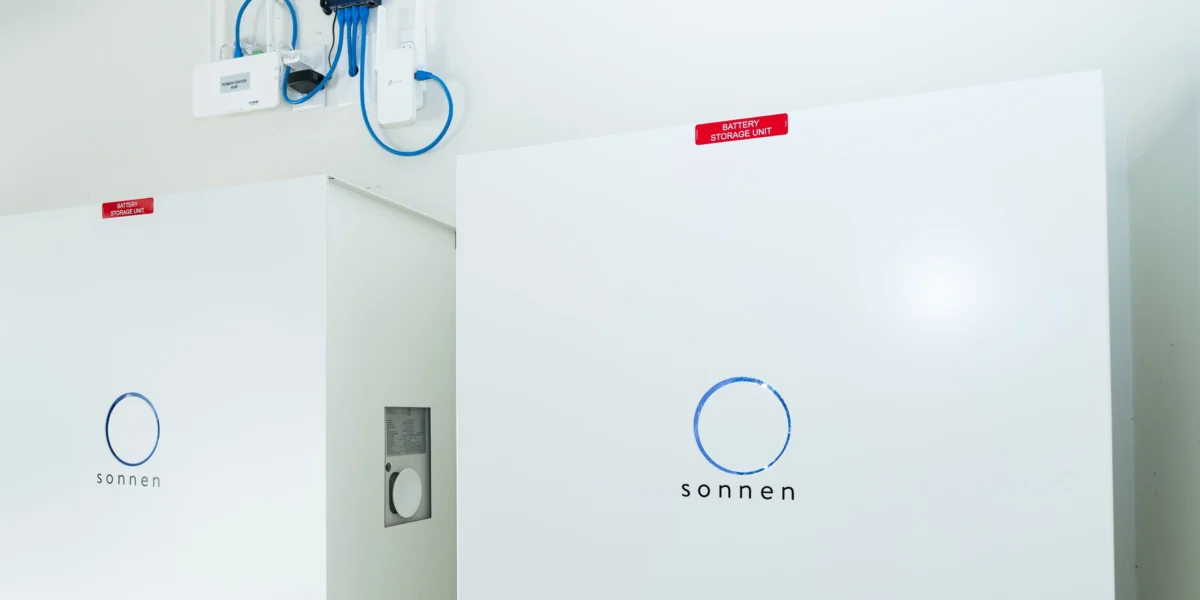
Addressing this critical efficiency gap, energy storage leader sonnen and renewable energy provider SOLRITE Energy have announced a strategic collaboration designed to maximize the utility of home batteries both during grid emergencies and day-to-day operations. By integrating ADAPT Energy’s advanced software controls and Eaton AbleEdge smart circuit breakers directly into the SOLRITE-sonnen virtual power plant (VPP) ecosystem, the companies are pioneering a new tier of automated demand-side management. This system goes beyond traditional battery dispatch by dynamically controlling heavy electrical loads across participating residences, offering a sophisticated blueprint for the future of decentralized power networks.
The Mechanics of Virtual Power Plants and Smart Breakers
To understand the significance of the sonnen and SOLRITE partnership, it is necessary to examine the architecture of a virtual power plant. Unlike a traditional centralized power plant fueled by coal or natural gas, a VPP is a cloud-based network of decentralized energy resources—primarily residential solar-plus-storage systems—aggregated and coordinated to act as a single, large-scale power plant. When local electricity demand spikes or wholesale market prices soar, the grid operator can draw power from the aggregated fleet of home batteries, feeding electricity back into the grid to stabilize supply and prevent blackouts.
While effective, traditional VPP participation has relied solely on discharging the chemical energy stored in batteries. This approach has inherent limitations. If a home is simultaneously running power-hungry appliances like air conditioners, electric vehicle chargers, or pool pumps when a VPP event is called, a significant portion of the battery’s output is immediately consumed on-site rather than exported to the grid.
The integration of ADAPT Energy controls and Eaton AbleEdge smart breakers solves this inefficiency by bridging the gap between energy storage and load management. Under the new architecture, the VPP can temporarily and automatically shed pre-approved, nonessential electrical loads the moment a grid support event is triggered. By silencing these energy-hogging appliances, the home’s sonnen battery is freed up to dispatch a larger volume of clean electricity to the grid. This elevates the collective flexibility and capacity of the VPP without requiring additional battery hardware installations.

The Pool Pump Dilemma and the Rise of Automated Demand Response
To illustrate the practical application of this technology, sonnen and SOLRITE highlighted a common household appliance: the pool pump. In many suburban homes, pool filtration systems are among the most energy-intensive and longest-running loads, often operating for several hours a day. While necessary for maintenance, a pool pump does not need to run continuously in real-time; its operation can be paused for short intervals without impacting the health of the pool.
When a VPP demand response event begins, the ADAPT Energy system communicates with the Eaton smart breakers to temporarily pause power to the pool pump. Simultaneously, the sonnen battery ramps up its export to the grid. Because the pool pump is no longer drawing several kilowatts of power from the home, more of the battery’s capacity can be channeled outward to support utility providers and local communities.
Crucially, this entire process is automated and built upon a strict opt-in framework. Homeowners retain total control over which circuits are designated as manageable loads. The VPP operator does not receive blanket permission to toggle arbitrary household appliances; instead, the system operates strictly within parameters predefined by the homeowner during the initial setup. This governance model ensures consumer trust and protects daily comfort while participating in grid-support initiatives.
Troy Morgan, president of PanTech Design—the developer of ADAPT Energy—emphasized the user-centric philosophy driving the engineering behind the platform. Instead of placing the burden on homeowners to manually manipulate circuit breakers or alter their home wiring during high-stress grid events, the technology introduces intelligent automation. This creates a seamless, hands-off experience for the consumer, merging automated backup protection with active grid participation.
Alleviating the Strain on Home Backup Systems
Beyond empowering virtual power plants, the integration of smart breakers directly addresses a long-standing engineering challenge in residential energy resilience: managing heavy surge loads during a sudden power outage.

When a grid failure occurs, home backup systems must instantly switch from utility power to battery power. This transition often coincides with a dangerous inrush current—the massive surge of electrical energy that large inductive appliances, such as HVAC compressors and well pumps, demand the moment they start up. This instantaneous spike can occasionally overload or trip a backup inverter, causing the entire home to lose power just as the emergency begins.
By incorporating ADAPT and Eaton smart breakers, the sonnen energy hub can proactively anticipate or instantly respond to an outage by shedding large, high-surge loads before they can destabilize the battery inverter. Once the critical surge window has passed, or when grid power is reliably restored, the system automatically restores power to those circuits. Homeowners are spared the tedious chore of wandering to the main electrical panel in the dark to manually flip tripped breakers or reset disconnected appliances.
Furthermore, this technological integration offers substantial logistical and financial advantages during the installation phase. Traditional whole-home backup configurations often require licensed electricians to perform complex and invasive rewiring, moving critical circuits out of the main distribution panel and into a secondary backup subpanel. The sonnen-SOLRITE-ADAPT approach bypasses this hurdle by managing compatible circuits directly where their breakers are already housed. This streamlined installation process significantly reduces labor hours, lowers overall hardware costs, and minimizes the time required for electrical inspections.
Financial Models and Market Availability
Despite the technological milestone announced by the companies, specific commercial details—such as retail pricing, hardware rollout schedules, and eligibility criteria for existing sonnen and SOLRITE customers—remain under wraps. However, the operational model employed by SOLRITE Energy provides deep insight into how these advanced systems are deployed to the residential market.
SOLRITE operates on a unique business model characterized by Virtual Power Plant Agreements. Rather than forcing homeowners to shoulder the steep upfront capital expenditures typically associated with premium solar-plus-storage installations, SOLRITE finances, builds, and owns the residential energy systems. Homeowners benefit from immediate backup protection and potential energy bill savings without direct equipment costs, while SOLRITE aggregates the storage capacity to participate in lucrative wholesale energy markets and utility demand response programs.
Geographically, SOLRITE has established a robust operational footprint across key energy markets in the United States, including Texas, California, Connecticut, Massachusetts, and Illinois. These states represent the vanguard of the American energy transition, frequently grappling with grid reliability challenges, extreme weather events, and aggressive decarbonization mandates. SOLRITE has indicated plans to expand its footprint into additional regional markets as regulatory frameworks evolve to better accommodate VPP participation.

Broader Industry Implications and the Path Forward
The partnership between sonnen, SOLRITE, and ADAPT Energy arrives at a pivotal juncture for the residential energy storage sector. The home battery market is transitioning rapidly from a niche market favored by early adopters to a mainstream utility asset class. As utilities increasingly turn to distributed energy resources (DERs) to offset the closure of aging fossil-fuel power plants and manage the intermittency of renewable generation, software-driven innovations like smart breaker integration will become the industry standard.
However, the sector is not without its macroeconomic pressures. The broader energy storage industry continues to navigate complex global supply chains, regulatory shifts, and financial restructuring. Notably, parent company sonnen recently navigated corporate restructuring challenges in its home market of Germany—filing for insolvency there—even as its United States operations experienced surging demand and doubled sales figures. This divergence underscores the accelerating shift in global renewable energy momentum toward the North American market, where policy incentives like the federal Investment Tax Credit (ITC) and aggressive state-level clean energy goals continue to supercharge residential adoption.
Ultimately, the marriage of home batteries, smart circuit panels, and virtual power plants represents a paradigm shift in how we conceptualize residential power consumption. Homes are no longer passive endpoints drawing electricity unidirectionally from centralized utilities; they are active, intelligent nodes within a dynamic micro-grid ecosystem. By making stored energy go further through intelligent load management, technologies like the sonnen-SOLRITE-ADAPT integration are laying the groundwork for a more resilient, efficient, and decarbonized energy future.