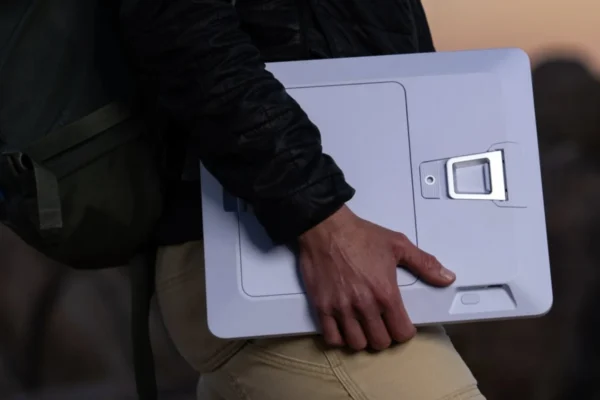









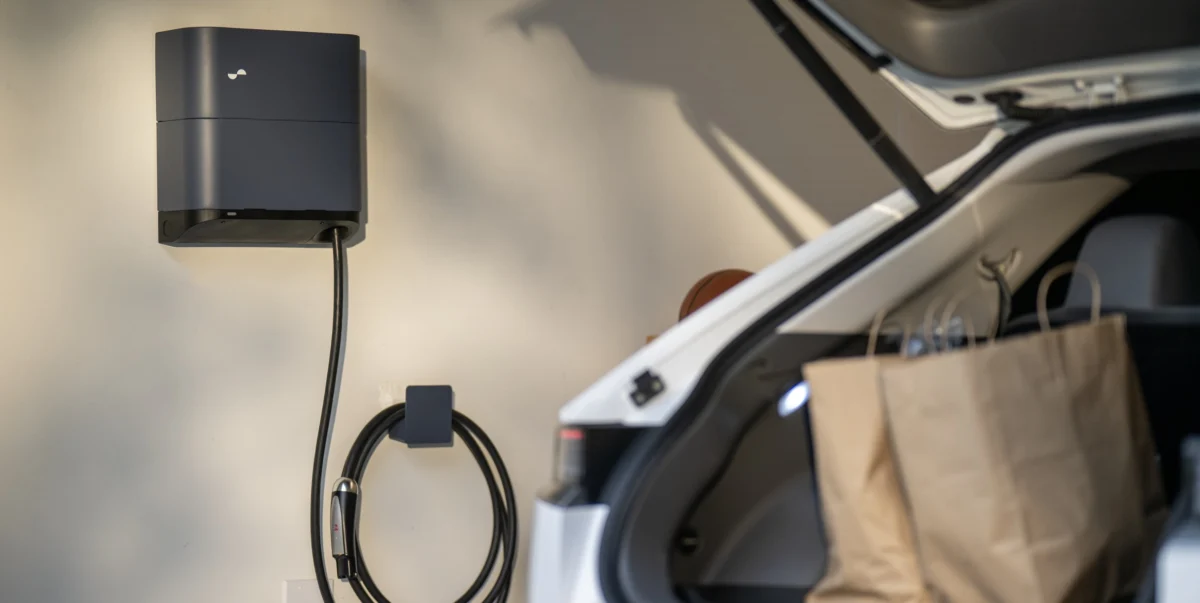
The intersection of residential energy storage and electric vehicle infrastructure has reached a significant milestone with Lunar Energy’s announcement of a high-capacity 25-kilowatt (kW) home direct current (DC) fast charger and an expanded next-generation home battery ecosystem. Designed to integrate seamlessly with modern residential architecture and a
growing fleet of electric vehicles, the newly unveiled system aims to transform how homeowners manage power consumption, emergency back-up capabilities, and interaction with the wider electrical grid.
As energy demands shift and the adoption of electric vehicles accelerates worldwide, the pressure on domestic electrical infrastructure has intensified. Traditional Level 2 home chargers typically operate between 7 kW and 19.2 kW using alternating current (AC), which requires the vehicle’s internal inverter to convert power before storing it in the battery pack. Lunar Energy’s new hardware bypasses this limitation by utilizing direct current architecture, connecting straight to the DC side of the company’s proprietary battery stack. This engineering approach not only enables rapid energy transfer—adding approximately 100 miles of driving range to a compatible electric vehicle in just one hour—but also circumvents the costly and disruptive electrical panel upgrades traditionally associated with high-power residential charging installations.
Comprehensive Product Roadmap and Hardware Architecture

The rollout of Lunar Energy’s new ecosystem is scheduled in distinct phases to ensure manufacturing readiness and rigorous quality assurance. The next-generation home battery system is slated to reach consumers in early 2027, followed closely by the introduction of the Lunar Fast Charger in mid-2027.
At the core of this hardware update is a redesigned modular battery platform featuring a 13.4-kW inverter and individual 5-kWh battery modules. This modular flexibility allows homeowners to configure a single tower anywhere from 10 kWh to 30 kWh of storage capacity, catering to a wide spectrum of household energy profiles. For larger residential estates or multi-unit properties, multiple towers can be installed side by side to scale capacity up to 300 kWh.
Beyond single-family residences, Lunar Energy is scaling its technology upward to address commercial applications. The company has introduced pad-mounted configurations capable of reaching up to 1 megawatt-hour (MWh) for small businesses. Commercial enterprises can deploy these industrial-grade batteries to safeguard operations against unexpected outages and strategically mitigate demand charges—the utility fees levied based on a facility’s peak power draw during high-demand intervals.
Furthermore, supply chain localization remains a pillar of Lunar Energy’s operational strategy. System assembly takes place across several domestic manufacturing hubs in California, Georgia, Idaho, and Washington, while core research, development, and engineering operations are anchored in Mountain View, California. The hardware is designed to accommodate various installation types, interfacing cleanly with new solar panel arrays via Lunar Maximizer optimizers, existing legacy solar setups, or operating independently as a standalone storage and charging node.
Unlocking Bidirectional Capabilities: V2H and V2G Integration

A defining feature of the Lunar Fast Charger is its support for bidirectional energy flow, enabling compatible electric vehicles to serve as mobile power plants. Through Vehicle-to-Home (V2H) functionality, stored energy within an electric vehicle’s high-capacity battery pack can be discharged to sustain household operations during multi-day grid outages. Depending on the specific energy demands of the household and the total capacity of the vehicle’s battery, this capability can effectively insulate families from extended blackouts without requiring massive, dedicated stationary storage arrays.
In addition to emergency home backup, the system is engineered to support Vehicle-to-Grid (V2G) capabilities, allowing motorists to feed surplus electricity back into the public utility grid during periods of peak demand. By participating in these dynamic exchange markets, consumers have the potential to offset their overall energy expenditures or generate supplemental revenue.
Industry analysts emphasize, however, that realizing the full potential of V2H and V2G depends heavily on external variables. While the physical hardware supports bidirectional power transfer—utilizing standard CCS and NACS connector formats—actual performance relies on specific vehicle compatibility, which varies significantly across automotive manufacturers. Moreover, V2G financial incentives are contingent upon the establishment of local utility programs and regulatory frameworks, meaning participation and monetary returns will not be automatically guaranteed upon installation.
Intelligent Energy Management via Lunar AI and Virtual Power Plants
To manage the complex interplay between rooftop solar generation, stationary battery storage, electric vehicle charging, and fluctuating utility tariffs, Lunar Energy relies on its proprietary software suite, Lunar AI. The intelligent platform continuously analyzes real-time electricity pricing structures, regional weather forecasts, and historical household energy consumption patterns to automate charging and discharging schedules. By strategically timing when to draw from the grid, store energy, or export power, the software maximizes financial returns for the homeowner.

According to internal company metrics, California-based customers utilizing Lunar AI saved an average of $338 last year beyond the savings generated by a standard, unoptimized battery operating mode. This software-driven efficiency forms the backbone of the company’s broader participation in Virtual Power Plants (VPPs).
Lunar Energy’s established Gridshare software platform currently coordinates more than 150,000 distributed energy resources globally. By aggregating these decentralized residential assets, the platform enables utilities and grid operators to dispatch stored energy during grid emergencies or high-stress periods, reducing reliance on fossil-fuel peaking plants. Gridshare currently operates active VPP networks across California, Hawaii, and Texas, with ongoing expansions underway in Utah, Nevada, and New Jersey, alongside international operations spanning Europe, the United Kingdom, and Japan.
Market Implications and Outstanding Consumer Considerations
The introduction of a 25-kW residential DC fast charger represents a paradigm shift for the residential energy market, bridging the gap between automotive transit and domestic power resilience. As consumers increasingly view their electric vehicles as mobile assets rather than mere transportation, ecosystems that safely tie these vehicles into the home energy network are expected to gain considerable traction.
Despite the technological promise of the Lunar system, key details remain undisclosed. Lunar Energy has yet to release official pricing information for either the home DC fast charger or the updated battery configurations. Additionally, the company has not published a definitive list of automotive partners whose vehicles will fully support bidirectional charging through the hardware at launch.

For homeowners and industry observers alike, these financial and compatibility metrics will serve as critical determinants in assessing the mainstream viability of residential DC fast charging. As the 2027 rollout windows approach, prospective buyers will be monitoring how automakers adapt their vehicle architectures to leverage high-speed domestic bidirectional ecosystems, potentially setting a new standard for decentralized energy independence.