










SpaceX has officially disclosed a massive $50 billion price tag for the colossal supercomputer campus it intends to construct in the remote southern Arizona desert, framing the initiative as a cornerstone for its expanding artificial intelligence and high-performance computing infrastructure. Revealed through a series of local administrative filings and public town halls, the massive investment in Cochise County—situated roughly 80 miles east of Tucson—underscores the private aerospace and defense contractor’s aggressive pivot toward terrestrial data center operations. When paired with a separate, heavily contested $24 billion gas plant and supercompute facility planned at Starbase, Texas, the company’s total infrastructure commitment exceeds $74 billion in capital outlays designed to feed its insatiable demand for raw computing power.
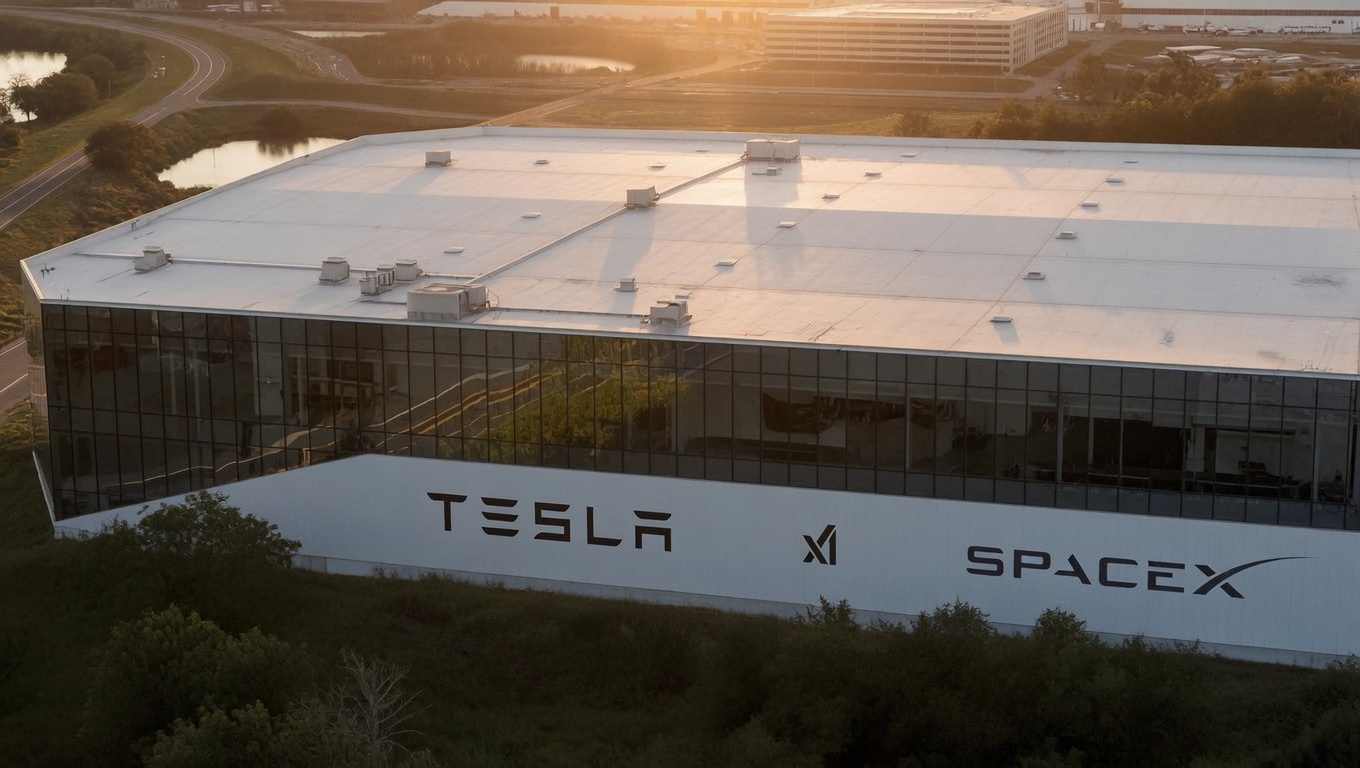
The Arizona project, operating under the preliminary application name Tombstone Resources LLC, represents one of the largest single industrial real estate and technological investments in the state’s modern history. While corporate representatives initially utilized an alternate moniker to avoid drawing premature public scrutiny from outside Cochise County, the scale of the operation has quickly thrust the venture into the national spotlight. The proposed development calls for a sprawling 747-acre campus near the Willcox Playa, featuring up to nine individual industrial structures, each measuring approximately 493,000 square feet.
Power Demands and Infrastructure Engineering
The sheer magnitude of the Arizona facility’s power requirements has emerged as the central point of discussion among regional planners, utility providers, and local residents. According to technical specifications outlined in municipal filings, SpaceX intends to bring the campus online across four distinct phases, scaling power consumption in increments of roughly 1.5 gigawatts (GW) until reaching a staggering 6 GW at full build-out. To contextualize this energy footprint, a comprehensive analysis by regional researchers indicates that a 6 GW facility would draw approximately two and a half times more electricity than every existing data center in Maricopa County combined.
To support this massive electrical load without crippling the local electrical grid, the infrastructure proposal incorporates a massive 24 gigawatt-hour (GWh) battery energy storage system alongside approximately $3.6 billion in dedicated grid transmission upgrades. The development site is strategically positioned immediately adjacent to the Apache Generating Station, an aging coal and natural gas power facility with roughly 1 GW of capacity that was previously scheduled for retirement by 2028. SpaceX executives have indicated that their multi-billion-dollar capital injection will not only save the plant from decommissioning but actively expand its generation capacity to surpass the required 6 GW threshold.
Despite the immense power draw, corporate representatives have emphasized the project’s sustainability and resource-conservation measures, particularly regarding water usage in an arid region. The campus is designed to utilize advanced dry-cooling technology, completely eliminating industrial groundwater consumption. Ongoing operational water needs are projected to remain remarkably low at just 7 to 10 acre-feet per year—an annual volume roughly equivalent to the consumption of 20 to 30 typical suburban households. Furthermore, company economic projections suggest the influx of heavy industry could ultimately reduce electricity bills for members of local utility cooperatives by up to 20 percent through economies of scale and grid stabilization.

Community Opposition and Regulatory Hurdles
The ambitious timeline faces substantial bureaucratic and grassroots opposition as regulatory bodies prepare for consequential public hearings. In Cochise County, local residents and environmental advocates have organized formal pushback, gathering roughly 2,400 signatures on a petition urging the county board to deny the necessary zoning permits. Critics have raised valid concerns regarding local air quality, industrial sprawl, and the potential ecological disruption of the nearby Willcox Playa, which serves as a vital seasonal habitat and landing zone for federally protected sandhill cranes.
SpaceX maintain that its comprehensive site designs and environmental mitigations fully account for local wildlife patterns and migratory corridors. The formal administrative process reaches a critical juncture on December 9, when the Cochise County Planning and Zoning Commission is scheduled to host a high-stakes public hearing in Bisbee, following a formal deadline for written public comments. Should the regulatory panel grant the necessary permits, initial construction activities could commence as early as March 2027, unlocking thousands of regional construction opportunities.

The Parallel Battleground at Starbase, Texas
Simultaneously, SpaceX is navigating an equally complex political and regulatory landscape at its primary corporate headquarters in South Texas. The Starbase City Commission is scheduled to evaluate a lucrative property tax abatement and a comprehensive economic development agreement during its own December 9 public hearing, directly addressing a proposed $24 billion gas plant and supercomputing campus. The underlying real estate parcel—comprising approximately 444 acres situated between Boca Chica Boulevard and the Port of Brownsville—was successfully annexed by Starbase following a strategic maneuver in August, wherein SpaceX provided $220 million in local water and infrastructure funding commitments to the neighboring city of Brownsville.
This strategic annexation successfully shielded the massive enterprise from a newly enacted 90-day municipal moratorium on data center developments implemented within Brownsville proper. By situating the facility within the jurisdiction of Starbase, SpaceX aims to bypass standard municipal roadblocks, while simultaneously utilizing onsite fossil-fuel generation to circumvent state-level grid constraints. Regulatory filings submitted to the Texas Commission on Environmental Quality (TCEQ) reveal that the company is seeking air permits for roughly 35 mobile gas turbines capable of generating an aggregate 750 megawatts of independent power.
However, the political climate surrounding Texas energy infrastructure and industrial development is undergoing a dramatic paradigm shift. Following recent political shifts and the impending inauguration of Governor-elect Gina Hinojosa—who unseated incumbent leadership on a platform emphasizing strict environmental oversight and infrastructure freezes—state-level approvals face heightened scrutiny. Hinojosa has publicly committed to halting fast-tracked data center permits until the state legislature enacts more stringent regulatory protections, casting a shadow of uncertainty over the long-term permitting timeline for both terrestrial energy plants and associated land acquisitions.
Chronology of Expansion and Compute Targets
The aggressive push into Cochise County and Starbase represents the latest chapter in SpaceX’s rapid escalation of artificial intelligence infrastructure, a trajectory that traces back through several key operational milestones over recent years:

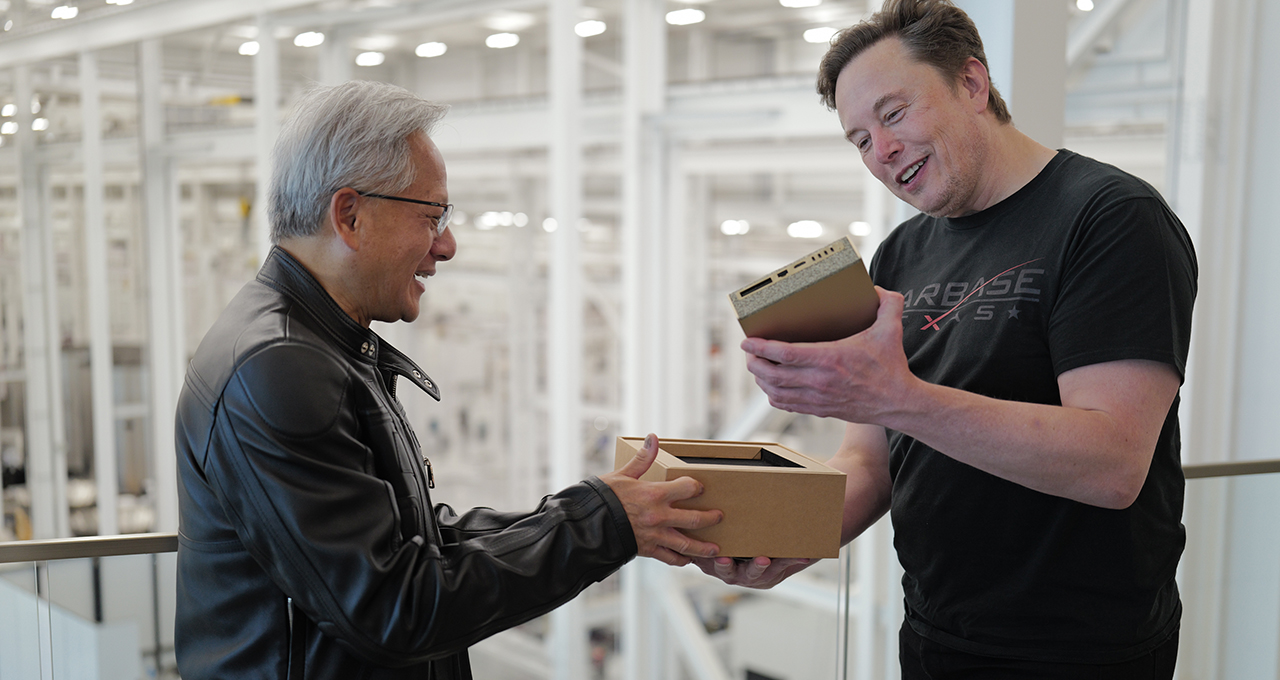
- August 2016: Nvidia delivers its very first DGX-1 AI supercomputer directly to Elon Musk, laying the early hardware foundation for future enterprise computing ambitions.
- August 2026: SpaceX holds its inaugural earnings call as a publicly traded entity, announcing plans to anchor its artificial intelligence infrastructure around advanced Nvidia hardware architectures.
- November 2026 (Early): Public disclosure of the Tombstone Resources LLC application reveals the clandestine plans for the massive 747-acre Arizona supercompute campus.
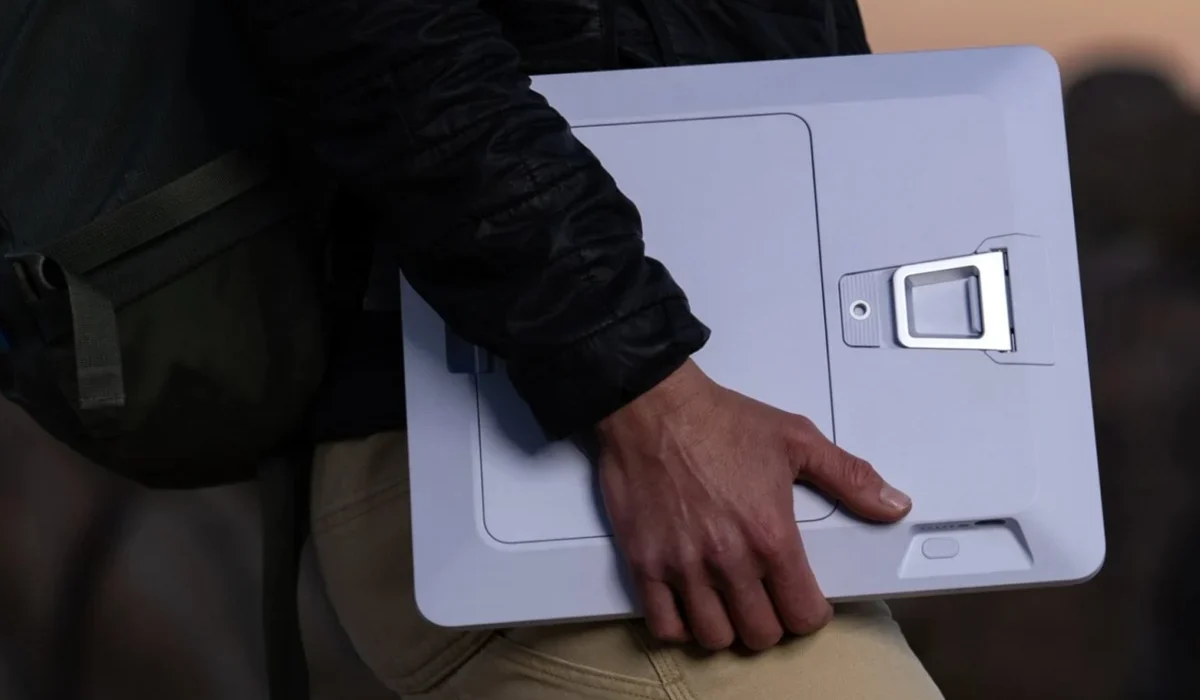
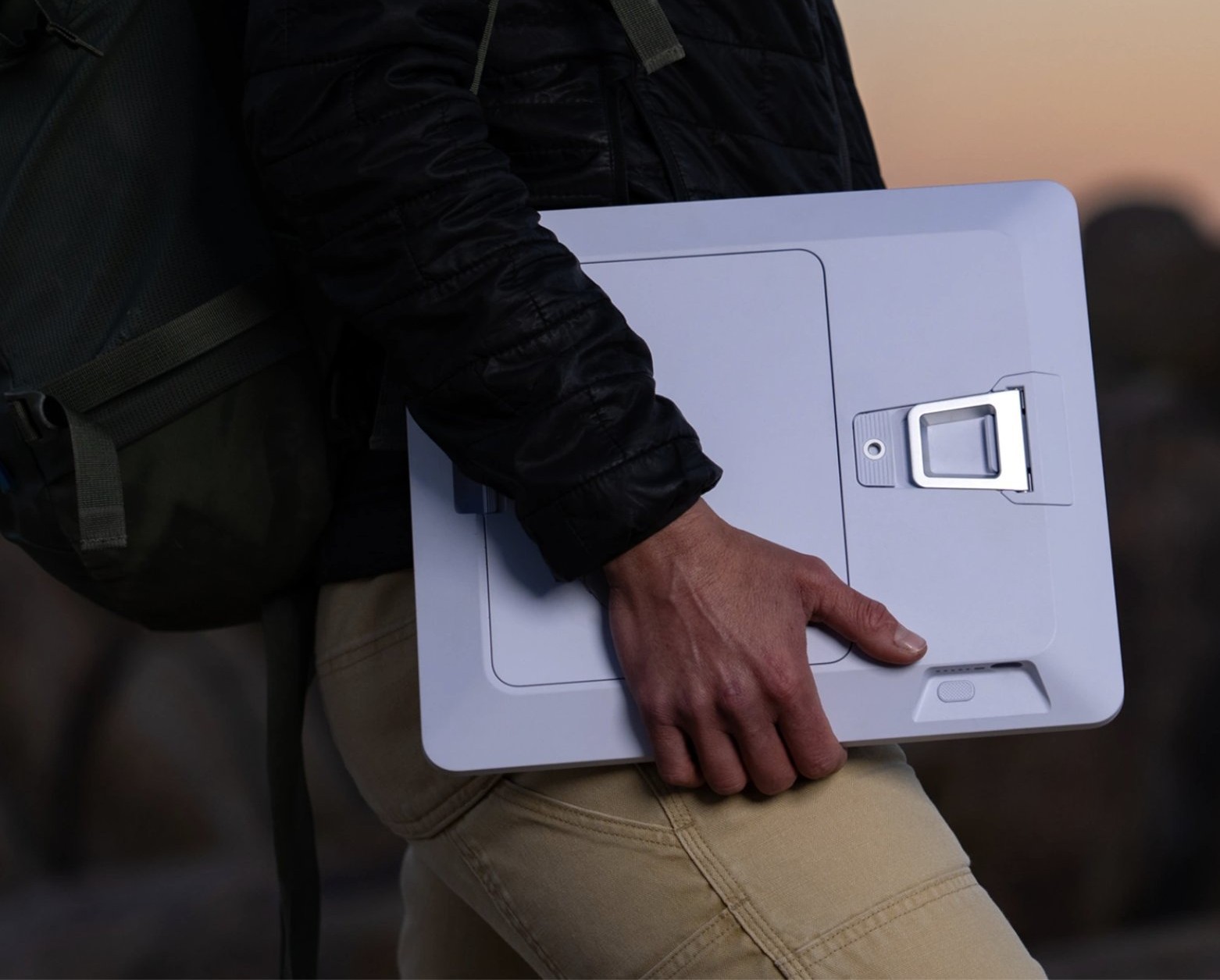
- November 2026 (Mid): SpaceX formally unveils the Starlink Mini 2 featuring quick-swap battery architecture, while regional political changes in Texas threaten pending state-level environmental permits.
- December 9, 2026: Concurrent high-stakes public hearings scheduled for the Cochise County Planning and Zoning Commission in Arizona and the Starbase City Commission in Texas.
- March 2027 (Projected): Earliest anticipated commencement date for civil construction on the Cochise County infrastructure project, pending regulatory approval.
Broader Economic and Technological Implications
From an operational standpoint, SpaceX’s aggressive capital allocation reflects a fundamental race to secure proprietary compute dominance. Having ended the third quarter with 1.7 gigawatts of nameplate compute capacity—largely anchored by its sprawling Colossus data center operations in the Memphis area—the company is rapidly scaling toward a target of 2.5 to 3 gigawatts by the conclusion of the year, with ambitions to deploy tens of gigawatts more throughout 2027.
Yet, as terrestrial power grids strain under the unprecedented electrical demands of modern artificial intelligence clusters, the long-term viability of massive ground-based facilities remains a subject of intense debate within the technology sector. Musk has repeatedly noted that terrestrial data center expansion faces acute bottlenecks regarding electrical generation, transmission capacity, and environmental permitting. These limitations have progressively accelerated parallel research and development into orbital computing initiatives, such as the proposed Starmind constellation, which aims to deploy data processing payloads directly into space.
As the December 9 regulatory showdowns approach in both Arizona and Texas, the immediate future of SpaceX’s terrestrial supercomputing empire hangs in the balance. The outcomes of these upcoming municipal hearings will not only dictate the economic and industrial trajectory of rural Cochise County and coastal South Texas, but will also serve as a definitive litmus test for how modern infrastructure developers balance the staggering energy appetites of artificial intelligence with local environmental stewardship and community consent.