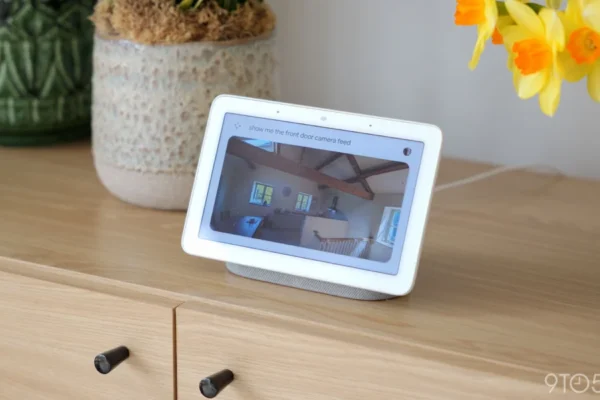










The onset of the holiday shopping season has officially accelerated, with major retailers including Amazon, Best Buy, and Walmart launching their early Black Friday campaigns weeks ahead of the traditional post-Thanksgiving surge. This retail shift has coincided with a significant wave of markdowns across the Google Play Store, where a wide array of premium applications, mobile games, and digital tools are currently available for free or at substantial discounts. As consumers prepare for the peak consumption period of the year, these digital storefronts are competing for early attention by pairing hardware discounts—such as the Google Home Speaker and the new Samsung Galaxy SmartTag 3—with software incentives that enhance the value proposition for mobile device users.

The Evolution of the Early Black Friday Phenomenon
The concept of "Black Friday" has evolved dramatically over the last decade. Historically a one-day event characterized by in-store doorbusters, the phenomenon has transitioned into a month-long digital event. This year, the shift is more pronounced than ever. By initiating sales in mid-November, retailers are attempting to mitigate supply chain bottlenecks, spread out logistics demand, and capture consumer spending before competitors can secure their attention.

For Google Play users, this trend is mirrored in the aggressive pricing strategies of developers and publishers. Many developers use the Black Friday window to increase the visibility of their titles, often dropping prices to near-zero or offering significant discounts to climb the "Top Paid" and "Trending" charts. This strategy serves a dual purpose: it drives immediate revenue through volume and boosts the app’s long-term ranking within the Google Play algorithm, which remains one of the most effective ways for independent developers to achieve sustained growth.

A Curated Selection of High-Value Software Deals
Today’s highlighted discounts represent a diverse range of genres and utility. Notable titles currently seeing price adjustments include Agent A: A puzzle in disguise, a critically acclaimed espionage-themed adventure game; Swim Out, a strategic, turn-based puzzle game; and the atmospheric simulation title Potion Permit.

Additionally, the marketplace is seeing significant movement in specialized productivity and creative tools. The KORG Kaossilator for Android, a professional-grade music synthesizer, is currently among the most prominent deals. This transition from recreational gaming to professional creative software suggests that developers are targeting a broad demographic of users who are looking to maximize the utility of their mobile hardware during the holiday season. Other titles like Burst Busters: Action Survival, The Mutiny, and Stop Santa: Tower Defense offer seasonal and genre-specific entertainment for users looking to bolster their digital libraries.

Hardware and Ecosystem Integration
The software discounts are not occurring in a vacuum. They are deeply integrated with the broader Google hardware ecosystem. As retailers like Best Buy and Amazon drop prices on the Google Home Speaker and introduce the Google Pixel Tag Find Hub tracker, the demand for high-quality, compatible software increases.

The launch of the Samsung Galaxy SmartTag 3, which is seeing its first round of promotional pricing, highlights the industry’s focus on the "connected home" and "find-my-device" ecosystems. By bundling or simply coinciding these hardware deals with deep discounts on productivity apps and games, manufacturers are attempting to create a "sticky" ecosystem where the user is incentivized to invest in both hardware and software simultaneously.

Market Implications and Developer Strategy
The current landscape of the Google Play Store reflects a maturing market. Historically, the mobile app market was defined by the "race to the bottom" regarding pricing. However, as the market reaches saturation, developers are becoming more strategic with their sales cycles.

Data from mobile app analytics firms suggests that developers who participate in coordinated holiday sales events experience a 30% to 50% increase in daily active users (DAU) during the sale period. This influx of new users often leads to higher long-term retention rates, provided the software quality is high. Furthermore, for games that feature "in-app purchase" models, a temporary price drop acts as a "top-of-funnel" marketing strategy, drawing in a large user base that may eventually contribute to microtransactions.

Chronology of the 2026 Holiday Sale Rollout
- Early November (Pre-Sale Phase): Retailers began teasing Black Friday deals, focusing on legacy hardware and clearing inventory.
- November 12 (Initial Hardware Push): The official release of the Samsung Galaxy SmartTag 3 provided a catalyst for the first wave of smart-device discounts.
- Mid-November (Software Alignment): Independent developers and larger publishers began synchronizing their Google Play Store price drops with the major retail sales events.
- Current Status: The market is now in a "peak window" where both hardware and software are aggressively priced, aimed at maximizing conversion rates ahead of the Thanksgiving holiday.
Official Perspectives and Consumer Advice
While retailers have not issued specific statements regarding the volume of this year’s digital sales, industry analysts note that the increased competition between Amazon, Best Buy, and Walmart is driving unprecedented value for consumers. The emphasis on digital goods—apps and games—is particularly notable, as these items have zero shipping costs and are immune to the traditional inventory issues that plague physical retailers.

Experts in the consumer electronics space advise that while these deals are compelling, users should remain vigilant regarding app permissions and developer history. "The sheer volume of apps going on sale can sometimes obscure lower-quality titles," notes a digital retail analyst. "Consumers should prioritize reputable developers and verify the standard price of an application before making a purchase, ensuring that the ‘discount’ represents genuine value."

Broader Economic Context
The aggressive nature of these early sales also reflects the current macroeconomic environment. With consumers being more selective about discretionary spending, retailers are finding that they must offer deeper discounts earlier in the season to capture interest. The combination of hardware and software deals allows a family to refresh their technology stack—potentially picking up a new tracker or smart speaker—while simultaneously filling their mobile devices with high-quality content at a fraction of the cost.

As we move toward the final week of November, the expectation is that these deals will either stabilize or be replaced by "Cyber Monday" specific offers. For the time being, the current window provides a unique opportunity for users to acquire premium software that typically commands a higher price point throughout the rest of the year.

Summary of Ongoing Opportunities
In addition to the aforementioned titles, the following applications continue to see sustained discount activity:

- Role-Playing Games: 9th Dawn III, Infinity Dungeon, and RPG Alphadia Genesis.
- Utility and Productivity: NewThing Widgets Pro, Full Battery Alarm, and various icon packs like Ergon and Darko.
- Horror and Thriller: Reporter – Scary Horror Game and Deadhand Protocol.
As these promotions remain live, users are encouraged to monitor their favorite app storefronts closely. The nature of these digital sales means that pricing can fluctuate based on developer discretion and real-time inventory adjustments, making it prudent to act quickly on titles that have been on a personal wishlist. The convergence of hardware availability and software affordability marks this period as one of the most significant windows for digital consumers in the current calendar year.