











The global smartphone market has long anticipated Apple’s entry into the foldable device category, culminating last month in the official commercial release of the iPhone Duo. As consumers and technology reviewers spend their first full weeks integrating the device into daily routines, early evaluations reveal a complex narrative. While social media channels and early adopter forums showcase widespread enthusiasm for Apple’s inaugural foldable hardware, hands-on reviews from long-term traditional smartphone users highlight an inherent tension between cutting-edge engineering and established daily usage patterns. This dichotomy raises critical questions regarding ergonomic compromises, hardware utility, and whether foldable form factors represent an inevitable industry-wide standard or a specialized niche.
Main Facts and Device Overview
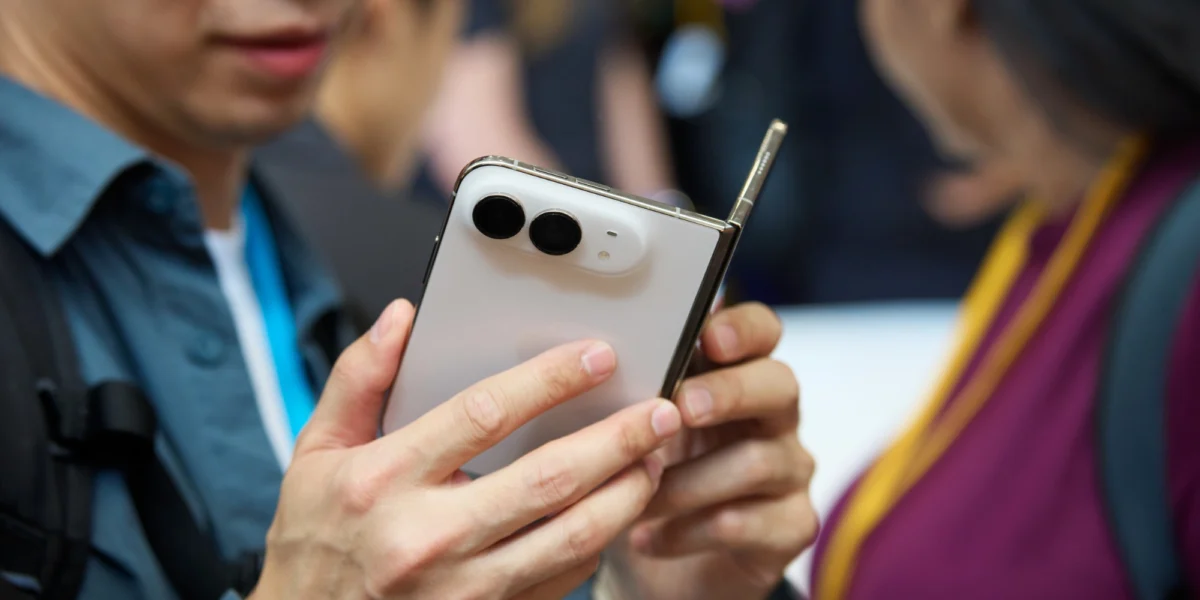
The Apple iPhone Duo introduces a book-style folding mechanism to the company’s flagship ecosystem, combining an outer cover display with an expansive inner flexible OLED panel. Designed to bridge the gap between traditional smartphones and tablet-class productivity devices, the hardware carries significant industry expectations. Industry analysts have tracked Apple’s research and development into foldable panels for nearly half a decade, noting that the Cupertino-based firm delayed its entry until component durability, crease minimization, and software optimization met stringent internal thresholds.
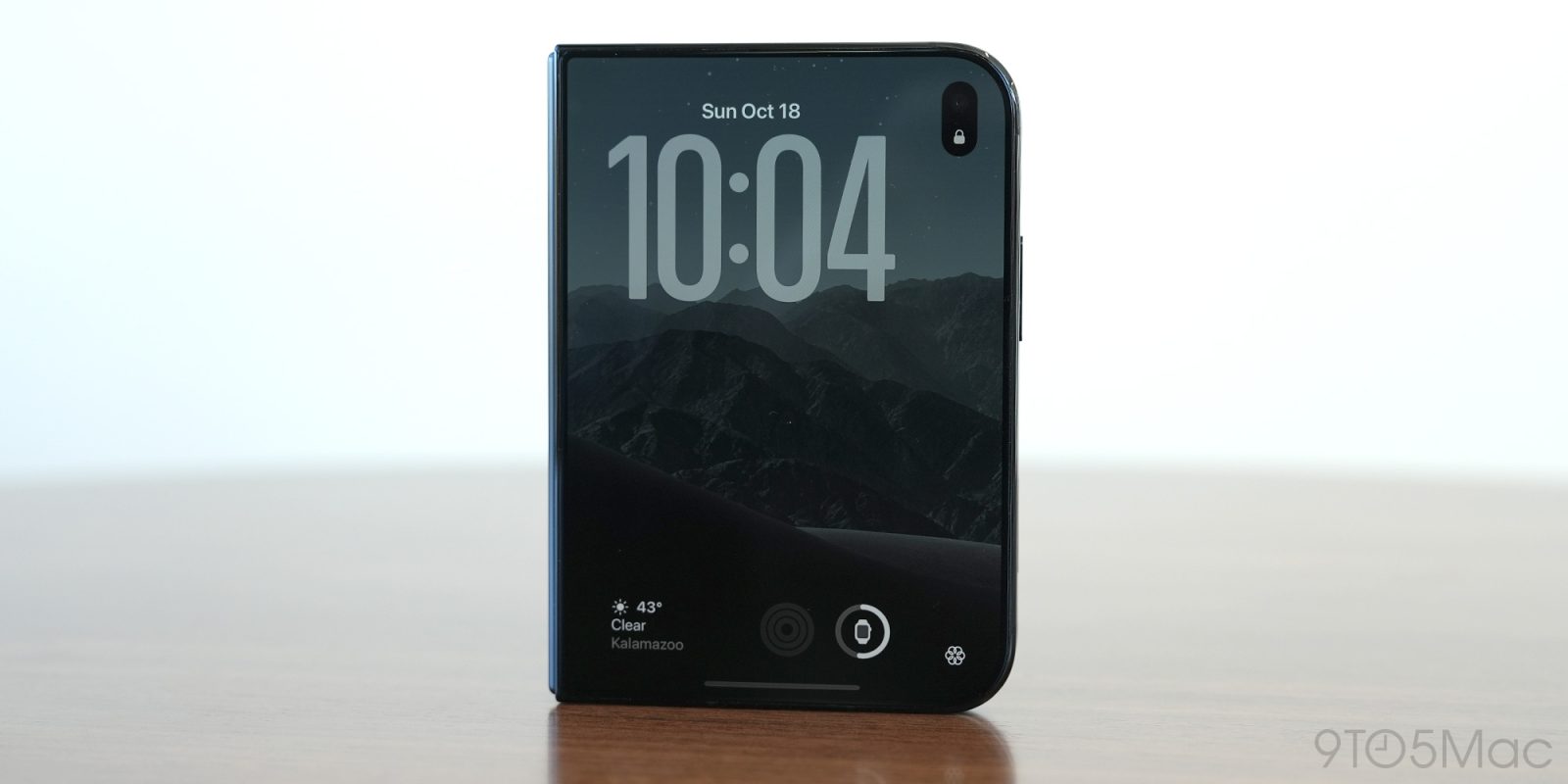
However, practical deployment in consumer hands has demonstrated that hardware innovation does not automatically translate to universal utility. Early feedback indicates that user interaction models vary drastically. While a subset of consumers readily incorporates the inner display into mobile workflows, a significant portion of users report relying predominantly on the external screen. This behavioral divide underpins the ongoing debate over the device’s long-term viability for mainstream demographics accustomed to standard candy-bar smartphone designs, such as the iPhone Pro line.
Chronology of Apple’s Foldable Development
The trajectory leading to the release of the iPhone Duo spans multiple years of industry speculation, supply chain maneuvering, and technological maturation:
- 2019–2021: Competitors in the Android ecosystem, notably Samsung and Motorola, commercialize first and second-generation foldable phones. Apple files numerous patents regarding flexible display technologies, hinge mechanisms, and software scaling, though executive leadership remains non-committal regarding a commercial product.
- 2022–2024: Supply chain reports indicate Apple is actively testing foldable display prototypes ranging from 7 to 9 inches. Analysts repeatedly adjust launch windows, citing durability challenges, thickness constraints, and the need to perfect iOS multitasking frameworks for dual-screen environments.
- Late 2025: Apple officially unveils the iPhone Duo during its annual autumn hardware event, positioning the device as a dual-purpose mobile workstation and media consumption tool. Pre-orders surpass initial supply estimates, signaling robust pent-up demand among tech enthusiasts.
- October 2026: The device reaches retail shelves and customer doorsteps globally. Initial consumer reviews emerge, reflecting a mixture of high praise for industrial design and nuanced operational critiques regarding everyday ergonomics.
Supporting Data and Ergonomic Realities
Quantitative assessments of the iPhone Duo emphasize trade-offs in physical dimensions and weight distribution. To accommodate the hinge mechanism, dual battery cells, and protective glass layers, the Duo carries a noticeably heavier chassis and a thicker profile when closed compared to standard non-folding flagships like the iPhone 18 Pro.
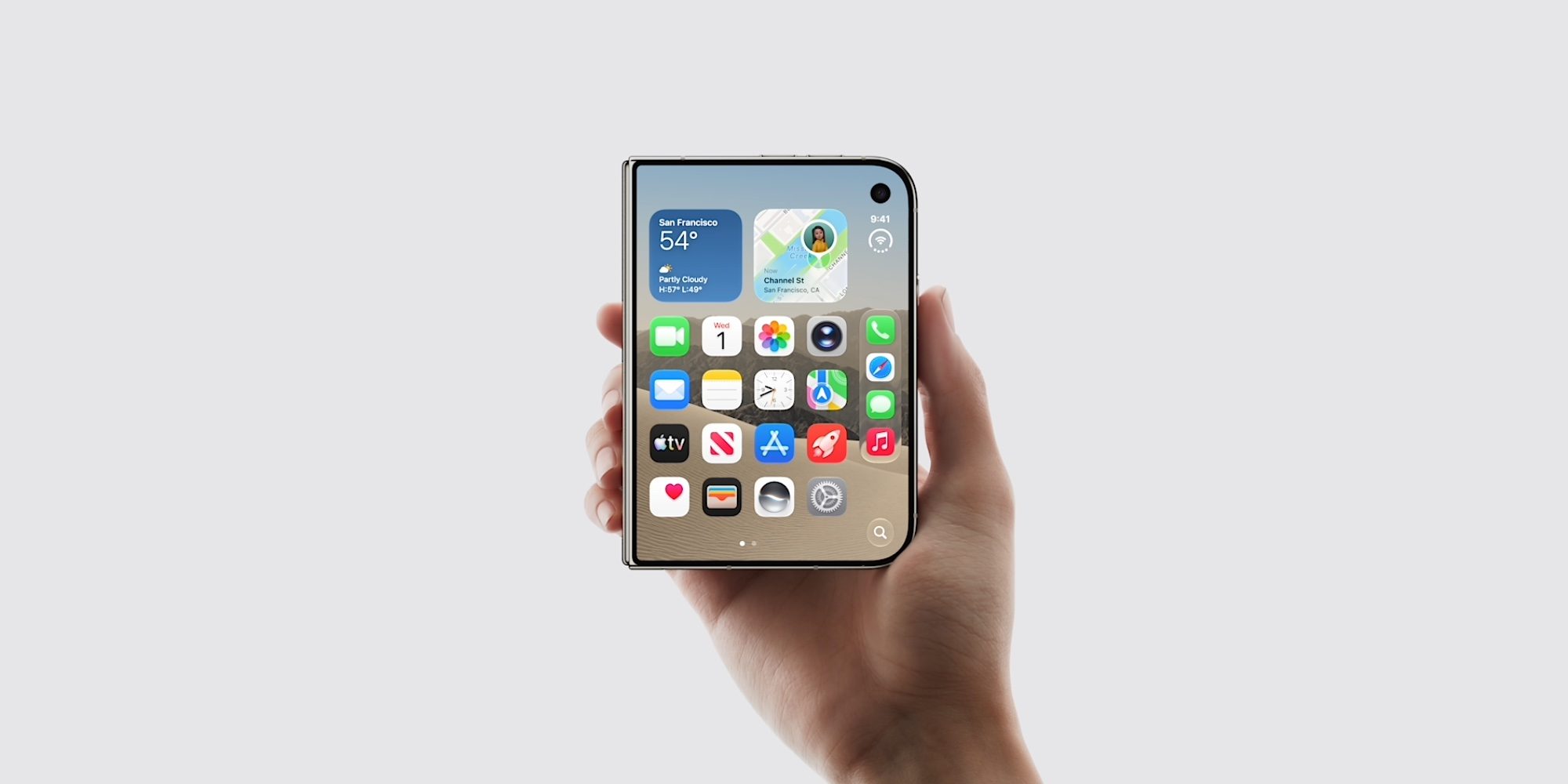
Usability metrics collected from early user reviews indicate that a substantial percentage of daily interactions—often estimated at 80% to 90%—occur exclusively on the external front display. When operating in this closed configuration, users face specific ergonomic challenges:
- Weight and Width: The increased heft makes extended one-handed usage fatiguing over prolonged periods. The broader aspect ratio of the cover screen also requires greater thumb reach across the UI compared to narrower, traditional slab phones.
- Software Adaptation: While major iOS applications scale fluidly, third-party software occasionally presents layout inconsistencies when transitioning between the outer cover display and the unfolded internal canvas.
- Contextual Friction: The physical act of unfolding the device demands two-handed operation, introducing friction for users accustomed to quick, single-handed interactions while managing external tasks, such as child care or commuting.
Furthermore, consumer lifestyle patterns heavily dictate device utility. Users who frequently operate within desktop or tablet ecosystems—such as those utilizing an iPad Pro paired with a Magic Keyboard—often find minimal incentive to unfold a smaller mobile display when larger, stationary screens are readily accessible.
Market Reception and Official Industry Response
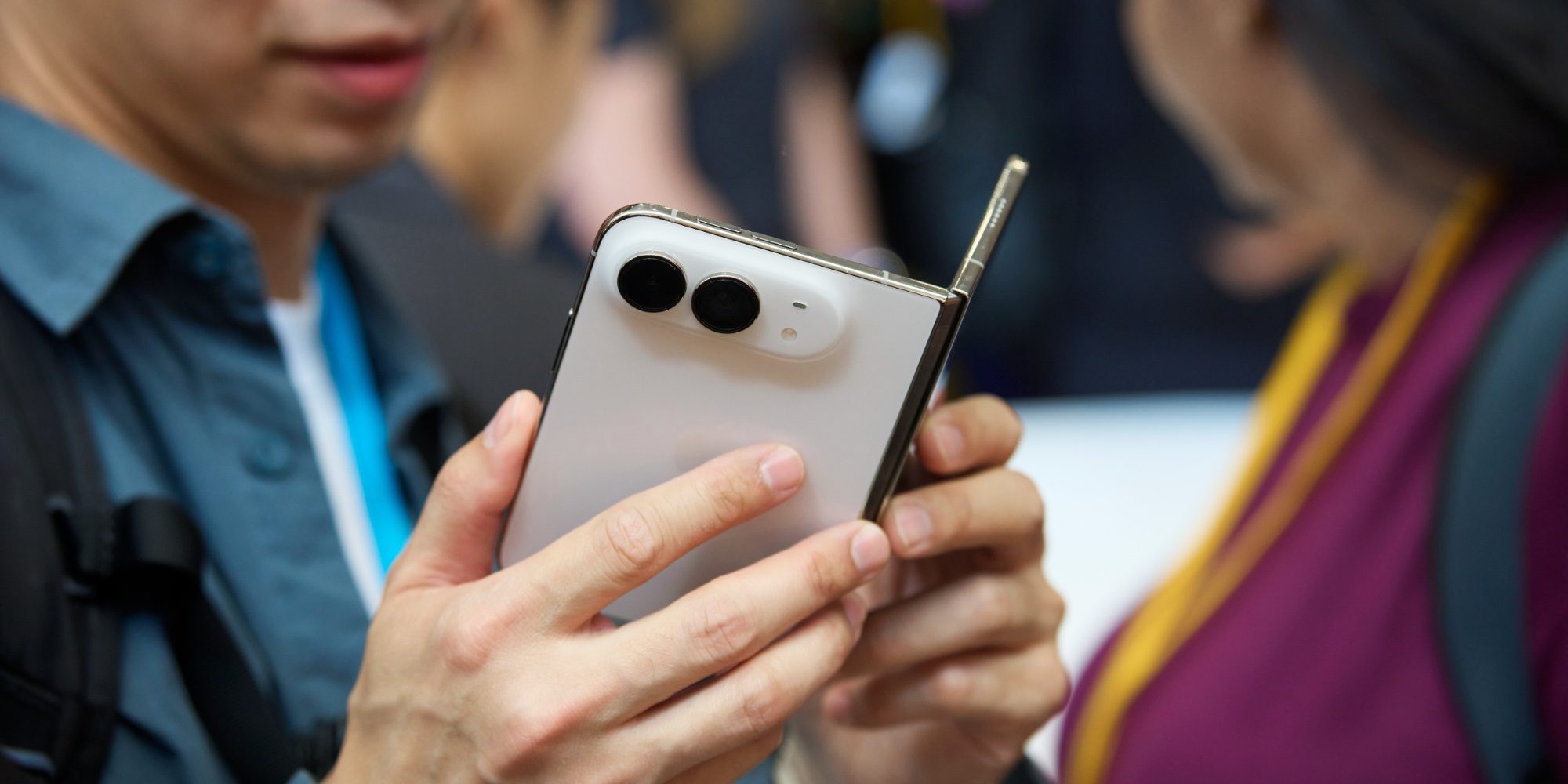
Public relations and marketing channels from Apple emphasize the engineering marvel of the Duo’s custom-molded hinge, ultra-thin glass substrate, and seamless iOS continuity features. Retail feedback suggests strong initial sell-through rates, driven primarily by early adopters, enterprise technology buyers, and consumers eager to experience the latest paradigm shift in mobile computing.
Independent market researchers point out that historical adoption curves for category-defining products often feature a polarization phase. Similar user friction was observed during the initial transitions to large-screen phablets and biometric authentication standards. Analysts from major financial institutions suggest that the success of the iPhone Duo should not be measured solely by day-one enthusiasm or isolated ergonomic complaints, but by long-term retention rates and subsequent hardware iterations.
Broader Impact and Industry Implications
The introduction of the iPhone Duo marks a watershed moment for the broader smartphone industry, validating the foldable form factor for a massive consumer base that historically awaited Apple’s validation before adopting new technologies. However, the mixed reviews underscore a fundamental reality of hardware design: form factor convergence is not guaranteed.
If a significant segment of the consumer market continues to favor the durability, weight distribution, and single-handed convenience of traditional slab devices, manufacturers may need to pursue a dual-track product strategy for the foreseeable future. This approach would ensure that foldable devices cater to power users and multitasking enthusiasts, while conventional smartphones remain optimized for streamlined, everyday mobile communication.

As return windows close and second-month usage metrics begin to circulate across technology forums and market research firms, the true test for the iPhone Duo will lie in its ability to inspire third-party developers to create compelling, folding-exclusive experiences. Until then, the device serves as a fascinating case study in the evolution of human-computer interaction, proving that even the most advanced engineering must continually align with the diverse and often rigid habits of everyday users.