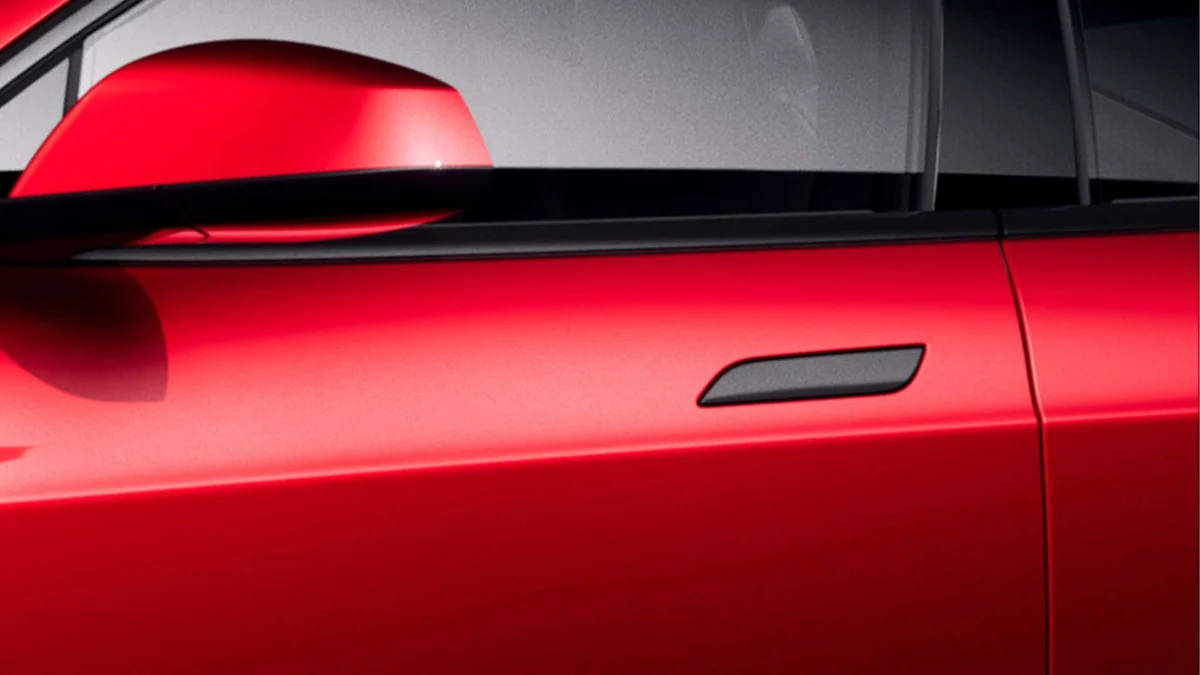
The National Highway Traffic Safety Administration (NHTSA) has announced its intention to initiate a rulemaking process aimed at establishing new safety standards for interior door release systems in all motor vehicles. This proactive measure follows a period of scrutiny and public concern, particularly highlighted by issues surrounding Tesla’s innovative, yet sometimes controversial, electronic door handle designs. While NHTSA has decided not to classify Tesla’s Model 3 interior door releases as a safety defect, the agency’s broader regulatory action signals a significant shift towards mandating more robust and universally accessible egress systems.
Background of the Egress System Scrutiny
The debate surrounding vehicle door release mechanisms gained significant traction after a series of investigative reports, notably from Bloomberg, detailed incidents where occupants of Tesla vehicles, including the Model 3, were unable to exit their cars following crashes. These incidents were often exacerbated by the loss of electrical power, which rendered the electronic push-button releases inoperable. While Tesla vehicles are equipped with manual backup release levers, their design and placement have been criticized for not being sufficiently intuitive or easily accessible, especially for individuals unfamiliar with the system or in a state of panic. Furthermore, these manual releases have been noted as potentially posing challenges for first responders attempting to gain access to occupants during emergencies.
This scrutiny intensified as lawmakers began proposing legislation, such as the "Safe Exit Act," to address the potential safety vulnerabilities associated with modern electronic door release systems. The underlying concern is to ensure that all vehicle occupants, regardless of their technical familiarity with the car or the severity of a crash, can safely exit the vehicle in a timely manner.

NHTSA’s Regulatory Pathway
Instead of pursuing a specific defect investigation into Tesla’s current systems, NHTSA has opted for a more comprehensive and forward-looking approach. By initiating a rulemaking proceeding, the agency aims to establish a federal standard that will apply to all manufacturers and all vehicles sold in the United States. The proposed rulemaking explicitly states the intention to "mandate a robust and obvious door egress system in all motor vehicles." This suggests a focus on ensuring that any electronic release system is accompanied by a clearly identifiable and easily operable manual backup, or that the primary release mechanism itself is inherently fail-safe and intuitive.
The process of creating and implementing new federal motor vehicle safety standards (FMVSS) is known for its thoroughness and often lengthy duration. NHTSA’s rulemaking process typically involves several key stages:
- Advance Notice of Proposed Rulemaking (ANPRM): This initial step often seeks to gather broad public input and identify potential issues and solutions.
- Notice of Proposed Rulemaking (NPRM): Following the ANPRM, NHTSA will publish a detailed proposal outlining the specific requirements and standards it intends to implement. This stage also opens a public comment period, allowing manufacturers, consumer groups, and the general public to voice their opinions and provide feedback.
- Final Rule: After reviewing all public comments and conducting further analysis, NHTSA will issue a final rule, which specifies the mandatory requirements and sets an effective date for compliance.
This multi-stage process is designed to ensure that new regulations are well-considered, technically feasible, and address the safety concerns effectively while also considering the potential impact on the automotive industry. Given the broad implications of mandating changes to fundamental vehicle egress systems, this rulemaking is expected to be a significant undertaking.
Global Precedents and Industry Trends
The move by NHTSA aligns with a growing global trend toward stricter regulations concerning vehicle door releases. Notably, China has already announced its intention to enforce more stringent rules on both interior and exterior door handles for electric vehicles, with these regulations set to take effect in 2027. This proactive stance by China indicates a recognition of the evolving challenges posed by new vehicle technologies and their impact on safety.

Furthermore, the automotive industry itself has been exploring various solutions to enhance door egress safety. Some manufacturers, like Volvo, have been recognized for innovative approaches to electric door handles that aim to mitigate potential safety issues. These industry-led developments suggest a broader awareness and commitment to improving these systems, even in the absence of stringent mandates. However, the NHTSA’s proposed rulemaking indicates that a universal, legally binding standard is deemed necessary to ensure consistent safety across the entire vehicle fleet.
Implications for the Automotive Industry and Consumers
The forthcoming NHTSA rulemaking is poised to have significant implications for automakers. Manufacturers will likely need to re-evaluate their current door release designs, particularly those employing advanced electronic systems that may lack a sufficiently robust or obvious manual backup. This could necessitate design modifications, engineering changes, and potentially increased manufacturing costs. The industry will be closely watching the specifics of the proposed rules to understand the scope of these changes and to plan for compliance.
For consumers, the ultimate outcome of this rulemaking process is expected to be enhanced safety. By ensuring that all vehicles are equipped with reliable and easily accessible means of egress, NHTSA aims to reduce the risk of entrapment in post-crash scenarios. This could provide greater peace of mind for drivers and passengers, particularly in emergency situations. The emphasis on "robust and obvious" systems suggests a move towards greater intuitiveness and reliability, making it easier for anyone to exit a vehicle quickly and safely.
The decision by NHTSA to focus on a broad rulemaking rather than individual defect investigations highlights a strategic approach to anticipating and addressing emerging safety challenges in the rapidly evolving automotive landscape. As vehicles become more technologically advanced, regulators are tasked with ensuring that innovation does not come at the expense of fundamental safety principles. The development of new standards for interior door releases is a clear indication of NHTSA’s commitment to this principle, aiming to safeguard all occupants in the event of a vehicle emergency. The industry now faces the task of adapting to these evolving safety expectations, ensuring that the future of vehicle design prioritizes both cutting-edge technology and uncompromised occupant safety.