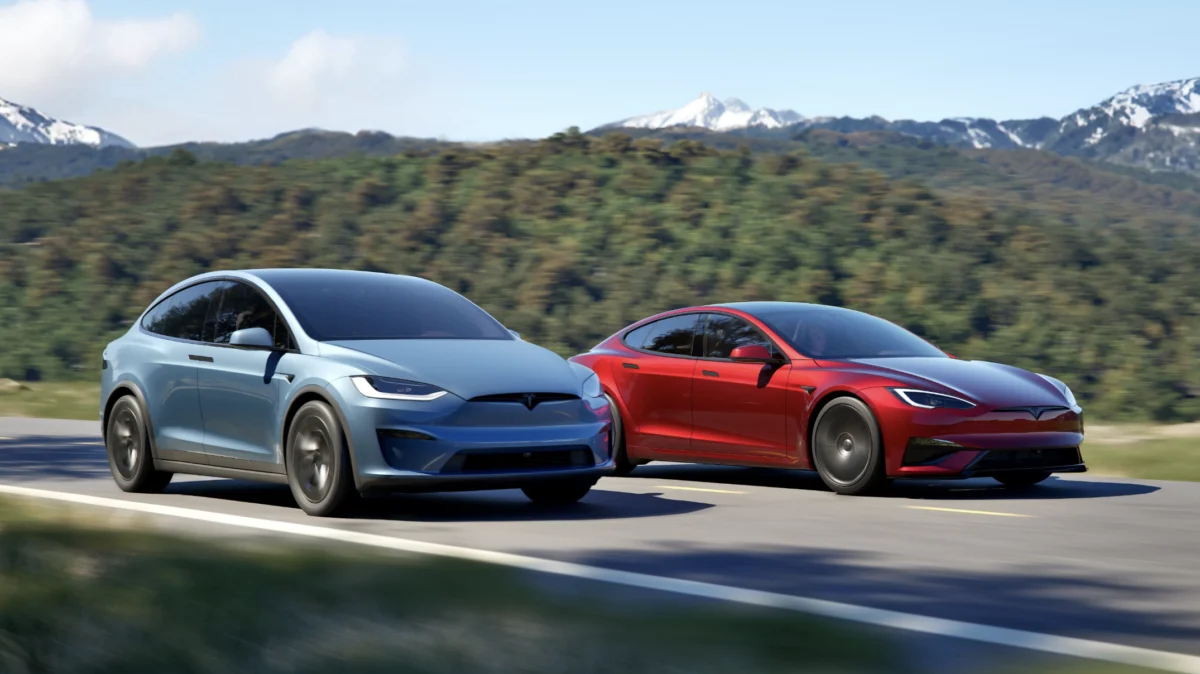
Tesla CEO Elon Musk has announced the company’s intention to "open source" the design and engineering of its Model S and Model X electric vehicles, mirroring a similar initiative undertaken for the original Tesla Roadster. This declaration, made via a post on X (formerly Twitter) on July 24, 2026, has reignited discussions about Tesla’s definition of "open source" and what it truly entails for the automotive industry and the broader technological landscape. The announcement comes at a time when production of both the Model S and Model X has ceased, raising questions about the timing and practical implications of this move.
The precedent for this announcement was set in November 2023, when Musk declared that "all design & engineering of the original Tesla Roadster is now fully open source." He stated, "Whatever we have, you now have." However, a closer examination of the materials released for the Roadster reveals a significant gap between the popular understanding of open source and Tesla’s implementation.
The Roadster "Open Source" Release: A Detailed Examination
The initial release for the Roadster, documented on GitHub under the repository teslamotors/roadster, comprised a limited set of files. This included five CAN database (.dbc) files, totaling approximately 339 KB, which provide crucial information about the vehicle’s internal communication networks for versions 1.5 and 2.0. Additionally, a 309 MB diagnostic software ISO file was made available, alongside two PDF quick-start guides. These files were uploaded to GitHub on December 2, 2022, nearly a year before Musk’s public announcement. The diagnostic software ISO and guides were added on November 22, 2023, and no further updates have been made to the repository in the subsequent two and a half years. The repository currently has around 1,100 stars and 300 forks, indicating a moderate level of interest.
Beyond the public GitHub repository, additional "Disclosed Research and Development Documents" for the Roadster are accessible on Tesla’s service website, but only after logging in. This section lists five categories: Battery Monitoring Board, Vehicle Display System, HVAC Controller, Diagnostic Software, and Design Documents. It is important to note that much of the information on this Roadster page, such as service manuals, parts catalogs, and owner’s manuals, was already publicly available. Tesla had begun releasing service manuals and diagnostic tools for free in 2020, partly in response to right-to-repair advocacy, and these were retrospectively included in the "open source" disclosure.

The Crucial Missing Elements: What Constitutes True Open Source?
The core of the critique surrounding Tesla’s "open source" initiatives lies in the absence of fundamental design and engineering data. For the Roadster, and potentially for the forthcoming Model S and X releases, this includes:
- Computer-Aided Design (CAD) Files: These are essential for understanding the precise dimensions, shapes, and assembly of vehicle components. Without CAD files, replicating or modifying parts is exceptionally difficult.
- Mechanical Drawings: Detailed technical drawings provide specifications for manufacturing and assembly processes, crucial for reverse engineering or independent development.
- Bill of Materials (BOM): A comprehensive list of all components used in the vehicle, including their suppliers and specifications, is vital for understanding the supply chain and material choices.
- Firmware Source Code: While compiled binaries are available within the diagnostic ISO, the actual source code for the vehicle’s software is missing. This prevents developers from understanding, modifying, or improving the underlying code.
- Schematics for Key Systems: For instance, schematics for the Power Electronics Module (PEM), the inverter responsible for driving the car, are not provided. Similarly, detailed designs for the motor and battery pack are absent.
Engineering firms like Antmicro, which have undertaken significant work in simulating the Roadster’s electronics, have highlighted these deficiencies. While Tesla provided Gerbers and pick-and-place files (manufacturing outputs) for some boards, the team had to reconstruct component footprints themselves due to the lack of PCB source files.
The Licensing Conundrum: A Legal Obstacle to Open Source
Perhaps the most significant hurdle to classifying Tesla’s releases as "open source" is the absence of a proper open-source license. The README file for the Roadster repository refers to materials being "released under the terms of Disclosed Research and Development Documents for Roadster." These terms, found on Tesla’s service site, are primarily a liability disclaimer. They explicitly state that the information is not intended as manufacturer reference or repair material, offer no warranties, and warn that any creations based on this information will not be considered genuine Tesla parts.
Crucially, Tesla has not granted explicit rights to copy, modify, or redistribute the provided information. Without a copyright license or patent grant, the materials do not meet the criteria of the Open Source Definition. This means that, legally and technically, Tesla retains all intellectual property rights, rendering the releases more akin to a public disclosure of technical data rather than a true open-source contribution.
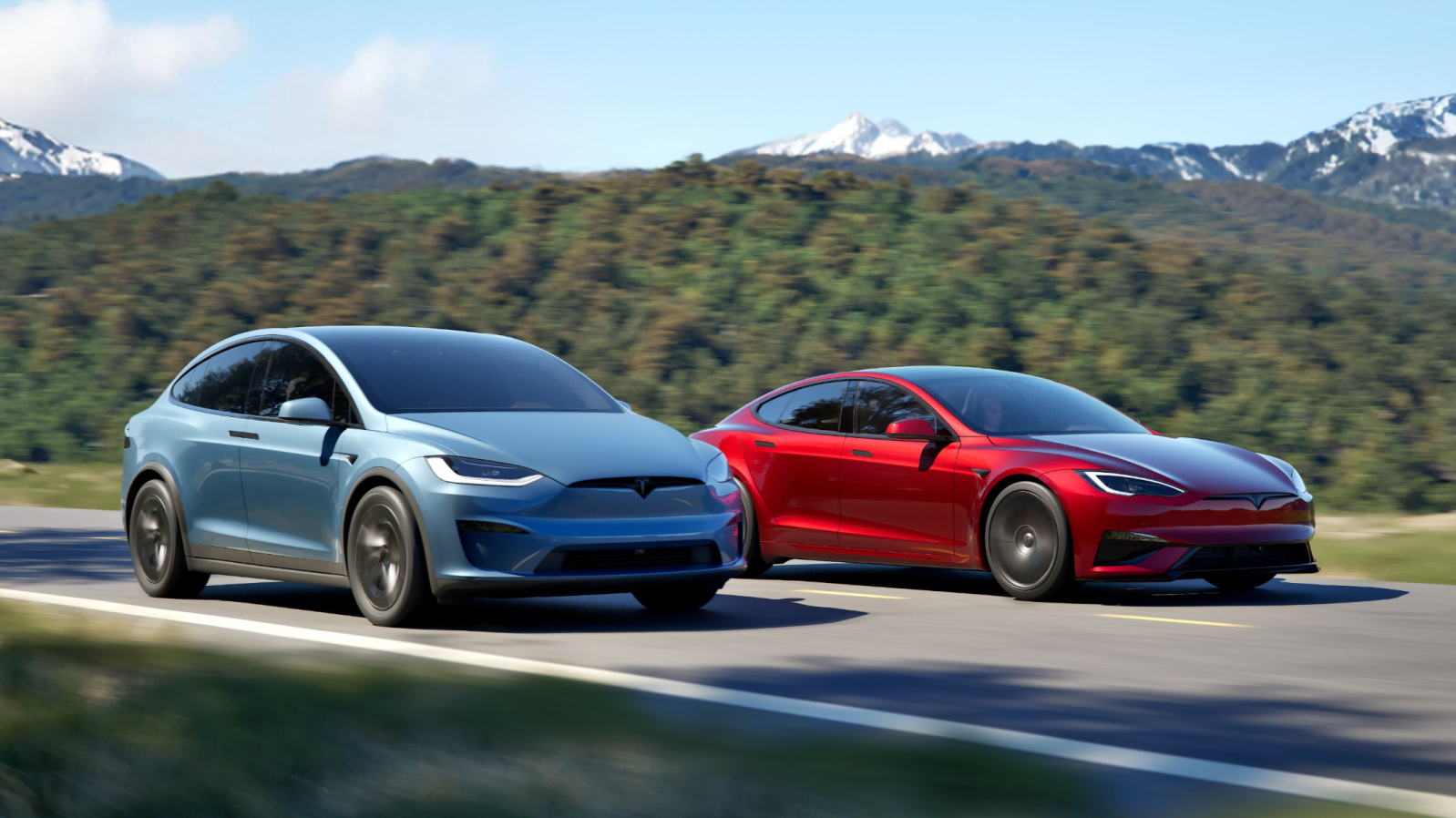
The Future of Model S and X "Open Sourcing"
The announcement regarding the Model S and X comes after Tesla ended production of these flagship models in April 2026. This decision was reportedly made to reallocate resources and production lines for the Optimus humanoid robot. The timing of the "open source" announcement, over a decade after the Roadster’s production concluded and as support for the legacy vehicle winds down, suggests a similar approach for the Model S and X.
If Tesla adheres to the Roadster playbook, the "open sourcing" of the Model S and X would likely involve the release of diagnostic software, CAN databases, Gerbers for minor components, and the same restrictive disclaimer. It is highly unlikely to include proprietary information such as Autopilot software, detailed drive unit designs, or complete battery pack specifications.
However, there is a potential avenue for a more substantial contribution. Both the Model S and Model X run on Linux, and Tesla has a history of releasing kernel and Buildroot source code. This practice began in 2018 after the Software Freedom Conservancy raised concerns about GPL license violations. The Conservancy has since indicated that these disclosures have not always been complete. A genuine open-source release of the Model S and X could provide an opportunity for Tesla to finally achieve full compliance with open-source software licenses.
Broader Implications and Industry Perspectives
While Tesla’s "open source" initiatives have been criticized for falling short of the industry standard, they are not without merit. The Roadster files have proven valuable for independent repair shops struggling to maintain aging vehicles. The diagnostic ISO and CAN databases significantly simplify the process of keeping these older Roadsters operational. Furthermore, companies like Antmicro have leveraged these released files to build functional simulations of the vehicle’s electronics. In an automotive landscape where manufacturers are typically very protective of their intellectual property, Tesla’s willingness to share even this limited amount of technical data deserves recognition.

However, the continued mischaracterization of these releases as "open source" is problematic. True open source necessitates a license that grants specific rights to users, including the freedom to use, modify, and distribute the software or design. Tesla’s current approach grants no such rights. The promise of "whatever we have, you now have" has demonstrably not been fulfilled, as Tesla continues to retain the valuable CAD files and firmware source code for the Roadster.
The prospect of Tesla genuinely open-sourcing the Model S and X is met with cautious optimism. A true open-source release of these vehicles would represent a landmark contribution to the automotive industry. Such a release would provide engineers, researchers, and independent manufacturers with unprecedented access to the design of a mass-produced electric vehicle platform, refined over 14 years of production. This would include detailed documentation of the drive unit and battery pack, offering invaluable insights for innovation and development.
Electrek’s Analysis: A Call for Genuine Open Source
From an industry perspective, the opportunity for Tesla to lead by example is significant. By releasing the Model S and X under a legitimate open-source license, including CAD files and firmware source code, and ensuring full GPL compliance, Tesla could foster a new era of collaboration and innovation. This would be a genuinely impactful contribution, setting a precedent for transparency and shared development within the electric vehicle sector.
Conversely, if Tesla replicates the Roadster’s approach, the Model S and X release would largely amount to a press release, offering limited practical benefit beyond what has already been made available for older models. The company has a unique opportunity to leverage a discontinued product line, at minimal cost, to make a substantial positive impact on the industry. The choice between a superficial disclosure and a genuine open-source contribution will ultimately define the legacy of this initiative. The industry, and the open-source community, will be watching closely to see if Tesla chooses to truly open its doors or simply offer another glimpse through a slightly ajar window.