










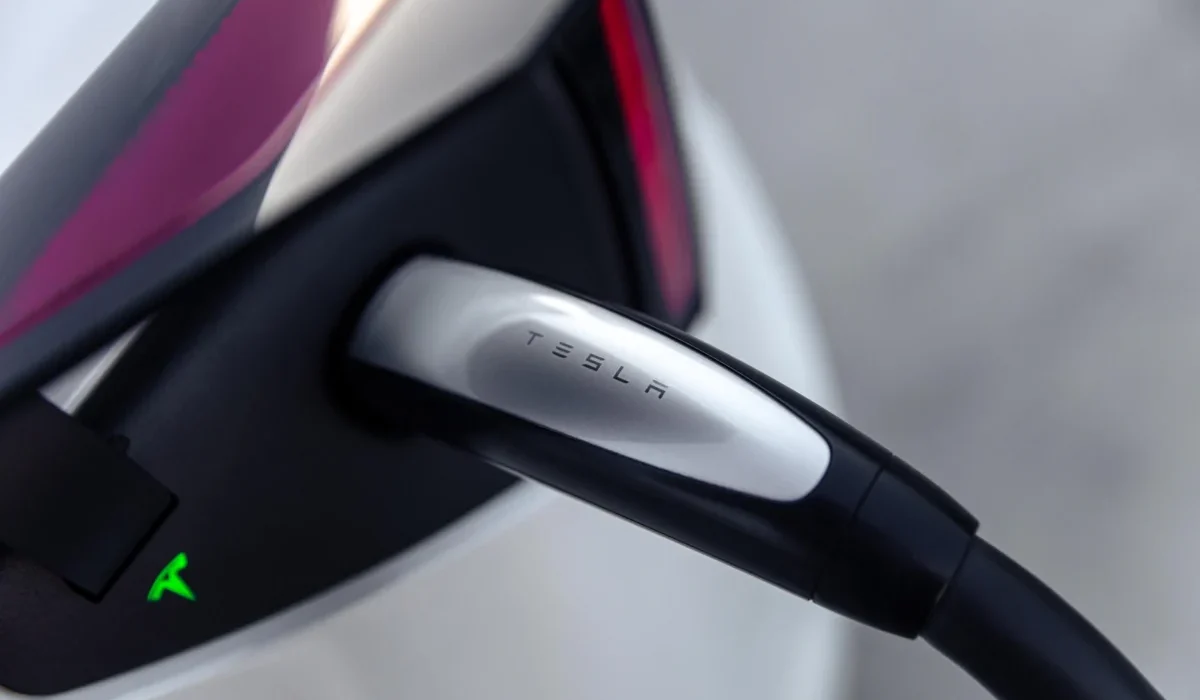
The intersection of advanced vehicle automation, emergency overrides, and everyday driver distraction has yielded its first documented real-world casualty in Austin, Texas. Tesla’s "Emergency Drive Away" function, a feature engineered to grant owners a safe and rapid evacuation pathway in high-threat scenarios, was inadvertently triggered by a fatigued motorist preparing for a weekend race event. The incident, captured on video and rapidly circulated across automotive communities, underscores both the efficacy of Tesla’s software safeguards and the unforeseen risks of human error when sophisticated vehicle protocols are misread.
As automakers race to implement failsafe and emergency-response mechanisms into modern electric vehicles, this preliminary incident provides critical data regarding how drivers interact with high-stakes software prompts. It also highlights the steep financial liabilities manufacturers attach to safety overrides designed strictly for genuine crises.
Chronology of an Accidental Activation
The event transpired in the early morning hours, approximately at 6:00 a.m. on a Sunday in Austin, coinciding with the influx of visitors and residents attending the city’s Formula 1 Grand Prix weekend. A Tesla owner, described by witnesses as visibly exhausted from travel and preparation, had parked his electric vehicle at a Supercharger station to replenish the battery before heading to the racing circuit.
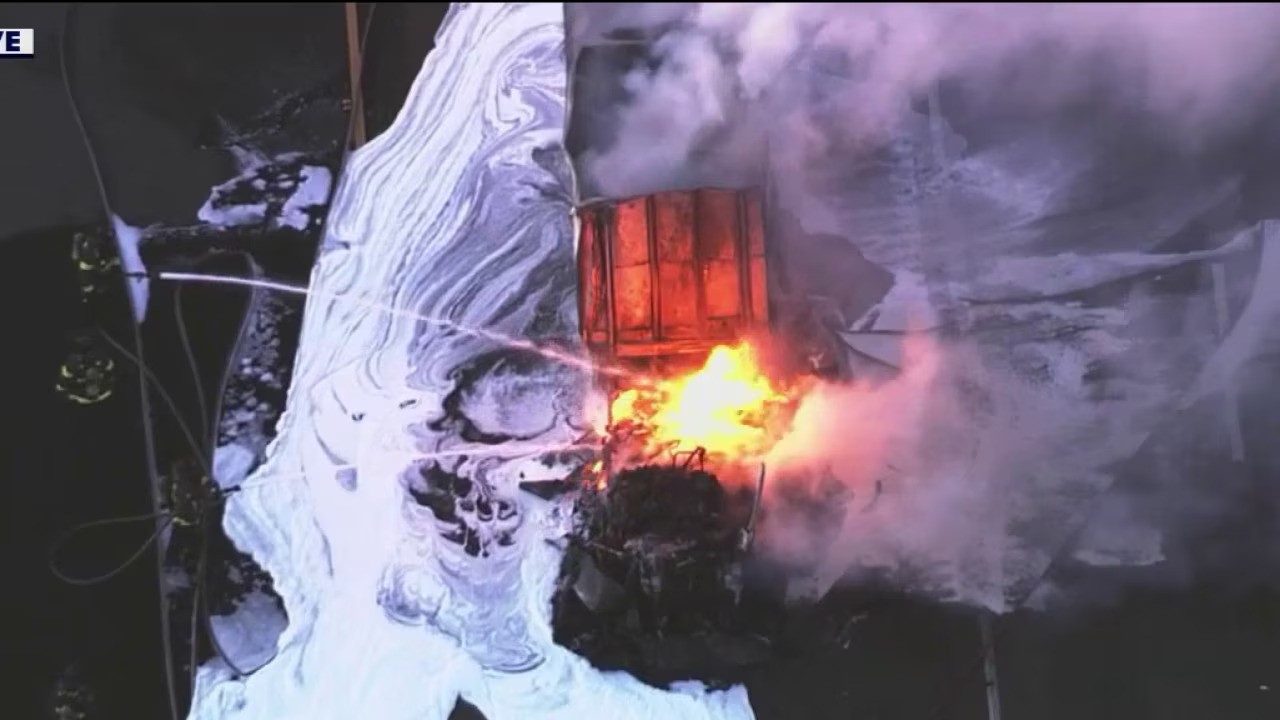
According to a firsthand account shared on the popular r/TeslaLounge subreddit by user u/Joshalander—who was charging an adjacent vehicle at the time—the silence of the early morning was broken by a sudden mechanical pop. Upon looking over, the witness observed the vehicle lurch forward under its own power while still physically tethered to the Supercharger stall.
Footage of the aftermath shared across digital platforms revealed the heavy-duty Supercharger cable pulled taut and visibly strained as the vehicle dragged the charging equipment forward. The driver, upon exiting the cabin and surveying the wreckage, quickly realized the magnitude of the mistake. According to witnesses who observed the interaction, the motorist had only half-read the on-screen digital prompts, mistakenly authorizing an override sequence designed exclusively for hazardous environments rather than canceling a charging session or resolving a stuck connector.
Understanding the Emergency Drive Away Function
Tesla introduced the Emergency Drive Away feature to address rare, high-stress scenarios where a driver might need to evacuate an area immediately while their vehicle is plugged into a Supercharger. In traditional electric vehicle architectures, driving away while tethered to a high-voltage charger is physically prevented by locking mechanisms, software interlocks, and communication protocols between the car and the pedestal. However, recognizing that rare emergencies—such as natural disasters, civil unrest, or sudden personal threats—could demand an immediate getaway, Tesla developed the software override.
When activated, the system remotely unlatches the Supercharger connector from the vehicle’s charge port through an electronic release signal, permitting the vehicle to move forward instantly. Yet, the physics of pulling away while hardware remains engaged inevitably leads to collateral damage. The sudden mechanical detachment under tension can fracture the vehicle’s charge port assembly, damage internal wiring harnesses, and violently strain or uproot the heavy liquid-cooled cables of the Supercharger stall.

Because the system is intended strictly for life-safety emergencies, Tesla established stringent financial deterrents. The company has previously estimated that improper activation of the Emergency Drive Away function can result in repair costs scaling up to $25,000, covering structural damage to both the vehicle and the proprietary charging infrastructure. Furthermore, company policy dictates that unless the feature is utilized under verified, reasonable justifications—such as imminent physical danger—the financial responsibility for all repairs falls squarely upon the vehicle owner.
Following any activation of the feature, Tesla’s software mandates that the driver immediately schedule a professional service appointment so that the high-voltage electrical systems, chassis integrity, and communication ports can undergo a comprehensive safety inspection before the car returns to public roads.
Broader Implications for EV Infrastructure and Software Design
The inadvertent deployment of Tesla’s emergency override highlights a persistent challenge in human-computer interaction (HCI) within modern automobiles: the design of high-consequence digital prompts. As vehicles transition into software-defined platforms controlled primarily through touchscreens, automakers face the ongoing dilemma of ensuring drivers comprehend critical warnings without succumbing to "alert fatigue."
In this instance, the driver’s exhaustion played a pivotal role, blinding them to the distinction between routine charging management menus and high-level emergency protocols. While software designers must make safety features accessible in fractions of a second during a genuine crisis, the ease of access inherently lowers the friction required for an accidental trigger. Industry analysts note that as autonomous features, remote vehicle management, and advanced override systems proliferate, human factors engineering must evolve to incorporate multi-factor confirmation steps or biometric validation for destructive or costly commands.
Moreover, the financial penalty associated with the mistake serves as a stark reminder of the proprietary and complex nature of ultra-fast charging architecture. Supercharger stations are engineered to handle massive electrical currents under rigorous thermal management; damaging the pedestal housing, internal DC contactors, or coolant lines requires specialized technician intervention and expensive replacement parts, accounting for the staggering upper estimate of repair expenses.
Contextualizing Tesla’s Software Ecosystem and Fleet Expansion
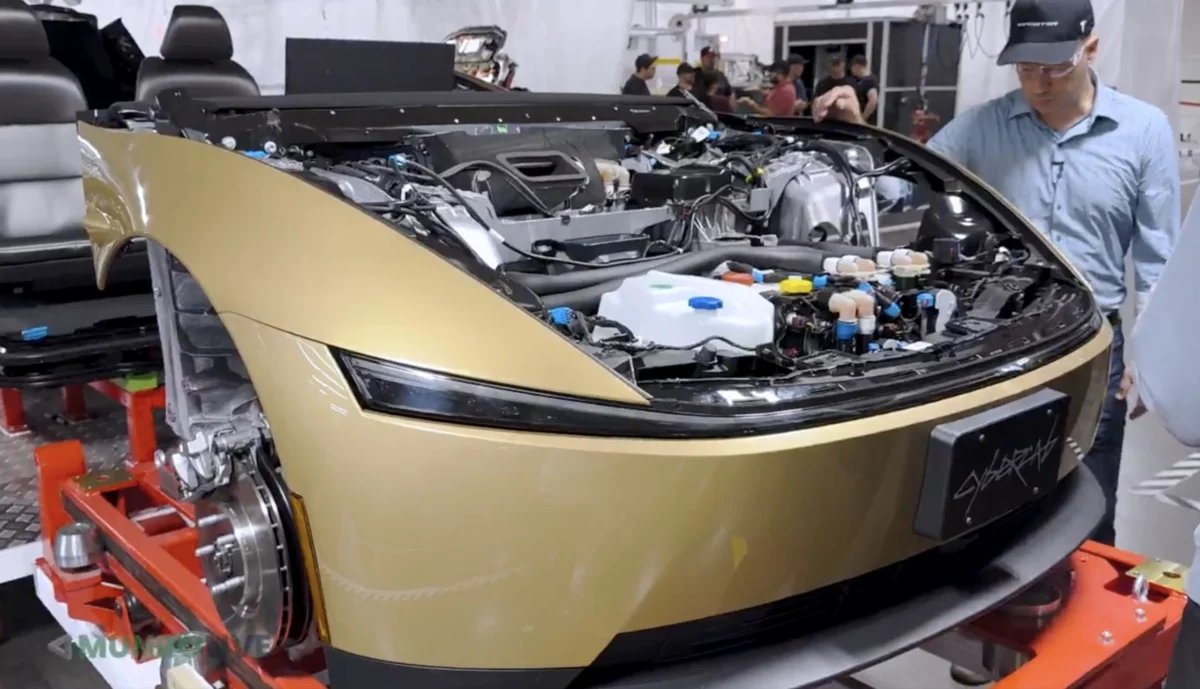
This isolated incident occurs against a backdrop of rapid, large-scale technological deployment across Tesla’s vehicle and infrastructure ecosystem. The company continues to push the boundaries of automated transport, notably through the scaling of its dedicated robotaxi platform, the Cybercab. Recent engineering deep-dives into the Cybercab’s architecture reveal a deliberate design philosophy prioritizing serviceability and long-term cost reduction—lessons learned from earlier production vehicles like the Model Y and Cybertruck.
According to Tesla executives, including Director of Mechanical Design Engineering Robert Sumpf and VP of Vehicle Engineering Lars Moravy, the Cybercab’s battery pack has been intentionally engineered with empty spatial allowances to accommodate future transitions to Lithium Iron Phosphate (LFP) cell chemistries. While current iterations utilize high-density nickel-based 4680 cells, the ability to integrate LFP chemistry as production scales will drastically lower manufacturing costs and increase thermal stability for a vehicle expected to operate continuously in commercial fleets.
Additionally, Tesla’s structural design choices for the Cybercab reject the single-block "potting" methodology used in earlier structural battery packs, opting instead for four independently sealed and replaceable modules. This modular approach directly addresses service costs—a critical metric for a commercial robotaxi fleet projected to accumulate hundreds of thousands of miles before retirement. Data from regional registration records, such as those from the Texas Department of Motor Vehicles, indicate that Cybercab authorizations are steadily matching or exceeding legacy consumer models like the Model Y within fleet rosters, pointing to an impending shift toward autonomous commercial deployment.

Concurrently, the broader ecosystem surrounding Tesla and its sister ventures continues to redefine connectivity standards. Elon Musk’s SpaceX, through its Starlink satellite internet constellation, is rapidly becoming the gold standard for high-speed, low-latency mobile connectivity. Major commercial airlines, such as United Airlines under CEO Scott Kirby, have embraced Starlink as an industry-leading competitive advantage to capture premium business travelers. United’s aggressive rollout across its fleet—aiming for full coverage by late 2027—highlights how high-performance satellite communication is transforming customer loyalty, even as airline executives acknowledge that competitors will eventually bridge the connectivity gap.
Looking Ahead: Safety, Usability, and Accountability
As consumer vehicles incorporate more advanced automation, autonomous driving capabilities, and specialized override systems, the boundary between software utility and user error will continue to be tested. The Austin Supercharger incident serves as a cautionary tale for both motorists and software architects.
For Tesla, the event may prompt a review of the user interface governing emergency overrides—perhaps introducing secondary verification screens or haptic warnings to prevent tired drivers from executing costly mistakes. For drivers, the episode reinforces the vital importance of maintaining cognitive alertness and thoroughly reading digital prompts before interacting with high-voltage charging networks.
While the driver involved in the Austin incident avoided physical injury, the financial and logistical fallout stands as an expensive lesson in the realities of software-defined motoring. As autonomous and semi-autonomous systems become standard fixtures of daily transit, ensuring that safety mechanisms are both accessible in a crisis and protected against fatigue-induced errors will remain a paramount engineering challenge for the entire automotive industry.