










The automotive landscape is witnessing a fascinating resurgence of utilitarian design, characterized by a back-to-basics approach that prioritizes function over the bloated complexity of modern passenger vehicles. Leading this charge is Slate, an electric vehicle startup that has garnered attention for its stripped-back, modular truck, and now, a Dallas-based newcomer named REO has entered the fray with a similar vision. However, while the underlying philosophy of modularity and minimalism remains consistent between the two, the execution diverges sharply at the powertrain level. Where Slate champions electrification as the ultimate tool for simplicity, REO is betting on the familiar reliability of internal combustion, sparking a debate about whether the future of the affordable truck lies in kilowatts or gasoline.
The Rise of the Minimalist Utility Vehicle
The automotive industry has spent the last decade trapped in an arms race of connectivity, digital real estate, and driver-assistance features. This trajectory has pushed the average transaction price of a new light-duty truck in the United States to well over $50,000, effectively pricing out the segment of the market that views a pickup as a tool rather than a luxury accessory.
Slate emerged from this environment with a simple, provocative premise: a two-door pickup that eliminates the non-essentials—radio, complex infotainment, and excessive interior trim—in favor of a robust, modular chassis. The "Blank Slate" model, priced at $24,950, serves as the anchor for this strategy, providing consumers with a battery-electric workhorse that eschews the typical digital-first design language of modern EVs.
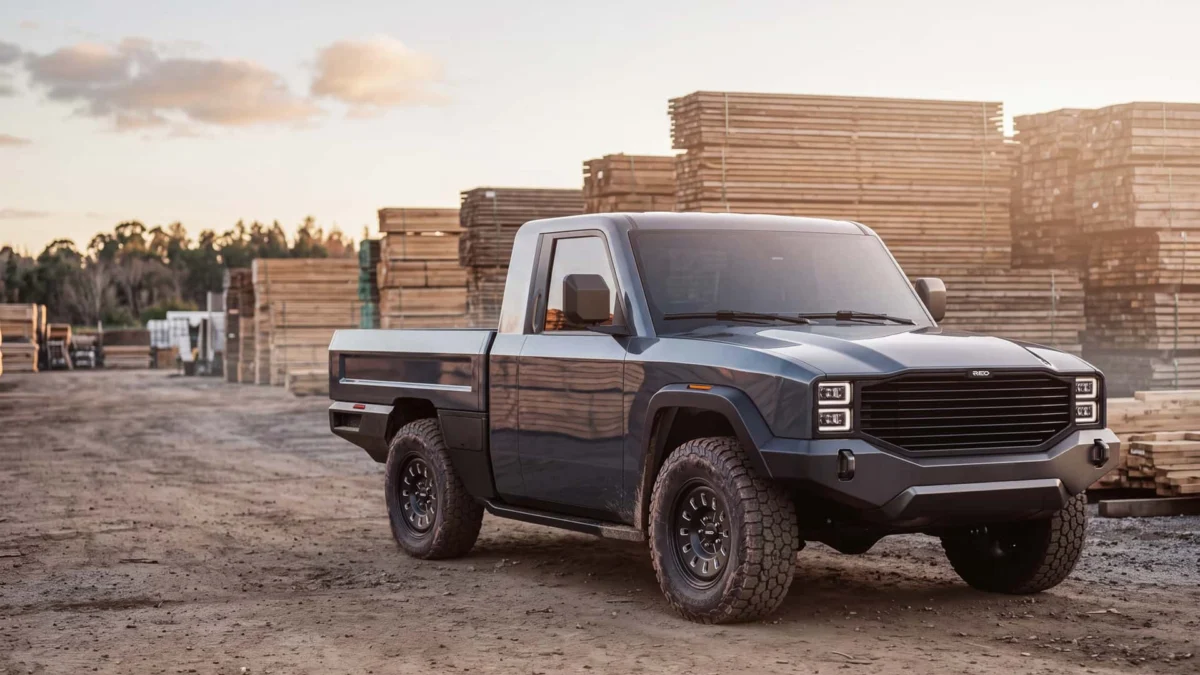
REO’s entry, the Runabout T4X, mirrors this ethos but pivots to traditional engineering. With a target entry price of $21,500, REO is positioning itself as a disruptor for the budget-conscious buyer who may not be ready for the transition to an electric powertrain or who requires the long-range, rapid-refuel capabilities inherent to gasoline engines.
Comparative Engineering: Electric vs. Internal Combustion
The fundamental divide between Slate and REO is the source of propulsion. Slate utilizes an electric motor and battery architecture, which inherently reduces the number of moving parts. By eliminating the transmission, exhaust system, and engine oil changes, Slate offers a maintenance profile that is arguably superior for high-utilization commercial fleets or individual contractors.
Conversely, the REO Runabout T4X is built upon a traditional ladder frame, a structural choice that harkens back to the classic pickup trucks of the 1980s and 1990s. The company has announced that the vehicle will be offered with a choice between a six-speed manual or an automatic transmission, paired with a four-cylinder internal combustion engine. While the specific engine supplier remains undisclosed, REO has made the ambitious claim of a 500,000-mile powertrain lifecycle.
This claim has been met with skepticism from industry analysts, as achieving such longevity requires not only superior engineering but also a level of manufacturing consistency that startup companies often struggle to maintain during their initial production scaling. Furthermore, the inclusion of a solid rear axle on the Runabout suggests a design focus on rugged off-road capability and load-bearing strength, potentially giving it an edge in heavy-duty utility scenarios where electric torque curves may behave differently under sustained load.
Design Pedigree and Aesthetic Philosophy
Despite the utilitarian focus, REO has made a significant investment in the visual identity of the Runabout by commissioning Frank Stephenson to lead the design effort. Stephenson is a titan in automotive circles, with a portfolio that includes the modern Mini Cooper, the Ferrari F430, and the McLaren P1.
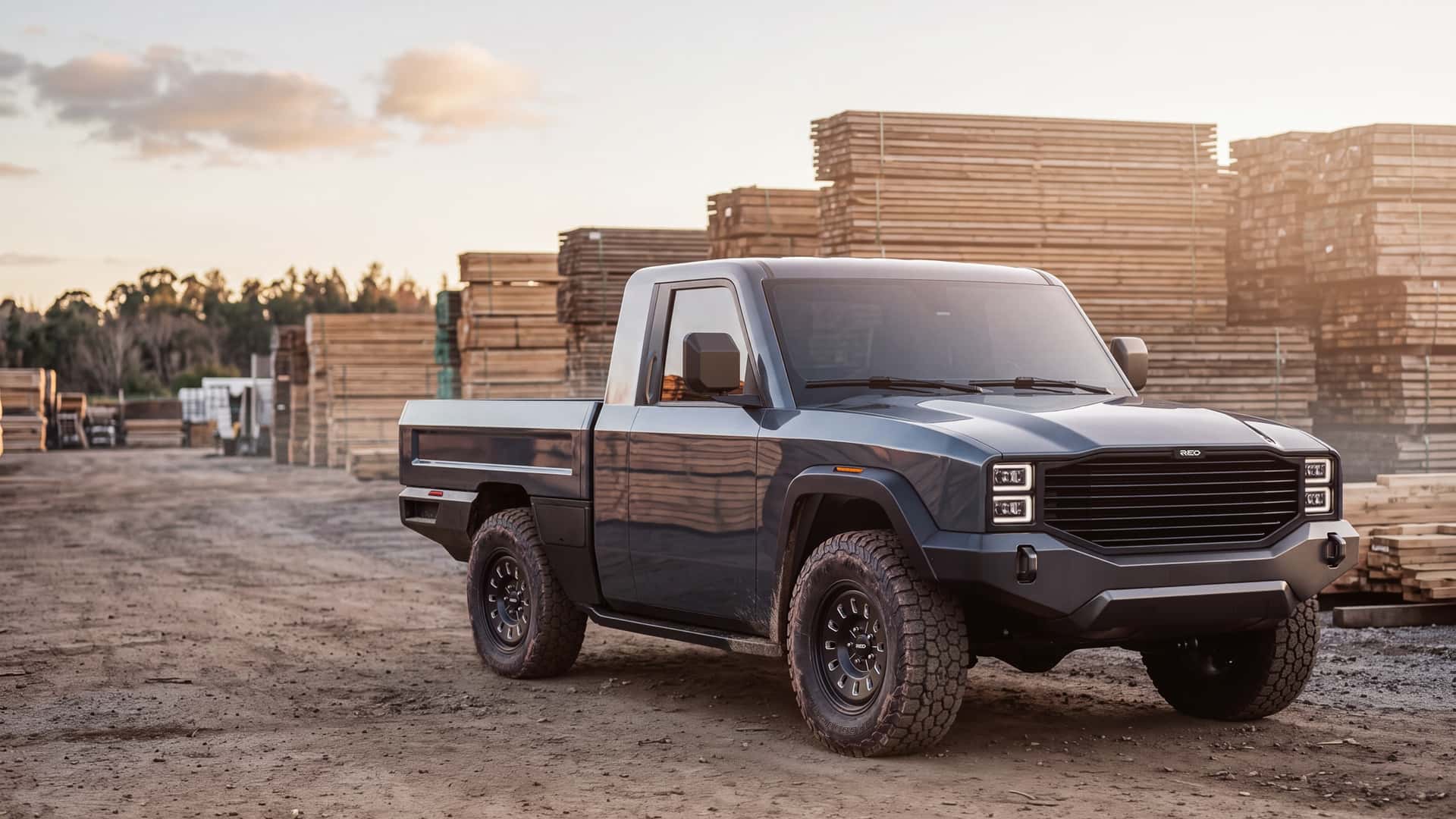
The aesthetic objective for the Runabout appears to be a marriage of heritage and function. The renderings reveal a silhouette that leans into the boxy, purposeful look of international-market utility vehicles like the Toyota Land Cruiser 70-series or the classic Land Rover Defender. The truck features drop-down sides for the bed, a hallmark of the Japanese "Kei" truck class, which maximizes loading versatility.
While the aesthetic is undeniably modern in its execution, it avoids the "futuristic" styling cues that define many modern EVs. By opting for a design that feels timeless rather than trendy, REO hopes to appeal to a demographic that values the longevity of a vehicle’s design as much as its mechanical durability.
The Hurdle of Market Viability
The primary challenge facing REO is not the quality of its renderings or the pedigree of its designer, but the reality of automotive manufacturing. Unlike Slate, which has moved past the concept phase and into physical prototyping, rigorous testing, and pre-production, REO currently lacks a physical factory and a confirmed supply chain.
The asterisk attached to the $21,500 price tag is a critical detail. In the automotive industry, estimated pricing for a startup is often subject to significant revision once the costs of regulatory compliance, safety testing, and large-scale manufacturing are factored in. The gap between a digital rendering and a street-legal vehicle is bridged by billions of dollars in capital expenditure and years of crash testing.
Slate’s advantage lies in its tangible progress. The company has hosted media ride-alongs, allowed for hands-on inspections, and demonstrated that its vehicle can navigate real-world environments. For a buyer looking for a budget-friendly truck today or in the immediate future, Slate offers a level of assurance that a paper-based project cannot currently match.
The Impact of Broader Market Trends
The market for "low-tech" trucks is being shaped by two competing pressures: the desire for affordability and the inevitable push toward electrification. Mainstream manufacturers like Ford are already experimenting with lower-cost electric options, such as the upcoming Fathom, which aim to capture the price-conscious segment without sacrificing the benefits of modern EV tech.
For a startup like REO to succeed, it must navigate a path that traditional OEMs (Original Equipment Manufacturers) have largely abandoned. The return to simple, mechanical, and modular trucks is a response to the "feature creep" that has defined the last two decades of vehicle production. However, it remains to be seen if the market will accept an internal combustion engine in a era where fuel prices are volatile and carbon emissions are increasingly scrutinized.
Implications for the Future of Utility
If REO can translate its vision into a reality, it will represent a rare success story in the automotive startup space. However, the company’s decision to engage in competitive rhetoric—specifically its dismissal of manual window cranks—suggests a brand that is still finding its voice. As noted by industry observers, a startup with no production capacity is arguably in no position to criticize the design choices of competitors who are already on the cusp of delivering vehicles to customers.
Ultimately, the competition between the Slate truck and the REO Runabout highlights a necessary conversation within the automotive industry: what does the modern driver actually need? While the industry at large continues to push for higher levels of automation and digital integration, there is a clear, untapped market for vehicles that are simple, repairable, and affordable. Whether that solution is powered by a high-efficiency battery or a refined four-cylinder engine is a question that the market will decide over the next several years as these projects transition from concepts to concrete production realities. For now, the advantage lies with the company that can actually put its product on the road.