In an era dominated by digital photography, where memory cards overflow and social media feeds rapidly scroll past, the tangible photograph risks becoming a relic of a bygone era. While the convenience of instant digital capture is undeniable, it often leads to a paradox: we create more images than ever before, yet these digital treasures can easily fade into "cyber-oblivion" once their fleeting online popularity wanes. This disconnect highlights a fundamental human desire to preserve moments, a desire that printing them offers a powerful and lasting solution. Fortunately, the landscape of photographic printing has evolved significantly, offering a diverse array of options that cater to various aesthetic preferences, display needs, and archival considerations. This comprehensive exploration delves into eight distinct print types, examining their unique qualities, materials, and presentation styles, to empower individuals and professionals alike in choosing the ideal format for their cherished images.
The following analysis draws upon examples from Bay Photo Lab, a reputable printing partner recognized for its commitment to quality and variety in photographic output.
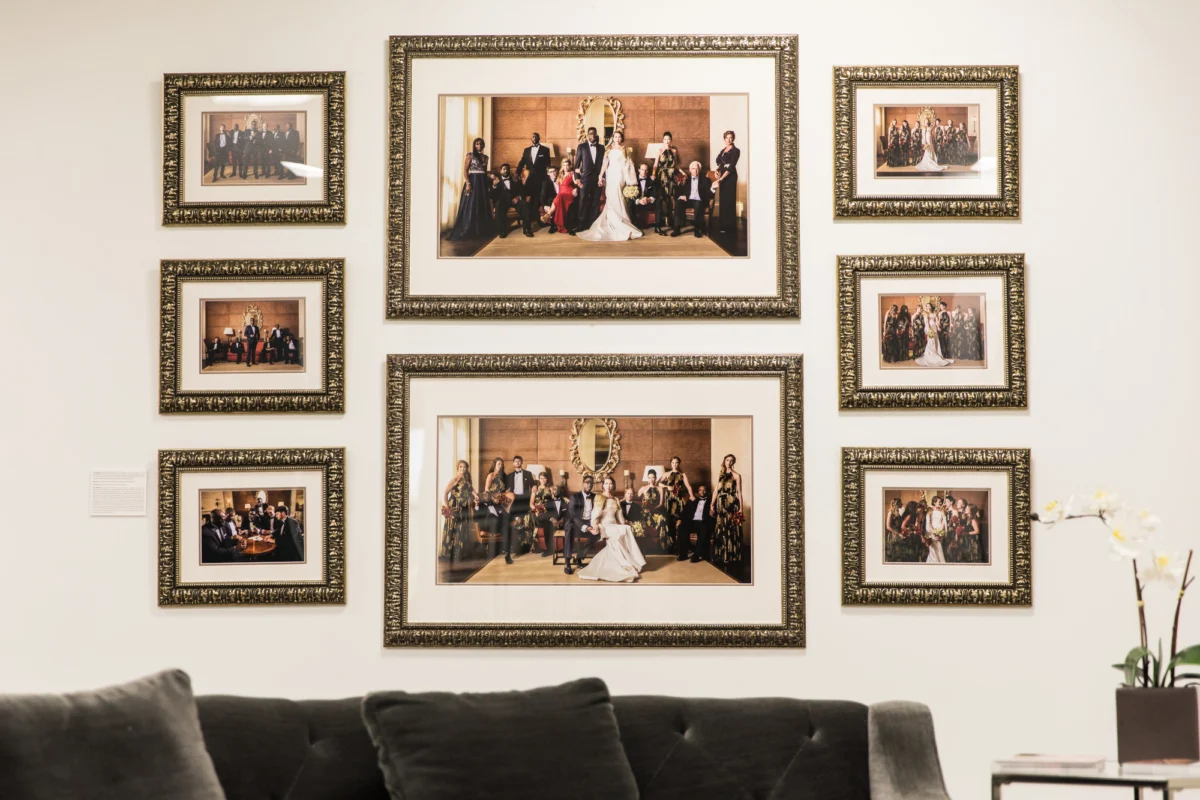
The Classic Elegance of Framed and Matted Photo Prints
Framed and matted photo prints remain the quintessential choice for many, evoking a sense of timeless tradition. This format is often the first to come to mind when considering how to display photographs, and its enduring popularity speaks to its inherent appeal. Far from being dated, this classic presentation offers a remarkable range of customization, ensuring a suitable aesthetic for virtually any taste or interior design. The frame itself serves as an architectural element, defining the print’s boundaries and complementing its subject matter.

The Art of Framing: Materials and Styles
Frames are meticulously crafted from a variety of materials, most commonly wood and metal, each offering distinct characteristics. Wood frames, with their natural warmth and textural variations, can range from rustic reclaimed barnwood to intricately carved, ornate designs. Metal frames, on the other hand, often provide a sleeker, more contemporary feel, with options spanning brushed finishes to polished chrome. Both materials offer considerable durability, making them suitable for diverse display environments.
The choice of frame material and style can significantly influence the overall impact of the print. For instance, a warm, distressed wood frame might perfectly complement a landscape photograph, enhancing its natural beauty. Conversely, a sleek, minimalist metal frame could lend a modern edge to a portrait or architectural shot. Many professional printing services offer a wide array of frame samples, allowing clients to visualize how different styles will interact with their images. Observing existing décor in a client’s home can also provide valuable insight, guiding the selection towards either a cohesive continuation of their current style or a deliberate departure to create a focal point.
The Subtle Influence of Photo Paper Surfaces
Beyond the frame, the surface of the photographic paper itself plays a crucial role in how an image is perceived. Glossy prints, characterized by their reflective sheen, tend to amplify color saturation and contrast, rendering images with a vibrant, almost luminous quality. However, this high reflectivity can also lead to glare, which may be problematic in brightly lit environments. Matte prints, in contrast, offer a softer, non-reflective finish that absorbs light, minimizing glare and producing a more subdued, artistic aesthetic. This makes them ideal for spaces with varied lighting conditions or for images where a subtle, nuanced presentation is desired.
Other standard paper surface options include satin, which strikes a balance between the vibrancy of gloss and the subtlety of matte, and pearl, which offers a subtle shimmer and enhanced color depth without the harsh reflectivity of a full gloss. The choice of paper surface is not merely an aesthetic preference; it directly impacts the visual interpretation of the photograph, influencing its mood, tone, and the viewer’s engagement.

Enhancing Durability Through Mounting
To further enhance the longevity and structural integrity of prints, various mounting substrates are employed. These materials, such as styrene, foam board, or masonite, provide a rigid backing that prevents the photographic paper from creasing or warping over time. This is particularly important for larger prints or those intended for frequent handling or display in environments prone to fluctuations in temperature or humidity.
The Decorative and Protective Role of Matting
Matting, the border of cardstock that surrounds the photograph within the frame, serves both decorative and protective functions. Available in a vast spectrum of colors and materials, mats can add visual interest, provide a subtle frame around the image, and guide the viewer’s eye. Beyond aesthetics, mats play a vital role in preserving the photograph. By creating a physical separation between the print and the protective glass or acrylic covering, mats prevent the photographic paper from adhering to the surface due to moisture or static electricity, thereby safeguarding the image from potential damage. Single mats offer a clean, classic look, while double or even triple mats can add depth and sophistication, allowing for creative color combinations and enhanced visual appeal.
Estimated Cost: For an 8×10 inch framed and matted print, costs typically range from $50 and upwards, depending on the frame material, matting complexity, and print size.
The Modern Allure of Metal Prints
Metal prints have emerged as a contemporary alternative to traditional photographic displays, offering a unique aesthetic characterized by vibrant colors and a striking visual presence. While one might assume a metal print would inherently be highly reflective, they are, in fact, available in a spectrum of finishes, from high-gloss to sophisticated matte. The impact of a metal print, especially when viewed in person, is often described as nothing short of impressive, due to the way light interacts with the metallic surface.

Versatile Display for Contemporary Spaces
Similar to other print formats, metal prints can be displayed in a multitude of ways to suit diverse tastes. They can be presented as single, standalone pieces, or arranged in dynamic clusters or stacked "float" configurations. The intense color reproduction and high resolution achievable on metal surfaces make them an exceptionally compelling choice for modern interiors, allowing images to command attention and become a definitive statement piece.
The Nuances of Metal Finishes
The choice of finish for a metal print significantly influences its appearance and suitability for different display environments. Glossy finishes offer maximum color pop and brilliance, while matte finishes provide a more subdued, artistic feel, minimizing glare. Some surfaces are designed to allow the underlying metal to show through, creating a subtle luminescence and enhancing the visual depth. Exploring sample packs from printing services can be invaluable in helping clients select the finish that best complements their image and intended display location.
Unparalleled Durability and Longevity
A significant advantage of metal prints lies in their exceptional durability. The inherent resilience of metal ensures that these prints can far outlast their paper counterparts. In many cases, metal prints are capable of withstanding direct sunlight for extended periods with minimal fading, making them a robust option for displays in bright or challenging environments. This longevity contributes to their value as a long-term investment in preserving photographic memories.
Estimated Cost: An 8×10 inch metal print typically ranges from $20 to $60 or more, depending on the finish, mounting options, and brand.

The Radiant Depth of Acrylic Prints
Acrylic prints elevate photographic displays to a new level of sophistication, adding radiance and a captivating sense of depth. This format involves printing an image and then mounting it onto polished plexiglass, creating a visually stunning effect. The physical depth of the acrylic itself, which can range from a quarter-inch thickness for standard prints to substantial blocks for tabletop displays, contributes to a unique visual dimension that is best appreciated in person.
A Modern Statement for Vibrant Displays
Acrylic prints are particularly appealing to clients seeking a modern, vibrant aesthetic for their wall art. When produced at larger scales, these prints can be truly awe-inspiring, capable of transforming a space and becoming a central artistic element. The smooth, glossy surface of the acrylic enhances the brilliance of the colors and the sharpness of the details, giving photographs a luminous, almost three-dimensional quality.
Surface Treatments for Enhanced Visuals
The acrylic treatment can be applied to various print surfaces, including special lustre or metallic papers, further enhancing the visual impact. Clients can typically choose between a high-gloss acrylic finish, which maximizes vibrancy and depth, or a non-glare acrylic option, which reduces reflections and is ideal for environments with challenging lighting.
Material and Mounting Considerations
The backing material for acrylic prints also influences their final appearance and structural integrity. Common options include aluminum dibond, a lightweight yet rigid composite material, or white paper backing, which provides a neutral base for the image. The choice of backing often depends on the size of the print and the desired aesthetic. Mounting methods typically involve French cleats, a system that allows for secure and level hanging, or stylish stainless steel posts, which add a contemporary, minimalist touch.

Estimated Cost: An 8×10 inch acrylic print generally starts at $50 and can increase significantly with size and thickness.
The Artistic Texture of Canvas Prints
Canvas prints, a familiar sight in homes and galleries alike, offer a distinctive artistic texture that lends a painterly quality to photographs. While readily available through mass-market retailers, professional printing services provide access to a far wider range of canvas options, elevating them to the realm of fine art.
From Casual to Fine Art Presentation
The style of a canvas print can range from casual to distinctly fine art, largely dependent on the mounting and finishing techniques employed. The inherent texture of the canvas provides a subtle tactile quality, adding depth and character to the image.
The Canvas Surface and Its Transformations
Canvas prints are typically created either by printing directly onto a high-quality canvas material or by bonding a paper print to a canvas substrate. The surface of the canvas can then be treated with a satin or glossy coating for protection and enhanced visual appeal. Some specialized printers also offer unique metallic canvas surfaces that impart a subtle shimmer and depth. When selecting a canvas printer, it is crucial to inquire about the quality of the photo paper and canvas used, ensuring they meet fine art or museum-grade standards for archival longevity and aesthetic excellence.

Mounting Options Define the Style
The mounting of a canvas print is a key differentiator in its stylistic presentation. The classic gallery wrap, where the canvas is stretched taut over wooden stretcher bars and the image extends around the sides, is a popular choice. However, canvas prints also come in various depths, from slim profiles to thick, substantial wraps, offering different visual weights. Border options are also abundant, ranging from seamless full-bleed prints to wrapped edges with solid colors or replicated image content.
Estimated Cost: An 8×10 inch canvas print typically starts around $50 and can increase based on the mounting style, canvas quality, and framing options.
The Natural Charm of Wood Prints
Wood prints offer a unique and intriguing alternative for displaying photographs, less common than many other options but undeniably conversation-starting. Whether hung on a wall or displayed on a tabletop, wood prints possess a natural charm that invites curiosity and storytelling.
Bridging Modern and Vintage Aesthetics
Surprisingly, wood prints can appeal to both modern and vintage design sensibilities. Their clean presentation caters to contemporary tastes, while the inherent grain of the wood provides a timeless, organic feel. This duality makes them a versatile choice for a wide range of interior styles.

Celebrating the Natural Grain or a Clean Canvas
Wood prints are typically available in two primary surface finishes. A natural finish allows the wood grain to show through the printed image, integrating the texture of the medium directly into the photograph. Alternatively, a solid white ink layer can be applied to the wood panel before printing, creating a clean, bright canvas that allows the printed image to stand out with enhanced vibrancy and detail, minimizing the influence of the wood grain.
Customizable Borders and Mounting
Wood prints offer considerable flexibility in terms of border options, ranging from full-bleed prints with no visible border to prints with substantial borders of up to four inches. Mounting is equally adaptable, with wood prints compatible with a variety of standard hanging hardware, allowing for straightforward installation in any setting.
Estimated Cost: An 8×10 inch wood print is often more budget-friendly, typically starting around $30.
The Versatility of Interchangeable Prints
For clients who value flexibility and enjoy refreshing their décor frequently, interchangeable print systems offer a practical and cost-effective solution. While it’s always possible to swap prints in and out of traditional frames, the expense of reprinting and re-mounting each time can be prohibitive.

The Innovative Xpozer System
Bay Photo Lab’s Xpozer system addresses this challenge by enabling swift and easy print changes. Prints ordered for this system feature specialized clips on the back that securely attach to a lightweight aluminum hanging frame. This ingenious design allows users to switch out images in mere moments, maintaining a fresh and dynamic display without incurring significant recurring costs.
A Modern Aesthetic with Effortless Updates
The Xpozer system’s prints appear to hover slightly off the wall, contributing to a modern, gallery-like aesthetic. The ease with which images can be exchanged makes it an ideal solution for those who appreciate a frequently updated visual landscape.
Vivid Satin Finish and Convenient Mounting
Prints designed for the Xpozer system typically feature a vivid satin finish, offering a good balance of color saturation and reduced glare. The lightweight aluminum hanging system ensures secure and stylish display, prioritizing both convenience and visual appeal.
Estimated Cost: For an 16×16 inch interchangeable print system, costs typically range from $30 to $40, representing excellent value for the flexibility offered.

Creative Storytelling with Clusters and Splits
Moving beyond single-image displays, clusters and splits offer dynamic ways to present photographic narratives. Clusters involve arranging multiple images together to create a cohesive display, while splits divide a single image across several panels, offering an unconventional and impactful presentation.
Expanding Visual Narratives
Clusters allow for the expansion of a story or the creation of a thematic arrangement, bringing together related photographs to form a more comprehensive visual statement. Splits, on the other hand, deconstruct a single image, demanding the viewer’s engagement as they piece together the complete picture from its fragmented components. This approach can add a dramatic and artistic flair to any display.
Versatile Material Options
The beauty of clusters and splits lies in their adaptability to various print materials. These multi-panel or multi-image arrangements can be created using most of the print types discussed previously, including metal, canvas, wood, and framed prints, offering immense creative freedom in material selection and aesthetic execution. Information on effectively designing and assembling impactful clusters can often be found through tutorials provided by printing services.
Timeless Memories: The Enduring Value of Photo Albums
While wall art serves to keep memories prominently in view, photo albums provide a dedicated space for curating and safeguarding a larger collection of images. Moving beyond the often-disorganized shoe box, professional photo albums offer a structured and aesthetically pleasing way to preserve photographic narratives for generations.

Curating a Lifetime of Moments
Photo albums are not merely containers for pictures; they are carefully designed collections that tell a story. The selection of exterior fabrics, the quality of the paper and photo surfaces within, and the constraints on page spreads all contribute to the album’s overall aesthetic and archival quality. Working with a professional printer allows for customization in these areas, ensuring the final product is a cherished heirloom.
Beyond the Screen: Preserving Digital Legacies
The proliferation of digital photography, while democratizing image creation, has unfortunately contributed to a devaluation of the individual photograph. Images captured with intent and emotion can become lost in the digital ether, rarely revisited or appreciated beyond their initial online context. Printing photographs offers a tangible antidote to this trend, transforming fleeting digital moments into enduring physical artifacts.
The diverse range of professional printing options available today—from the classic elegance of framed prints to the modern allure of metal and acrylic, the artistic texture of canvas, the natural charm of wood, the innovative flexibility of interchangeable systems, and the creative storytelling of clusters and splits—provides ample opportunity to bring cherished images to life. Photo albums, too, offer a vital means of consolidating and preserving these visual memories.
By embracing these printing solutions, individuals can not only ensure the preservation of their most treasured moments for themselves and future generations but also enhance their living spaces with meaningful and personalized art. Furthermore, for photographers and visual artists, offering these high-quality print options is a critical component of their business, providing a tangible connection to their work and a valuable revenue stream. The enduring power of the printed photograph lies not just in its aesthetic appeal but in its ability to transcend the ephemeral nature of the digital realm, offering a lasting testament to the moments that shape our lives.