The intersection of consumer smart-home technology and backyard wildlife observation has evolved significantly over the past several years, shifting from novelty novelties to robust tools for citizen science and daily engagement. Among the latest entrants into this rapidly expanding market is the Birdfy Feeder Metal, a device that seeks to bridge the gap between traditional avian feeding and high-definition digital monitoring. Combining durable hardware, integrated solar power, and sophisticated artificial intelligence capable of recognizing thousands of bird species, the device has captured the attention of both casual gardeners and dedicated ornithology enthusiasts.
Main Facts and Hardware Specifications
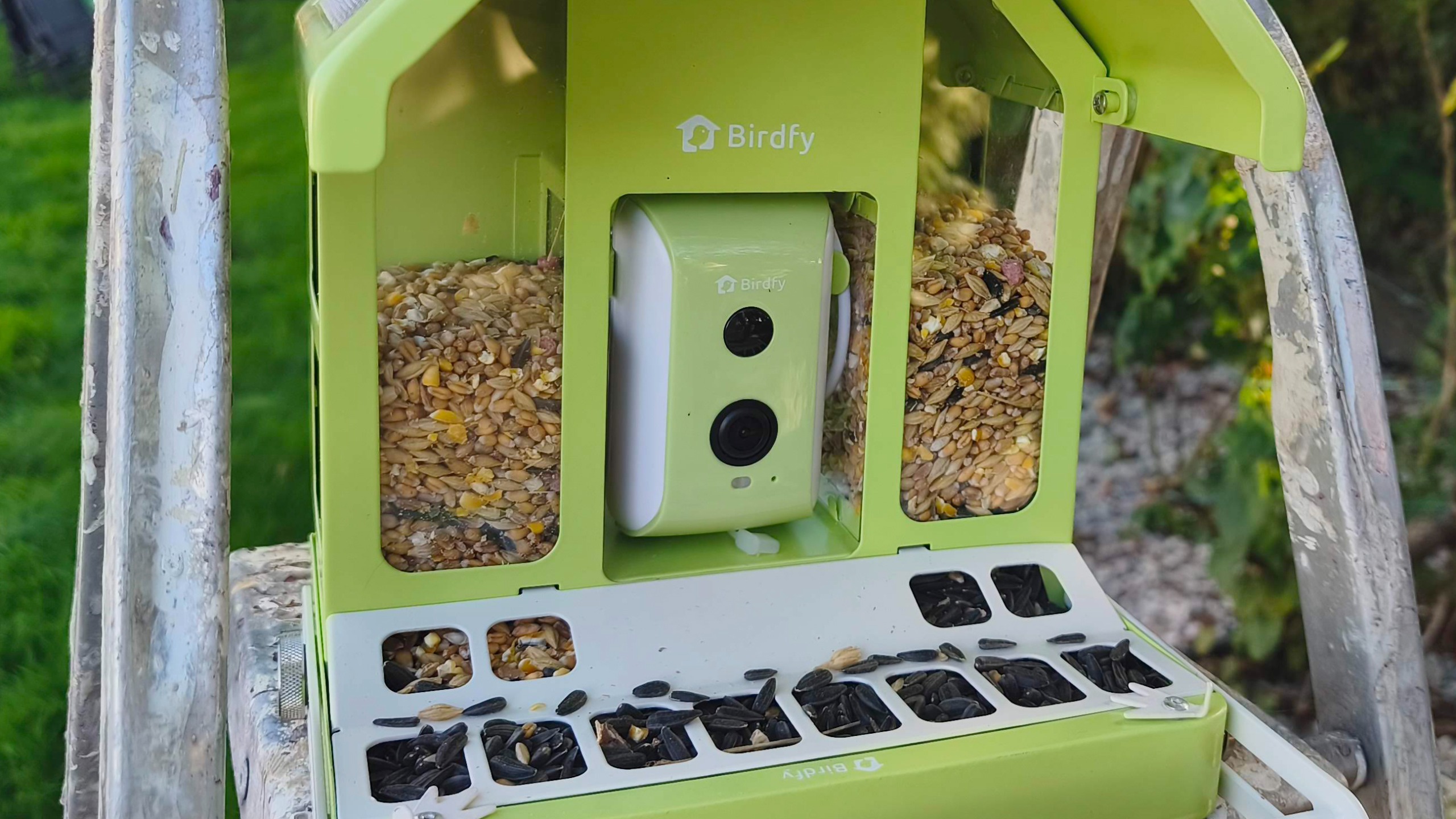
At its core, the Birdfy Feeder Metal is designed to withstand the elements while providing a reliable window into backyard ecosystems. Constructed from a heavy-duty metal chassis, the unit weighs approximately 7.3 pounds (3.33 kilograms) and measures 8.7 x 7.9 x 10.2 inches. Its robust housing protects an internal seed bin with a capacity of 84.5 ounces (2.5 liters), ensuring that food supplies do not need constant replenishment.
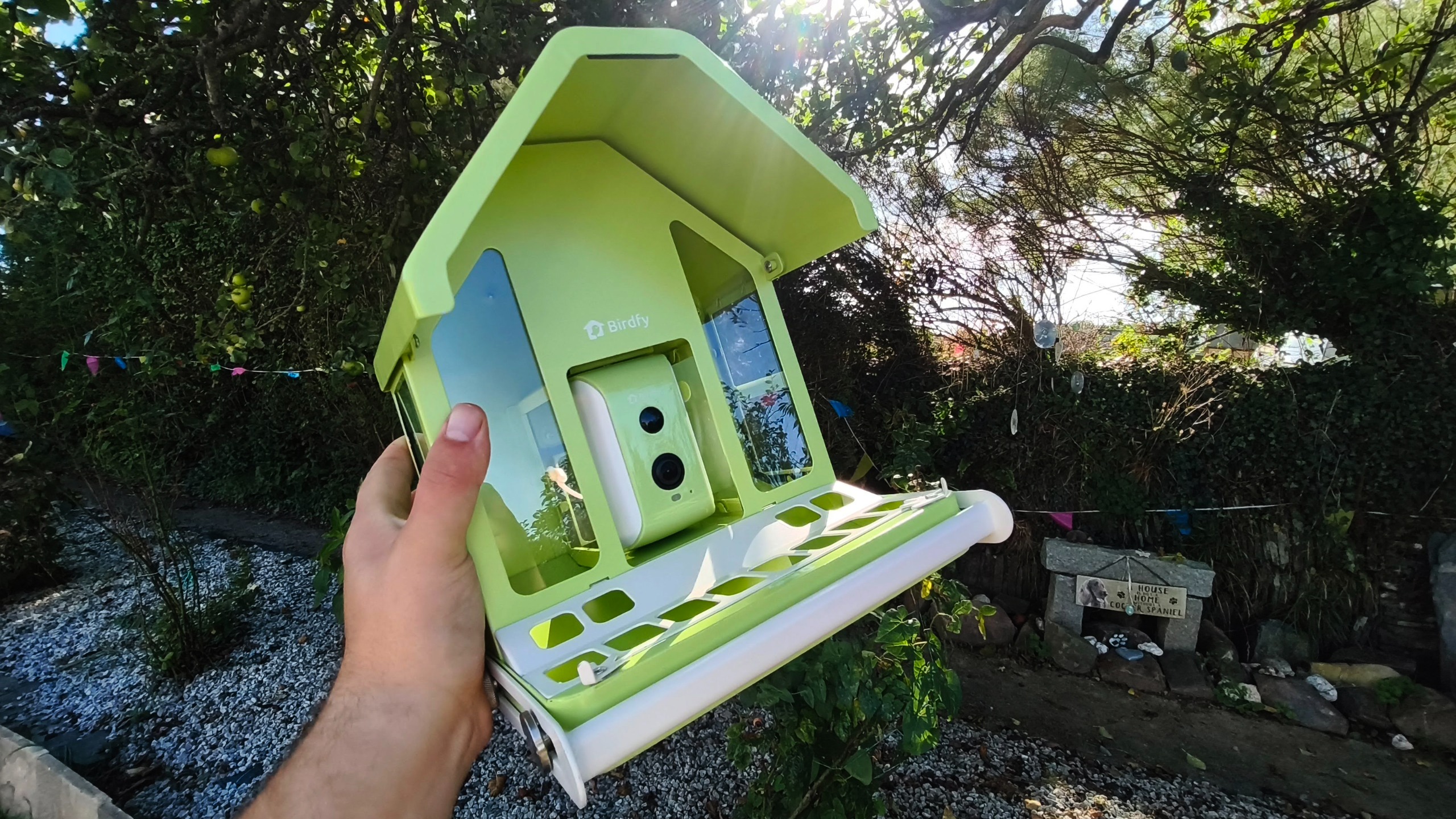
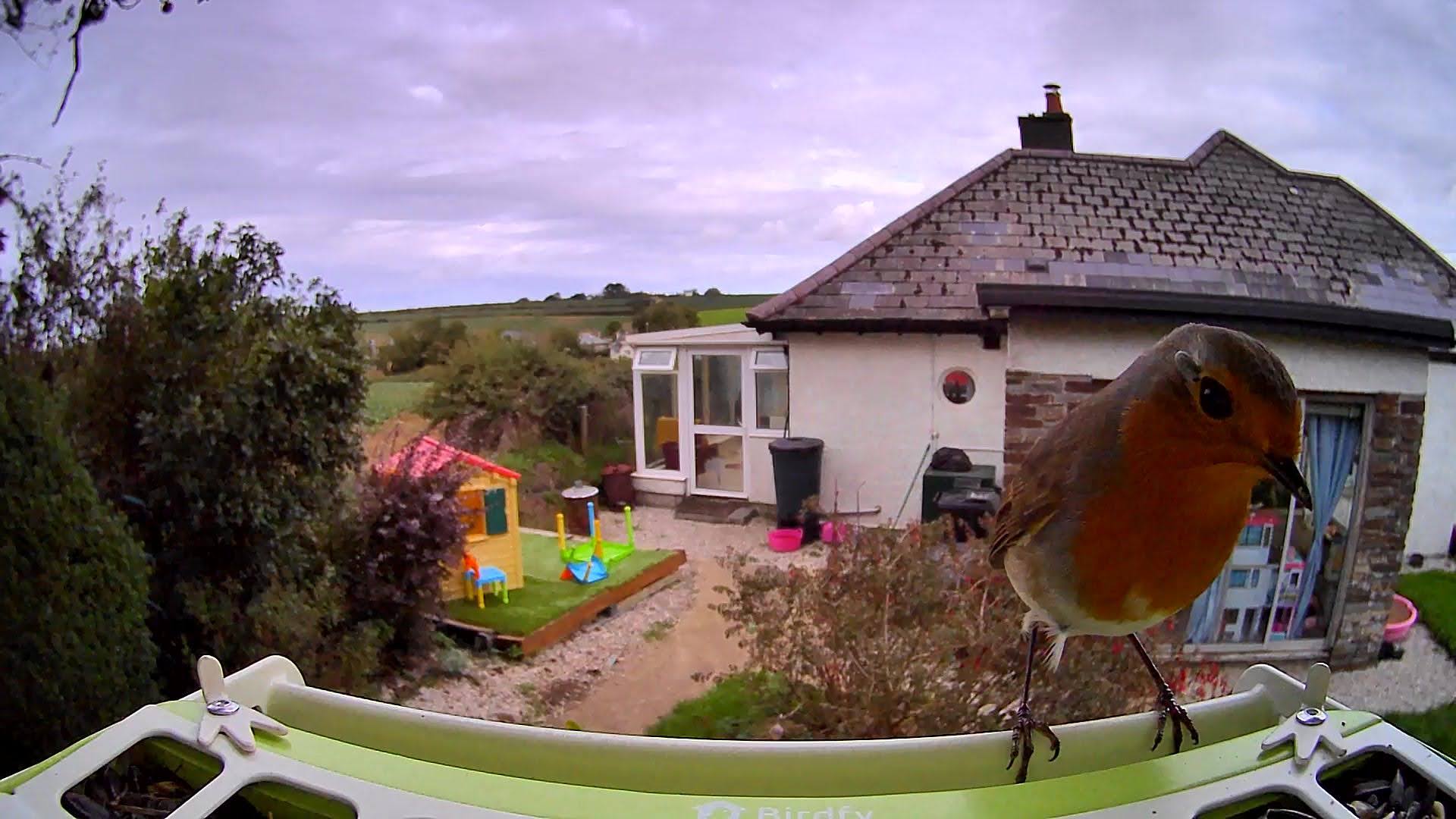
Visual data is captured via a 2-megapixel camera sensor capable of recording 1080p high-definition video, supported by integrated night vision capabilities for nocturnal visitors. Power is supplied by a substantial 9,000mAh internal battery, which is continuously trickle-charged by a 2-watt solar panel integrated directly into the feeder’s roof. Connectivity is handled via 2.4GHz Wi-Fi, linking the hardware to the companion mobile application where users receive real-time motion alerts and access automated species identification databases.
Chronology and Integration into Daily Use
The deployment of smart bird feeders typically follows a predictable adoption curve, mirroring the findings of field testers and early adopters. Upon unboxing and initial assembly, users generally mount the hardware to a stable surface—such as a garden fence, a dedicated pole, or a mature tree—using the versatile mounting brackets provided in the package.
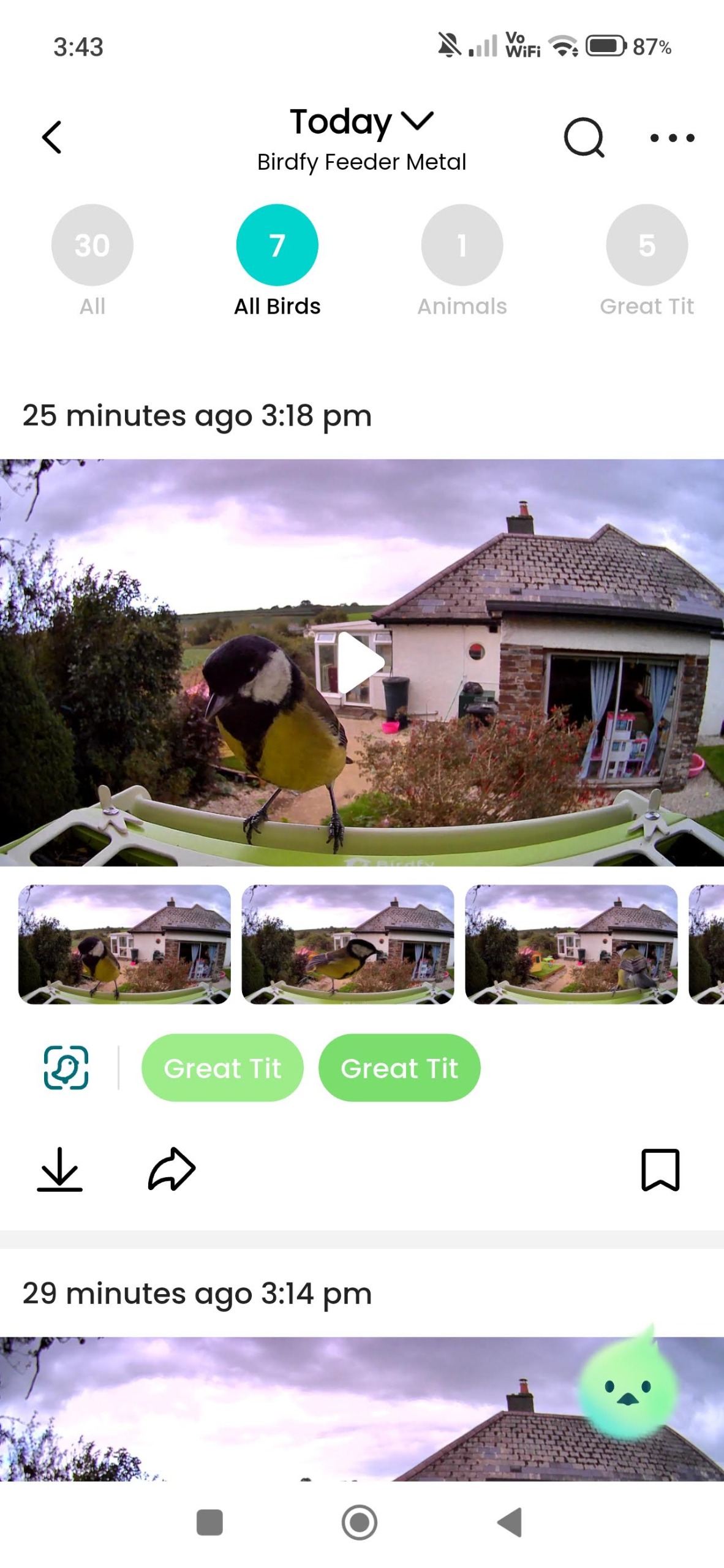
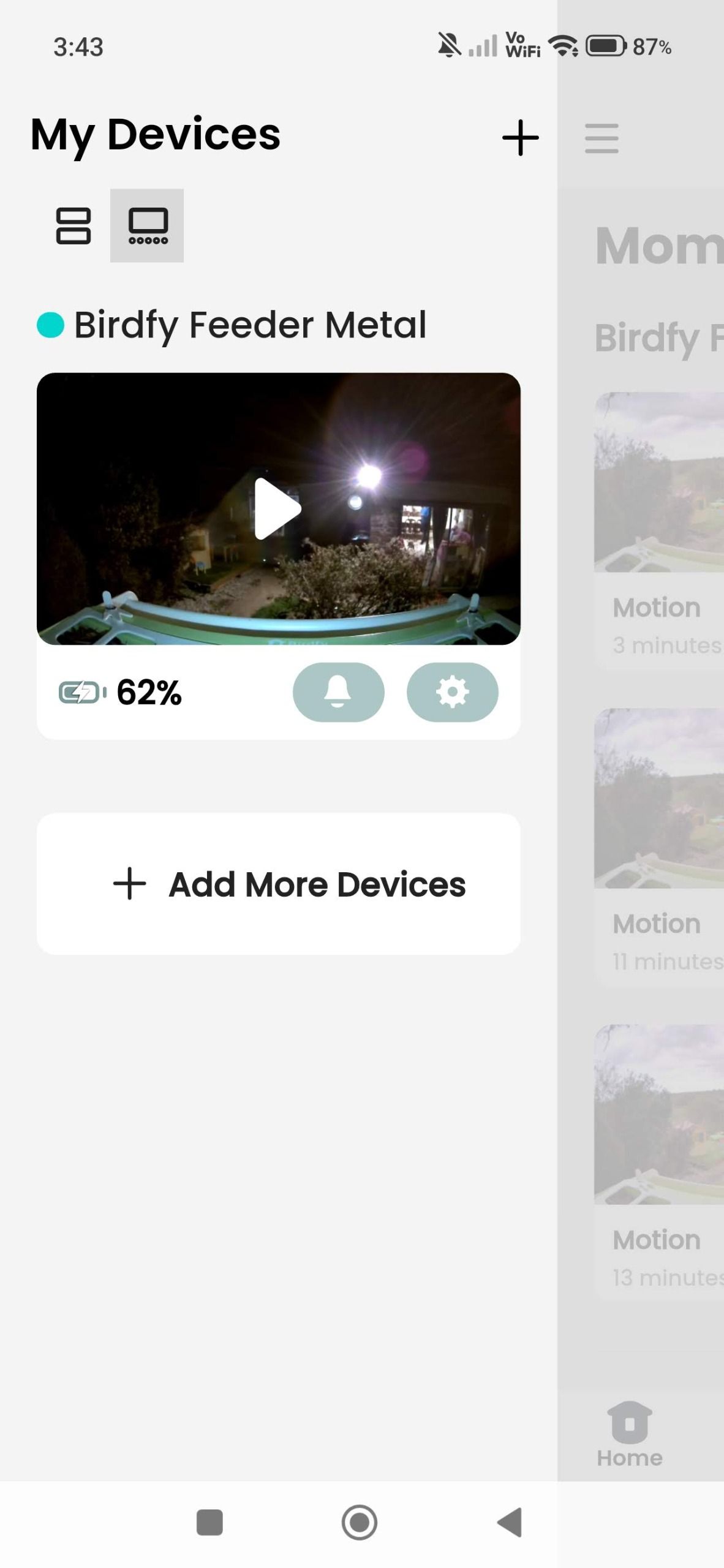
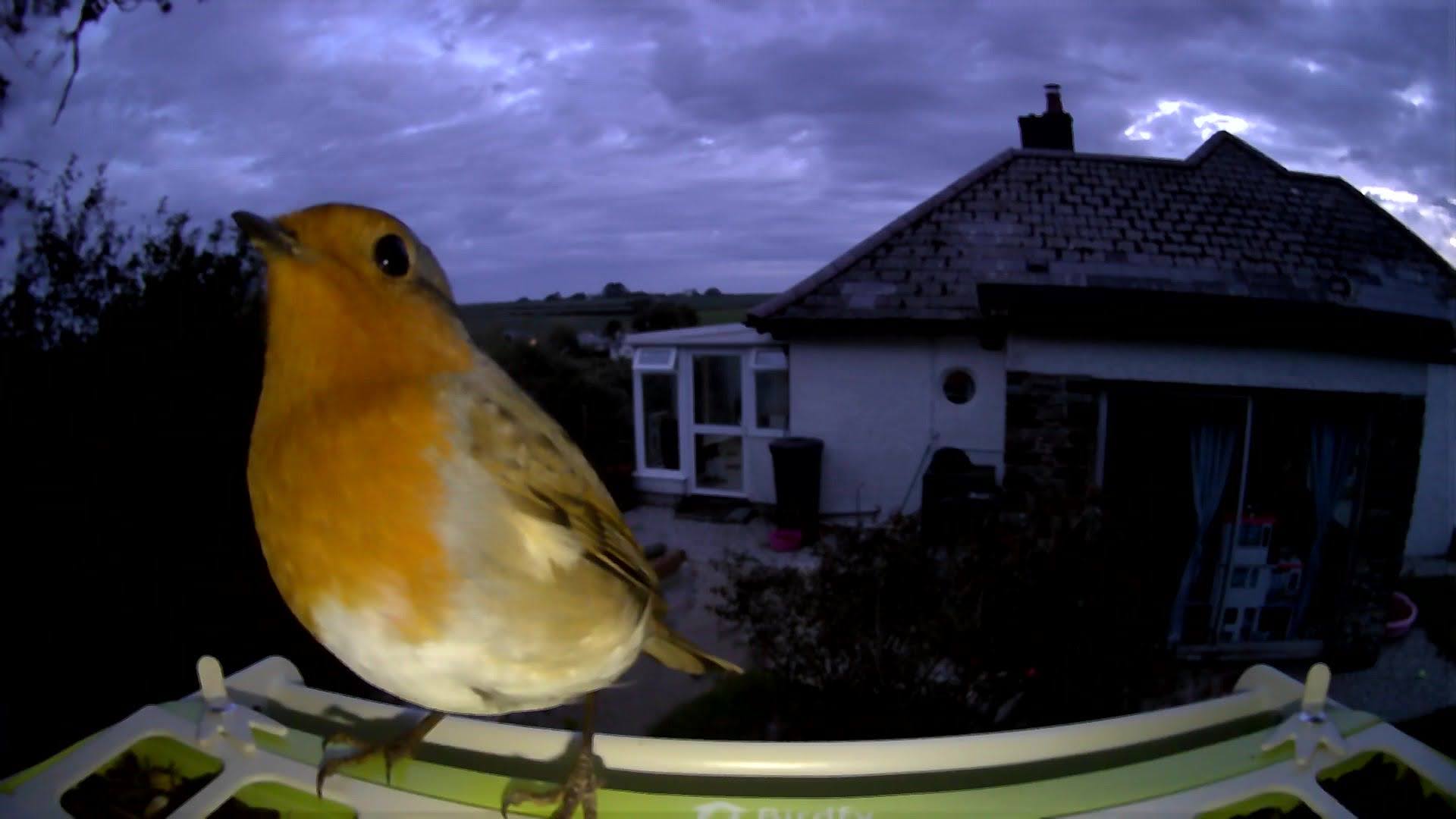
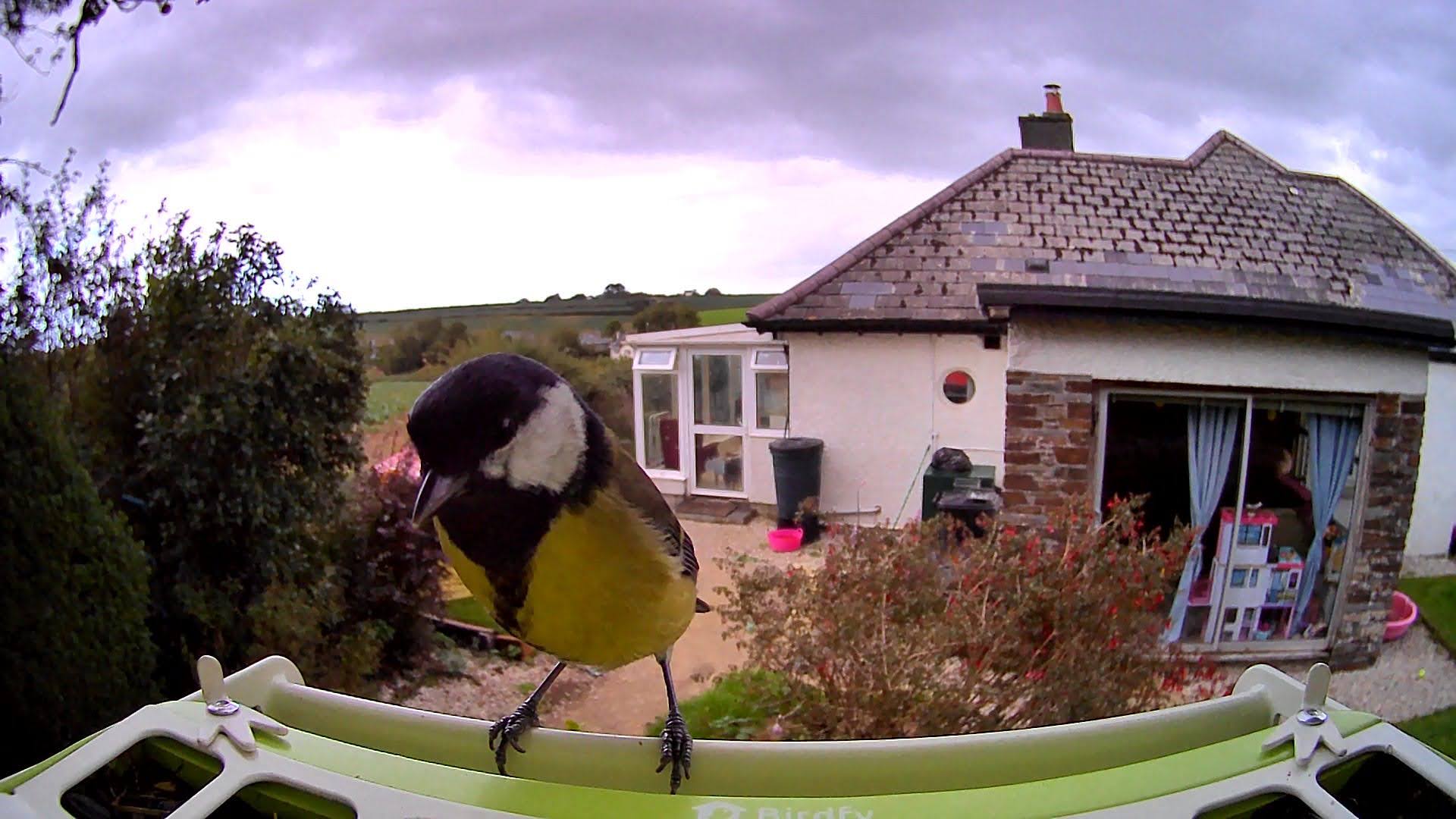
Following a straightforward QR-code pairing process through the Birdfy mobile application, the device enters a calibration phase. Field reports indicate that local avian populations typically require a brief adjustment period, ranging from 24 to 48 hours, to acclimate to the physical presence of the new metal structure. Once birds begin visiting regularly, motion-activated sensors trigger the camera, compiling recorded interactions into a chronological archive. Rather than presenting an unstructured stream of video clips, the application organizes footage by date and species, allowing users to track visitation frequencies and observe behavioral patterns over weeks and months.

Supporting Data and Software Ecosystem
The primary value proposition of the Birdfy ecosystem lies in its software integration, specifically its AI-driven bird recognition capabilities. The system is programmed to identify up to 6,000 distinct bird species, cross-referencing visual data captured by the camera against a vast cloud-based database.
Consumers generally choose between a subscription-based model or a lifetime AI access tier, the latter of which requires a modest upfront premium. Given the long-term utility of outdoor hardware, industry analysts note that lifetime software tiers are increasingly favored by consumers seeking to avoid recurring digital overhead. Beyond identification, the platform includes a data analytics section that logs historical visits, transforming a simple backyard feeder into a localized data-collection node. Furthermore, the application supports multi-user sharing, enabling family members or remote enthusiasts to receive simultaneous push notifications and view live or recorded feeds regardless of geographical distance.
Design Considerations and Practical Limitations
While the hardware review highlights robust construction and thoughtful ergonomic features—such as an adjustable perch that accommodates both smaller songbirds and larger garden visitors—certain design and environmental factors require careful planning by the consumer.
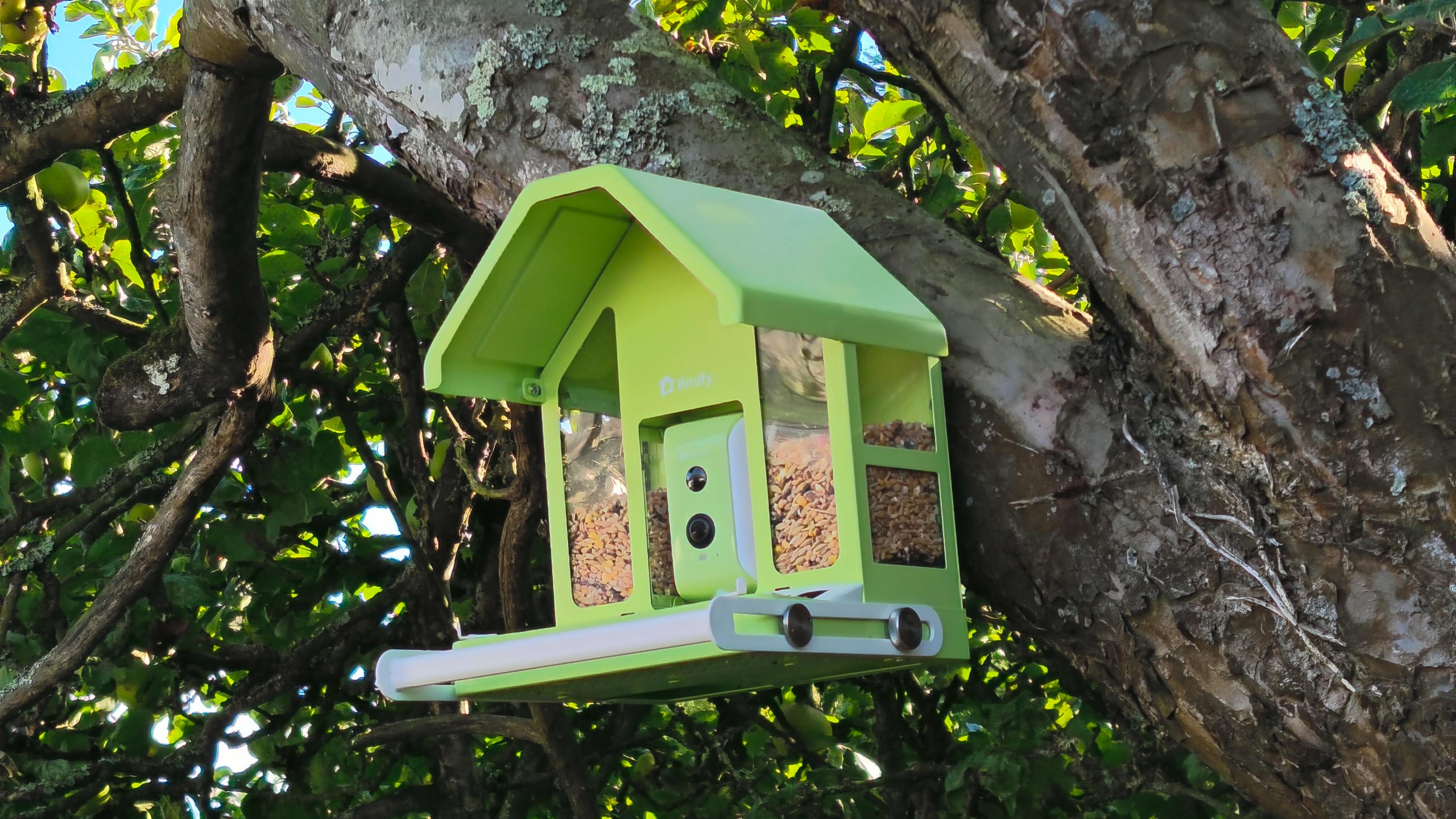
Solar charging efficiency is fundamentally dependent on placement. While the integrated 2W solar panel maintains battery levels adequately in semi-shaded environments, heavily wooded or deeply shadowed locations may necessitate occasional manual recharging via the unit’s USB Type-C port, temporarily interrupting the hands-free nature of the device. Additionally, aesthetic choices made by manufacturers continue to draw commentary; earlier iterations of the metal feeder utilized a vibrant lime-green and white color scheme that stands out prominently in natural settings, prompting subsequent manufacturing shifts toward more subdued, muted green finishes that blend seamlessly into foliage.
Broader Impact and Implications for Backyard Conservation
The commercial success of smart bird feeders reflects a broader cultural shift toward micro-conservation and localized nature engagement. By lowering the barrier to entry for species identification and wildlife observation, devices like the Birdfy Feeder Metal foster a deeper appreciation for biodiversity among suburban and urban populations.

Furthermore, aggregated data collected by millions of connected garden feeders globally holds potential secondary value for ecological research. While individual backyard deployments primarily serve recreational and educational purposes, the proliferation of timestamped, geotagged wildlife imagery contributes to a growing informal database of bird migration patterns, population health, and behavioral adaptations in changing urban environments. As hardware costs decline and artificial intelligence accuracy improves, the integration of smart monitoring tools into residential gardens is expected to remain a steady growth sector within the consumer electronics and outdoor hobbyist markets.