The annual awards season at our dedicated home cinema test facility represents a period of intense, high-fidelity evaluation, where the latest innovations in hardware—ranging from immersive Dolby Atmos soundbars to state-of-the-art ultra-short-throw (UST) laser projectors—are subjected to rigorous scrutiny. To accurately gauge the performance of these complex systems, our technical team relies on a curated rotation of cinematic benchmarks. These films are selected not merely for their narrative impact, but for their specific technical demands, which expose the strengths and limitations of current display and acoustic technology. This month, our editorial team has identified a new selection of titles that serve as vital tools for both enthusiasts and industry professionals looking to calibrate their setups for optimal performance.
The Technical Necessity of High-Fidelity Reference Media
In the realm of home cinema, the gap between a standard viewing experience and a truly immersive one is defined by how well a system handles color depth, contrast ratios, and spatial audio localization. Modern display technology, particularly HDR (High Dynamic Range) OLED and Mini-LED panels, requires content that can effectively push the boundaries of peak brightness and shadow detail. Similarly, multi-channel sound systems are tested by the complexity of a film’s soundscape, specifically the precision of object-based audio formats like Dolby Atmos.
The following selections have been chosen for their ability to challenge these specific technical parameters, providing a consistent baseline for performance assessment.

The Last Duel: Evaluating Contrast and Color Grading
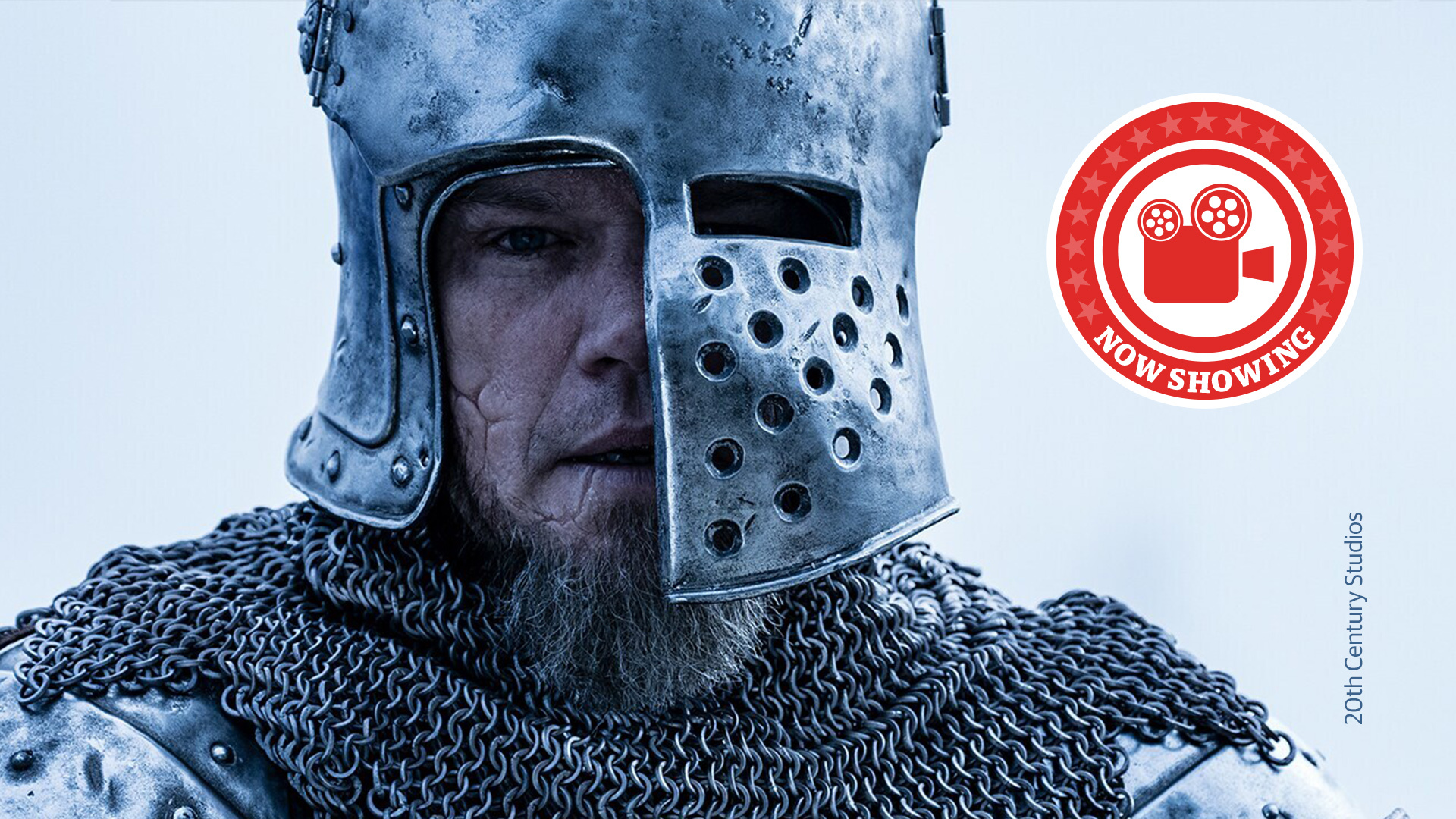
Ridley Scott’s 2021 historical drama, The Last Duel, has emerged as a cornerstone in our library for evaluating color accuracy and contrast performance. The film’s visual language is dominated by a deliberate, muted color palette, characterized by frosty blue-grey tones and desaturated landscapes that reflect the harsh realities of 14th-century France.
From an engineering perspective, this production is particularly challenging for displays. A television or projector must be capable of rendering subtle gradations within these cool, dark tones without suffering from "black crush"—a common phenomenon where shadow detail is lost in the deepest parts of the frame. By testing with this film, users can determine if their display hardware is capable of maintaining color integrity in low-light scenes, a critical metric for discerning high-quality hardware from entry-level alternatives. The film serves as a functional antithesis to the high-saturation, high-contrast blockbusters typically used to show off vibrant colors, offering a more nuanced test for color science and grayscale reproduction.
Spider-Man: Brand New Day: A Masterclass in Modern Blockbuster Audio
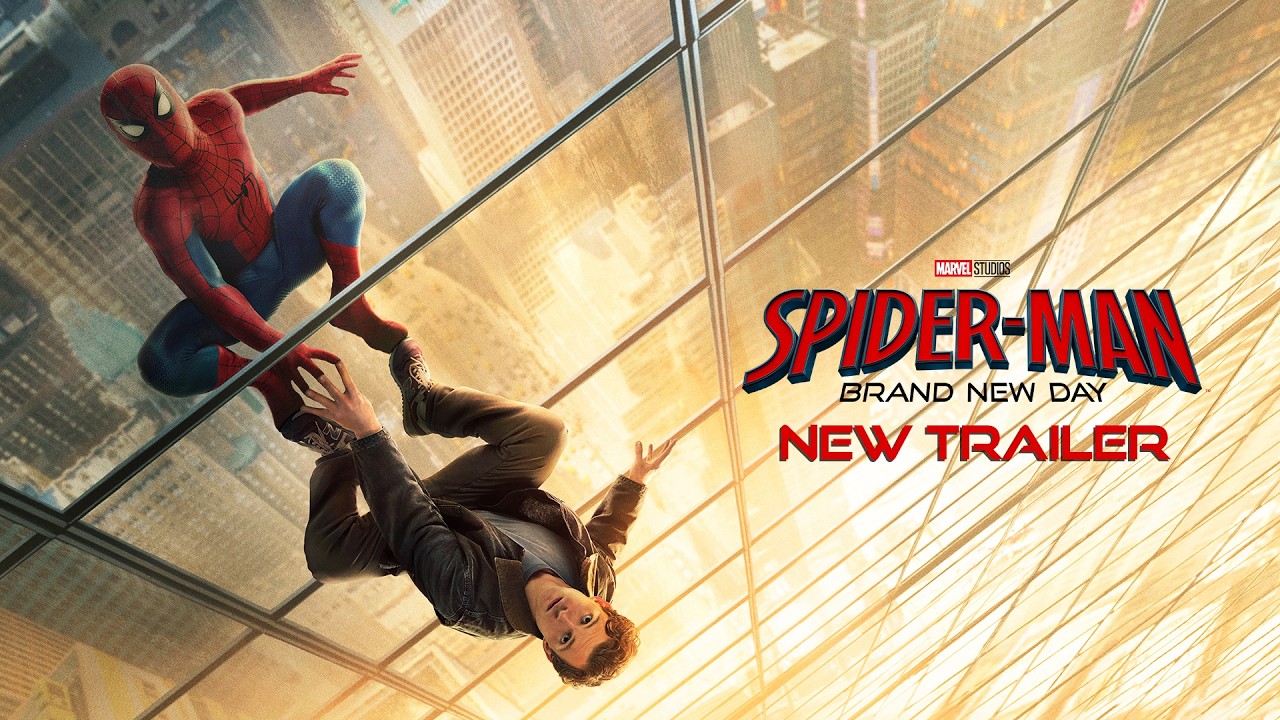
The 2026 release of Spider-Man: Brand New Day has not only dominated the global box office—surpassing $2.45 billion in total gross revenue—but has also established itself as a primary reference for testing dynamic range and spatial audio placement.
Directed by Destin Daniel Cretton, the film represents a pivot in the franchise’s visual and auditory strategy. Moving away from the high-tech, digital-heavy aesthetics of previous installments, the film adopts a grittier, more grounded visual palette. For home theater enthusiasts, this shift provides a new set of challenges for 4K Blu-ray and high-bitrate streaming platforms. The film’s combat sequences, often occurring in dense urban environments, require an audio system capable of rapid, precise object tracking within a 3D soundfield.
Furthermore, the soundtrack, which features a mix of contemporary tracks by Tame Impala and Steve Lacy alongside an understated score by Michael Giacchino, offers a broad frequency range. The ability of a soundbar or surround sound system to separate these musical elements from the complex sound effects of the film is a definitive test of the system’s signal processing and crossover clarity.
Bumblebee: Bass Management and Soundfield Calibration
Though released in 2018, the Transformers prequel Bumblebee remains a permanent fixture in our testing suite due to its exceptional sound design. It is frequently cited as the most balanced entry in the franchise, prioritizing a narrative flow that allows for distinct, high-impact audio moments that are ideal for calibrating subwoofer integration.
The opening sequence, which depicts the arrival of Bumblebee on Earth as a high-velocity, fiery projectile, is a critical test of a system’s Low-Frequency Effects (LFE) channel. The sequence demands that a subwoofer handle extreme bursts of energy without distorting, while simultaneously ensuring that the transition between the subwoofer and the mid-range speakers is seamless. For those looking to test the immersive capabilities of their ceiling speakers, the overhead flight paths of the planes in this scene provide an excellent opportunity to verify that the soundfield is correctly calibrated for height effects.
Metal Lords: The Importance of Mid-Range Clarity
While some might dismiss Peter Sollett’s 2022 film Metal Lords as a niche teen drama, its relevance to audio testing lies in its portrayal of musical passion and technical sound reproduction. The film’s final "Battle of the Bands" sequence is an acoustic challenge that tests a system’s ability to handle high-energy, distorted instrumentation without losing clarity in the mid-range.

For the hi-fi enthusiast, the film acts as an effective test of how a system handles the "texture" of music. It is not necessarily a test for raw power, but rather for resolution and detail. If a system can clearly distinguish the individual instruments during the film’s climax, it demonstrates strong performance in soundstage imaging and separation—attributes that are essential for high-fidelity music playback in a home environment.
Slow Horses: Season 6 and the Demands of Shadow Detail
The sixth season of the Apple TV original series Slow Horses provides a contemporary benchmark for television-based content. The series, which has garnered acclaim for its sharp, dry wit and tense narrative, is also a visual exercise in managing high-contrast, low-light environments.
Narratively, the series is set in a dreary, rain-soaked London, where the visual aesthetic is intentionally desaturated and often confined to the shadows. This creates a rigorous environment for testing the black levels of modern displays. If a screen cannot accurately reproduce deep blacks while maintaining the subtle textures of rain and mist, the image will appear muddy and indistinct. Furthermore, as an Apple TV production, it supports high-quality Dolby Atmos encoding. The series effectively utilizes this to create a sense of scale, using the ambient sounds of the city to ground the viewer in the environment, rather than relying on the bombastic, explosive effects typical of cinema blockbusters.
Strategic Implications for Consumer Electronics
The selection of these specific titles highlights a broader trend in home cinema: the move toward content that requires more than just raw "loudness" or "brightness" from hardware. As consumers increasingly invest in high-end TVs and home audio systems, there is a growing demand for devices that excel in subtlety and precision.
Industry data suggests that the integration of Dolby Atmos and HDR10+ / Dolby Vision has fundamentally changed the consumer expectations for home media. No longer satisfied with simple, two-channel stereo or standard dynamic range, viewers are seeking a cinematic experience that mirrors the performance standards of professional post-production studios.
Consequently, manufacturers are responding by refining their digital signal processing (DSP) algorithms and panel technologies. The films listed here function as the ultimate "stress tests" for these developments. By utilizing this rotating library, our team ensures that the products recommended to readers are not only capable of high-performance playback on paper but are also optimized for the nuances of actual, high-quality cinematic content.
Conclusion and Recommendations
When building a reference library for home cinema testing, it is essential to include a diverse range of media that challenges different facets of the audio-visual experience. Whether it is the color-accuracy test of The Last Duel, the bass-heavy impact of Bumblebee, or the shadow-detail requirements of Slow Horses, each film serves a specific purpose in the calibration and evaluation process.
As hardware continues to evolve, our commitment to testing remains rooted in these benchmarks. We encourage enthusiasts to experiment with these titles, observing how their specific hardware configurations interact with the source material. By paying close attention to the details—the crispness of an explosion, the depth of a shadow, or the separation of instruments—users can unlock the full potential of their home cinema systems, ensuring that they are experiencing content exactly as the creators intended. We invite our readers to share their own reference titles in the comments section, as we continue to refine our methods for evaluating the ever-changing landscape of home entertainment technology.