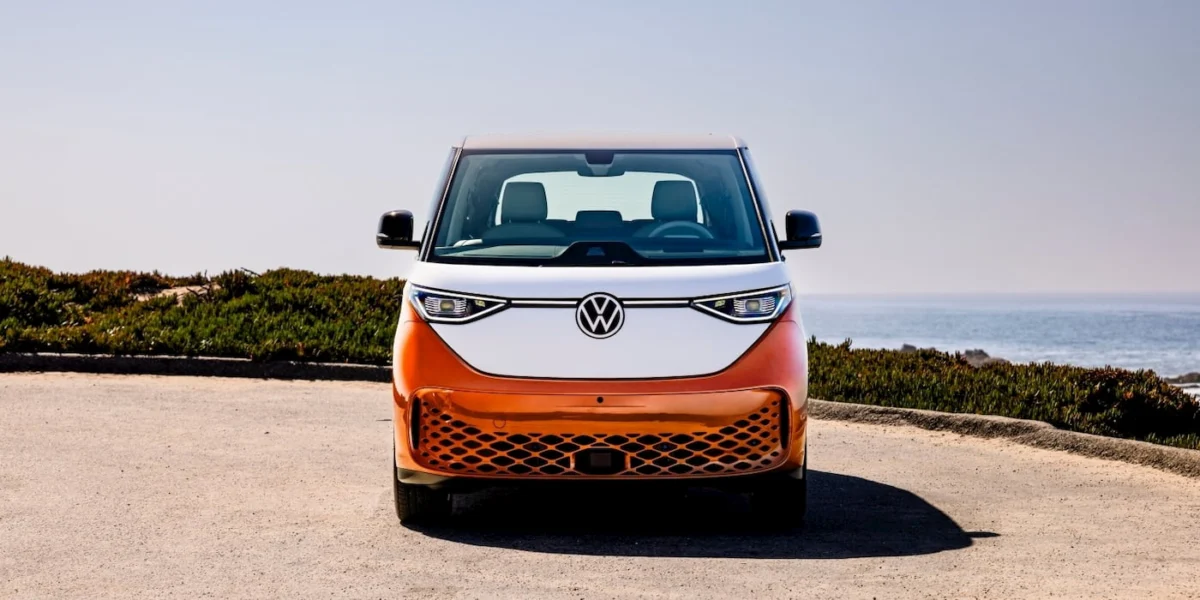
Volkswagen of America has once again delayed the market return of its nostalgic, all-electric minibus, the ID. Buzz. Following previous inventory adjustments that skipped the 2026 model year, the German automaker has officially informed its American dealership network that the vehicle will not be reintroduced until the 2028 model year. The decision marks another setback for a vehicle that initially launched in the United States with substantial fanfare, driven largely by fond memories of the classic Volkswagen Microbus, but has since faced persistent headwinds in an increasingly competitive electric vehicle market.
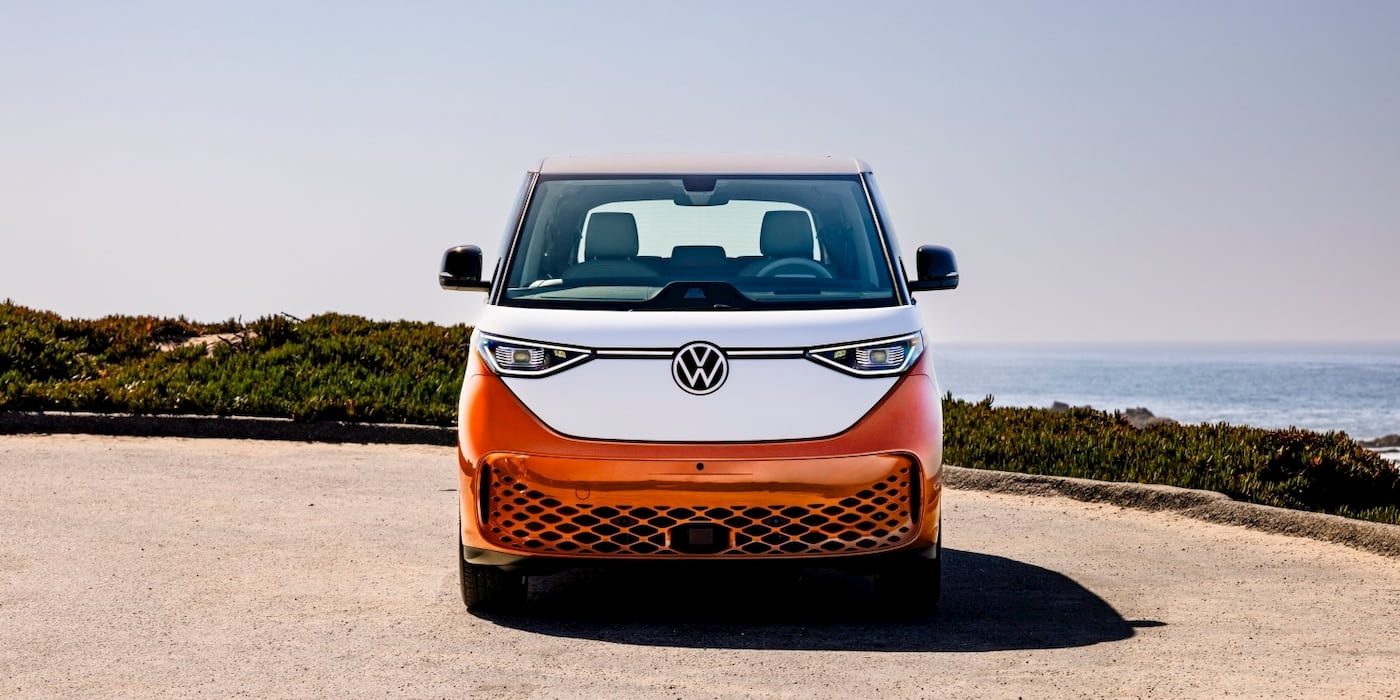
The latest timeline revision, communicated to dealers on September 24, highlights the complex challenges legacy automakers face when trying to balance heritage-inspired design with modern consumer demands. While the ID. Buzz captured widespread media attention when it first arrived on American shores in 2024, that initial wave of enthusiasm quickly collided with the realities of pricing, range anxiety, and shifting family vehicle preferences.
Chronology of the ID. Buzz US Rollout and Delays
The journey of the Volkswagen ID. Buzz in the United States has been marked by high expectations followed by strategic adjustments. Understanding the vehicle’s trajectory requires looking back at its launch schedule and subsequent inventory management decisions:
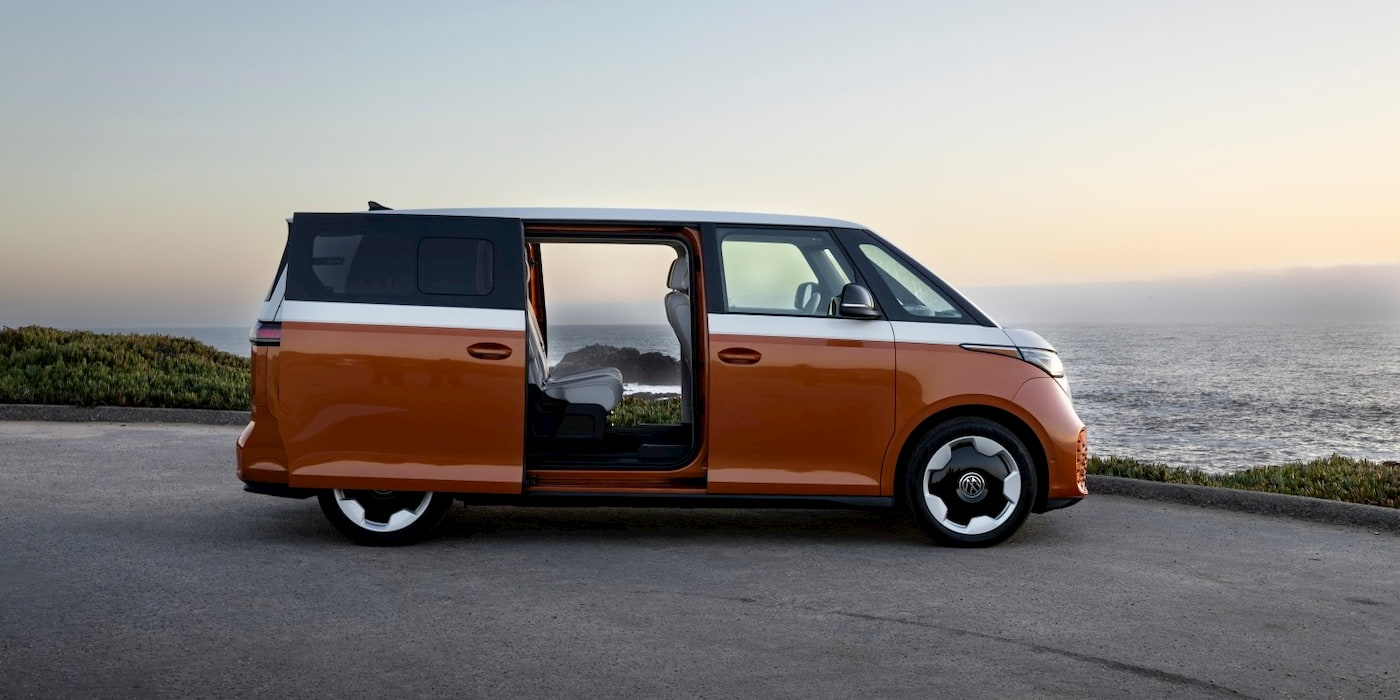
- 2024: The ID. Buzz officially goes on sale in the US market, positioned as the spiritual, zero-emission successor to the legendary Type 2 Microbus. Initial excitement is high, but sales momentum slows as prospective buyers encounter its premium price point.
- Throughout 2025: Dealerships grapple with soft demand. Total US sales for the year land at a modest 6,140 units, resulting in a surplus of unsold inventory sitting on dealership lots nationwide.
- December 2025: Volkswagen Group of America executives confirm that the ID. Buzz will skip the 2026 model year. Company representatives emphasize that the vehicle is not being canceled, noting that existing dealer inventory of 2025 models is sufficient to cover near-term sales without the immediate need for a new model year designation.
- Early 2026: Volkswagen reveals planned updates for the upcoming vehicle cycle, including a specialized Tourer model equipped for overnight camping and long-awaited compatibility with the North American Charging Standard (NACS). The updates are initially pegged to a 2027 model year release.
- September 24, 2026: In a notification sent to American dealerships, Volkswagen updates its product roadmap, pushing the planned comeback further back to the 2028 model year, thereby bypassing the 2027 model year as well.
Market Factors and Competitive Pressures
The primary hurdle for the ID. Buzz has been its market positioning relative to other modern electric vehicles. With an introductory price tag hovering around $60,000, the electric minibus demands a significant financial commitment from buyers. Furthermore, the vehicle provides an EPA-estimated range of up to 234 miles on a single charge.
While a 234-mile range easily accommodates daily commuting and urban driving routines, it falls short of what many American families expect when shopping for a primary road-trip vehicle. Family buyers planning weekend getaways or cross-country excursions frequently gravitate toward larger three-row electric SUVs. Competitors such as the Kia EV9 and the Hyundai IONIQ 9 offer significantly extended ranges exceeding 300 miles, alongside more traditional seating configurations and cargo layouts that appeal to mainstream utility shoppers.
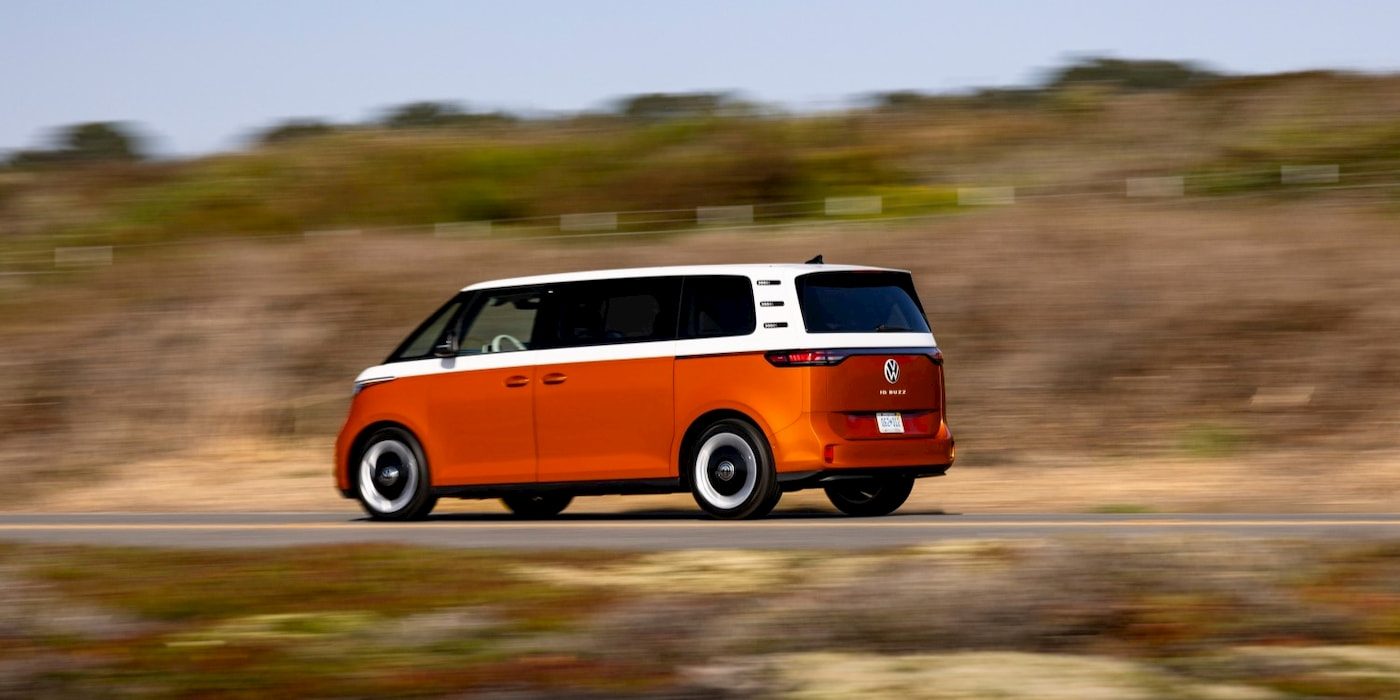
Compounding these range and utility considerations is the sheer volume of unsold inventory. According to retail tracking data from platforms like Cars.com, the nationwide supply of brand-new 2025 Volkswagen ID. Buzz models dwindled to just 38 units by late 2026. However, the prolonged gap in production and model-year releases indicates that Volkswagen is exercising extreme caution to prevent oversupplying a niche segment, allowing the market to completely absorb existing stock before introducing updated variants.
Broader Corporate Strategy and Portfolio Adjustments
The delay of the ID. Buzz is not happening in a vacuum. It aligns with a broader, more conservative recalibration of Volkswagen’s electric vehicle portfolio in North America. Alongside the adjustments to the ID. Buzz schedule, the automaker has also put the ID.4 electric crossover’s 2027 model year on hiatus.
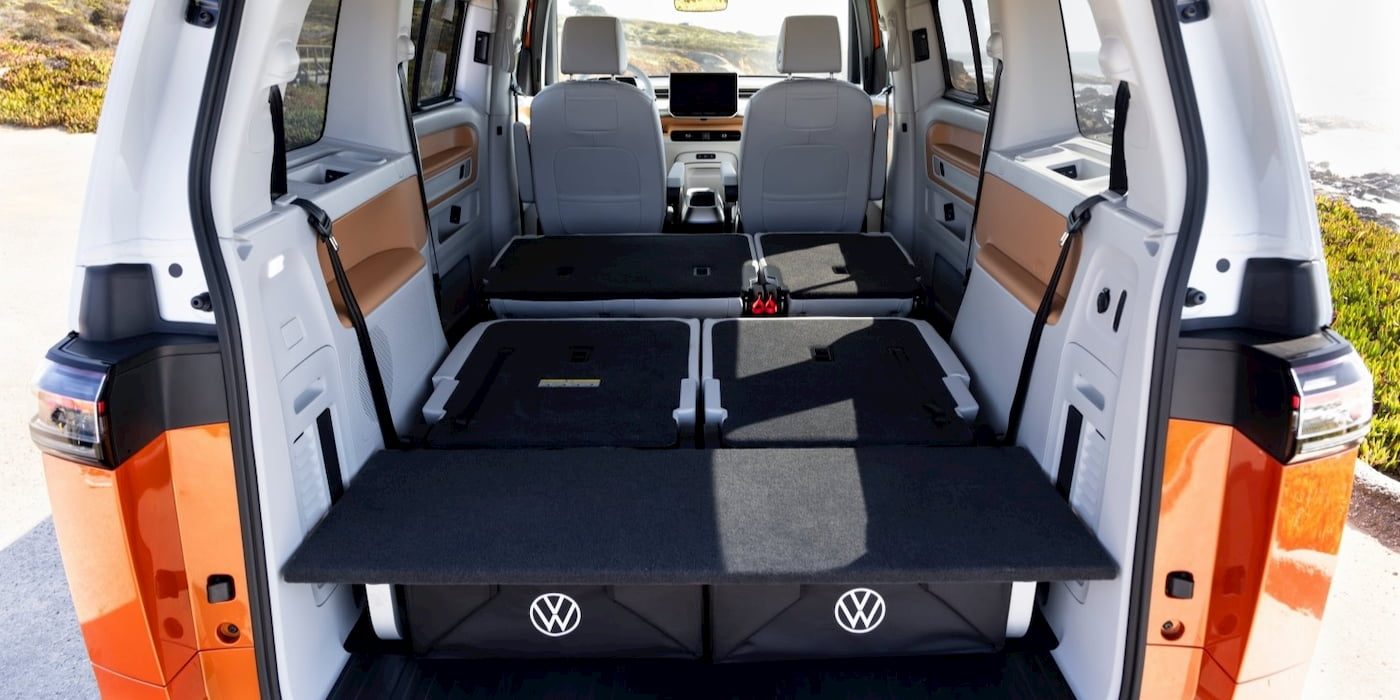
As legacy manufacturers face shifting regulatory landscapes, fluctuating consumer adoption rates for pure battery-electric vehicles, and fierce competition from both domestic startups and established Asian competitors, portfolio streamlining has become a common strategy. By pausing certain model years, automakers can reallocate capital, refine production efficiencies, and focus engineering resources on next-generation software, battery technology, and charging infrastructure compatibility.
For Volkswagen, ensuring that future iterations of the ID. Buzz feature vital upgrades—such as NACS plug integration for seamless access to the Supercharger network and more versatile interior packages like the Tourer—is critical for winning over skeptical consumers who were previously deterred by charging limitations and high entry costs.

Industry Implications and Future Outlook
The decision to postpone the ID. Buzz until the 2028 model year underscores the risks of relying too heavily on nostalgia in the automotive sector. While retro design successfully draws consumers into showrooms, long-term sales sustainability depends on meeting or exceeding the functional benchmarks set by utility-focused competitors.
Analysts note that while the delay may frustrate enthusiasts who have been waiting for the updated configurations, it represents a pragmatic financial and logistical maneuver. Clearing out legacy inventory prevents the brand from having to resort to heavy discounting that could erode vehicle residual values.

Volkswagen of America has maintained that its commitment to the electric minibus concept remains intact. As the company navigates its broader lineup overhaul, including the temporary pause on the ID.4, all eyes will be on how Volkswagen recalibrates its marketing, pricing, and feature sets ahead of the anticipated 2028 relaunch. Further updates from corporate leadership are expected as the brand finalizes its long-term North American product roadmap.