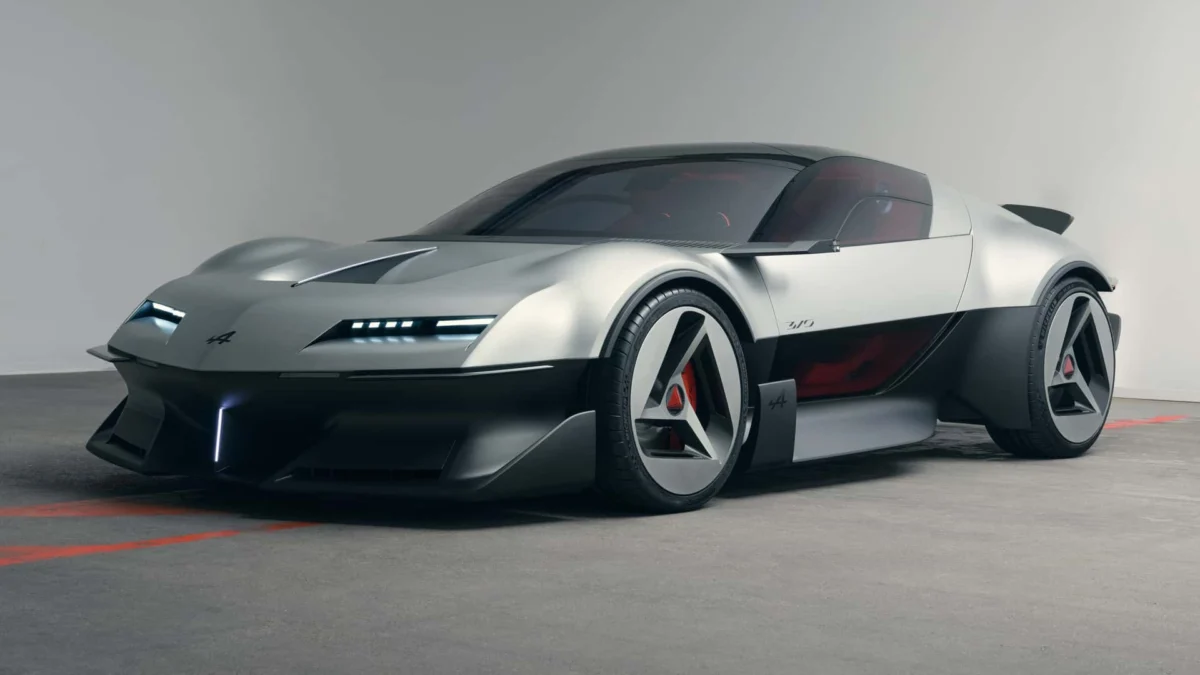
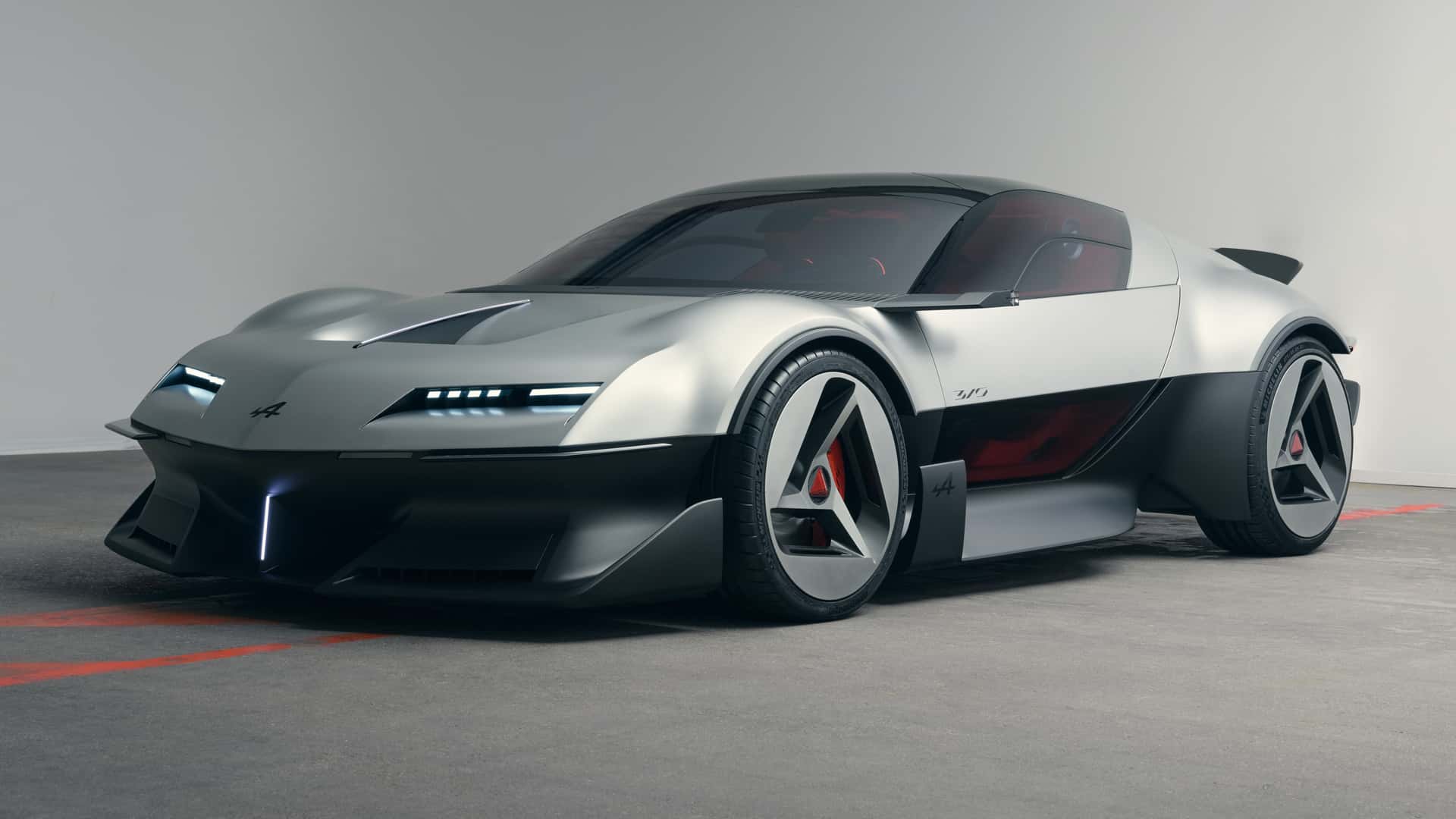
The strategic direction for Alpine’s highly anticipated four-seat electric sports car has reached a definitive conclusion, as the French automaker officially abandons plans to tether its future to the design heritage of the 1970s and 1980s. Alpine CEO Philippe Krief has confirmed that the upcoming 2+2 vehicle will eschew the wedge-shaped aesthetics of the historic A310 in favor of a strictly modern design identity. This pivot marks a significant moment for the brand, which had previously teased the public with the A310 Vision concept, a show car that garnered substantial attention at the Paris Motor Show for its clear, retro-futuristic stylistic homage.
For several months, internal debate within Alpine’s design studios centered on the tension between the brand’s storied past and its need to remain relevant in a rapidly shifting, electrified automotive landscape. While some designers advocated for a nostalgic approach that would bridge the gap between the legendary A310 and the modern era, the leadership team ultimately determined that a "clean-sheet" approach was necessary to establish the brand’s long-term visual language.
A Departure from Retro-Futurism
The decision to move away from the A310 aesthetic is rooted in a pragmatic assessment of global market recognition. Philippe Krief, in recent discussions regarding the brand’s product roadmap, provided clarity on the rationale, noting that while the original A310 holds a significant place in the hearts of French automotive enthusiasts and classic car connoisseurs, its global brand equity is comparatively limited.
"If the A110 is recognized worldwide as an absolute timeless beauty, the A310 is loved by French guys and connoisseurs, but the appeal is more niche," Krief explained. By opting for a design that is described as "very, very modern," Alpine aims to create a vehicle that resonates with a global audience rather than relying on regional or historical nostalgia. This represents a broader effort by Alpine to evolve from a boutique French manufacturer into a more prominent international player in the high-performance electric segment.
The A310 Vision concept, which served as a design study, will remain exactly that: an independent project. While the concept was instrumental in demonstrating the versatility of the Alpine Performance Platform (APP), it will not translate into a direct production model for the mass market. Krief has not entirely ruled out the possibility of a limited-run production variant, comparing it to the A110 R Ultime, which serves as a specialized, low-volume "farewell" model. However, he emphasized that such projects are not designed for profit—a luxury he notes is generally reserved for brands like Ferrari—but rather for brand prestige and community engagement.
The Foundation: The Alpine Performance Platform (APP)
The backbone of this upcoming 2+2 model is the Alpine Performance Platform (APP), a highly modular architecture engineered specifically to accommodate the unique requirements of high-performance electric vehicles. The platform is designed to be flexible, supporting various body styles, wheelbases, and powertrain configurations.
The development of the APP is a critical milestone for Alpine’s transition to an all-electric portfolio. The next-generation A110, expected to debut around 2027, will be the inaugural vehicle to utilize this architecture. By leveraging a common platform across multiple models, Alpine expects to achieve economies of scale and technical consistency, which are vital for maintaining the brand’s reputation for lightweight, agile performance despite the inherent weight penalties associated with large-scale battery packs.
The 2+2 configuration presents a unique set of engineering challenges. Unlike the pure, two-seat sports car profile of the current A110, the four-seater requires a more sophisticated balance of interior utility and exterior aerodynamics. The choice to move away from the A310’s retro design is, in part, a functional decision; the new, modern design language will likely prioritize aerodynamic efficiency—a necessity for maximizing range and performance in an electric vehicle—without being constrained by the sharp, angular geometry of the 1970s.
Chronology of the Strategic Shift
The trajectory toward this decision can be traced through several key milestones in the last few years:
- Early Development (2022-2023): Alpine begins formal development of the APP modular architecture, aimed at replacing the internal combustion engines of the current lineup.
- Design Internal Debate (Early 2024): Designers and engineers split into two camps: those favoring a "Heritage" design language reminiscent of the A310, and those pushing for an "Alpenglow" inspired future-proof aesthetic.
- Paris Motor Show (October 2024): The A310 Vision concept makes its debut. It is received with high acclaim, leading many industry analysts to assume a production version is imminent.
- Strategic Realignment (Late 2024 – Early 2025): Under the guidance of Philippe Krief, the company evaluates the market viability of a retro-styled vehicle versus a new design. The decision is made to prioritize a "very modern" look to broaden the brand’s appeal.
- The Future (2027 and Beyond): The expected arrival of the new A110 on the APP platform, followed shortly by the introduction of the new 2+2 sports car.
Analysis: Market Implications and Brand Positioning
The decision to pivot toward a forward-looking design language is a calculated risk. In an era where many manufacturers, such as Porsche, Ford, and even Renault (Alpine’s parent company), are finding immense success in "neo-retro" designs—leveraging heritage to sell electric vehicles—Alpine’s choice to go against the grain is bold.
By choosing to differentiate its future lineup from its historical past, Alpine is effectively signaling a "new era." For the brand, the A110 is the anchor—it is the design benchmark that defines the company. Attempting to replicate that success by mining the A310 archives could have diluted the brand’s identity. Instead, by focusing on a modern design, Alpine is attempting to establish a new, distinct "Alpine look" for the 2030s.
Furthermore, the shift reflects a broader trend in the automotive industry regarding the "democratization" of sports cars. With the rise of electric propulsion, the barrier to entry for high performance has lowered. To compete, manufacturers must offer more than just speed; they must offer a unique visual and digital identity. A "very modern" aesthetic, potentially utilizing advanced lighting signatures, sustainable materials, and aggressive active aerodynamics, may serve as a stronger selling point to a new generation of buyers who have no personal connection to the 1970s rally cars.
The Road Ahead: Challenges and Uncertainty
Despite the clarity of the design direction, significant questions remain regarding the deployment of the 2+2. The primary uncertainty involves the release cadence of the new lineup. Alpine has not yet committed to a specific order of operations for the 2+2 and any potential niche variants.
Krief has noted that the rollout strategy will be dictated by market data, including the success of the next-generation A110 and the health of the dealer network. The transition to an electric-only lineup is an immense undertaking for any brand, particularly one with such a devoted, enthusiast-driven customer base. Dealers will need to be equipped to support a new technology stack, and the brand must ensure that its marketing efforts successfully convey the "Alpine experience" in the absence of the mechanical connection provided by internal combustion engines.
The economic reality of the project is also a primary factor. As Krief candidly admitted, sports car development is rarely a path to high profit margins unless the scale is handled with extreme efficiency. The focus on the APP platform is, therefore, the most important technical aspect of the company’s future. By ensuring that the 2+2 is built on a shared platform, Alpine is mitigating the financial risk of introducing a new model into a segment that is notoriously difficult to monetize.
As the automotive industry continues its pivot toward electrification, Alpine’s decision to abandon the comfort of the past in favor of an undefined, modern future suggests a high degree of confidence in the design studio’s current creative direction. Whether this "very modern" look will capture the imagination of the global market as effectively as the A110 remains to be seen, but the intent is clear: Alpine is looking to build its future on innovation rather than imitation. The brand is betting that its next chapter will be defined by what it can create tomorrow, not by what it created fifty years ago.